Technical RFQ Guide

How to Specify a Custom Wire Mesh Filter Element

A usable filter-element specification connects the filtration target to the complete construction. Define the rating basis, media, material, support, flow direction, operating load, geometry, end interfaces and acceptance criteria—then attach a controlled drawing.

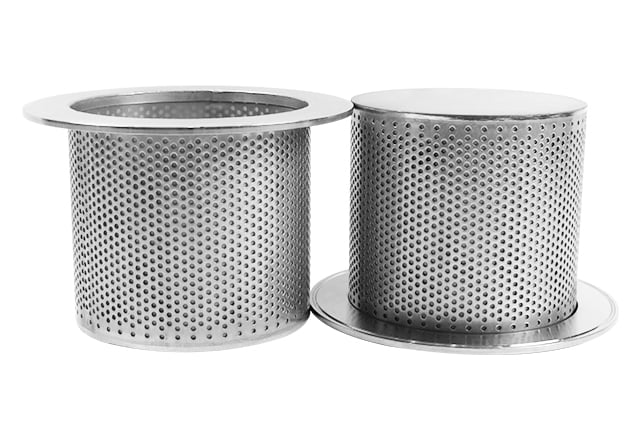
Two cylindrical stainless steel filter elements with perforated support bodies and flanged ends
Finished filter geometry, support shell and end interfaces must be specified together.

Direct Answer: Specify the Function Before the Shape

1. Retention target

Particle range plus geometric, nominal, absolute or named-test basis.

2. Process duty

Medium, flow, viscosity, temperature and differential-pressure limits.

3. Element build

Filter media, material, layers, supports, seams and flow direction.

4. Equipment fit

Dimensions, tolerances, end connections, seals and acceptance checks.

Custom Filter Element Specification Table

Send this information as one specification pack. If a field is unknown, identify it as an open technical question instead of substituting an assumed value.

RFQ fieldWhat to stateWhy it matters
Filtration basisParticle target, aperture or rating, efficiency/test methodPrevents unlike media being compared by one micron number
Process conditionsFluid/gas, viscosity, temperature, flow and chemistryProvides context for material and pressure-drop decisions
Hydraulic loadNormal, maximum and reverse differential pressureDetermines support location and structural review
Media constructionWeave/pore structure, mesh and wire, layers, support and joiningDefines retention layer and mechanical build
Geometry and endsOD, ID, length, wall/stack, fittings, seals and tolerancesControls installation, sealing and active area
Cleaning and acceptanceMethod, cycles if relevant, inspection and documentationAligns the delivered element with service and receiving checks
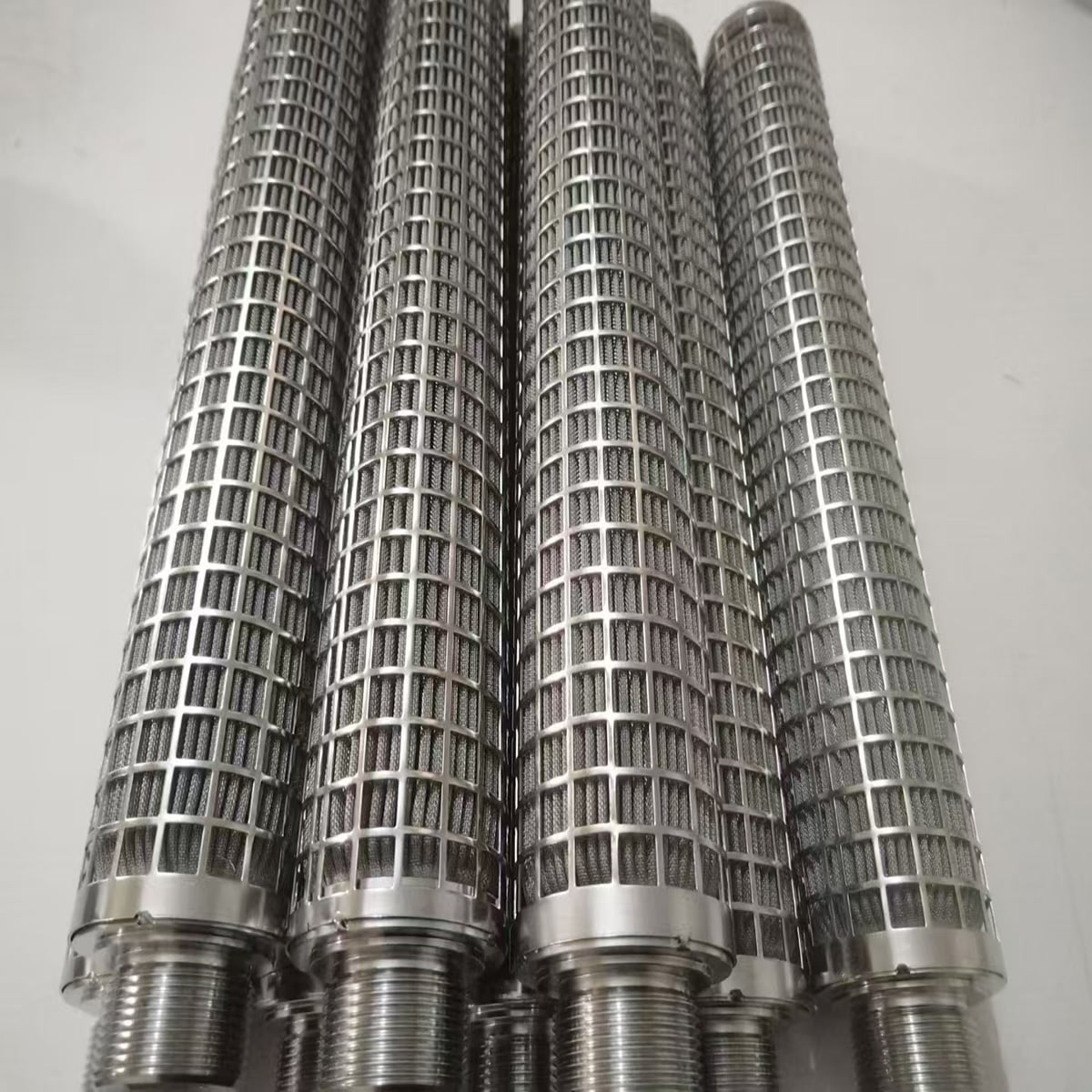
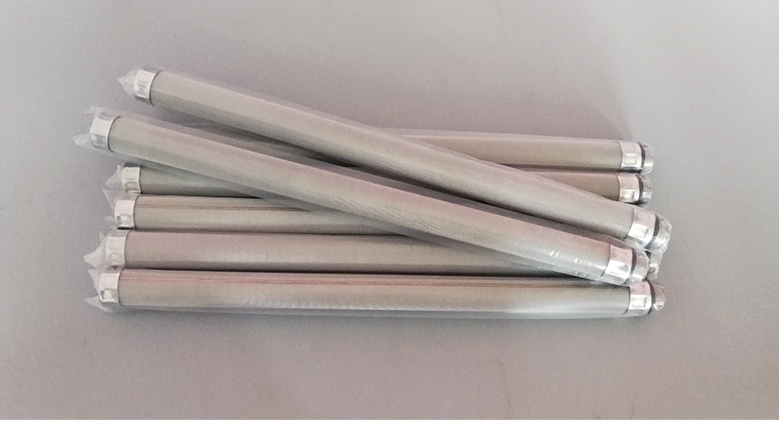
Batch of long fine woven wire mesh filter tube elements
Fine woven media elements require a defined aperture or rating basis and end construction.

Choose the Filtration Media and Rating Basis

For square woven mesh, specify mesh count with wire diameter or clear aperture. Dense Dutch weave micron ratings depend on the exact construction and should not be converted as square mesh.

For multilayer or rigid porous media, list each layer and the accepted rating or test basis. Compare the terminology in the filtration guide before issuing an RFQ.

Select Material, Layers and Mechanical Support

Filter layer

The fine woven or porous layer that provides the stated retention function.

Drainage/support layer

A coarser mesh can protect fine media and distribute flow when correctly located.

Structural cage or shell

Perforated or expanded metal can resist handling and differential-pressure loads.

Flow direction must be explicit

State inside-to-outside or outside-to-inside flow and identify the support side. Include reverse flow, pulse cleaning or backwashing if those conditions occur. Support should be reviewed against the actual differential pressure—not selected from appearance alone.

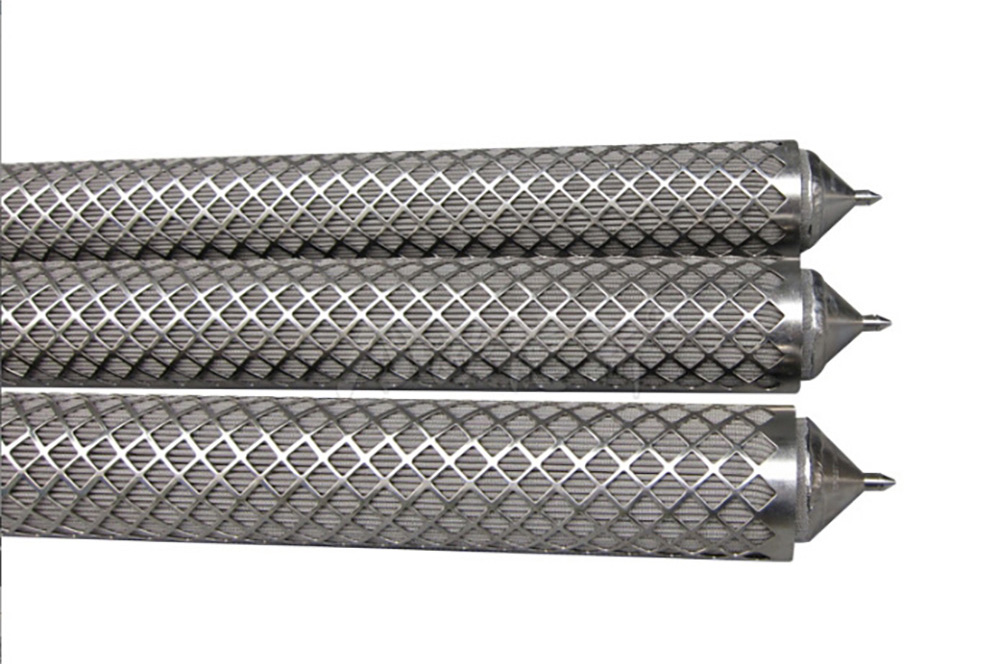
Cylindrical filter elements with expanded metal outer support and pointed ends
Support orientation and flow direction affect how a fine filter layer is mechanically protected.
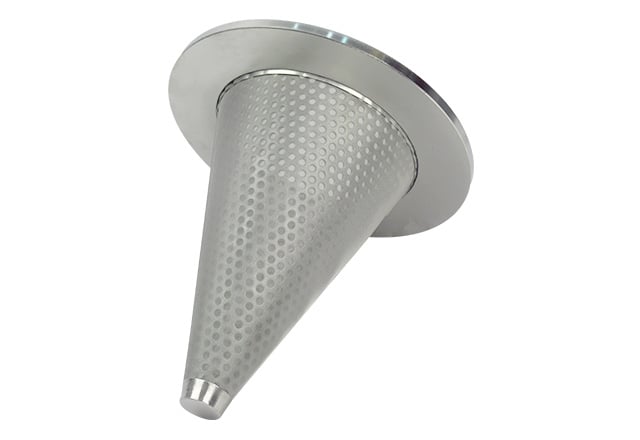
Conical stainless steel filter element with perforated support and mounting flange
Conical form, flange geometry and tip outlet are drawing-controlled details.

Define Finished Geometry and Critical Dimensions

Cylinders, cones, discs, baskets and pleated elements create different active areas and load paths. For cylindrical forms, review the related stainless steel filter cylinder and filter tube structures.

  • Overall length, OD, ID and wall or stack thickness
  • Concentricity, straightness and orientation where critical
  • Closed, open, tapered or shaped ends
  • Seam position, joining method and unfiltered bypass control
  • Active filtration length after end hardware

Specify End Connections, Seals and Interfaces

Threads, flanges, sanitary ends, locating shoulders and gasket seats should be dimensioned. Identify the mating standard where one exists, and give a drawing for proprietary interfaces. State seal material only when it is known to be compatible with the process.

Critical sealing dimensions and tolerances should be separated from non-critical reference dimensions.

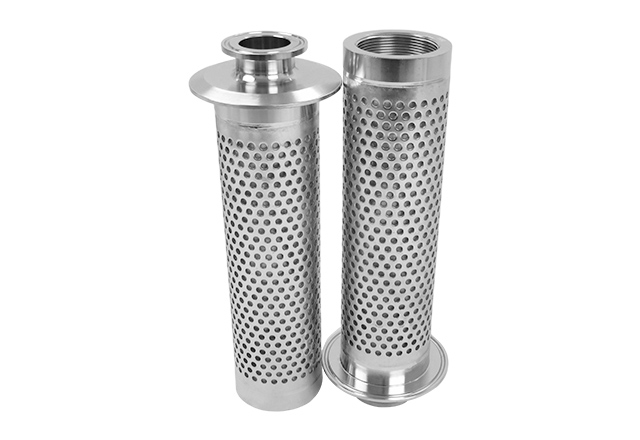
Two tubular stainless steel filter elements with sanitary and threaded end connections
End connections and sealing faces should be identified by drawing or mating standard.

Match the Finished Form to the Duty

Disc

Compact flat or shaped element; define layers, edge and sealing diameter.

Cylinder or tube

Define seam, support, flow direction, ends and active length.

Pleated cartridge

Adds area within an envelope; define pleat pack, supports and ends.

Basket or cone

Useful for equipment-specific collection; attach the full profile drawing.

Maidong Custom Filter Element Examples

These real product examples show why complete filter-element specifications need more than a product name. Media, support, joining and end interfaces vary by equipment and duty.

Stainless steel filter elements with threaded ends and structural support cages
A complete RFQ combines filter media, support cage, welds, threads and overall dimensions.

Threaded supported elements

Two cylindrical stainless steel filter elements with perforated support bodies and flanged ends
Finished filter geometry, support shell and end interfaces must be specified together.

Flanged perforated-shell elements

Common RFQ Mistakes

Micron number only

The rating definition, efficiency and test basis remain unknown.

Photo without drawing

Scale, tolerances, seals and hidden construction cannot be confirmed.

No flow direction

The correct side for support and hydraulic loading is ambiguous.

Material grade only

Media weave, wire size, layers, support and joining still need definition.

Six-Step Custom Filter Element RFQ Workflow

1. State the process

Medium, contaminants, temperature, flow and chemistry.

2. Define filtration

Particle target, rating basis, efficiency or accepted method.

3. Build the media pack

Material, weave, mesh/pore data, layers and support order.

4. Define the element

Flow direction, seams, dimensions, ends, seals and tolerances.

5. Add service details

Differential pressure, cleaning, expected handling and environment.

6. Issue the RFQ

Attach drawing, quantity, acceptance checks and required documents.

Custom Wire Mesh Filter Element FAQ

Provide the process medium, target contaminant and rating basis, material, mesh or porous media construction, flow direction, differential pressure, temperature, dimensions, tolerances, end connections, seals, cleaning method, quantity and acceptance requirements.
No. For square woven mesh, mesh count must be paired with wire diameter or clear aperture. Dutch weave, sintered mesh and multilayer elements require construction-specific pore or rating data.

Use the rating definition that matches the application and state the efficiency or test method. A micron number without its basis does not make two media directly comparable.

They determine which side of the fine media needs support and the mechanical load applied to the element. State normal, maximum and reverse-flow or cleaning conditions where applicable.

Use a drawing and identify threads, flanges, sanitary fittings, locating shoulders, sealing faces, gasket material and critical tolerances. Do not rely only on a product photograph.

A drawing is the preferred basis for review. Photos and samples can help identify construction, but critical dimensions, materials, filtration basis and operating duty should still be documented.

Ready to Prepare a Complete Filter Element RFQ?

Send the filtration basis, process duty, media construction, drawing, end interfaces, tolerances and quantity for a specification review.