Drawing-Based Cylindrical Filter

Custom Stainless Steel Filter Tube

Custom stainless steel filter tubes combine the required filtration medium with a cylindrical body, seam, support and end connection. For a useful technical review, specify the media, diameter, length, layer structure, flow direction, operating conditions and how the tube fits into the surrounding equipment.

Custom stainless steel filter tubes and cylinders in multiple structures
Filter tubes and cylinders with mesh, perforated and drawing-specific structures.

Filter Tube Structures at a Glance

Woven mesh tube

Square or Dutch weave mesh formed into a cylinder for controlled particle retention.

Perforated tube

Rigid sheet-based cylinder for coarse screening or structural support behind finer media.

Multilayer tube

Fine media, drainage mesh and support combined in a specified layer sequence.

Fabricated assembly

Tube body completed with caps, flanges, collars, fittings, handles or drawing-specific interfaces.

Specification Checklist for Stainless Steel Filter Tubes

A filter tube cannot be selected reliably from diameter and micron value alone. The support direction, seam, ends and equipment interface should be part of the RFQ.

RFQ fieldInformation to provideWhy it matters
MediaSquare weave, Dutch weave, sintered mesh, perforated metal or combinationDefines filtration path, open area and cleaning behavior
RatingMesh and wire diameter, opening, or stated micron rating and test basisAvoids treating mesh count as a universal micron value
GeometryOD/ID, length, wall build, roundness and tolerancesControls fit, clearance and assembly alignment
Support and flowInternal/external support, layer order and flow directionRelates structural support to the differential-pressure direction
Seam and endsSeam requirement, open/closed ends, caps, flange, thread or collar drawingDefines integrity and equipment interface
Service dataMedium, temperature, differential pressure, cleaning and quantitySupports material and construction review
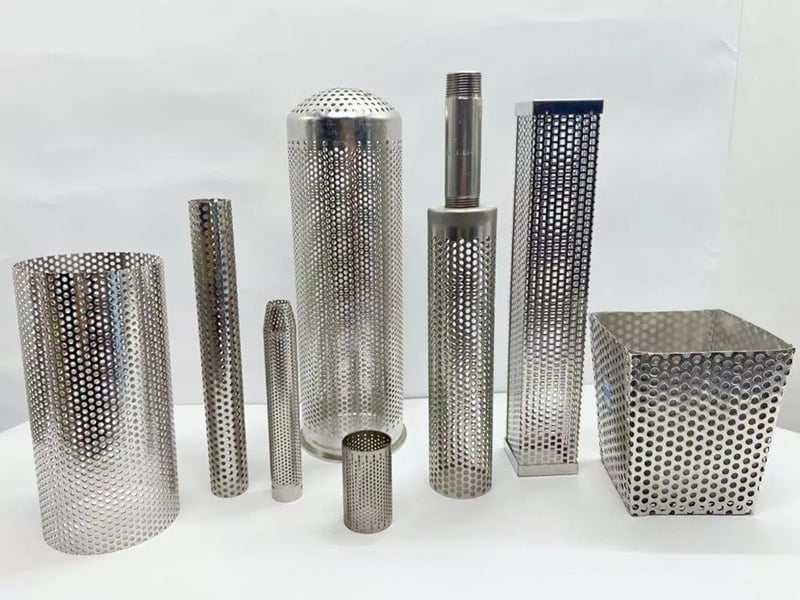
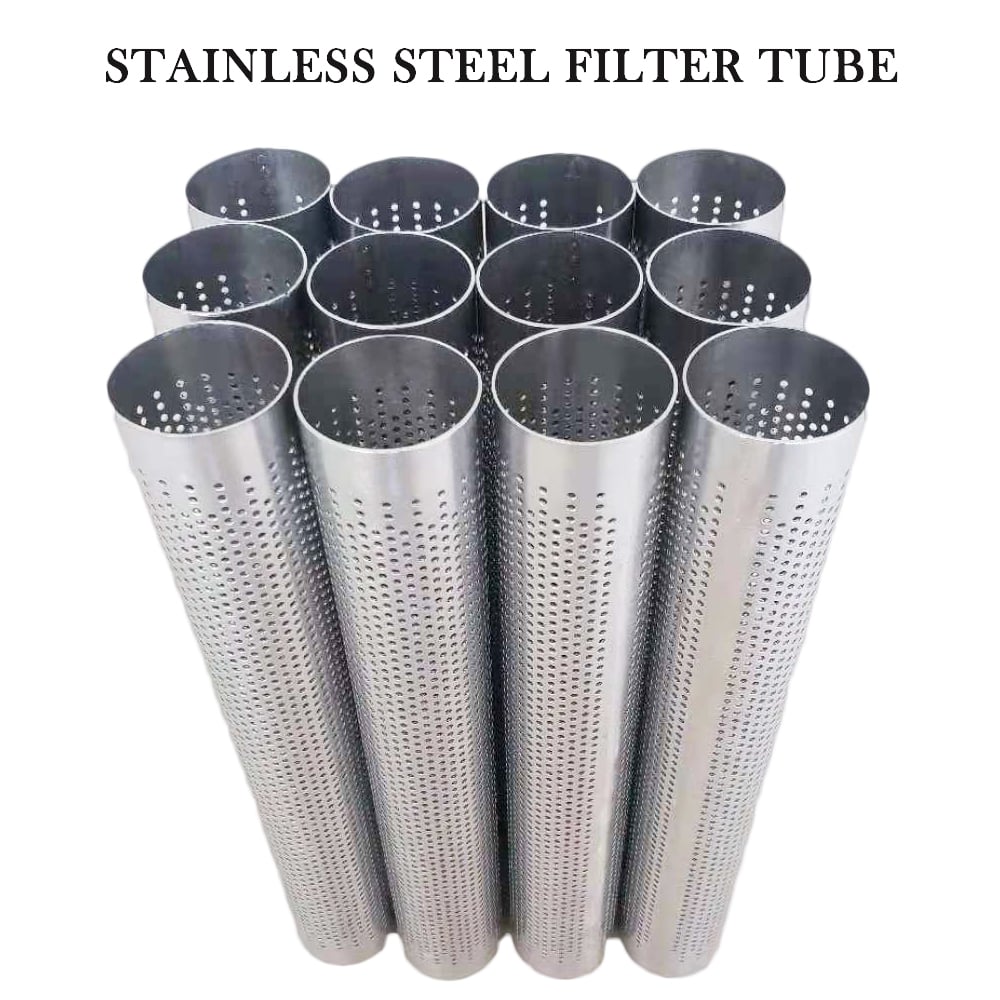
Perforated stainless steel filter tube bodies with longitudinal seams
Perforated tube bodies used alone or as support structures.

Filter Media and Support Structure

Woven wire mesh provides the filtration layer. Perforated metal can act as a coarse screen or rigid support. Coarse support mesh may provide drainage with less obstruction, while sintered mesh offers a bonded multilayer structure.

Support must be placed relative to the direction of differential pressure. State whether flow is inside-to-outside or outside-to-inside and whether backwashing is expected.

Material Selection

304 stainless steel

A common starting grade for general service where its corrosion resistance is sufficient.

316 / 316L

Often considered for chloride-bearing media, more demanding chemistry or welded construction.

Complete assembly

Specify media, support, end caps and fittings separately when they require different material control.

Review the 304 vs 316 stainless steel wire mesh guide before finalizing material requirements.

Ends, Connections and Fabrication

  • Open tube: cylindrical media supplied for integration into another assembly.
  • Closed end: mesh, perforated or machined end detail according to the drawing.
  • Flange or collar: used for location, mounting or sealing where dimensions are controlled.
  • Threaded fitting: specify thread standard, size, engagement and material.
  • Handles and frames: added for removal or equipment-specific handling.
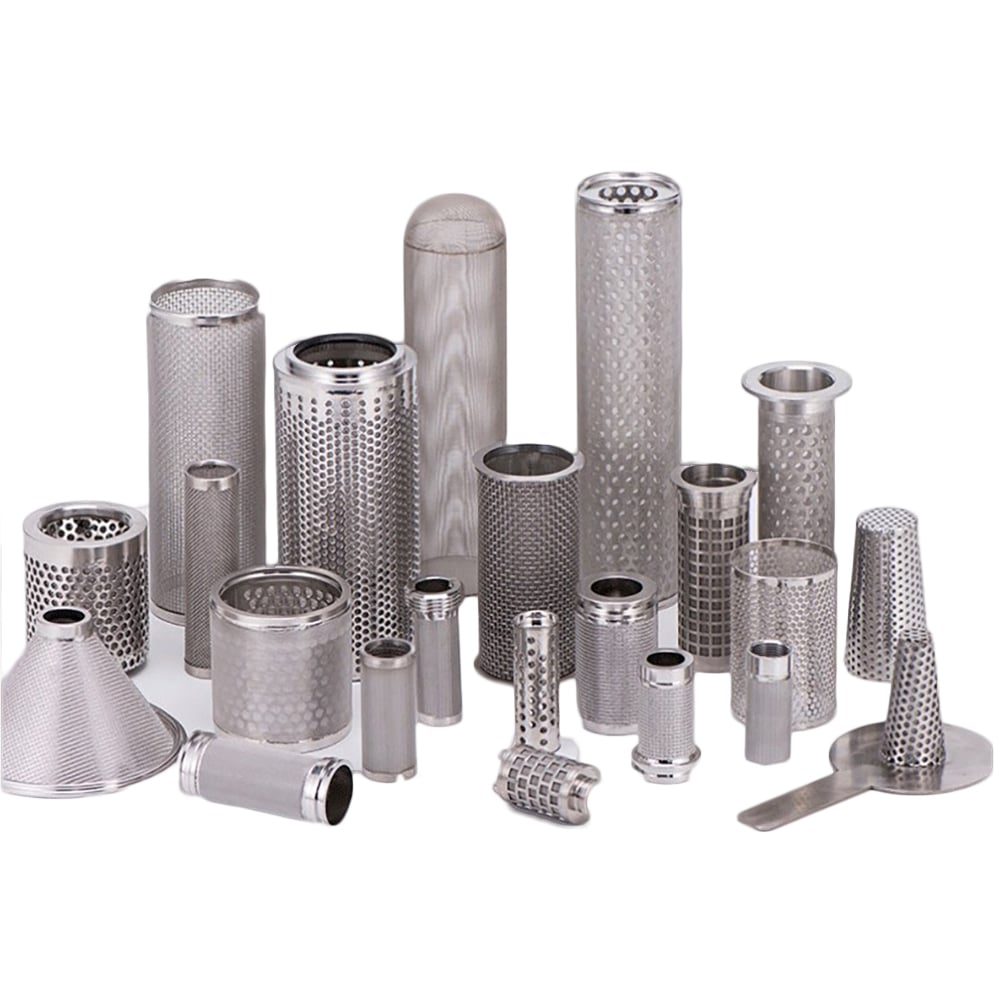
Stainless steel mesh cylinders with threaded, flanged and open-end configurations
Examples of cylindrical and drawing-specific end configurations.

Typical Industrial Functions

Liquid or gas filtration

Cylindrical media installed in process equipment for particle retention.

Strainer element

Rigid tube or basket-like component protecting downstream equipment from larger debris.

Support core

Perforated or expanded cylindrical support beneath fine mesh or pleated media.

Equipment-specific component

Drawing-based tube with mounting, sealing and removal features matched to the assembly.

For flat components, see custom stainless steel filter discs. For pleated filtration area, compare pleated filter cartridges.

Filter Tube Selection Workflow

1. Define the duty

Describe the medium, contaminants, flow direction and role of the tube.

2. Select the media

State weave, opening or rating and any required test basis.

3. Design the support

Match support position and open area to differential pressure and flow.

4. Detail the interfaces

Provide tube dimensions, seam, ends, fittings, seals and tolerances.

5. Send the complete RFQ

Include operating conditions, drawing, quantity and required documentation.

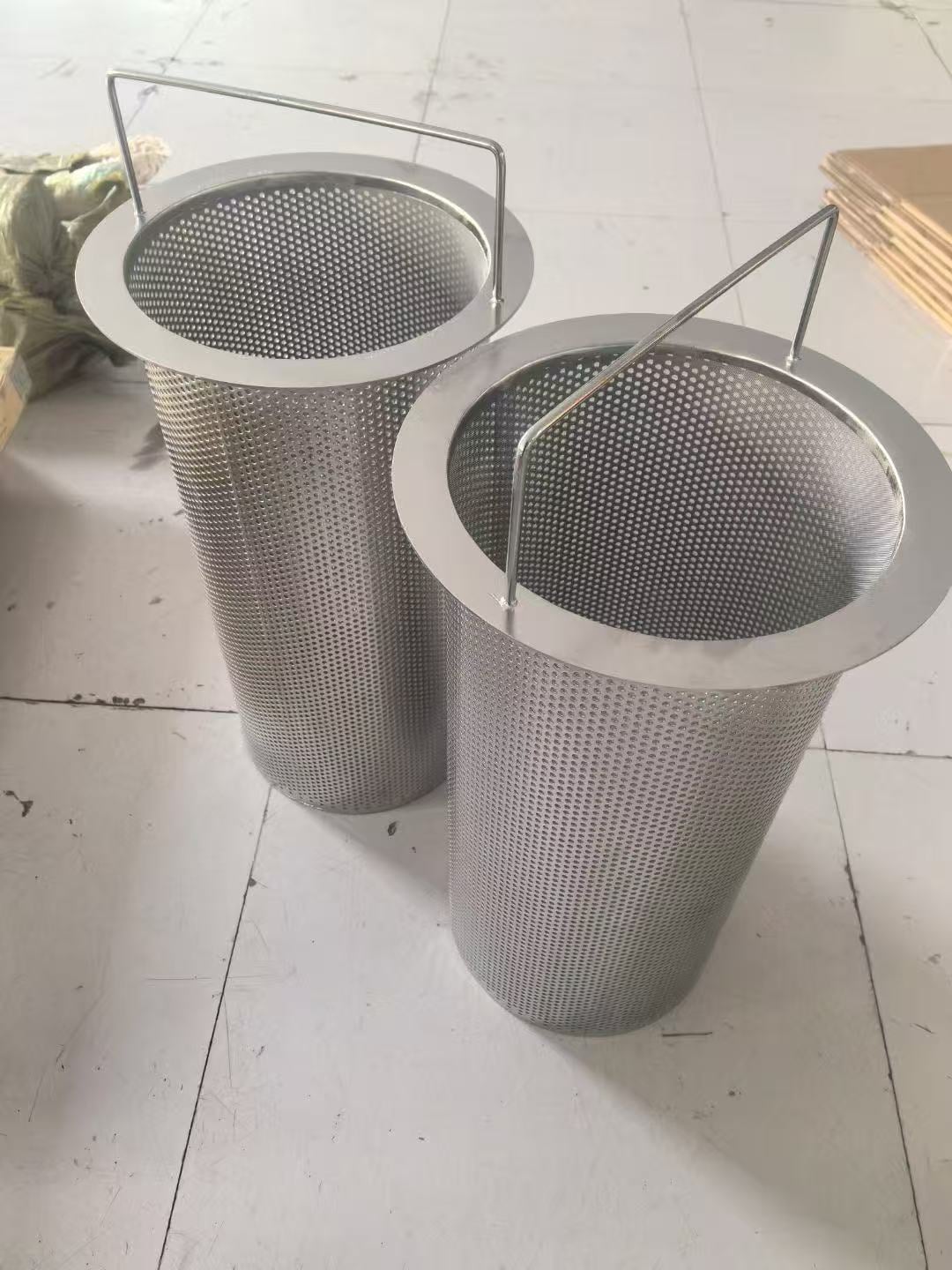
Flanged perforated stainless steel filter elements with lifting handles
Flanged cylindrical components with perforated bodies and lifting handles.

What to Send for Technical Review

  • Drawing with OD/ID, length and tolerances
  • Filter media, material and rating definition
  • Layer sequence, support side and flow direction
  • Seam and end connection details
  • Operating medium, temperature and differential pressure
  • Cleaning or backwash method
  • Quantity and explicitly required documents

If a parameter is unknown, describe the function and mating equipment rather than guessing.

Stainless Steel Filter Tube FAQ

A stainless steel filter tube is a cylindrical filtration or support component made from woven wire mesh, perforated metal, sintered mesh or a combination of these materials. Its media, support, seam and end connections are selected around the assembly and operating conditions.

Send the outside and inside diameter requirements, length, filtration media, mesh or rating, material grade, layer sequence, support direction, seam, end caps or fittings, tolerances, operating medium, temperature, differential pressure and quantity.
The terms often overlap in industrial searches. Both describe cylindrical filter components. The decisive details are the media, dimensions, support, seam, ends and installation method, so Maidong treats them as one main specification family rather than separate products based only on wording.

A perforated tube may provide structural support behind fine woven mesh or serve as a coarse screening component by itself. The need and hole pattern depend on load direction, open area, flow, pressure conditions and the complete assembly design.

For square woven mesh, state mesh count and wire diameter or nominal opening. For Dutch weave, sintered or multilayer media, state the construction and the required rating or test basis. Mesh count alone does not define every filtration result.

Drawing-based tubes can be reviewed with open or closed ends, flanges, collars, threaded fittings, handles and other interfaces. Provide the mating dimensions, weld details and critical tolerances rather than relying only on a reference photo.

Request a Filter Tube Drawing Review

Send the filtration requirement, media, diameter, length, support, seam, ends and operating conditions. Maidong can review a custom stainless steel filter tube or cylinder enquiry.