Pleated Stainless Steel Filter Cartridge for Industrial Oil Filtration
A pleated stainless steel filter cartridge places more metal filtration area inside a compact housing. Specify it from the oil duty, retention basis, flow and differential pressure—not from micron size alone.
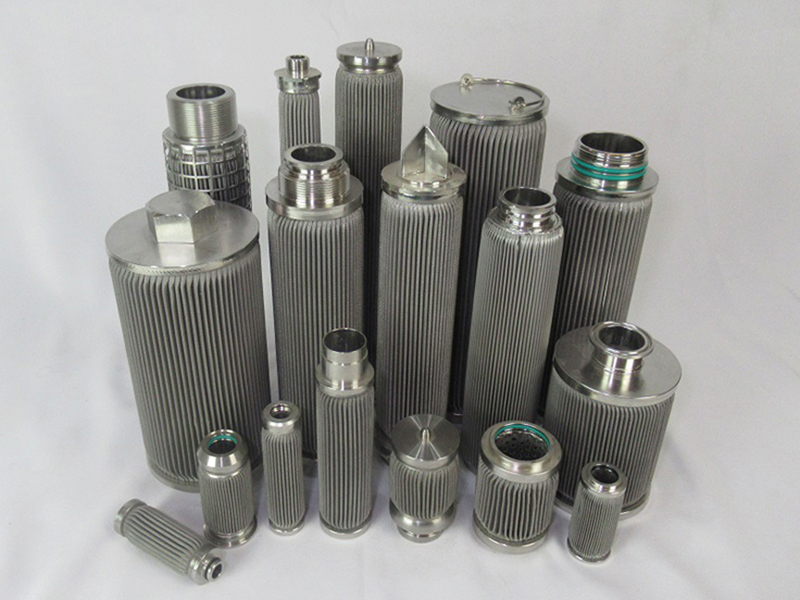
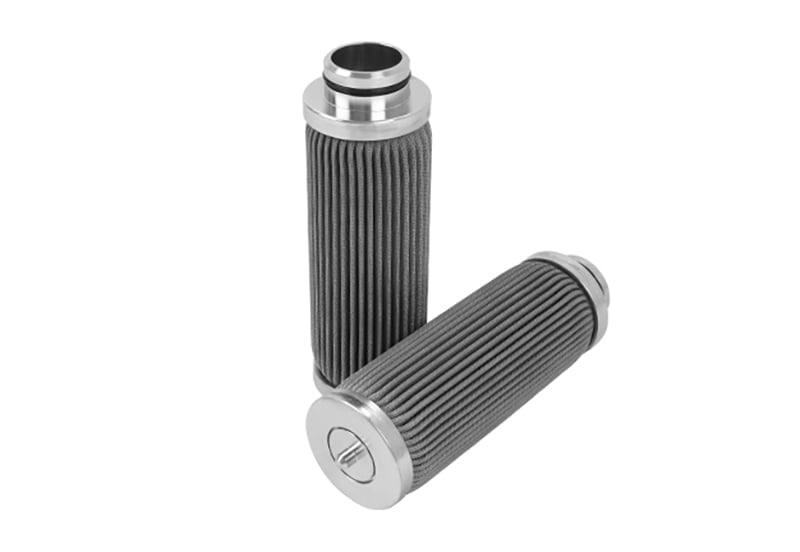
Real Maidong pleated cartridge examples showing different sizes and end interfaces.
What This Cartridge Does—and What Must Be Verified
Pleated wire mesh supports industrial oil, hydraulic and lubrication filtration where a metal element is appropriate. More pleated area can reduce face velocity at the same flow, but final flow, pressure drop, contaminant holding and cleaning performance require application-specific validation.
For the broader product family, see the pleated filter cartridge range. This page focuses on oil-duty selection and RFQ data.
Retention basis
State aperture, nominal or absolute rating and the test method behind it.
Hydraulic duty
Provide flow, viscosity, temperature and clean/maximum differential pressure.
Mechanical fit
Define OD, ID, length, seal groove, end style and critical tolerances.
Cleaning plan
State cleaning method, chemistry and replacement or acceptance criteria.
Use this checklist to compare quotations on the same technical basis.
RFQ field
What to provide
Selection impact
Fluid duty
Oil/fluid name, viscosity range, additives and temperature
Material, seal and pressure-drop review
Filtration target
Particle target, rating value and nominal/absolute/test basis
Media and layer selection
Hydraulics
Flow, clean pressure drop and maximum differential pressure
Area, pleat geometry and support
Envelope
OD, ID, length, tolerances and available housing space
Fit and effective media area
Interface
Threads, flange, open end, cap, seals and flow direction
Installation and bypass control
Service plan
Contamination, cleaning method, inspection and quantity
Construction and lifecycle criteria
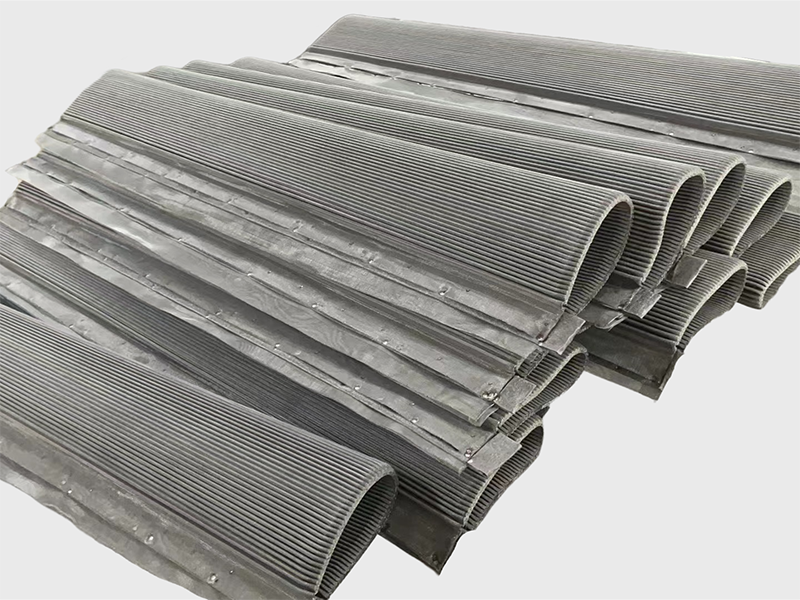
Pleated metal mesh media before assembly into a cylindrical filter cartridge.
Typical Pleated Metal Cartridge Construction
A cartridge may combine an outer protective layer, pleated filtration media, drainage or support mesh, a perforated or expanded core, end fittings and seals. Layer order and flow direction must be stated on the drawing.
Outer protection
Helps protect pleats during handling and service.
Pleated media
Provides the selected filtration geometry and increased area.
Support and core
Resists deformation under differential pressure.
Ends and seals
Match the housing interface and bypass requirements.
Filtration Rating: Mesh, Micron and Test Basis
Mesh count is not a standalone micron rating. For square woven mesh, wire diameter changes the actual aperture; use the mesh-to-micron calculator as a geometric reference. For Dutch weave or multilayer media, request media-specific retention data. Always identify whether the requested value is an opening, a nominal rating or an absolute rating and how it was measured.
Square woven mesh
Specify mesh count plus wire diameter or direct aperture.
Dutch weave media
Specify weave construction and rating/test basis.
Multilayer media
Define each layer and the controlling filtration layer.
System target
Relate media rating to the particles and downstream protection need.
Materials, Seals and End Connections
304, 316 and 316L stainless steel are common enquiry alloys; selection depends on the real oil, additives, water content, temperature and cleaning chemistry. Compare the material considerations in the 304 vs 316 stainless steel mesh guide.
End interfaces may include open ends, threaded fittings, flanges, caps or drawing-specific features. Seal material cannot be selected from temperature alone; provide the complete fluid exposure and housing interface.
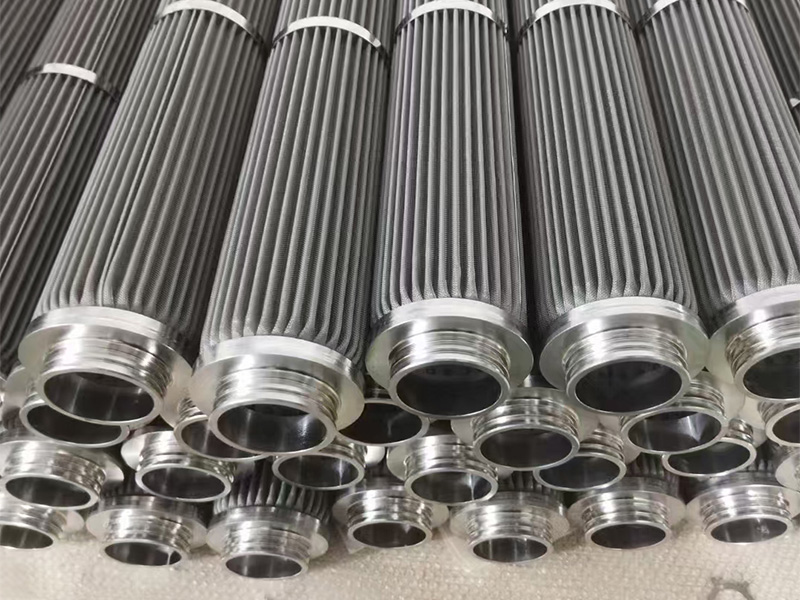
Pleated cartridges with multiple diameters and threaded interface details.
Industrial Oil Filtration Applications
Hydraulic oil circuits
Protect components where the defined fluid, pressure and contamination duty suit metal media.
Lubrication systems
Filter recirculating lubricant using a cartridge matched to viscosity and temperature.
Process oil filtration
Remove specified solids from compatible process oils before downstream operations.
Equipment protection
Install upstream of sensitive passages, valves or nozzles when the system design requires it.
Real Maidong Pleated Cartridge Examples
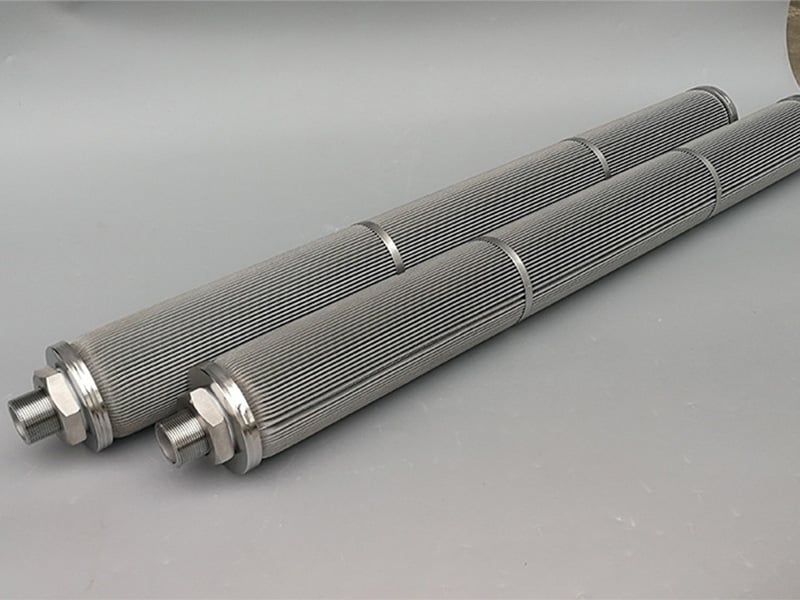
Long-format pleated metal filter elements with drawing-defined threaded connections.
Long threaded elements
Compact pleated stainless steel cartridge configuration with formed end fittings.
Compact cartridge format
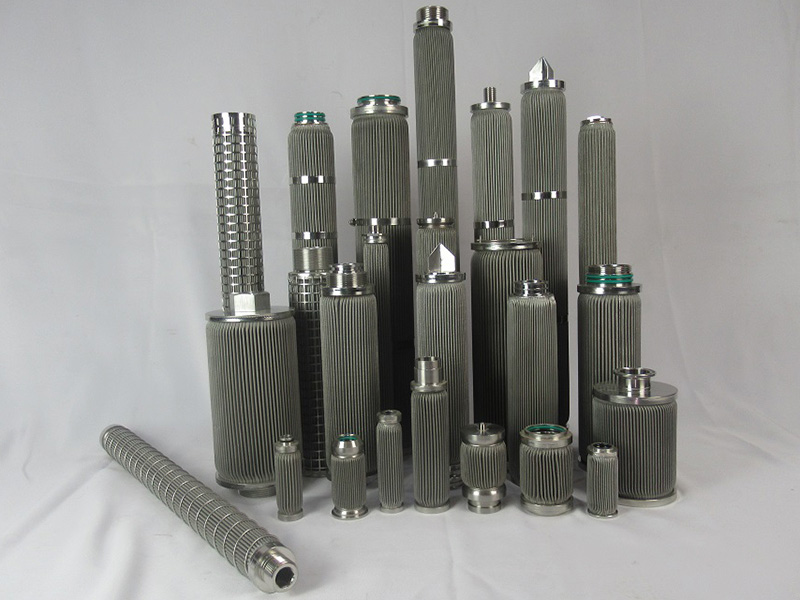
Real examples illustrating different lengths, supports, seals and end geometries.
Custom sizes and ends
These real product images illustrate available construction concepts, not fixed catalogue specifications. Final media, dimensions, seals and interfaces must follow the approved drawing and RFQ.
How to Select a Pleated Stainless Steel Oil Filter
1. Define the oil duty
Identify fluid, additives, viscosity and temperature range.
2. Define particle control
State the required rating and its test basis.
3. Add hydraulic data
Provide flow and clean/maximum differential pressure.
4. Confirm the interface
Send housing dimensions, ends, seals and flow direction.
5. Define acceptance
Include drawing revision, cleaning, inspection and quantity.
Real Maidong pleated cartridge examples showing different sizes and end interfaces.
Prepare a Complete RFQ
Send a drawing plus the fluid, viscosity, temperature, retention basis, flow, differential pressure, media construction, dimensions, end connection, seal, cleaning method and quantity. If your requirement is a simpler cylindrical screen rather than a pleated element, compare the stainless steel filter tube page.
It is a reusable or cleanable metal filter element in which stainless steel filtration media is folded to increase effective area within a compact cartridge. Its performance depends on the complete media construction, support, dimensions, seals and operating duty.
No. For square woven mesh, aperture depends on both mesh count and wire diameter. Dutch weave and multilayer media require construction-specific retention data and a stated test basis.
Provide the oil or fluid, viscosity and temperature range, required retention basis, clean and maximum differential pressure, flow target, contamination type, dimensions, end connection, seal material, cleaning method and quantity.
Pleating can place more media area inside a given envelope. It does not by itself guarantee a particular flow, dirt capacity or service life; those values depend on media geometry, support, fluid and operating conditions.
304, 316 and 316L are common enquiry materials. Final selection must consider the actual fluid, additives, temperature, cleaning chemistry and corrosion conditions.
Drawing-based dimensions, end fittings, support layers and joining requirements can be reviewed. Include the drawing revision and all critical tolerances in the RFQ.
Request an Oil Filter Cartridge Quotation
Send the application data and drawing so the media, support, dimensions, ends and seals can be reviewed together.