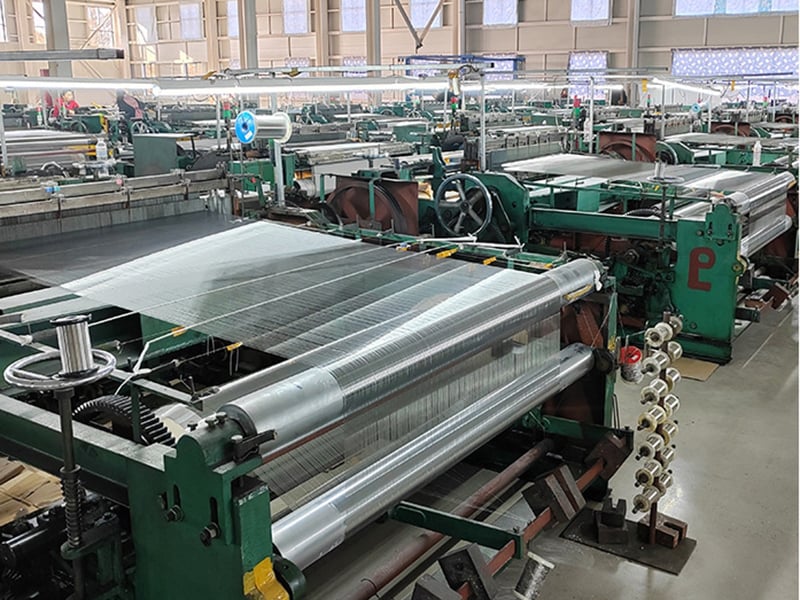
Stainless steel filter mesh should be selected from the required particle retention, flow, pressure, cleaning and fabrication conditions. Mesh count alone is not enough: define the weave, wire geometry, aperture or rating basis, alloy and support structure.
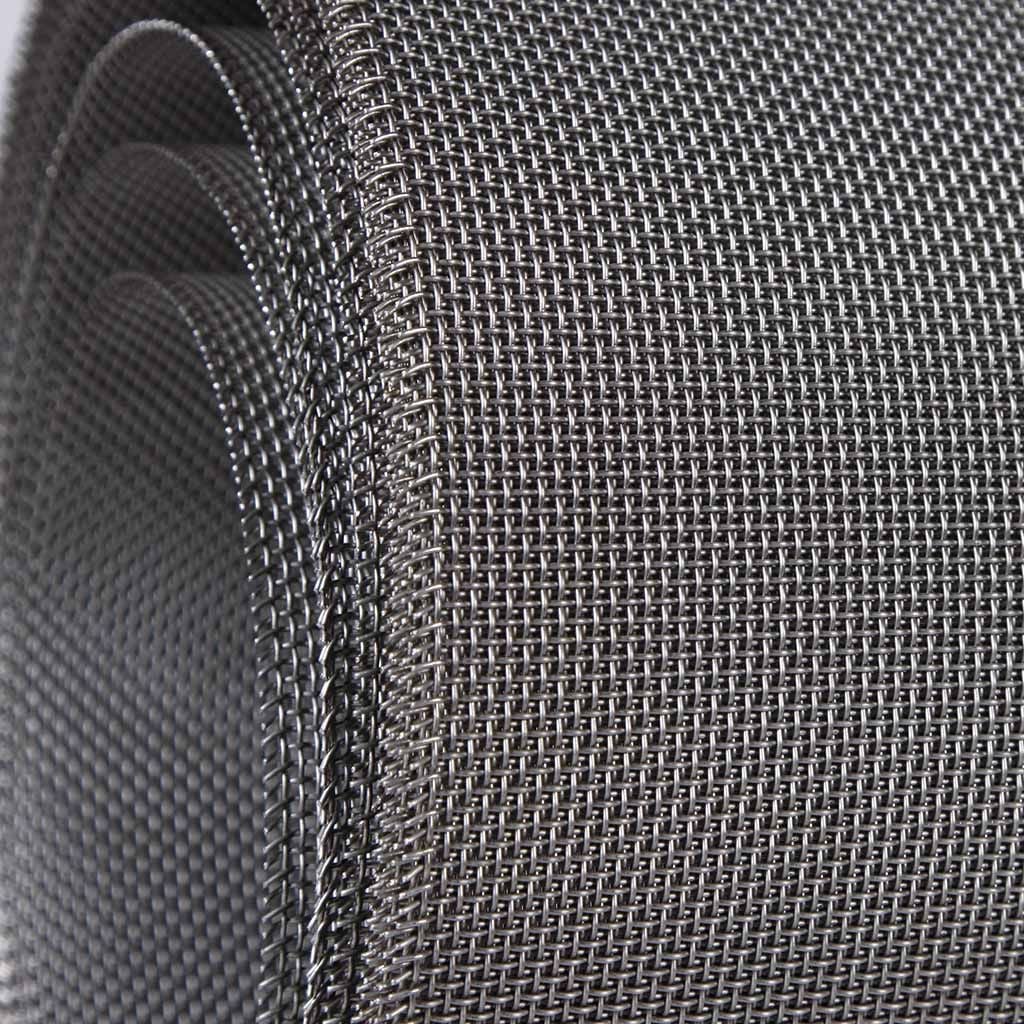
Woven stainless steel mesh media for industrial filtration specification.
Choose the Pore Structure Before the Finished Shape
This page focuses on stainless steel mesh as a filtration medium. For the broader raw-material range, see stainless steel wire mesh. Once the media is defined, it can be reviewed for rolls, cut pieces or fabricated filter elements.
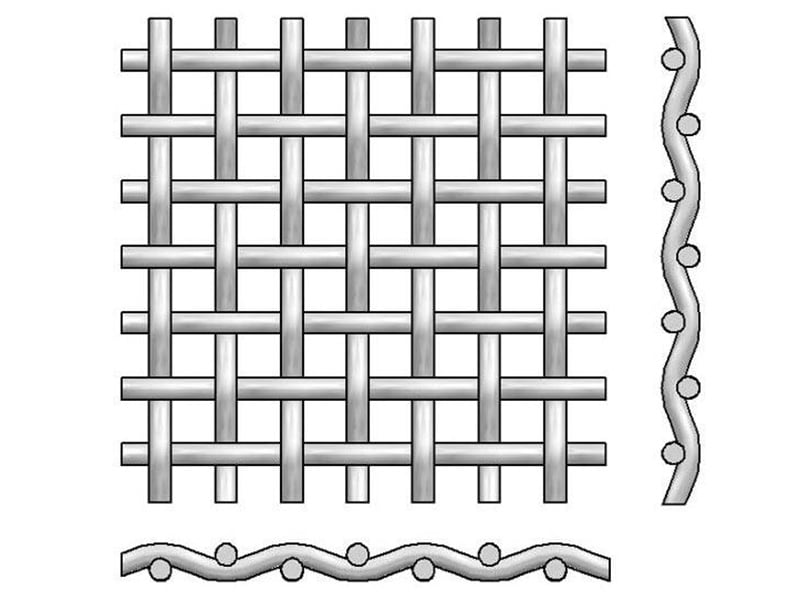
Square woven mesh
Direct openings calculated from mesh count and wire diameter.
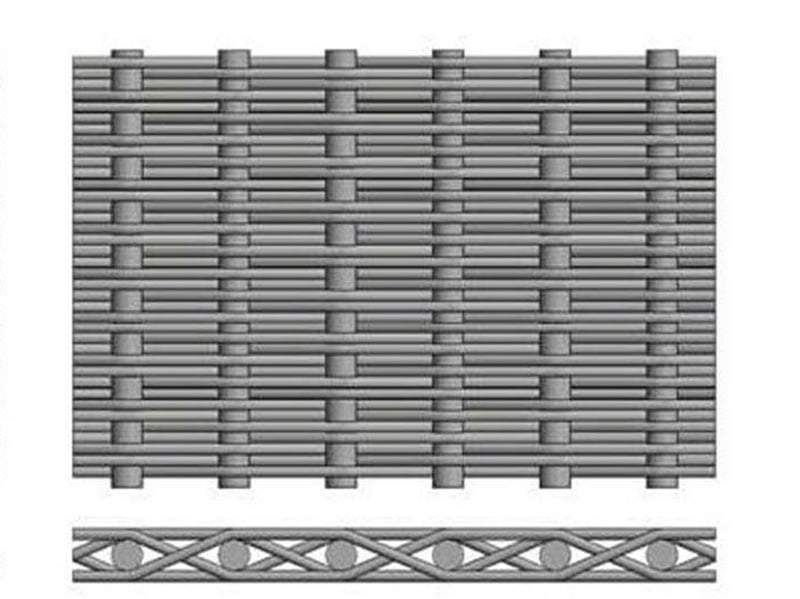
Dutch weave mesh
Dense warp and weft arrangement that creates an indirect pore path.
Supported media
Fine filtration layer combined with coarse mesh or perforated support.
Filter Mesh Specification Checklist
Use the complete filtration and mechanical specification when comparing media or requesting a quotation.
Selection field
What to specify
Engineering reason
Retention target
Particle size and nominal/absolute/test basis
Prevents an undefined micron number
Media geometry
Weave, mesh count, wire diameter, aperture or pore data
Defines the actual pore structure
Flow conditions
Medium, viscosity, flow direction and acceptable pressure drop
Links media choice to system performance
Mechanical load
Normal/maximum differential pressure and cleaning load
Determines whether support is required
Material
Alloy and process chemistry
Must suit medium, temperature and cleaning
Finished form
Roll, disc, tube, basket, cone or screen pack drawing
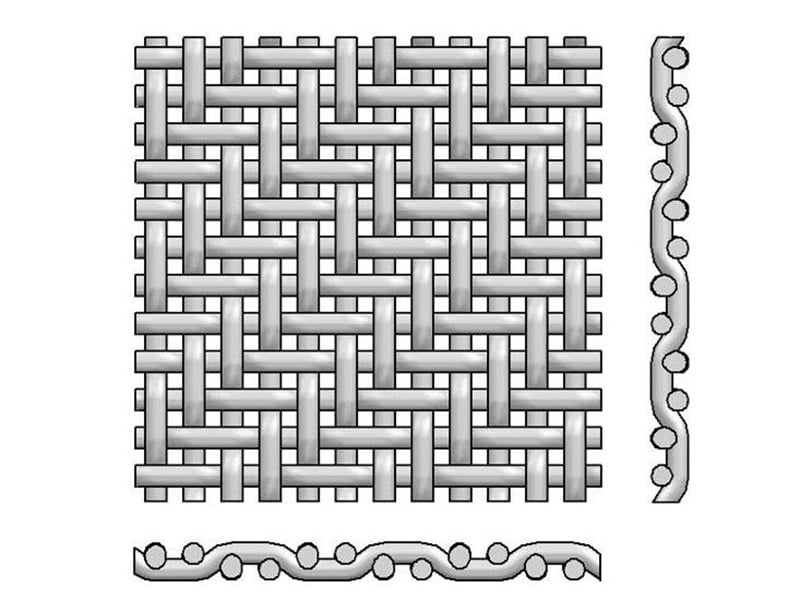
Twill weave construction for selected fine-wire specifications.
Plain and twill constructions
Plain weave provides directly measurable square openings. Twill weave changes the wire path and can suit selected fine-wire combinations. In both cases, nominal opening depends on mesh count and wire diameter.
Dutch weave uses different warp and weft wire arrangements to create a dense, indirect pore path. Do not apply the square-mesh aperture formula to Dutch weave. Specify the construction, filtration basis, flow direction and required support.
Review the dedicated Dutch weave mesh product page for structure options.
Twill Dutch weave uses a dense indirect pore path.
Materials and Support Structure
304 stainless steel
A common starting material for general industrial conditions when compatibility is adequate.
316 / 316L
Often reviewed when chlorides, process chemistry or welding conditions require it.
Support layers
Coarse mesh or perforated metal can protect fine media against load and handling.
Compare the 304 vs 316 selection guide. Material compatibility must be confirmed for the actual process.
Wire geometry and weave determine the final filter-media structure.
It is woven metal media used to retain particles while allowing a liquid or gas to pass. Its filtration behaviour depends on weave, wire geometry, pore structure, support and the definition used for the stated rating.
No. For square mesh, nominal aperture is calculated from mesh count and wire diameter. Dutch weave and other dense constructions require construction-specific pore or filtration data.
Square plain or twill weave may be used where a defined geometric opening is required. Dutch weave creates an indirect pore path for finer filtration. The choice depends on retention, flow, pressure and cleaning.
Support should be reviewed when differential pressure, handling, forming or cleaning could deform the fine media. Coarse mesh or perforated metal can provide support when the layer sequence and flow direction are defined.
A drawing can be reviewed for discs, tubes, cylinders, baskets, cones and multilayer screen packs. Include dimensions, layers, edges, seams and operating conditions.
Provide weave or media construction, mesh count and wire diameter or rating basis, alloy, dimensions, support, flow direction, medium, temperature, differential pressure, cleaning and quantity.
Request a Filter Media Review
Send the filtration target, media geometry, alloy, support, finished form and operating conditions for a drawing-based review.