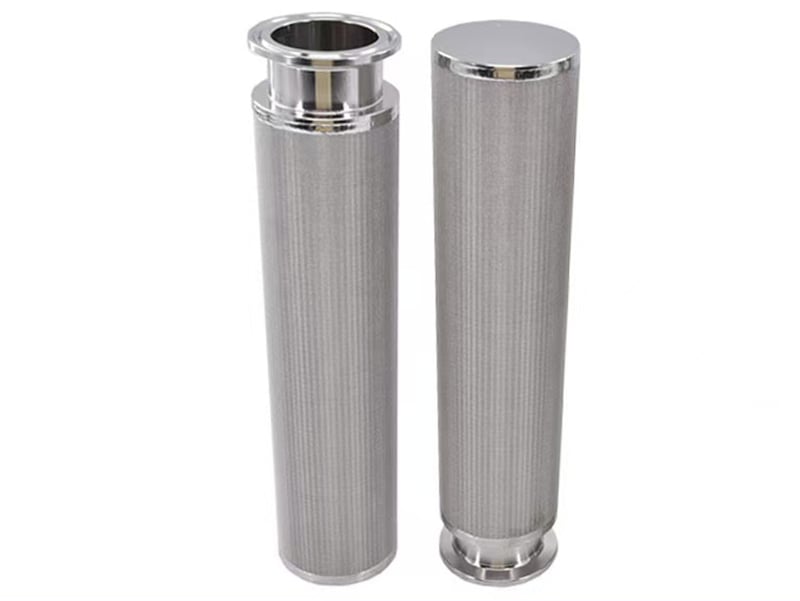
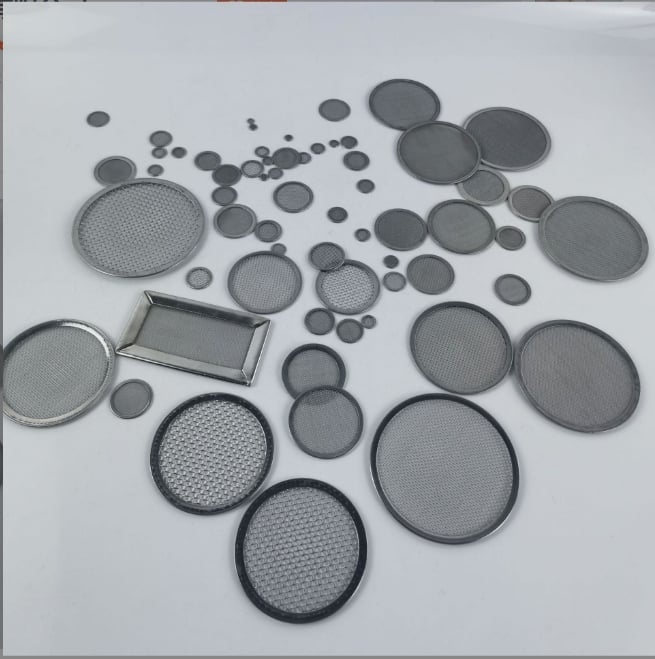
Micron rating and permeability answer different questions. A micron value describes a retention claim or pore/opening characteristic under a stated definition; permeability describes fluid passage through a defined medium under stated test conditions. Equal micron numbers do not guarantee equal flow or clean pressure drop.
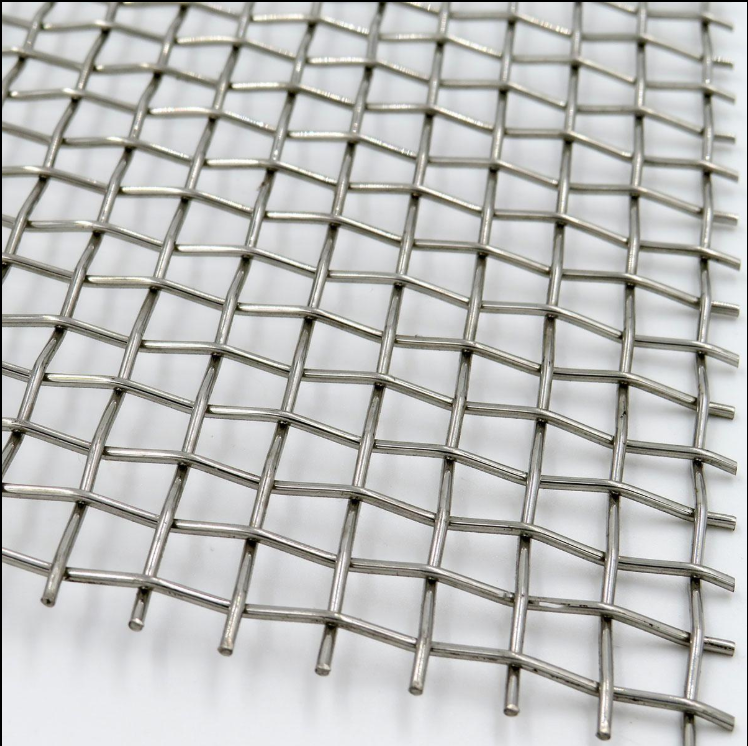
Square woven mesh illustrates how opening and wire diameter both affect the available flow path.
Direct Answer: One Number Cannot Describe Both Retention and Flow
Micron rating
Requires a geometric, nominal, absolute, pore-size or named test definition.
Permeability
Requires a medium, fluid and test method that describe passage through the porous structure.
Clean pressure drop
Requires fluid, viscosity/temperature, flow, area and clean element configuration.
Loaded performance
Also changes with particles, deposit structure, time, cleaning and possible bypass.
Micron Rating and Permeability Comparison Matrix
Comparable data requires aligned definitions and test conditions. A supplier table using a different fluid, sample area or media state should not be treated as directly equivalent.
Comparison field
Retention question
Flow question
Buyer action
Definition
What does the micron number mean?
What permeability or pressure-drop method is used?
Name both definitions
Media
Opening, pore path, efficiency and tolerance
Weave, wire, thickness, layers and tortuosity
Record complete construction
Test fluid
Challenge suspension and particle basis
Fluid, viscosity, temperature and condition
Compare on the same basis
Flow condition
Flow used during the retention test
Volumetric flow or face velocity and direction
State area and velocity
Sample
Media or finished element and clean/loaded state
Area, thickness, support and fixture
Do not mix media and element data
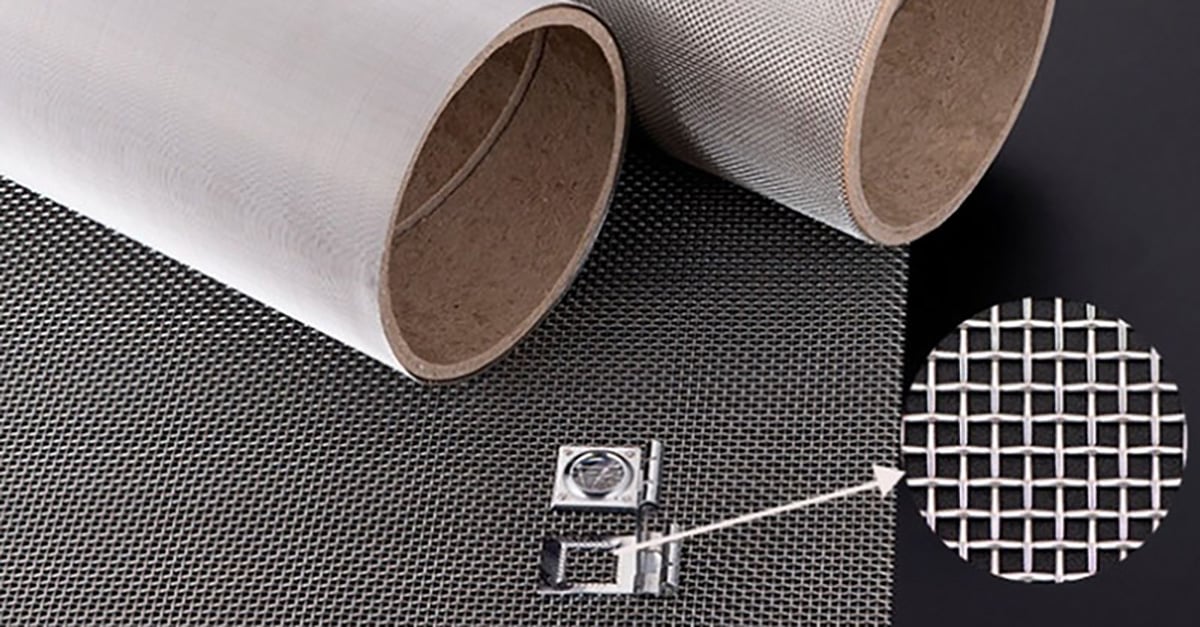
A measurable mesh specification includes aperture, wire diameter, weave and tolerances.
Square Woven Mesh: Opening and Wire Diameter Both Matter
Square woven mesh has a measurable aperture, but two meshes with a similar aperture can use different wire diameters and open-area percentages. Thickness, weave tolerance and any adjacent support also influence the flow path.
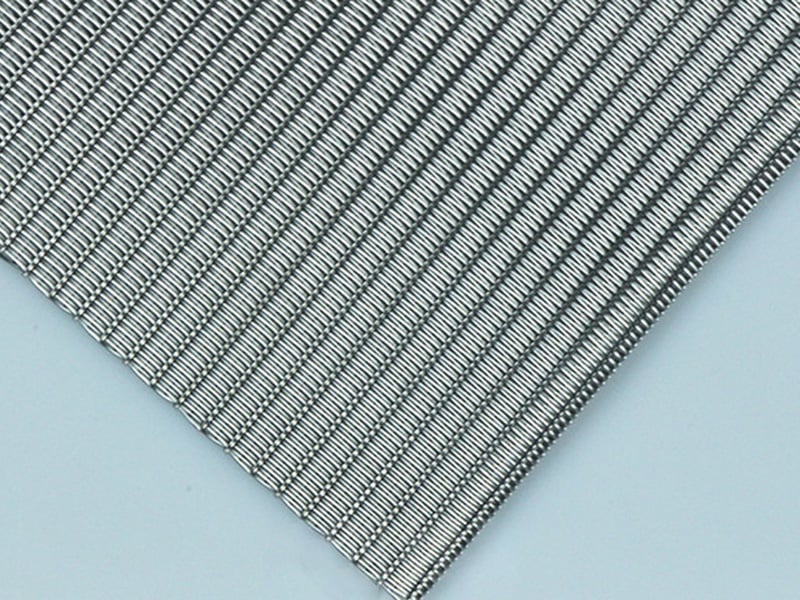
Dutch Weave: Indirect Pore Path Requires Construction Data
Dutch weave uses unequal warp and weft systems to create a dense indirect route. Warp × weft counts alone do not define pore size or permeability. Include both wire diameters, weave type, material and the named rating and permeability basis.
Dutch weave uses an indirect pore path and cannot be compared by a simple square-opening formula.
Why Equal Micron Values Can Produce Different Flow Resistance
Pore geometry
Direct opening, indirect path, fiber network or bonded multilayer structure.
Thickness and path length
Longer or more tortuous paths can increase resistance.
Layer stack
Protection, drainage and support layers add contact and flow-path effects.
Element geometry
Active area, pleating, solid edges, seams and support masking change face velocity.
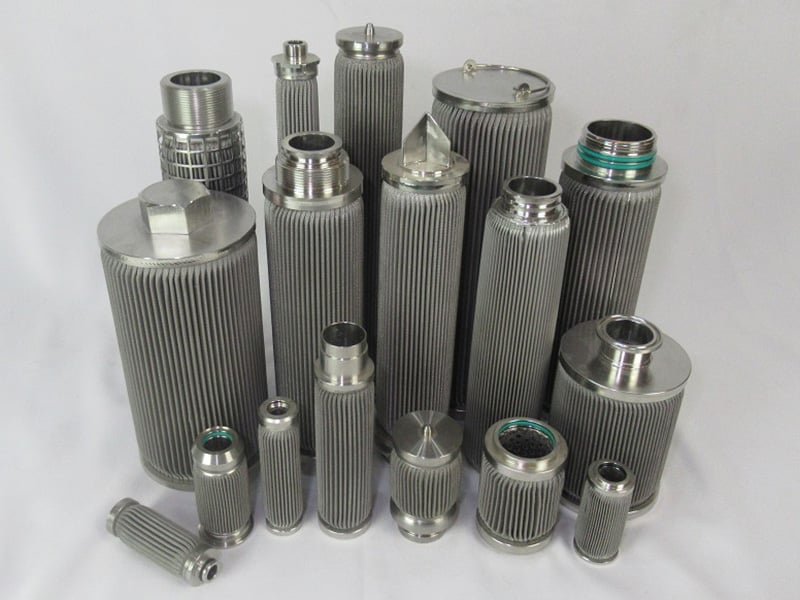
Pleated geometry adds developed media area, while fold spacing and supports still influence the flow path.
Pleated area inside a cartridge envelope
Bonded porous structures require construction-specific permeability and rating data.
Bonded porous cylindrical structure
Compare pleated and bonded structures using the pleated vs sintered cartridge guide. Neither category has a universal pressure-drop advantage.
Media Data vs Finished-Element Data
Finished elements add support, seams and sealing boundaries beyond the media sample.
The complete assembly can change the measurement
A flat media coupon excludes the blocked area, seams, ends, seals, support contact and flow distribution of a finished component. Record whether the value comes from raw media, a sample holder or the complete element.
No. Micron rating describes a retention claim or pore/opening characteristic under a stated definition. Permeability describes how readily fluid passes through a medium under defined conditions. One cannot be calculated reliably from the other without construction and test data.
Yes. They may use different rating definitions, pore geometry, thickness, wire diameter, weave, layer stacks, porosity or permeability. Area, fluid viscosity, face velocity and test configuration can further change measured pressure drop.
Use the same fluid or a defined reference fluid, temperature and viscosity, clean media condition, sample area and thickness, flow or face velocity, pressure measurement method and flow direction.
Not automatically. Open-area percentage is useful for direct-opening media, but pore length, tortuosity, thickness, layers, support contact and weave geometry also influence flow resistance.
Provide the complete warp-by-weft construction, both wire diameters, weave type, material and the permeability or clean-pressure-drop test basis. Do not convert the two mesh counts directly into a square aperture.
State retention definition and test, complete media construction, reference fluid, viscosity and temperature, sample or element area, flow or face velocity, clean pressure drop or permeability method, flow direction and acceptance criteria.
Request a Comparable Filter Media Review
Send the retention definition, complete media construction, reference fluid, temperature and viscosity, sample or element area, flow or face velocity, clean pressure-drop method and required acceptance data.