A Dutch weave specification should state the weave type, warp × weft wire counts, warp × weft wire diameters, material and filtration-rating basis. A notation such as 24 × 110 identifies two directional counts, but it is not a complete purchasing specification.
A complete Dutch weave roll specification requires more than the two mesh-count numbers.
Direct Answer: Read the Specification in Five Parts
1. Weave type
Plain Dutch, twill Dutch or reverse Dutch.
2. Warp × weft count
Number of wires in each stated direction and unit.
3. Warp × weft wire
Diameter of each wire system in a stated unit.
4. Material
Required alloy or material standard.
5. Performance basis
Filtration rating, pore or permeability value with method.
Supply details
Width, length, tolerances, quantity and edge/handling needs.
How to Interpret Common Dutch Weave Notation
The examples explain notation only. They are not a universal stock list and do not replace the exact wire diameters and agreed technical data.
Mobile: swipe sideways to view every column.
Notation element
What it means
What it does not prove
24 × 110
Two directional wire counts
Wire diameters, micron rating or permeability
165 × 1400
A denser warp-by-weft construction identifier
A universal pore size without construction data
325 × 2300
Warp and weft counts for a fine Dutch weave construction
Complete product equivalence between suppliers
400 × 2800
Warp and weft counts for another dense construction
Rating method, tolerance or delivered roll data
Warp and weft directions can use different counts and wire diameters.
Warp and Weft Must Stay in the Correct Order
The warp direction normally follows the length of the roll; the weft wires cross it. Always confirm the supplier’s notation order and unit instead of assuming that the larger count appears first. If the two wire diameters differ, write them in the same directional order as the counts.
A clear format is: weave type — warp count × weft count — warp wire × weft wire — material.
Why Mesh Count Alone Cannot Give the Micron Rating
Dutch weave does not present a simple square opening. Its dense warp/weft geometry creates a tortuous, indirect path, so the square-mesh formula cannot convert the two counts into an accurate micron rating. Filtration data should name the efficiency or test method behind the value.
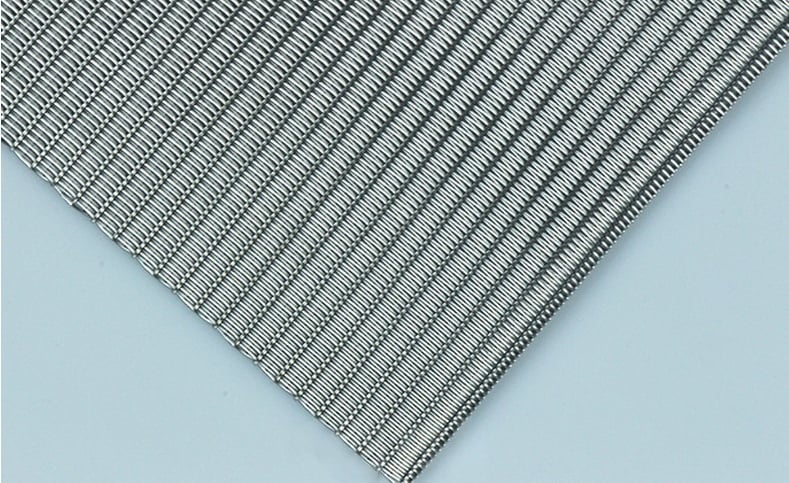
Wire geometry and weave pattern must accompany the warp-by-weft count.
Add Rating, Permeability and Acceptance Data
Two meshes with similar count notation should not be treated as equivalent unless wire diameters, weave, material and relevant performance data also match. Where performance matters, state the filtration-rating method, permitted tolerance and permeability or flow-test conditions.
Do not describe a Dutch weave product using only a marketing micron number. Record the source and method of the value in the approved specification.
Visual Examples of Dense Dutch Weave Structures
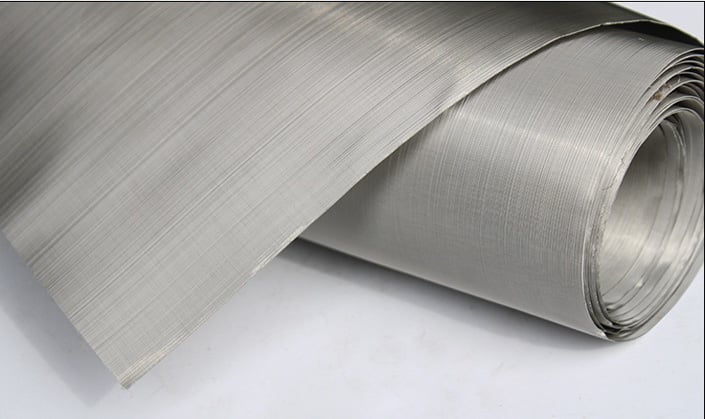
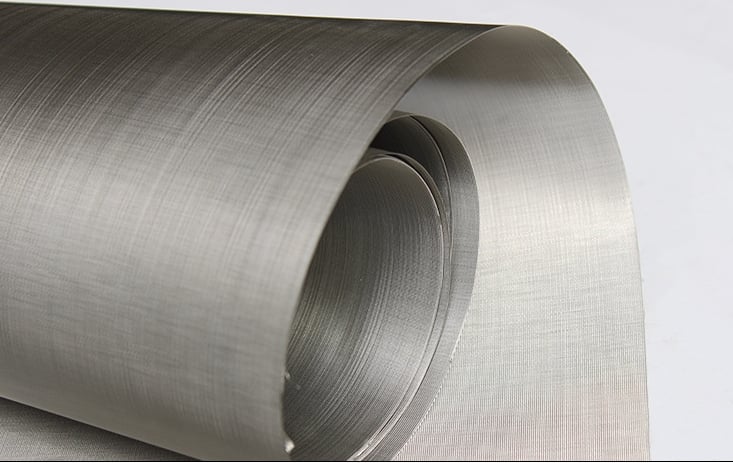
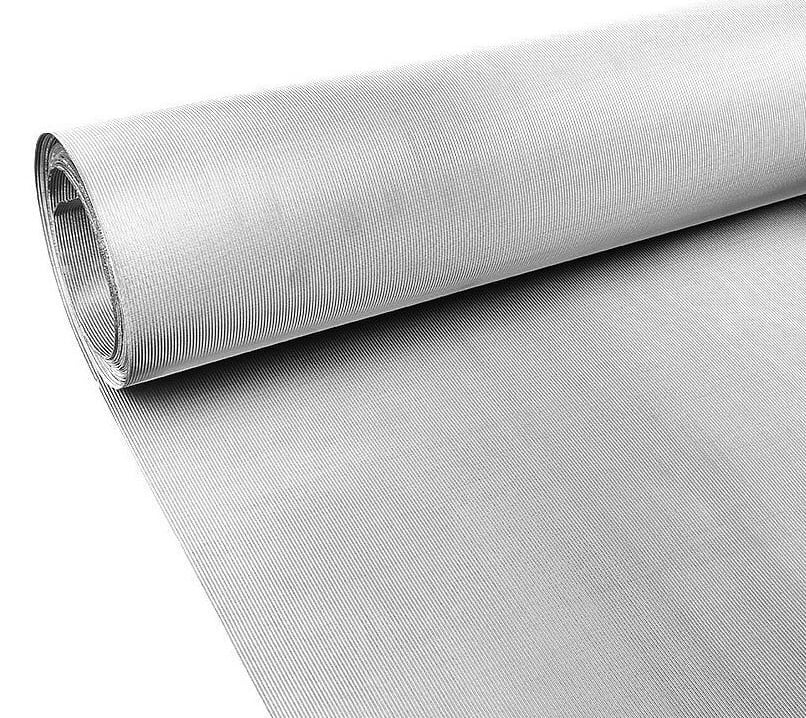
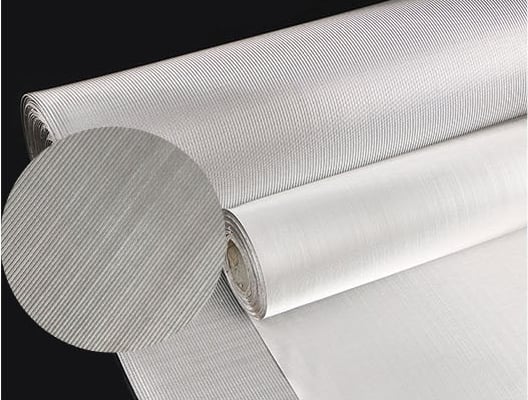
These real Maidong mesh images show roll and surface differences. A photograph helps identify construction and handling condition, but it cannot replace measured wire and performance data.
A complete Dutch weave roll specification requires more than the two mesh-count numbers.
Dense mesh rolls
Construction-specific data is needed to compare dense filter meshes.
Roll surface comparison
Wire geometry and weave pattern must accompany the warp-by-weft count.
Wire structure detail
Dutch Weave Mesh RFQ Format
Mobile: swipe sideways to view every column.
RFQ line
Recommended entry
Construction
Weave type + warp count × weft count
Wire data
Warp diameter × weft diameter with unit
Material
Required grade/standard and any documentation
Filtration data
Rating/pore value, efficiency and named test basis
They identify different wire counts in the warp and weft directions. They do not by themselves define both wire diameters, pore size, permeability or filtration performance.
No. The square-weave aperture formula does not describe the indirect pore geometry of Dutch weave. Use construction-specific rating or pore data with its stated test method.
No. They identify warp-by-weft counts, but procurement should also state both wire diameters, weave type, material, width, length, rating basis and acceptance requirements.
All require warp and weft information, but their wire arrangement and orientation differ. Reverse Dutch weave also reverses the usual relationship between the coarse and fine wire systems, so the weave type must be named explicitly.
Include weave type, warp × weft count, warp × weft wire diameters, material, filtration rating and test basis, permeability requirement if applicable, roll dimensions, tolerances, quantity and intended process conditions.
Need Help Checking a Dutch Weave Specification?
Send the weave name, warp/weft counts, both wire diameters, material, rating basis, roll dimensions, process conditions and quantity.