
Wire Mesh Filters for Food and Beverage Processing

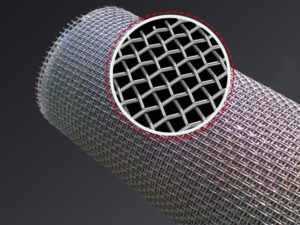
stainless steel wire mesh filter for beverage filtration
PROCESS FILTRATION SELECTION GUIDE

Wire Mesh Filters for Food and Beverage Processes

A wire mesh filter for a food or beverage process must be specified from the product, particle target, material documentation, filtration basis, temperature, flow, pressure, cleaning method, geometry and equipment interface. Stainless steel alone does not establish food-contact or hygienic compliance.

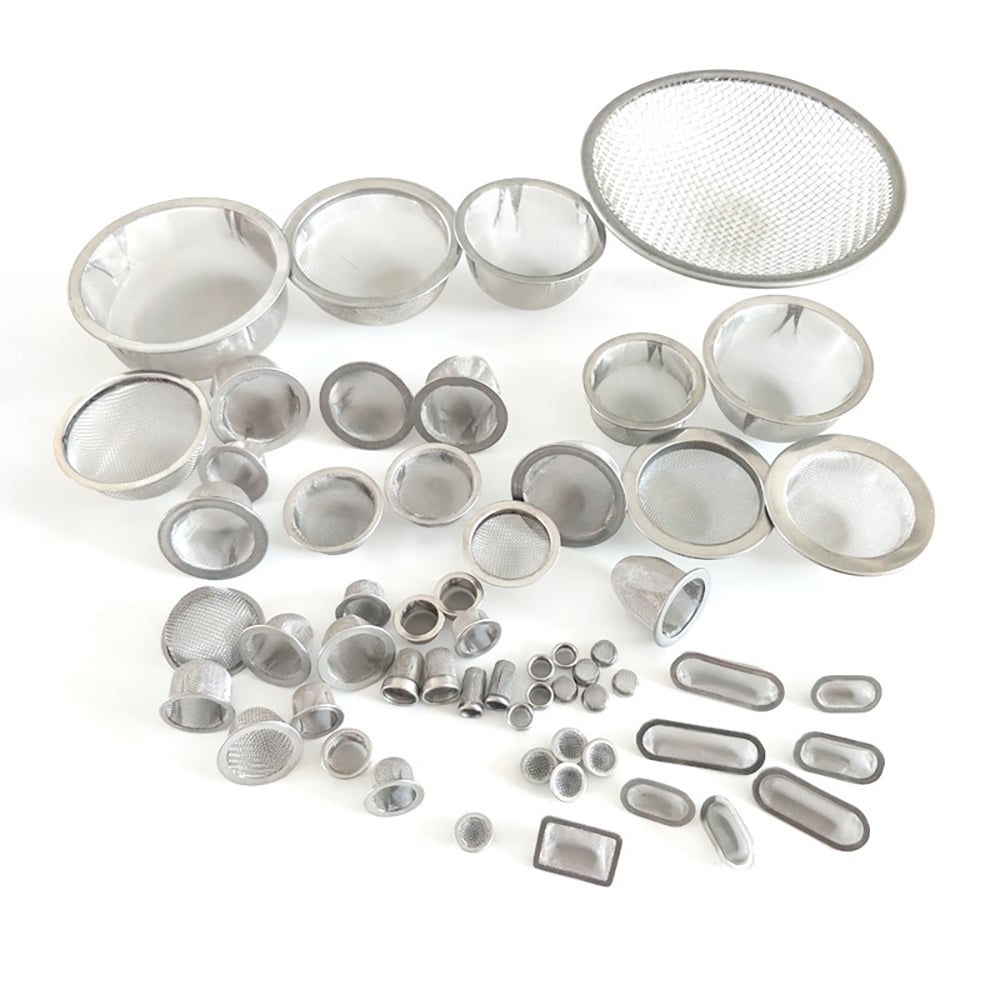
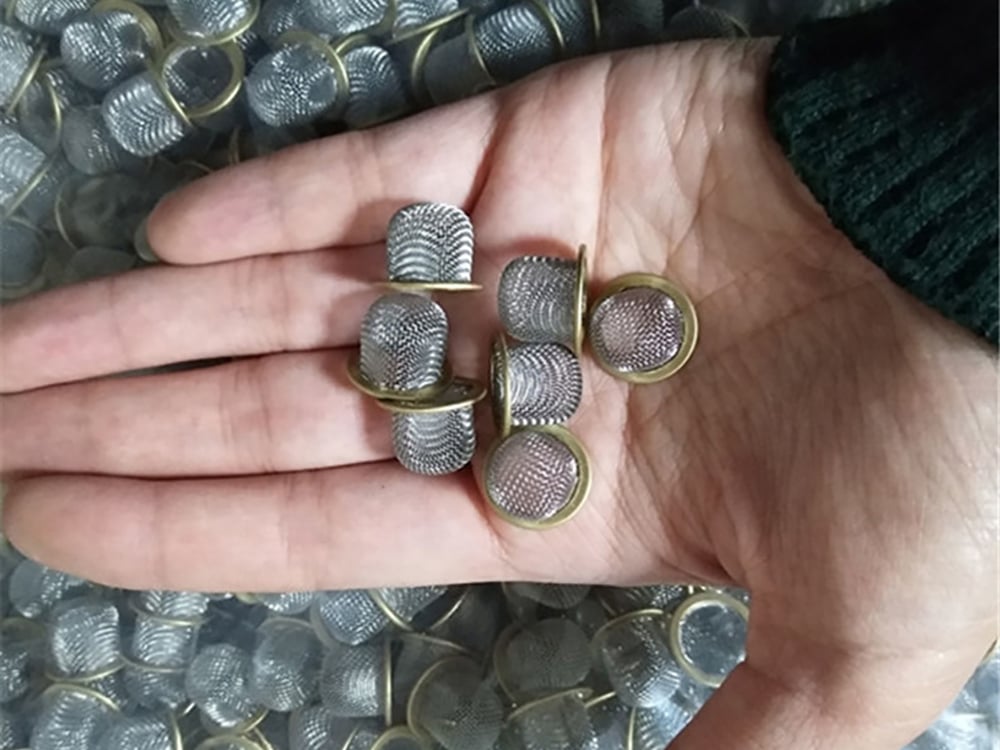
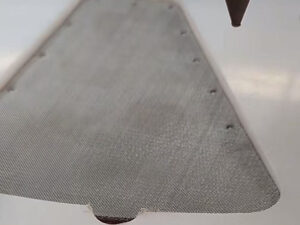
Formed stainless steel wire mesh cups discs and screens
Real Maidong mesh components in several geometries for drawing-based process filtration enquiries.

Start With the Product and Separation Duty

Filtering a beverage, edible oil, syrup or process water can involve different particle shapes, viscosities, temperatures and cleaning procedures. Define what must be retained, what must pass, and how the filter fits into the equipment before selecting a mesh.

Processed product

State liquid, slurry, powder or ingredient and relevant composition information.

Separation target

Describe particle size, shape, loading and required downstream condition.

Operating duty

Provide temperature, flow, pressure, batch/continuous mode and flow direction.

Cleaning and changeover

Define cleaning chemicals, temperature, reverse flow, disassembly and inspection.

Food and Beverage Filter Specification Matrix

Put these fields into one controlled drawing or purchase specification. If a requirement is unknown, mark it for technical review rather than assuming compliance.

RFQ fieldWhat to stateProcurement reason
Filtration basisAperture, nominal, absolute or named test methodMakes retention requirements comparable
Media constructionWeave, mesh/wire data, layers, support and flow directionDefines pore structure and mechanical build
Material and documentsRequired alloy standard, traceability and buyer-specified documentationSeparates a material request from an unsupported compliance claim
Cleanability detailsCleaning medium, temperature, pressure, drainage, access and inspectionConnects geometry and joining to the cleaning procedure
Equipment interfaceDimensions, rim/flange/thread, seals, tolerances and surface/joining requirementsControls fit, sealing and product-contact surfaces
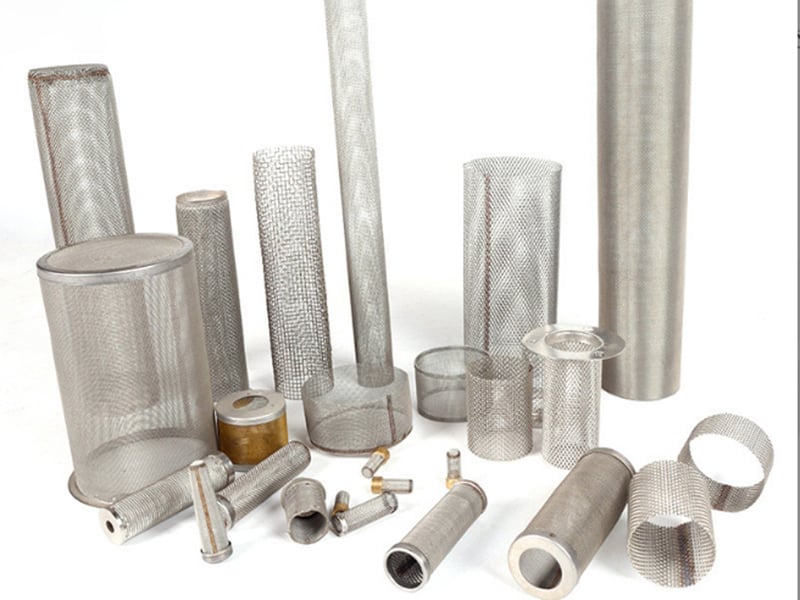
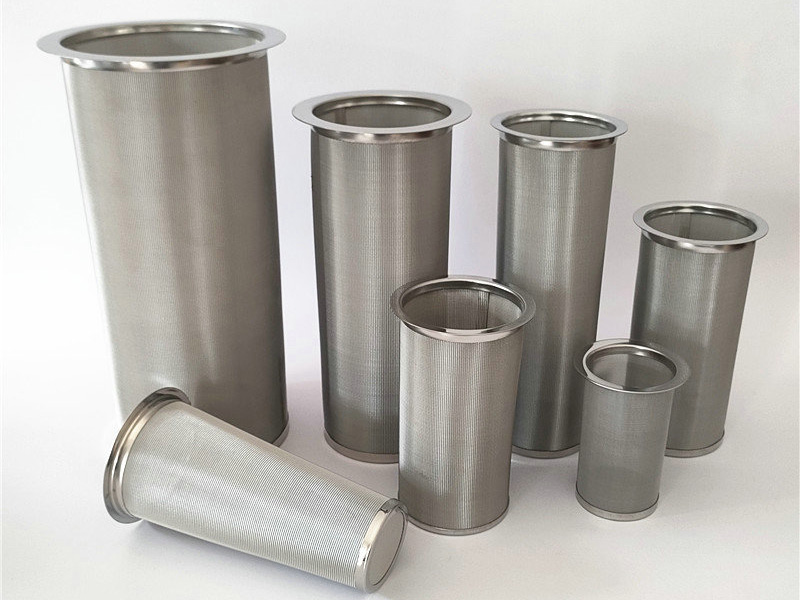
Custom stainless steel wire mesh filter elements in multiple forms
Cylindrical, framed and formed mesh components require complete media and interface specifications.

Select the Mesh and Rating Definition

Square woven mesh has a measurable opening when mesh count and wire diameter are known. Dutch weave uses a dense pore path and requires full construction data. Sintered mesh or supported layers must be defined by layer sequence and flow direction.

Use the wire mesh size chart for square geometry and the micron-rating guide for performance terminology.

Filter Forms Used in Process Equipment

Disc or framed screen

Flat component seated in a housing, line fitting or equipment opening.

Basket or cup filter

Removable form providing collection volume and an accessible rim or handle.

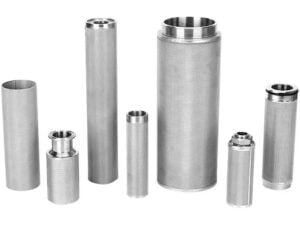
Tube or cylinder

Cylindrical element with defined media, seam, ends, support and flow direction.

Cartridge or multilayer element

Drawing-based assembly whose media, connections and seals must be fully specified.

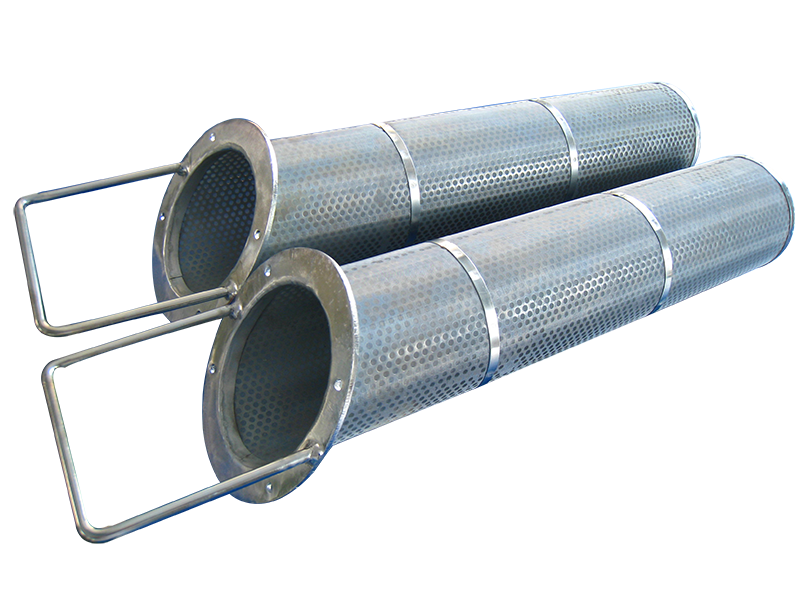
Stainless steel perforated and mesh-lined process filter basket
A filter basket example with a removable rim and supported screening body.
Small formed stainless steel wire mesh process screens
Small formed screens showing rim, depth and mesh construction details.

Process Examples—and the Questions to Ask

Beverage or juice straining

Define pulp or sediment target, viscosity, flow and required downstream condition.

Edible oil processing

State oil type, temperature, particle loading, rating basis and cleaning method.

Syrup and ingredient screening

Provide viscosity, temperature, crystal/solid characteristics and allowable pressure drop.

Process-water protection

Define water chemistry, upstream contamination and downstream equipment sensitivity.

These examples describe possible functions only. They do not claim that a particular Maidong product is approved for a regulated process without an agreed specification and required documentation.

Cleanability Is a Design Requirement

Cleanability depends on the complete component: mesh layers, seam and weld profile, edge treatment, support contact, blind spaces, drainability, disassembly and seal geometry. Cleaning temperature and chemistry must be compatible with every material in the assembly.

The buyer should define the cleaning procedure and acceptance criteria. A claim that stainless mesh is simply “easy to sterilize” is not a substitute for this information.

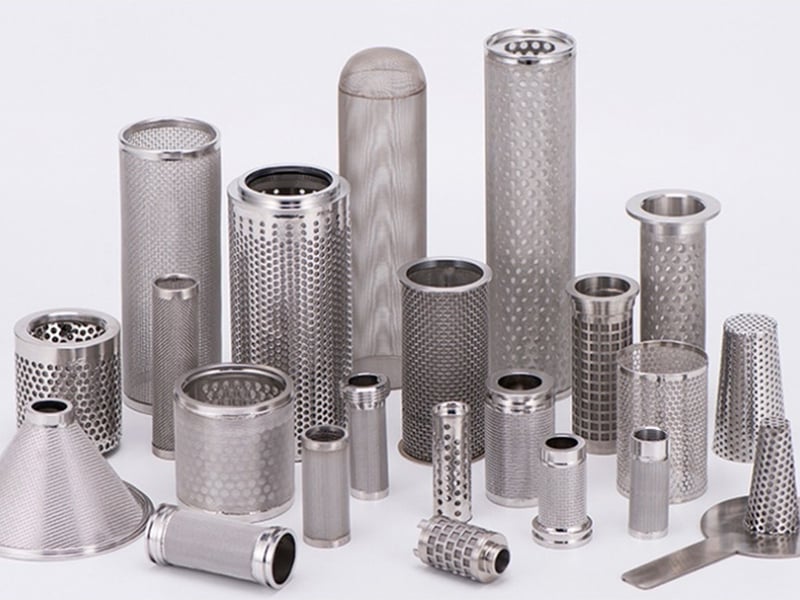
Supported stainless steel wire mesh filter elements
Fine mesh can be combined with a structural layer when the process load requires support.

Material and Documentation Questions

Alloy specification

State the required grade and standard; select from actual process and cleaning chemistry.

Material traceability

Identify certificates or traceability documents required with the order.

Surface and joining

Define product-contact surface, seam/weld finish and any prohibited crevices or residues.

Regulatory responsibility

List applicable market and process requirements for supplier review—do not infer approval from alloy name.

For preliminary alloy comparison, see 304 vs 316 stainless steel mesh. Final selection remains process- and requirement-specific.

Real Maidong Filter Component Examples

Formed stainless steel wire mesh cups discs and screens
Real Maidong mesh components in several geometries for drawing-based process filtration enquiries.

Formed mesh screens

Stainless steel perforated and mesh-lined process filter basket
A filter basket example with a removable rim and supported screening body.

Basket configuration

Custom stainless steel wire mesh filter elements in multiple forms
Cylindrical, framed and formed mesh components require complete media and interface specifications.

Custom process elements

The photos show real Maidong mesh components and possible geometries. They do not constitute a certification, application approval or statement that every pictured item is suitable for food contact.

How to Prepare a Process Filter RFQ

1. Define product and particles

Describe the process stream and separation target.

2. Define rating and media

State aperture/rating basis, weave, layers and alloy.

3. Add operating duty

Provide temperature, flow, pressure and cleaning procedure.

4. Complete the interface

Send geometry, seals, surfaces, joining and tolerances.

5. List documentation

State inspection, traceability, regulatory and quantity requirements.

Food and Beverage Wire Mesh Filter FAQ

Possible duties include ingredient screening, process-liquid straining, equipment protection, coarse clarification stages and reusable screen components. Suitability must be assessed for the actual product, process and regulatory requirements.

No. Alloy alone does not establish food-contact suitability or regulatory compliance. The buyer must define applicable regulations, material documentation, surface and joining requirements, cleaning method and acceptance criteria.

For square woven mesh, state mesh count with wire diameter or clear aperture. For Dutch weave or other media, provide the complete construction and a stated nominal, absolute or test-based rating definition.

Surface condition, seam and weld geometry, layer interfaces, blind areas, edge treatment, drainage, disassembly and seal design can all affect access for cleaning and inspection.

Only after reviewing alloy, joining materials, seals, temperature, pressure and chemical compatibility. No universal cleaning or sterilization cycle should be assumed from the mesh material alone.

Provide the processed product, particle target and rating basis, material/documentation requirements, temperature, flow, pressure, cleaning method, geometry, interfaces, seals, tolerances, inspection and quantity.

Request a Process Filter Specification Review

Send the processed product, filtration basis, material and documentation requirements, cleaning procedure, operating duty, drawing and quantity.

Need help choosing the right mesh?

Related Articles