
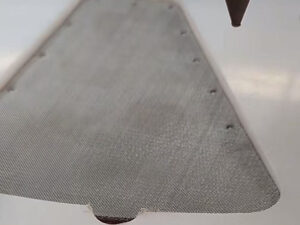
Coolant Filter Mesh for CNC and Grinding Systems

MACHINING COOLANT FILTRATION GUIDE

Coolant Filter Mesh Selection Framework

Coolant filter mesh for CNC machining and grinding must be selected from the contaminant, coolant and system duty—not from mesh count alone. Define the particle target, rating basis, coolant type, flow, pressure, support, cleaning method and finished element geometry together.

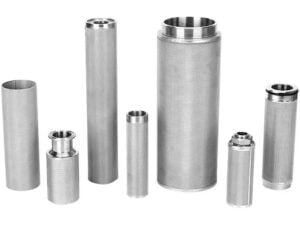
Custom stainless steel mesh filter elements for coolant filtration assemblies
Real Maidong mesh elements showing cylindrical, framed and drawing-based forms.

Start With the Coolant and Contaminant

Machining systems can carry long chips, short chips, fines, abrasive particles and mixed contamination. Water-miscible coolant and oil-based fluids can differ in viscosity, chemistry and operating temperature. These conditions influence the required opening, flow area, alloy, support and cleaning approach.

Particle target

Describe chip shape, approximate particle range and required downstream cleanliness.

Coolant duty

State coolant type, viscosity or concentration information and operating temperature.

Hydraulic conditions

Provide flow, clean pressure drop if controlled, differential pressure and flow direction.

Maintenance

Describe cleaning method, reverse flow, change interval criteria and accessibility.

Coolant Filter Mesh Selection Matrix

Use the same information when comparing suppliers or replacing an existing element.

Selection fieldWhat to specifyWhy it matters
Retention basisParticle target; aperture, nominal, absolute or named test basisPrevents unlike filtration claims being compared
Mesh mediumSquare weave, Dutch weave, layers and complete wire dataDefines pore geometry and fabrication route
Coolant conditionsFluid type, viscosity/concentration, temperature and contaminantsProvides context for flow and material review
System loadFlow direction, flow rate, pressure drop and maximum differential pressureControls required area and support
Finished formRoll, panel, disc, basket, tube or drawing-based elementDefines dimensions, edges, seams and interfaces
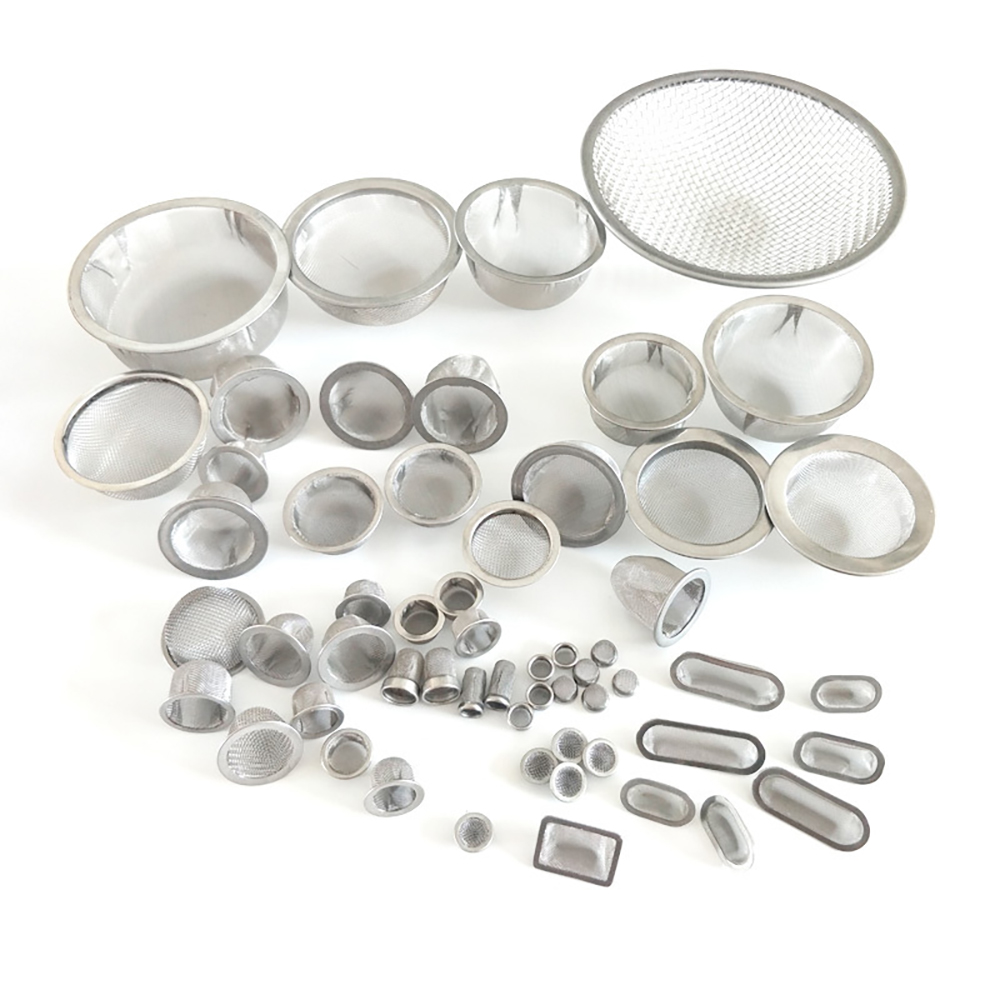
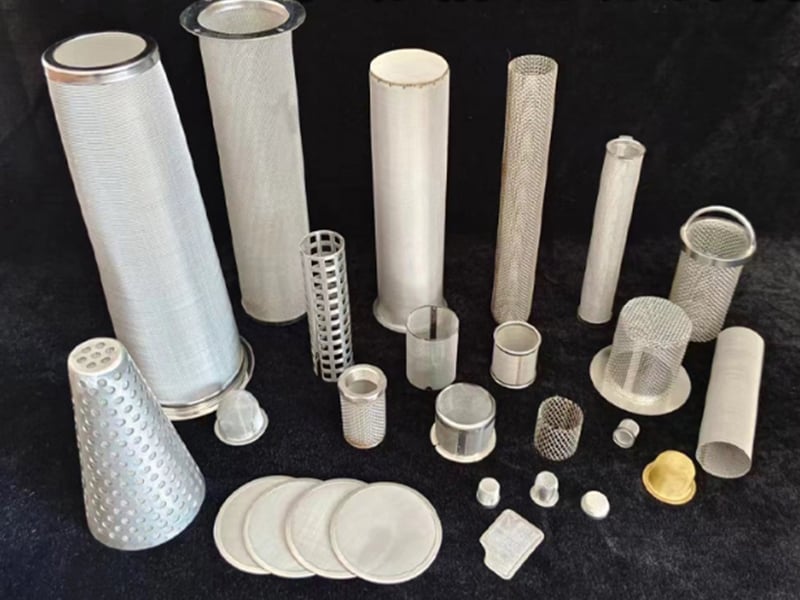
Formed stainless steel mesh cups discs and screens
Flat, cup-shaped and framed mesh components for equipment-specific filtration.

Choose the Mesh Structure and Rating Basis

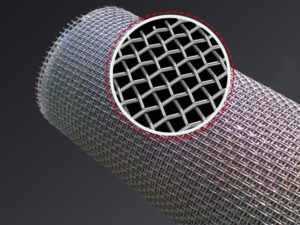
Square woven mesh provides a measurable opening when mesh count and wire diameter are known. Dutch weave creates a dense pore path and requires construction-specific rating data. Multilayer mesh must be specified by every layer and its order.

Use the wire mesh size chart for square geometry and read nominal vs absolute micron rating before setting a performance requirement.

Finished Forms for Coolant Filtration Systems

Roll or cut mesh

Media supplied for replacement screens, panels or downstream conversion.

Disc or framed screen

Flat or edged component fitting a defined seat, opening or strainer body.

Basket or cup screen

Formed component that provides collection volume and a removable interface.

Tube or custom element

Cylindrical or drawing-based element with seam, support and end details.

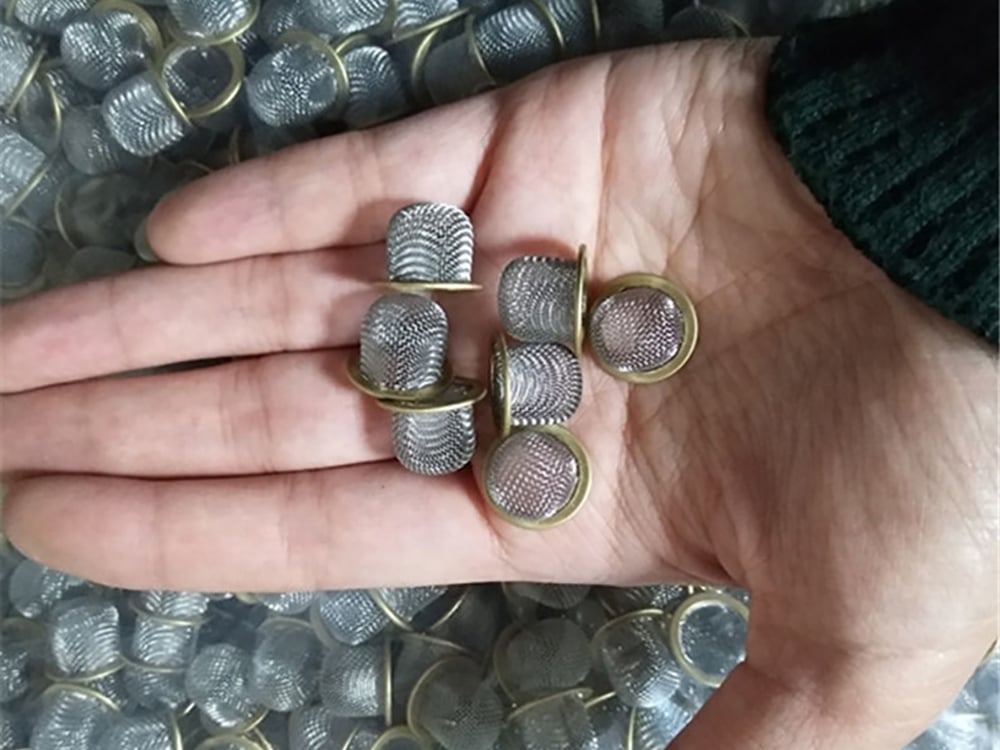
Small formed wire mesh screens for coolant and process filtration
Small formed screens illustrate drawing-defined rims, depth and mesh media.
Formed stainless steel mesh cups discs and screens
Flat, cup-shaped and framed mesh components for equipment-specific filtration.

When Fine Mesh Needs Structural Support

Fine coolant filter mesh may require coarse woven mesh, expanded metal or perforated backing when exposed to differential pressure, pump pulsation, reverse cleaning, handling or long unsupported spans. The backing belongs on the side determined by flow and pressure.

Review the flow-direction and support guide for the mechanical questions to put on a drawing.

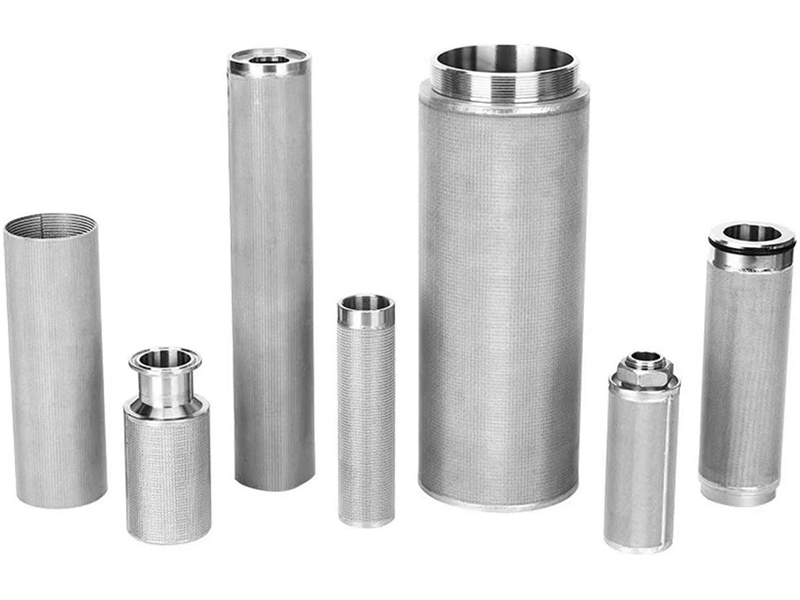
Supported stainless steel mesh filter elements with perforated structures
Fine mesh may be combined with a support layer where the operating load requires it.

CNC, Grinding and Central Coolant Applications

CNC machining centers

Mesh component selected for the chip load, coolant circuit and installation interface.

Grinding systems

Fine-particle duty reviewed with rating basis, flow area and cleaning requirements.

Milling and turning lines

Screens or elements selected around chip geometry and coolant recirculation design.

Central filtration systems

Custom mesh components used as one stage within a larger coolant-treatment process.

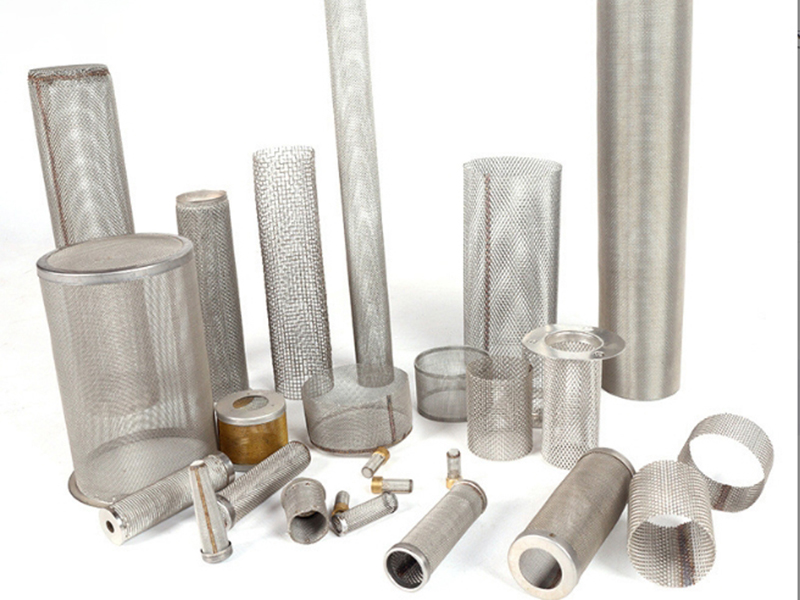
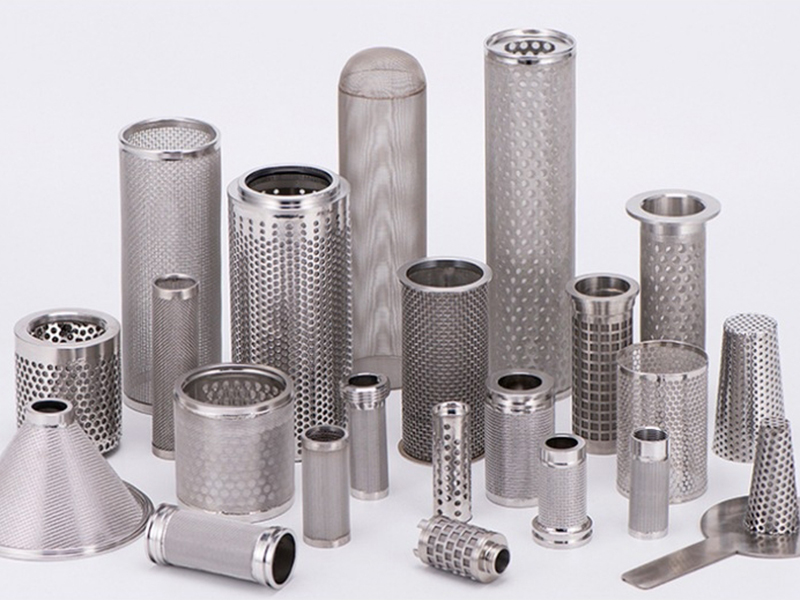
Stainless steel mesh discs tubes cones and custom filter components
Maidong mesh components in several geometries for drawing-based enquiries.

Application data controls the design

The same visible component shape can require a different mesh, area or support when particle loading, coolant viscosity, flow or pressure changes. Include the real system duty instead of selecting from an industry label alone.

These are application categories, not performance guarantees. Actual suitability depends on the complete system and approved specification.

Real Maidong Filter Mesh Component Examples

Custom stainless steel mesh filter elements for coolant filtration assemblies
Real Maidong mesh elements showing cylindrical, framed and drawing-based forms.

Custom element forms

Supported stainless steel mesh filter elements with perforated structures
Fine mesh may be combined with a support layer where the operating load requires it.

Supported mesh elements

Stainless steel mesh discs tubes cones and custom filter components
Maidong mesh components in several geometries for drawing-based enquiries.

Discs, tubes and cones

The photos show real Maidong mesh components in different shapes. They illustrate fabrication options only; the final coolant filter element must follow the customer drawing and operating specification.

Cleaning and Reuse: Specify the Method

Backflush

Confirm reverse-flow direction and whether the support arrangement permits it.

Ultrasonic cleaning

Review component geometry, contamination and compatible cleaning fluid.

Chemical cleaning

Check alloy, joining materials, seals and contaminant compatibility.

Replacement criteria

Define acceptable pressure drop, cleanliness or inspection condition.

Metal mesh may be cleanable, but no universal cleaning cycle or service life should be assumed. See the related oil filtration mesh page for oil-duty specification principles.

How to Prepare a Coolant Filter Mesh RFQ

1. Describe contamination

Provide particle type, size range and loading.

2. Define rating

State aperture or performance rating and test basis.

3. Add system duty

Give coolant, flow, pressure, temperature and cleaning.

4. Complete geometry

Send dimensions, layers, support, seams and interfaces.

5. Define acceptance

State tolerances, inspection, quantity and drawing revision.

Coolant Filter Mesh FAQ

Depending on the selected opening or rating, mesh can retain chips and particles carried by machining or grinding coolant. The actual result depends on particle shape, loading, flow, the complete filter assembly and the rating definition.

Start with the particle range and required cleanliness, then define whether the requirement is a geometric aperture, nominal rating or absolute rating. Add coolant type, viscosity, temperature, flow and acceptable pressure drop.

No. Square woven mesh also requires wire diameter or aperture. Dutch weave and multilayer media require complete construction data and a stated filtration-rating basis.

Support should be reviewed when fine mesh may deform under differential pressure, pump pulsation, cleaning, handling or a long unsupported span. State flow direction and the higher-pressure side.

Some metal mesh constructions can be cleaned, but the method and practical reuse depend on contaminant type, mesh structure, assembly, cleaning chemistry and acceptance criteria. Do not assume a universal cleaning cycle or service life.

Provide the particle target and rating basis, coolant type, flow, pressure, temperature, mesh construction, material, support, finished geometry, dimensions, interfaces, cleaning method and quantity.

Send Your Coolant Filter Specification

Provide the contaminant, rating basis, coolant conditions, flow, pressure, cleaning, mesh construction, finished geometry, drawing and quantity.

Need help choosing the right mesh?

Related Articles