
Stainless Steel Mesh for Industrial Filtration: Applications, Advantages, and Selection Guide

INDUSTRIAL FILTRATION · TECHNICAL SELECTION GUIDE

How to Select Stainless Steel Mesh for Industrial Filtration

Choose stainless steel filter mesh from the required retention basis, wire diameter and opening or complete weave construction, fluid compatibility, flow, differential pressure, support, cleaning method and finished element geometry—not from mesh count alone.

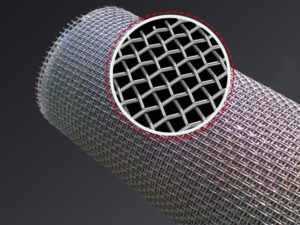
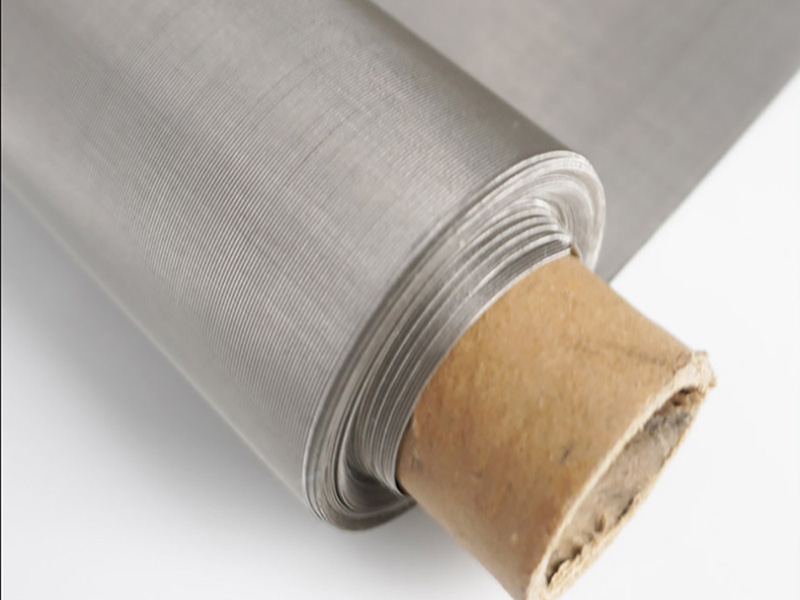
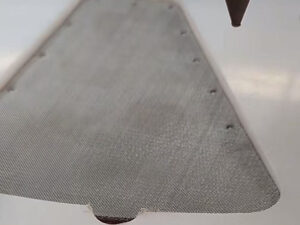
Stainless steel woven filter mesh with uniform fine openings
Woven stainless steel mesh media for industrial filtration specification.

What Stainless Steel Filter Mesh Does

Mechanical retention

Separates suspended particles according to a defined opening or pore path.

Reusable metal medium

May support cleaning when the complete element and joints are designed for it.

Fabrication flexibility

Can be cut, layered, formed and supported as discs, cylinders, baskets or cartridges.

Not a universal rating

Mesh count does not by itself define micron retention, pressure capacity or service life.

Industrial Filtration Mesh Specification Matrix

Use these fields together. A material name or nominal mesh number alone is not a complete purchase specification.

Selection fieldInformation requiredWhy it matters
RetentionParticle target, clear opening or agreed nominal/absolute/test basisPrevents an undefined micron claim
MediaWeave, mesh count and wire diameter, or complete Dutch-weave constructionDefines the actual pore geometry
ProcessFluid, chemistry, temperature, viscosity and solids loadingGuides material and area review
HydraulicsFlow, direction and clean/dirty differential pressureAffects support and usable area
Finished formDisc, cylinder, basket or cartridge drawing; ends, seals and tolerancesControls fit and bypass risk
MaintenanceCleaning method, reverse load and acceptance criteriaConnects media choice to reuse

Compare Woven Mesh Structures

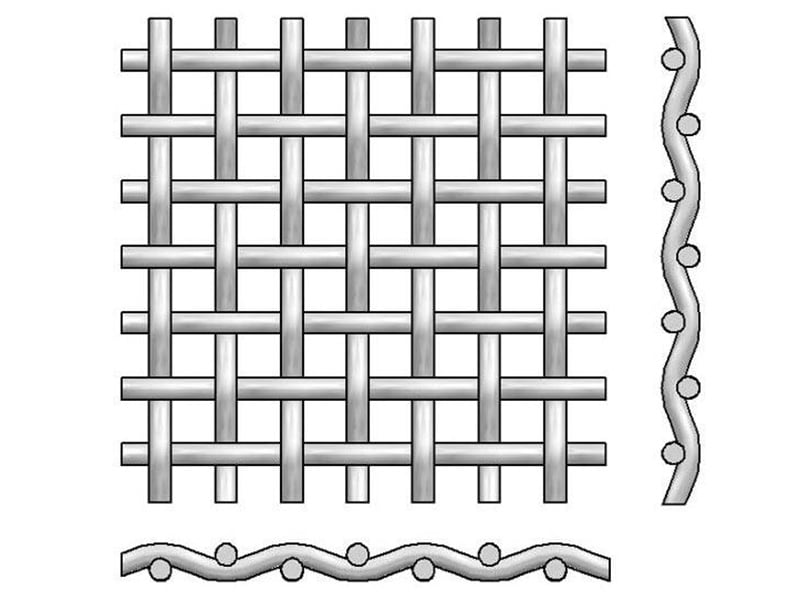
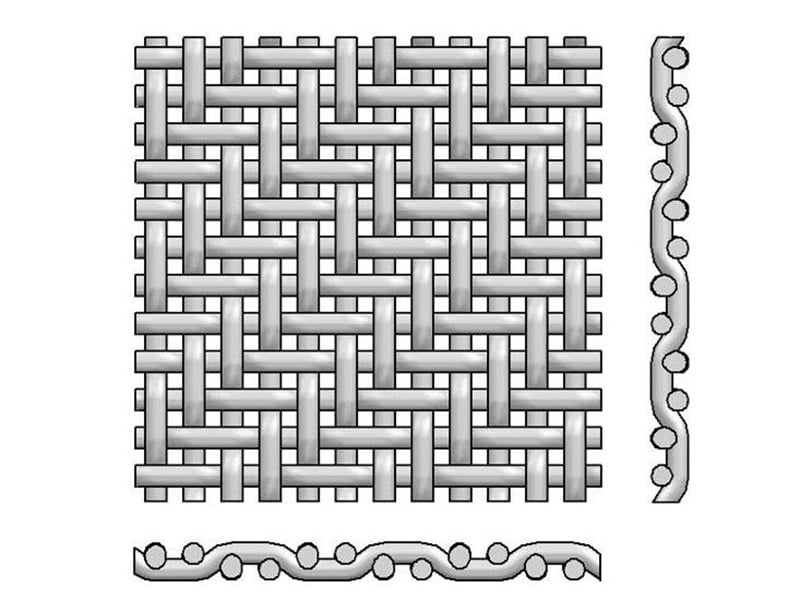
Plain weave wire mesh construction diagram
Plain square weave creates directly measurable openings.

Plain weave

Square openings can be calculated from mesh count and wire diameter.

Twill weave wire mesh construction diagram
Twill weave supports selected fine-wire specifications.

Twill weave

Supports selected finer wire combinations while retaining a woven opening structure.

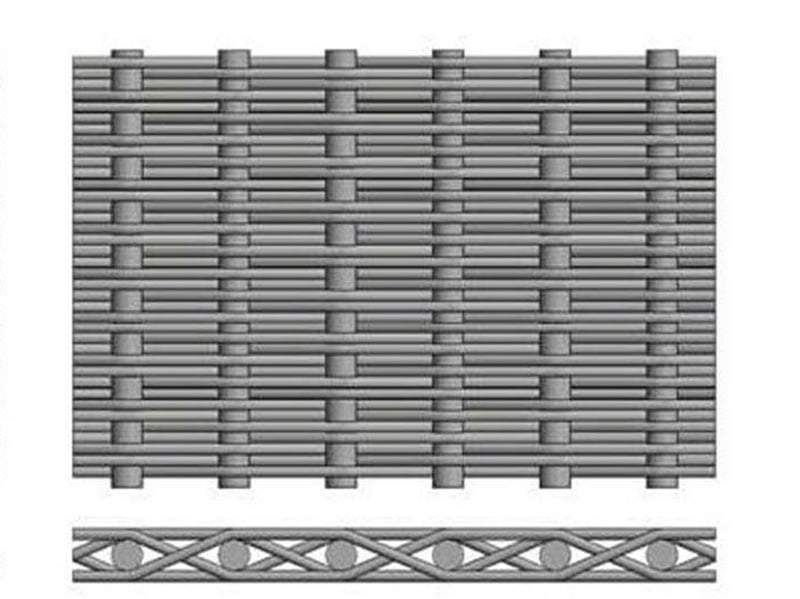
Twill Dutch weave filter mesh construction diagram
Dutch weave uses a dense indirect pore path.

Dutch weave

Dense warp/weft construction creates an indirect pore path; use construction-specific rating data.

For product procurement, review stainless steel mesh for filtration. For dense media, use the Dutch weave mesh product page. For conversion limits, see the mesh-to-micron calculator.

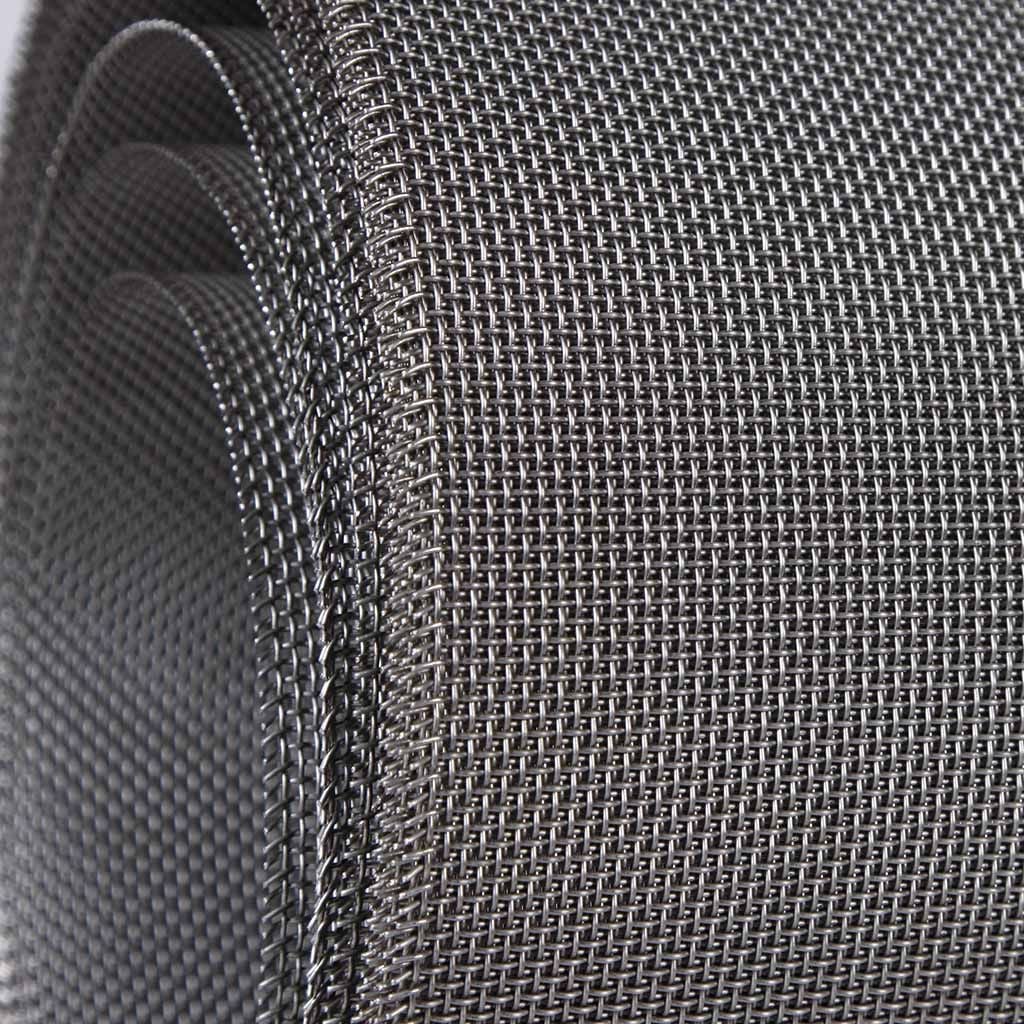
Close view of stainless steel wire mesh weaving
Wire geometry and weave determine the filter-media structure.

Material, Support and Finished Geometry

State the stainless steel grade required for the filter medium, support and fabricated parts. Confirm chemistry, temperature and cleaning exposure instead of assuming one grade suits every duty.

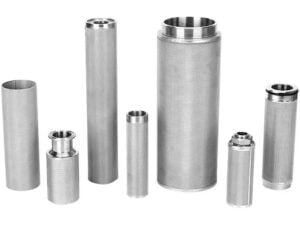
Fine mesh may require coarse woven, perforated or expanded-metal support according to pressure direction and span. The finished element can be a filter disc, mesh cylinder, filter basket or wire mesh cartridge.

Common Industrial Filtration Duties

Process liquids

Particle retention in water, oils and chemical streams when compatibility is defined.

Gas and air systems

Screens or supported media for specified particles or droplets and actual flow conditions.

Equipment protection

Debris interception before nozzles, valves, pumps and downstream components.

Solids recovery

Screens selected around particle size, loading, discharge and cleaning requirements.

These are application categories, not performance guarantees. Each RFQ must define the actual process conditions and acceptance basis.

Five-Step Selection Checklist

1. Define particles

Size range, shape, loading and required retained or passing fraction.

2. Define rating

Opening or an agreed nominal, absolute or test-based retention definition.

3. Define process

Fluid, chemistry, temperature, viscosity, flow and pressure.

4. Define element

Media, support, dimensions, ends, seals, flow direction and tolerances.

5. Send the controlled RFQ: include drawing, quantity, cleaning method, inspection requirements and required documents. Use the custom filter element specification guide for a complete checklist.

Industrial Filtration Mesh FAQ

No. For square woven mesh, mesh count must be combined with wire diameter to calculate clear opening. Dutch weave and multilayer media require construction-specific rating information.

Support may be needed when wire is fine, span is large, differential pressure is significant, reverse flow occurs or handling could deform the medium.

Some completed elements can be cleaned, but suitability depends on the retained solids, weave, support, joints, cleaning method and post-cleaning acceptance criteria.

Provide particle and retention targets, process fluid, chemistry, temperature, flow, pressure, media or rating basis, element drawing, support, ends, seals, cleaning, inspection and quantity.

Need help choosing the right mesh?

Related Articles