PARTICLE LOCATION · LOADING · CLEANING BEHAVIOR

Surface vs Depth Filtration in Metal Filter Media

Surface filtration retains particles mainly at or near the upstream face; depth filtration retains particles within a porous thickness. Real metal media may show mixed behavior depending on pore structure, particle size and shape, loading, flow, pressure and media condition. Classification alone does not predict efficiency, capacity or service life.

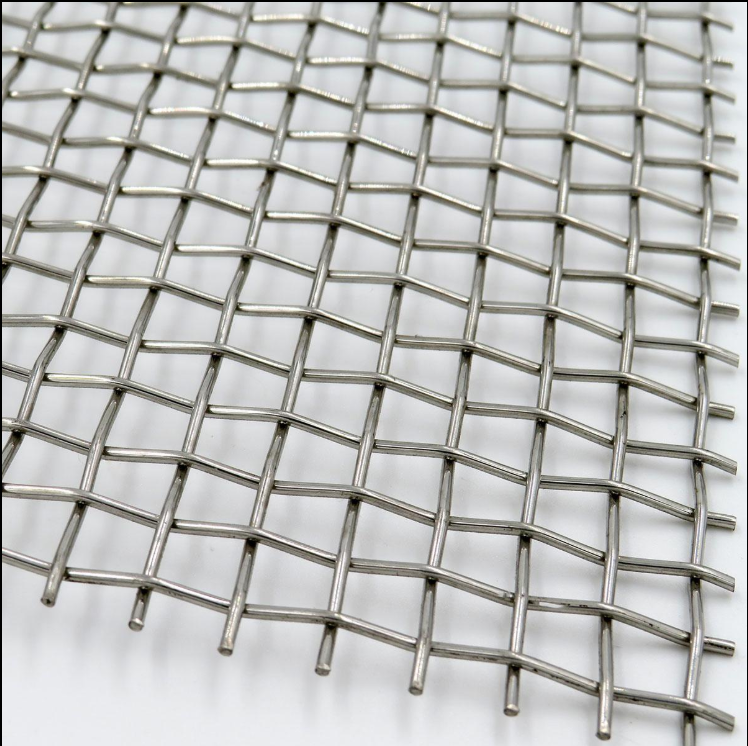
Close view of square woven stainless steel mesh openings for surface screening
Direct openings make square woven mesh a useful example of surface-screening geometry.

Direct Comparison: Where Are Particles Retained?

Surface filtration

Particles are retained mainly at the upstream face or by a developing surface cake.

Depth filtration

Particles enter a porous thickness and are retained along internal paths.

Mixed behavior

A medium can shift as deposits bridge openings or build a cake during loading.

Complete filter

Edges, seals, supports, damage and bypass can change the result beyond the medium.

Surface vs Depth Filtration Comparison Matrix

This matrix describes mechanisms, not guaranteed performance. Critical duties need aligned rating, test and operating conditions.

ComparisonSurface-dominant behaviorDepth-dominant behaviorBuyer question
Retention locationAt or near upstream faceWithin porous thicknessWhere should retained solids collect?
Particle requirementOpening and surface interactionPore network, thickness and particle interactionWhat rating and test define passage?
LoadingCake can develop on the faceParticles can occupy internal pathsWhat ends the operating cycle?
Pressure dropChanges as the surface layer growsChanges as internal paths loadWhat are clean and terminal conditions?
CleaningDeposit may be accessible at the faceEmbedded material may require a different methodHow is recovery verified?
Close view of square woven stainless steel mesh openings for surface screening
Direct openings make square woven mesh a useful example of surface-screening geometry.

Square Woven Mesh and Surface Screening

Square woven mesh has directly measurable openings and is commonly used for surface screening. Particle shape, orientation, deformability, bridging and cake formation can still change observed retention and pressure-drop development.

Use the opening vs particle-retention guide for these mechanisms.

Dense Weaves and Multilayer Paths

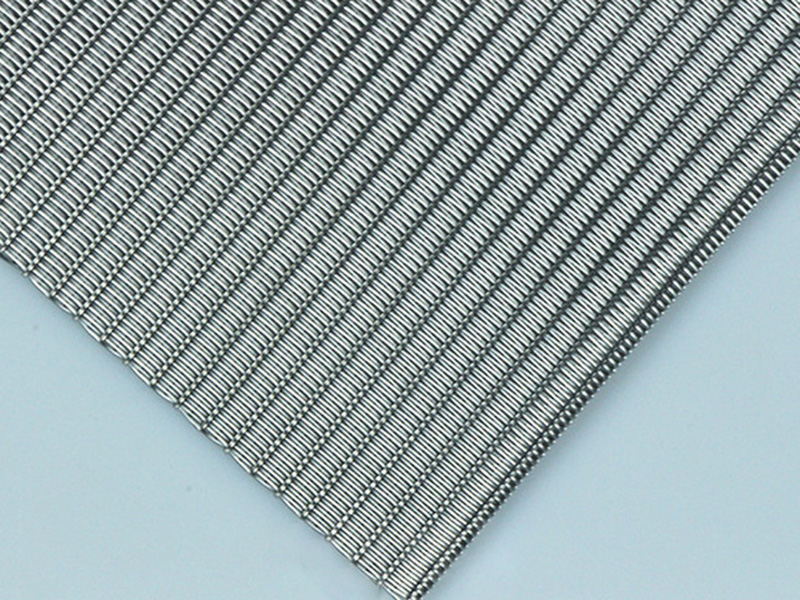
Dutch weave uses an indirect pore path. Bonded multilayer wire mesh can combine filtration, distribution, protection and support layers. Neither should be assigned a surface/depth label without the actual construction, particle duty and test basis.

Compare flow data using the permeability vs micron-rating guide.

Dense Dutch weave stainless steel mesh with an indirect filtration path
Dutch weave uses a denser indirect path and should not be described by a simple square aperture alone.

Porous Metal Media Do Not Share One Depth Behavior

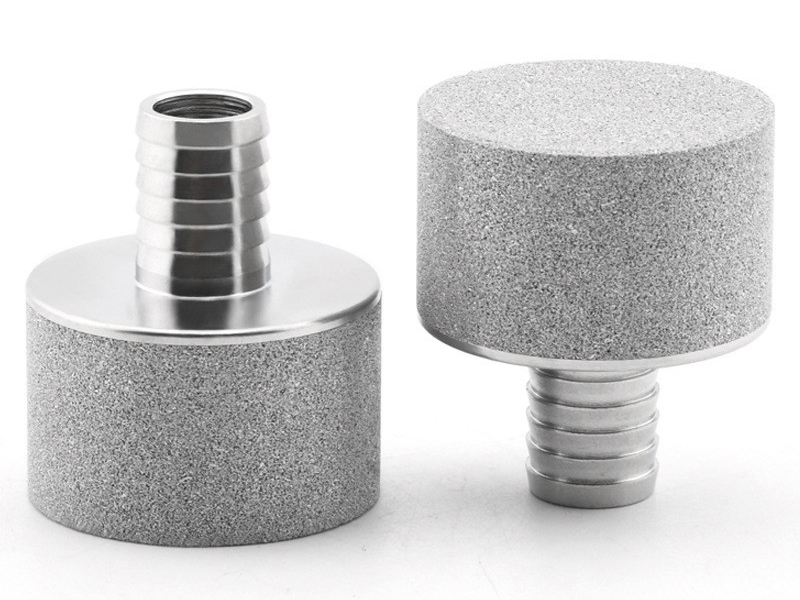
Porous sintered metal powder filter elements with machined connections
Powder-sintered bodies illustrate an interconnected porous thickness that requires construction-specific data.

Powder-sintered porous network

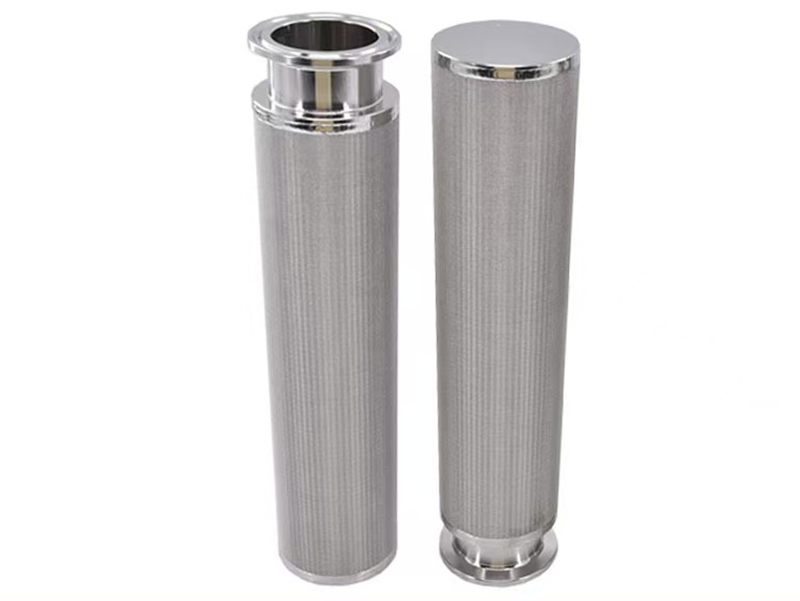
Cylindrical sintered wire mesh filter elements with bonded porous walls
Bonded woven layers can combine retention, distribution and support functions.

Bonded woven-mesh layer structure

Sintered powder forms a bonded particle network. Sintered wire mesh bonds selected woven layers. Fiber felt forms another structure. Pore path, thickness, retention and contaminant release differ, so the word sintered is not a complete selection rule.

Use the sintered powder vs sintered wire mesh comparison for construction-specific procurement.

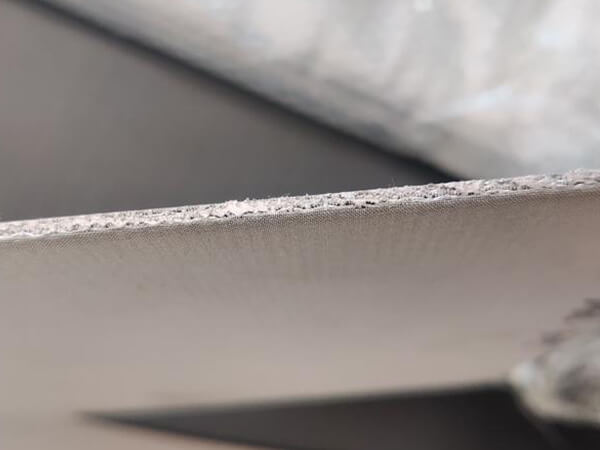
Edge detail of bonded multilayer sintered woven wire mesh
The visible layer stack shows why pore path, thickness and flow direction matter.

Loading and Differential-Pressure Development

Surface cake and internal pore loading can produce different pressure-drop trends, but neither has one universal curve. State the clean reference, flow, fluid viscosity and temperature, media area, solids loading, terminal differential pressure and cycle endpoint.

The differential-pressure RFQ guide separates clean resistance from structural loading.

Cleaning and Acceptance Follow the Deposit Location

Surface deposit

Review access, cake release, forward rinse, reverse flow and collection path.

Embedded deposit

Review pore accessibility, compatible cleaning method and residual restriction.

Media damage

Inspect openings or porous body, layers, joints, seals and dimensions.

Return to service

Require the application’s approved flow, pressure-drop or integrity acceptance evidence.

Use the cleaning and backwashing guide to review method compatibility.

The Finished Element Still Controls Bypass

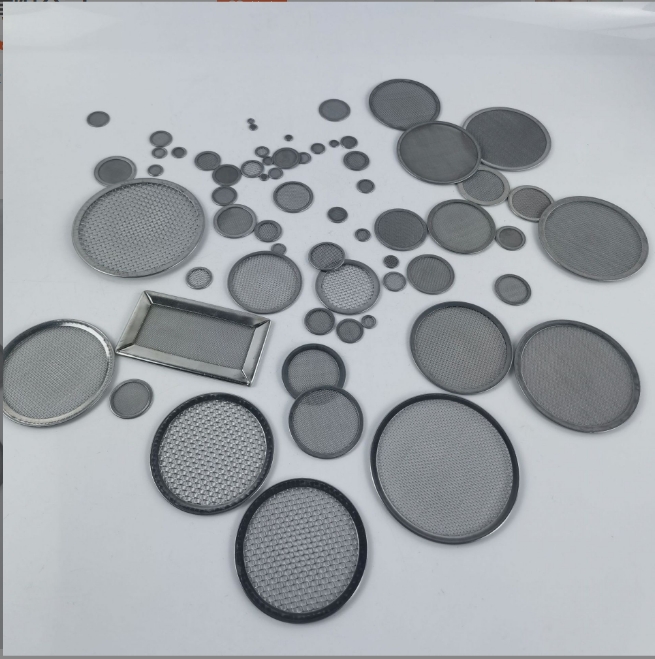
Finished stainless steel wire mesh filter discs with different media and edge constructions
Finished components add edges, supports and bypass boundaries beyond the media classification.

Media classification is not an assembly specification

Finished components add seams, rims, caps, support contact, seals and installation clearances. A correct medium cannot compensate for a bypass path or damaged interface. State whether testing applies to a raw media coupon or the complete element.

The target rating still needs an efficiency or geometric definition; review nominal vs absolute micron rating.

Surface or Depth Filtration RFQ Checklist

1. Define particles

Distribution, shape, rigidity, loading and acceptable passage.

2. Define medium

Structure, thickness, layers, rating and test basis.

3. Define duty

Fluid/gas, viscosity, temperature, flow and pressure conditions.

4. Define loading cycle

Clean baseline, solids load, terminal condition and discharge path.

5. Define element

Area, geometry, support, seals, cleaning and acceptance.

Surface and Depth Filtration FAQ

Surface filtration primarily retains particles at or near the upstream face of a medium. A deposited cake may then become part of the filtration behavior. The result still depends on particles, loading, flow, pressure and the complete assembly.

Depth filtration allows particles to enter a porous thickness and become retained within a network of paths. Retention location and capacity depend on pore geometry, thickness, particle properties and operating conditions.

Square woven mesh with direct openings is commonly used for surface screening, but bridging, multilayer structures and cake formation can add more complex behavior. Dense woven or bonded multilayer media should be described from their actual construction and test data.

No. Sintered powder, sintered fiber and sintered wire mesh have different porous structures, and their behavior also depends on particle-to-pore relationship, thickness, layers and loading. Do not classify every sintered product from the word alone.

A surface deposit may be more accessible, while particles embedded within depth media may be harder to remove. Actual cleanability depends on adhesion, pore path, support, joints, cleaning direction and method, and post-cleaning acceptance.

State particle distribution, shape and loading, required retention definition, fluid or gas, viscosity and temperature, flow and differential pressure, media construction and thickness, element geometry, cleaning, bypass control and acceptance method.
Request a Metal Filter Media Review

Send the particles, retention definition, process fluid, flow and pressure, media structure, element geometry, loading cycle, cleaning and acceptance requirements.