Cleaning and Backwashing Stainless Steel Mesh Filters
Clean a stainless steel mesh filter only with a method compatible with its contaminant, weave or porous structure, support, joints, seals and alloy. Backwashing reverses normal flow, so the element must also withstand reverse differential pressure. Define a clean condition and an inspection standard before returning it to service.
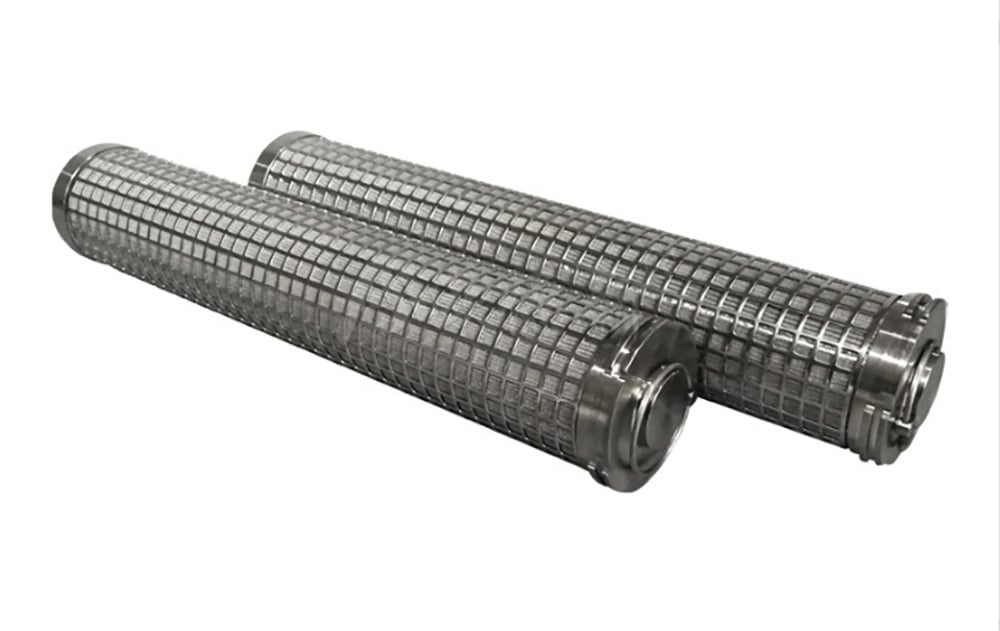
External support cages and fine cylindrical media must be checked for trapped solids and reverse-load compatibility.
Direct Answer: Match the Method to the Deposit and Filter Structure
Loose particles
Low-energy rinse or controlled reverse flow may remove deposits that are not bonded to the media.
Oil or sticky residue
A compatible cleaning chemistry may be needed; validate it against every material and joint.
Scale or hard deposits
Mechanical or chemical removal requires service-specific compatibility and damage control.
Embedded fine solids
Dense weaves and pleats may need staged rinsing, ultrasonic cleaning or replacement after inspection.
Cleaning Method Selection Matrix
Start with the least aggressive effective method, then verify the result. The matrix is a selection aid—not a universal cleaning recipe.
Method
Best considered for
Main checks
Do not assume
Forward rinse
Loose surface deposits
Pressure, spray distance, open edges and seals
That visible cleanliness equals open pores
Backwash
Deposits released by reverse flow
Reverse differential pressure, support and layer order
That normal-flow support works in reverse
Ultrasonic
Accessible deposits in fine openings or pleats
Frequency, power, duration, joints and bath chemistry
That damaged media can be restored
Chemical soak
Oil, resin, scale or compatible process residue
Alloy, joint, seal, concentration, temperature and safety
That 316 is compatible with every cleaner
Mechanical brushing
Robust coarse surfaces only
Wire damage, pleat distortion and contamination transfer
That fine mesh tolerates aggressive contact
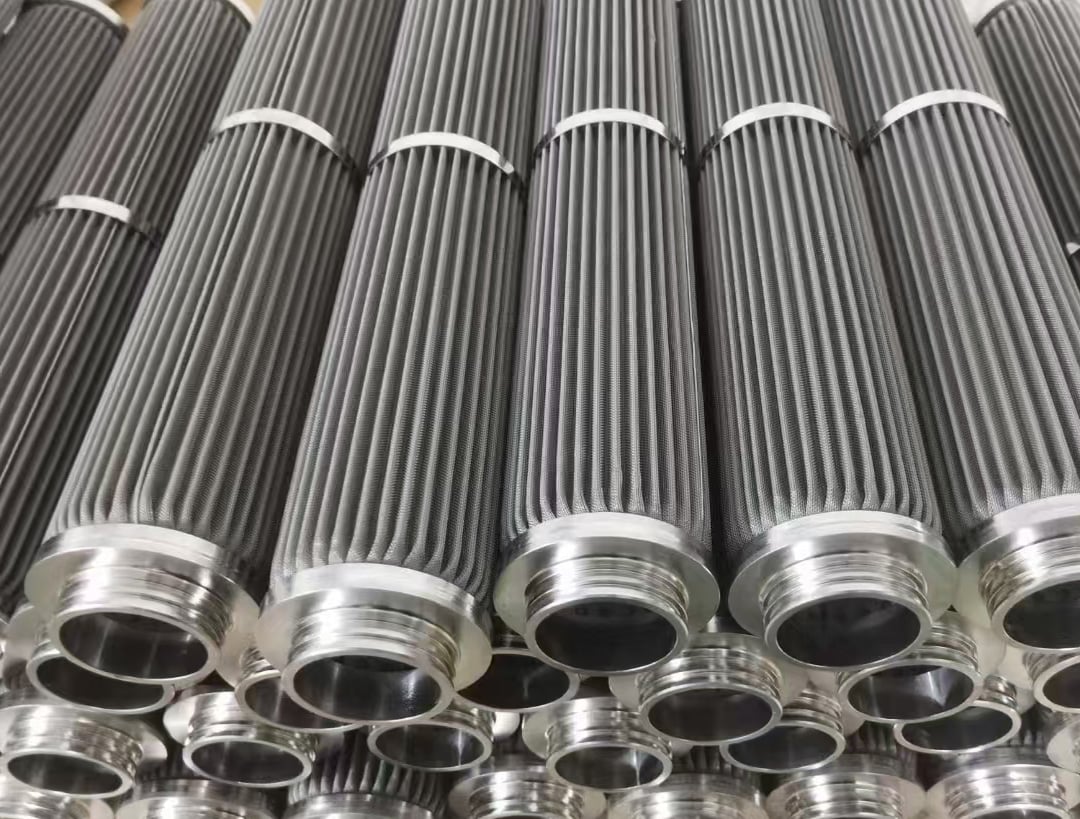
Pleated geometry increases area but requires cleaning access between folds and inspection of end joints.
Media Geometry Changes Cleaning Access
Square woven mesh has visible openings and is often easier to inspect. Dutch weave uses a dense indirect pore path. Pleated media adds area but can retain solids between folds. Sintered multilayer media is rigid, yet every layer and joint still requires compatible loading and cleaning.
Backwashing: Review Reverse Load Before Reversing Flow
1. Mark normal flow
Identify upstream, downstream and the dirty side of the fine medium.
2. Mark reverse flow
Show where cleaning fluid enters and where released solids leave.
3. State reverse pressure
Give the maximum reverse differential pressure and any pulses.
4. Check layer restraint
Confirm support, seams, caps and seals for the reversed load direction.
For cylindrical media, review the stainless steel filter tube and wire mesh filter cylinder structures. A perforated or expanded layer usually provides support; it does not automatically define the filtration rating.
Use Condition-Based Cleaning Triggers
A fixed calendar interval can be useful only after validation. More reliable triggers include a defined differential-pressure limit, flow loss, process quality change, accumulated solids or a validated maintenance interval.
Record the clean and dirty baseline under comparable flow and fluid conditions. If the purchase specification uses a micron claim, keep the rating basis clear with the nominal vs absolute micron guide.
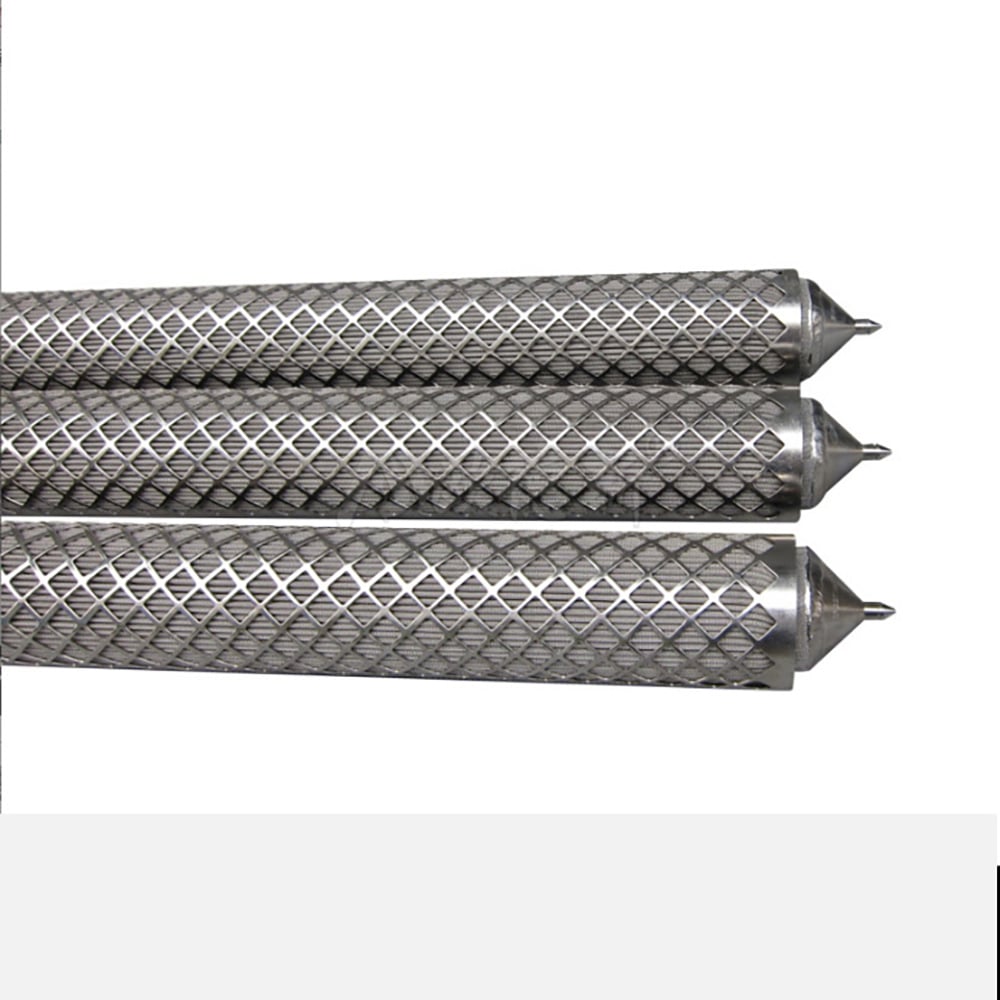
Expanded support can restrain fine media during one pressure direction; reverse loading still needs review.
Post-Cleaning Inspection and Acceptance
Surface and openings
Check remaining deposit, blocked areas, broken wires and distorted openings.
Pleats and layers
Look for flattened folds, separation, delamination or movement against support.
Joints and seals
Inspect seams, welds, caps, threads, gaskets and other possible bypass paths.
Fit and integrity
Confirm critical dimensions and use the agreed integrity or leakage check when required.
Replace, repair or quarantine any element that fails the documented acceptance criteria. Visual cleanliness alone does not prove the original retention performance.
Real Maidong Filter Structures to Review Before Cleaning
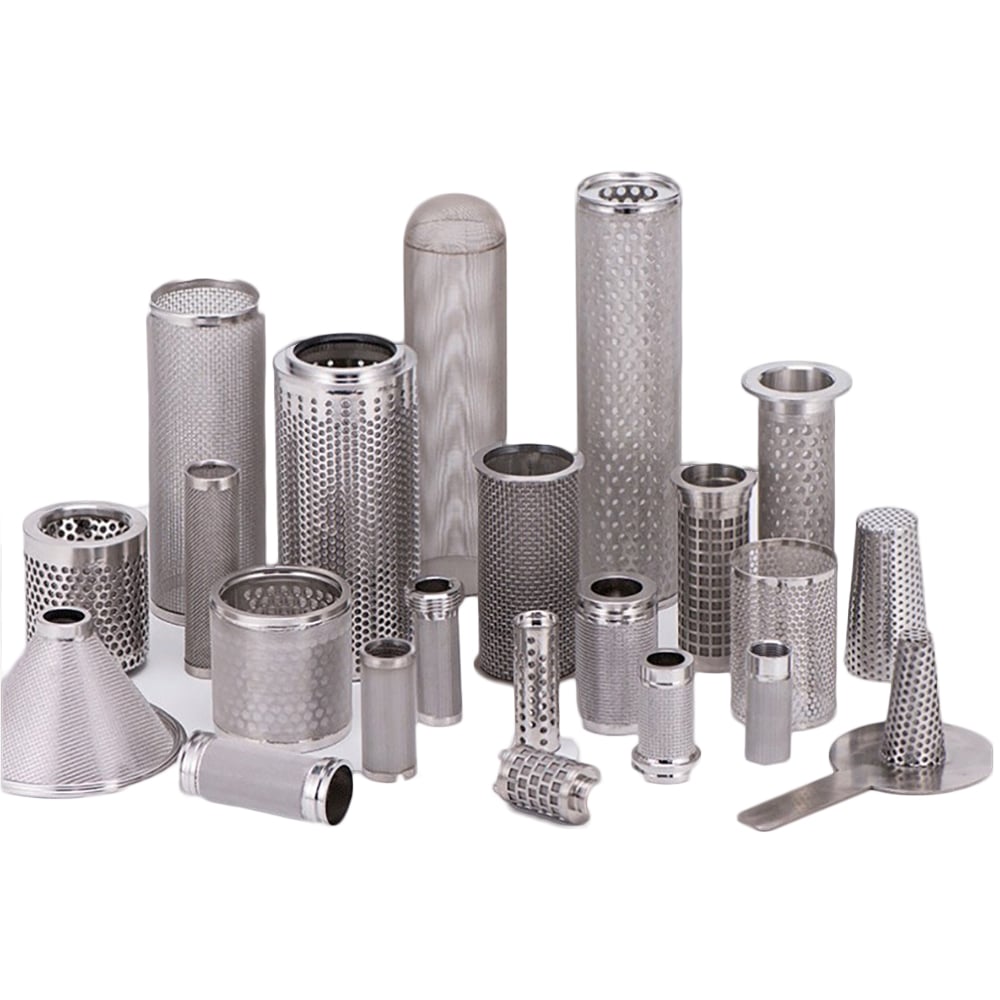
These real Maidong product images show structures that influence cleaning access and inspection. They do not depict a cleaning process or claim a universal reusable life.
External support cages and fine cylindrical media must be checked for trapped solids and reverse-load compatibility.
Supported mesh tubes
Pleated geometry increases area but requires cleaning access between folds and inspection of end joints.
Pleated cartridges
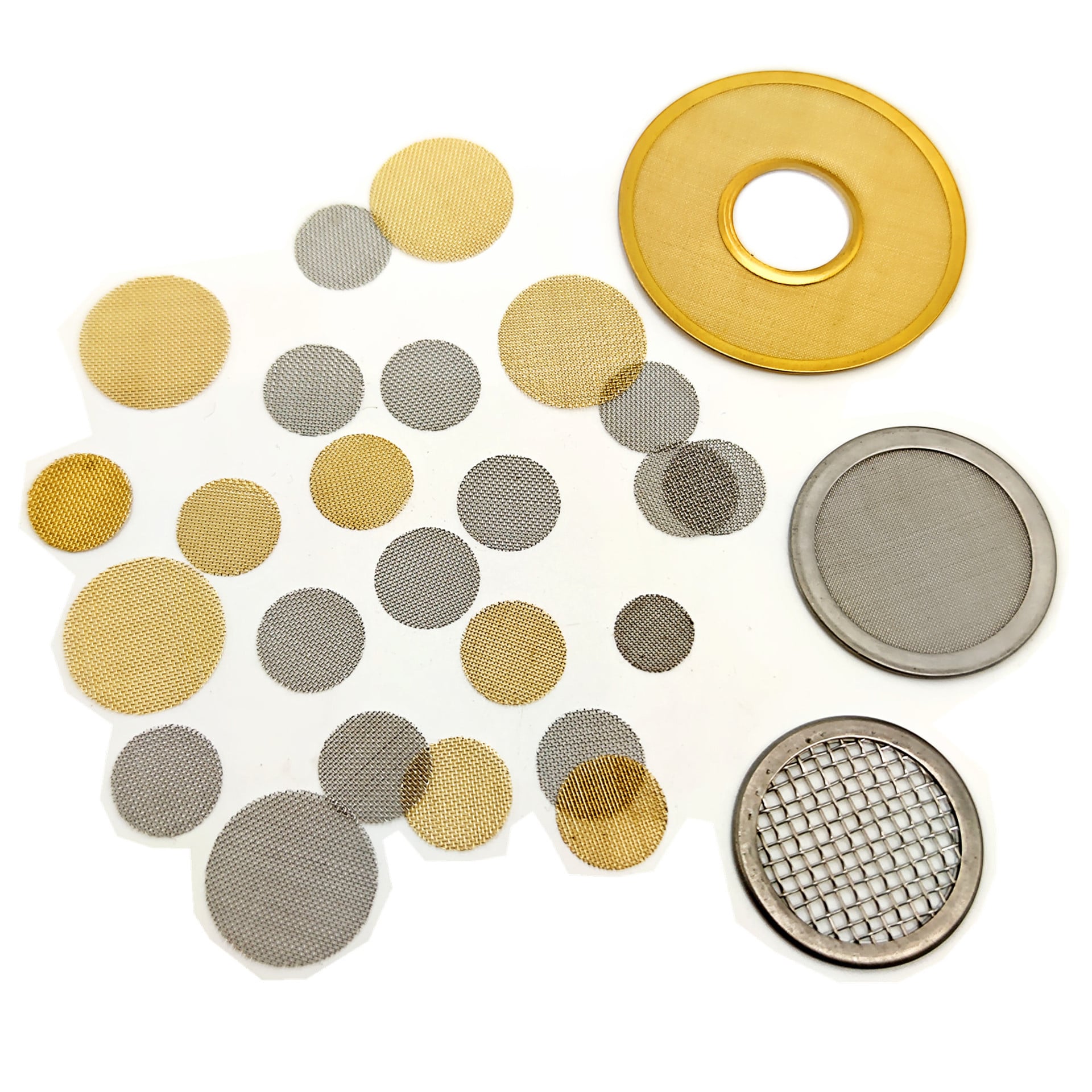
Flat filter discs allow direct surface inspection, while framed edges and seams remain potential bypass points.
Wire mesh discs
Different ends, joints and support structures affect cleaning access and post-cleaning inspection.
Custom filter elements
Cleaning and Backwashing Specification Checklist
1. Identify deposit
Particle, oil, scale, polymer, biological matter or mixed contamination.
2. Define the element
Media, weave/rating, support, joint, seal and alloy.
3. State operating load
Normal and reverse flow, pressure, temperature and cycle.
4. Approve the method
Rinse, backwash, ultrasonic or compatible chemistry and safety controls.
5. Set acceptance
Clean baseline, dimensions, damage limits and integrity check.
No. Backwashing is suitable only when the media, support direction, seams, end connections and seals can withstand the reverse differential pressure. Confirm both normal and reverse loading before use.
Cleaning is the broader removal process and can include rinsing, soaking, ultrasonic treatment or another compatible method. Backwashing specifically reverses flow through the filter to dislodge retained material.
Use a condition-based limit such as differential pressure, flow loss, process quality or a validated maintenance interval. A universal number of hours or cycles is not reliable across different contaminants and systems.
Only after confirming compatibility with the alloy, welds, brazed or bonded joints, seals, contaminant and operating temperature. The equipment owner should approve chemistry, concentration, exposure and safe handling.
Not automatically. It may remove deposits from accessible pore paths, but it cannot repair broken wires, distorted pleats, damaged joints or permanent blockage. Reinspect the element against defined acceptance criteria.
Reject or repair it when inspection finds broken wires, distortion, delamination, cracked joints, damaged seals, dimensional change, unacceptable residual blockage or failure of the agreed integrity check.
Need a Cleanable Filter Element Review?
Send the contaminant, cleaning method, media and support structure, normal and reverse pressure, temperature, dimensions, joints, seals and acceptance criteria.