Stainless Steel Dutch Weave Wire Mesh for Fine Filtration
Stainless steel Dutch weave wire mesh is purchased as a complete filtration construction: weave family, warp and weft counts, both wire diameters, alloy, retention basis, flow duty and supply format. Mesh count or a standalone micron value is not a complete specification.
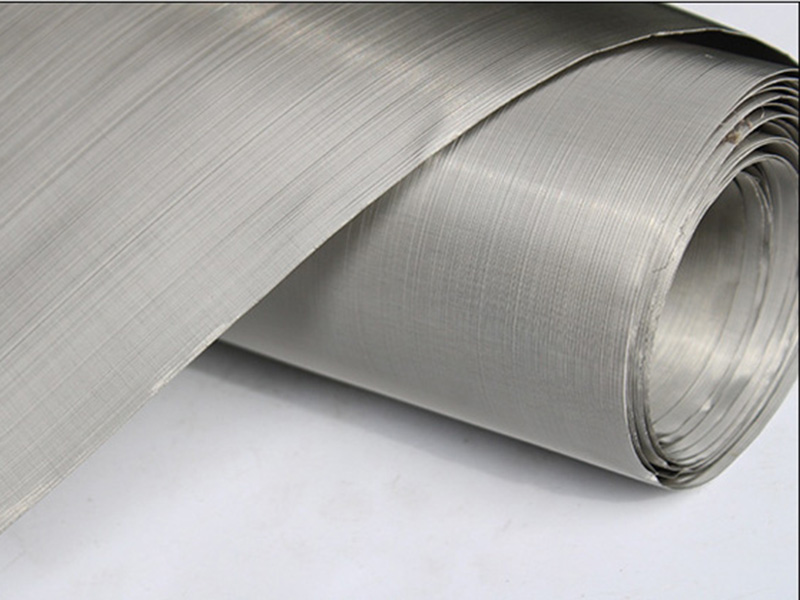
Dense stainless steel Dutch weave filter media supplied in roll form.
What Makes Dutch Weave Different from Square Woven Mesh?
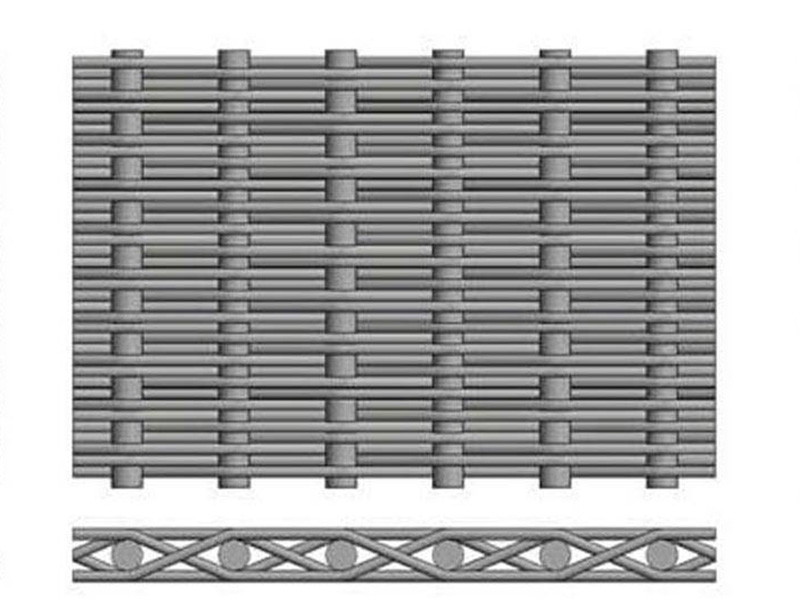
Square woven mesh has directly measurable openings between adjacent wires. Dutch weave uses unequal warp and weft wires packed into a dense structure, so fluid follows an indirect pore path.
The navigation Dutch weave mesh product family remains the core category page. This non-navigation page provides the detailed stainless steel commercial specification and RFQ path.
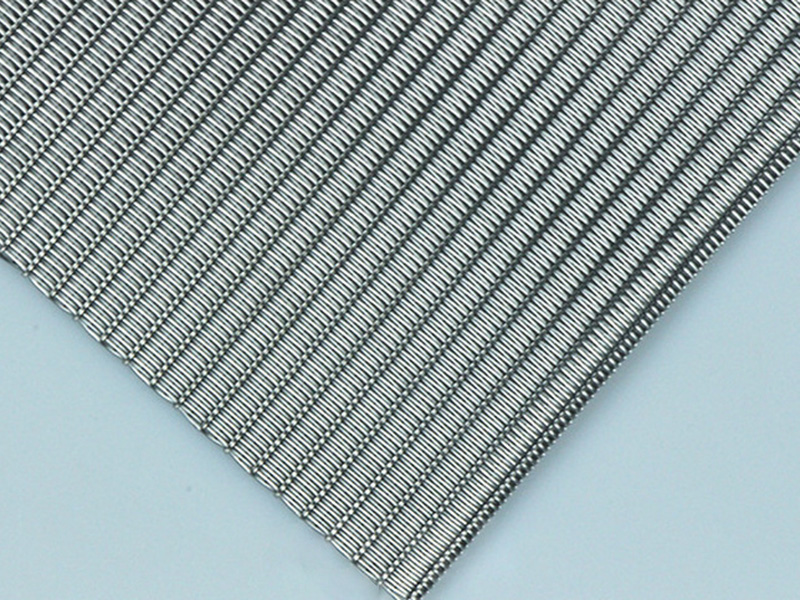
Unequal warp and weft wires form an indirect filtration pore path.
Reference designations can shortlist a construction, but the purchase order should identify the complete media and the basis of every filtration value.
Mobile: swipe sideways to view every column.
RFQ field
Required information
Why it matters
Weave construction
Plain, twill or reverse Dutch; warp × weft count; both wire diameters
Identifies the actual woven geometry
Retention basis
Pore, nominal, absolute or named test method and particle target
Prevents unsupported micron equivalence
Alloy
304, 316, 316L or drawing-specified material
Must suit process and cleaning chemistry
Operating duty
Medium, viscosity, temperature, flow, clean drop and differential pressure
Supports permeability and support review
Supply form
Roll width/length, slit roll, cut piece or finished-part drawing
Controls edges, layers, seams and tolerances
Purchase data
Cleaning, inspection, quantity and required documentation
Creates a comparable quotation
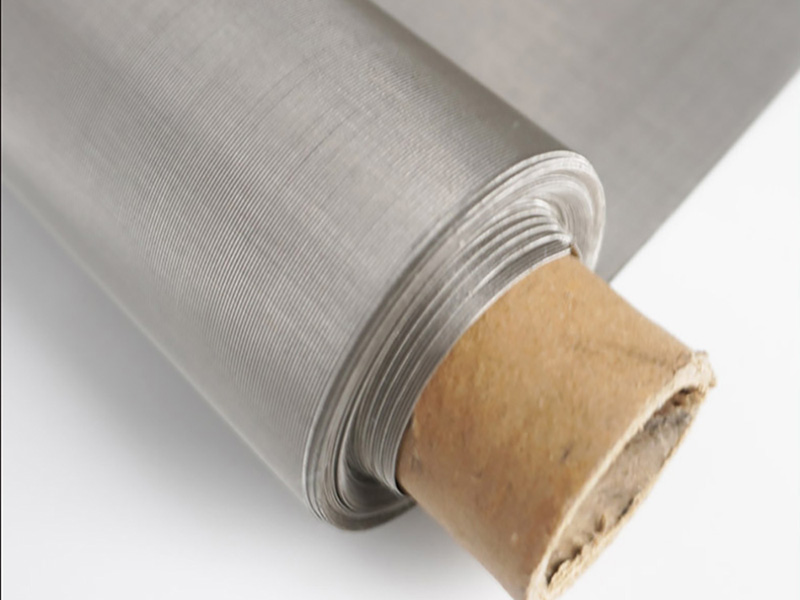
Fine Dutch weave media should be purchased from its complete warp and weft construction.
Micron Rating: State the Definition and Method
Dutch weave does not have a simple square aperture. Reported micron values may describe pore geometry, particle retention or results from different tests, so they cannot be compared without definitions.
Material selection begins with the actual process medium, concentration, temperature, contaminants, cleaning chemistry and any forming or joining requirements. A stainless grade name does not guarantee compatibility with every industrial fluid.
Define viscosity, temperature, flow, retention basis and differential pressure.
Polymer processing
Define melt or process duty, support, cleaning and finished screen/element form.
Chemical processing
Confirm alloy compatibility with actual chemicals and cleaning conditions.
Process liquid and gas
Connect required retention to permeability, support, seals and complete element design.
Real Maidong Dutch Weave Media and Component Examples
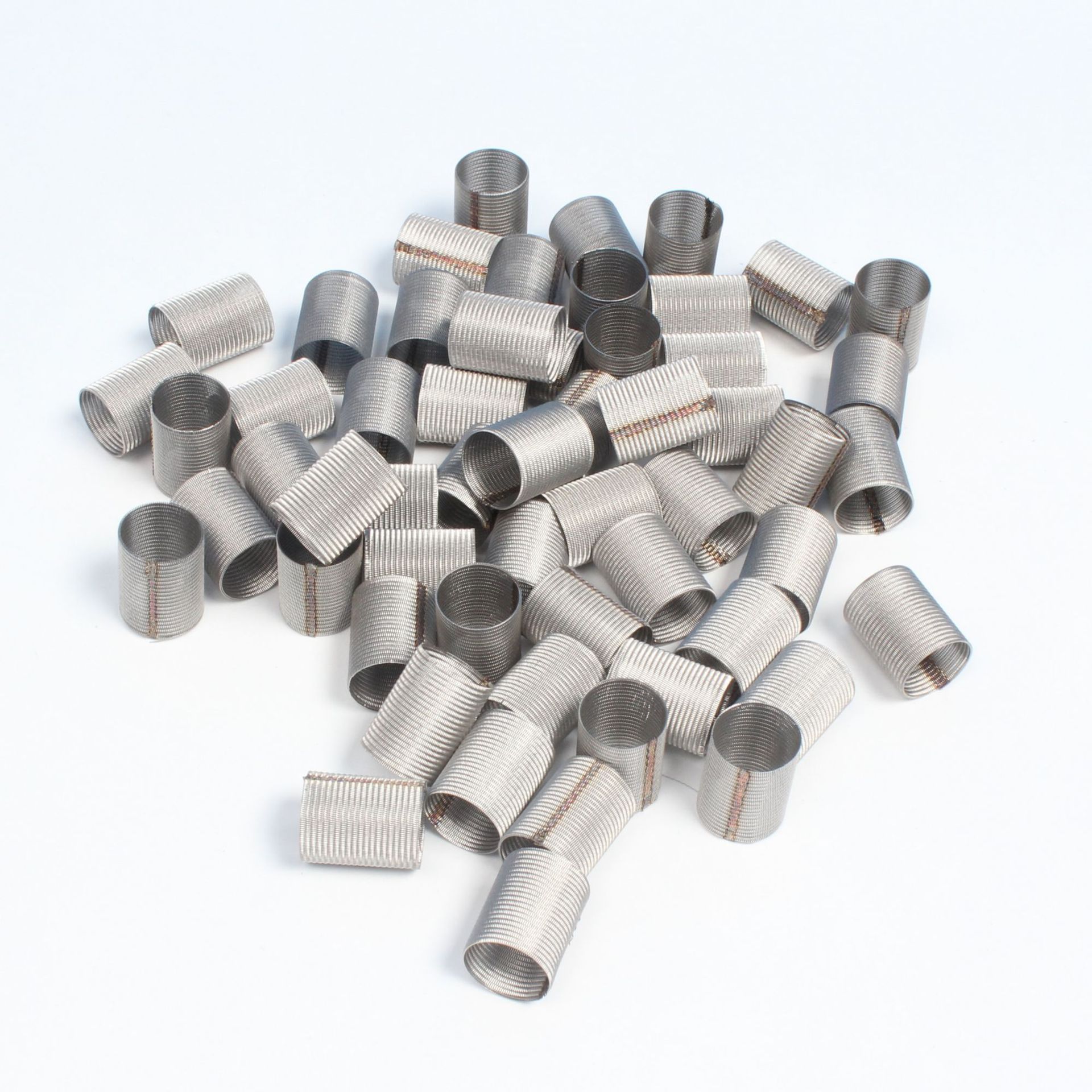
These real Maidong materials show dense roll media, wire structure and formed samples. They are visual examples, not universal micron, flow or pressure ratings.
Dense stainless steel Dutch weave filter media supplied in roll form.
Dense roll media
Fine Dutch weave media should be purchased from its complete warp and weft construction.
Fine filter mesh roll
Unequal warp and weft wires form an indirect filtration pore path.
Warp and weft structure
Dutch weave roll media can be reviewed for drawing-based filter components after the construction is fixed.
Formed mesh samples
How to Prepare a Dutch Weave Mesh RFQ
1. Define retention
State particle target and rating/test basis.
2. Define the process
Add medium, viscosity, temperature, flow and pressure.
3. Select the weave
State family, warp/weft counts and both wire diameters.
4. Select alloy and support
Define stainless grade, layers, flow direction and cleaning.
5. Complete the RFQ
Add roll or part dimensions, quantity and acceptance requirements.
It is a dense woven metal filter medium using unequal warp and weft wire systems. Closely packed wires create an indirect pore path rather than the directly measurable square opening found in ordinary square mesh.
The main families include plain Dutch, twill Dutch and reverse Dutch constructions. Each uses a different wire arrangement and must be selected from retention, permeability, pressure, support, cleaning and fabrication requirements.
No. The square-mesh aperture formula does not apply. Use construction-specific pore or retention data and state whether a value is geometric, nominal, absolute or based on a named test method.
304, 316 and 316L are common enquiries. The correct grade depends on the actual fluid or gas, concentration, temperature, contamination, cleaning chemistry and fabrication conditions.
Depending on the drawing, roll media may be reviewed for cut pieces, discs, tubes, pleated elements or supported assemblies. The finished part needs layer order, flow direction, support, joints, ends and tolerances.
Provide weave family, warp-by-weft count, both wire diameters, alloy, retention or test basis, operating medium, viscosity, temperature, flow, differential pressure, roll or part dimensions, cleaning and quantity.
Request a Dutch Weave Construction Review
Send the weave family, complete warp/weft construction, alloy, retention basis, operating conditions, supply form and quantity.