
Precision Screening Mesh for Industrial Sieving

INDUSTRIAL SIEVING SPECIFICATION GUIDE

Precision Screening Mesh for Industrial Sieving

Precision screening starts with measurable requirements—not a generic accuracy claim. Define the clear aperture, wire diameter, weave, alloy, opening tolerance, screen dimensions, edge construction, tensioning and operating duty before requesting a quotation.

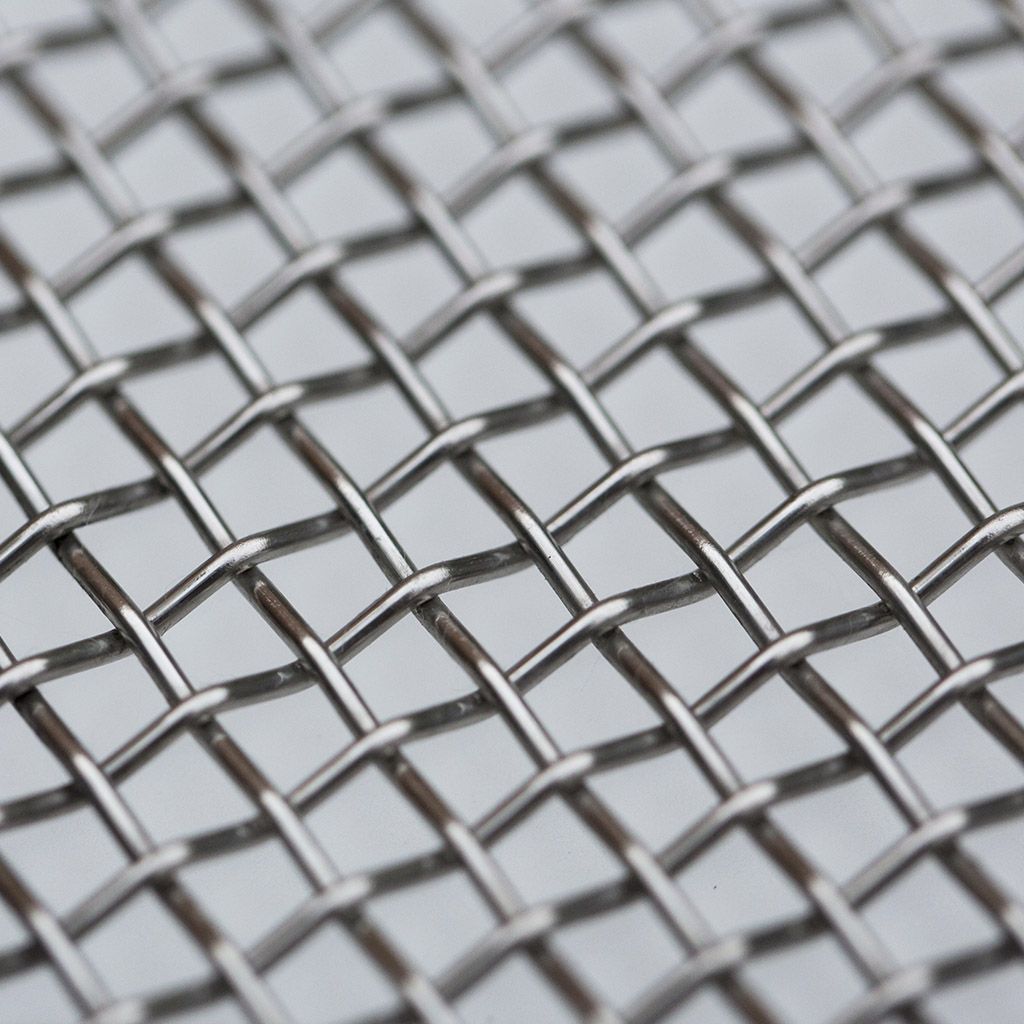
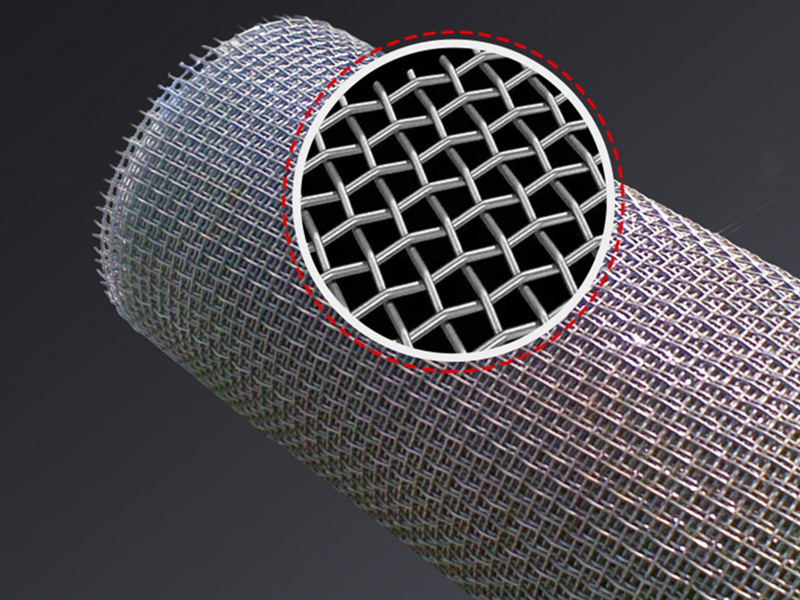
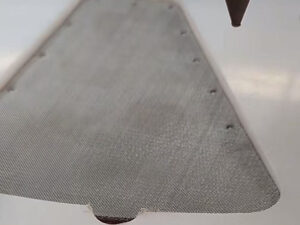
Close view of woven stainless steel screening mesh openings
Woven wire intersections and clear openings shown at close range.

What Makes a Screening Mesh Precise?

A useful precision specification tells the supplier what is to be controlled and how it will be checked. For particle classification, the mesh opening and its distribution matter; for installation, overall dimensions, edge form, flatness and tension can be equally important.

Defined aperture

State clear opening or complete mesh-count and wire-diameter data.

Controlled construction

Identify weave, alloy, wire condition and applicable dimensional standard.

Agreed inspection

Define sampling, measurement method, report and acceptance criteria.

Correct installation

Specify frame, hooks, edge preparation, tension and flow or vibration duty.

Precision Screening Mesh Specification Matrix

Use one controlled drawing or purchase specification. Where a value is not yet known, identify it for review instead of replacing it with a marketing adjective.

RFQ fieldWhat to provideWhy it matters
Separation targetParticle size, shape, distribution and what must pass or be retainedConnects mesh geometry to the actual duty
Mesh geometryAperture, wire diameter, mesh count and open area where applicablePrevents ambiguity from mesh count alone
Material and weaveAlloy/standard and plain, twill or agreed constructionDefines corrosion context and fabric geometry
Finished formatRoll, cut panel, disc, cylinder or framed screen; dimensions and tolerancesControls fit and conversion requirements
Operating dutyDry/wet, temperature, vibration, loading, cleaning and pressure differentialSupports selection of wire, support and edge construction
InspectionStandard, sampling, measurement, records and acceptance limitsTurns “precision” into verifiable criteria
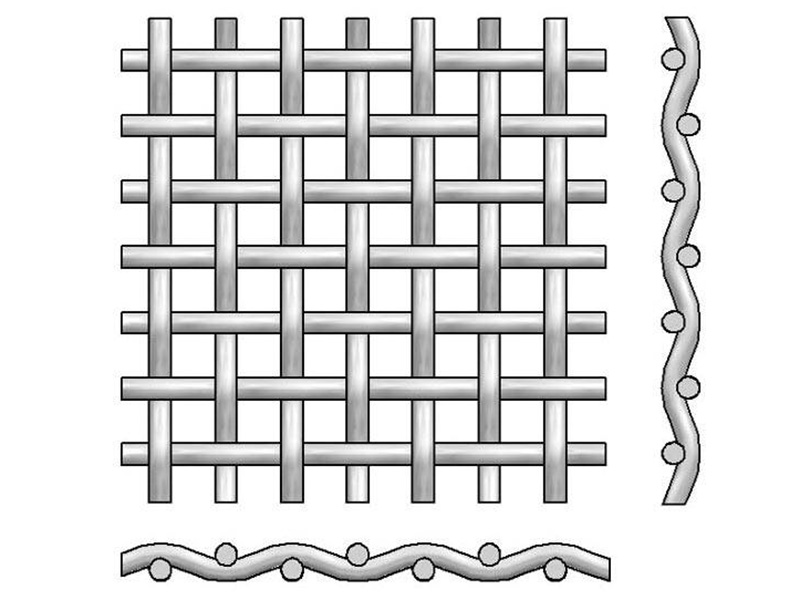
Plain weave wire mesh structure diagram
Plain weave alternates each warp and weft wire over and under.

Mesh, Aperture, Wire Diameter and Open Area

For ideal square woven mesh, aperture (mm) ≈ 25.4 ÷ mesh count − wire diameter (mm). Open area is then related to the square of aperture divided by pitch. These calculations are useful for preliminary selection, but actual supplied mesh remains subject to weave geometry, wire tolerances and the agreed inspection method.

Use the stainless steel wire mesh size chart and mesh-to-micron calculator for early comparison.

Available Screening Mesh Supply Formats

Woven mesh rolls

Specify width, length, edge condition, winding and packing requirements.

Cut sheets and panels

Provide finished length, width, squareness, flatness and edge treatment.

Discs and shaped screens

Send drawing, outside dimensions, central holes, rim or layer details.

Cylinders and framed screens

Define seam, support, ends, frame interface, flow direction and tolerances.

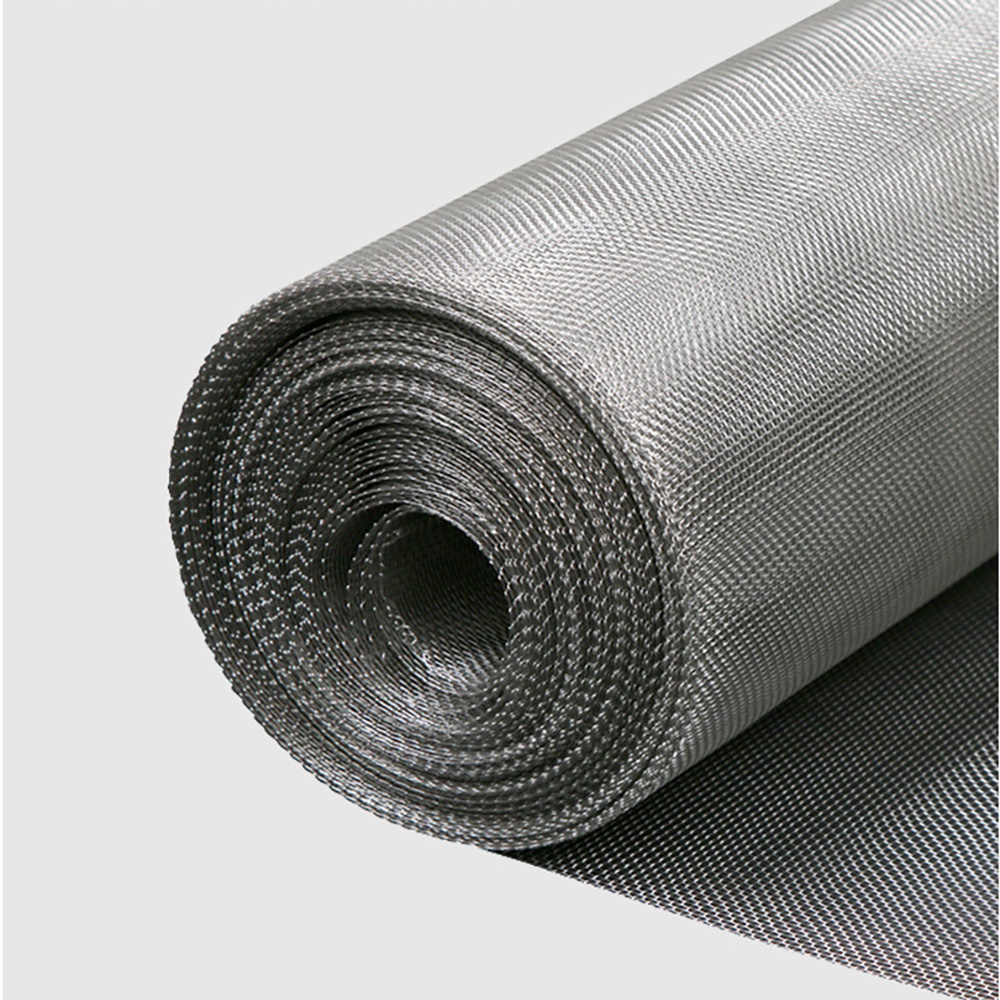
Stainless steel woven screening mesh roll
Real Maidong stainless steel woven mesh in roll form.
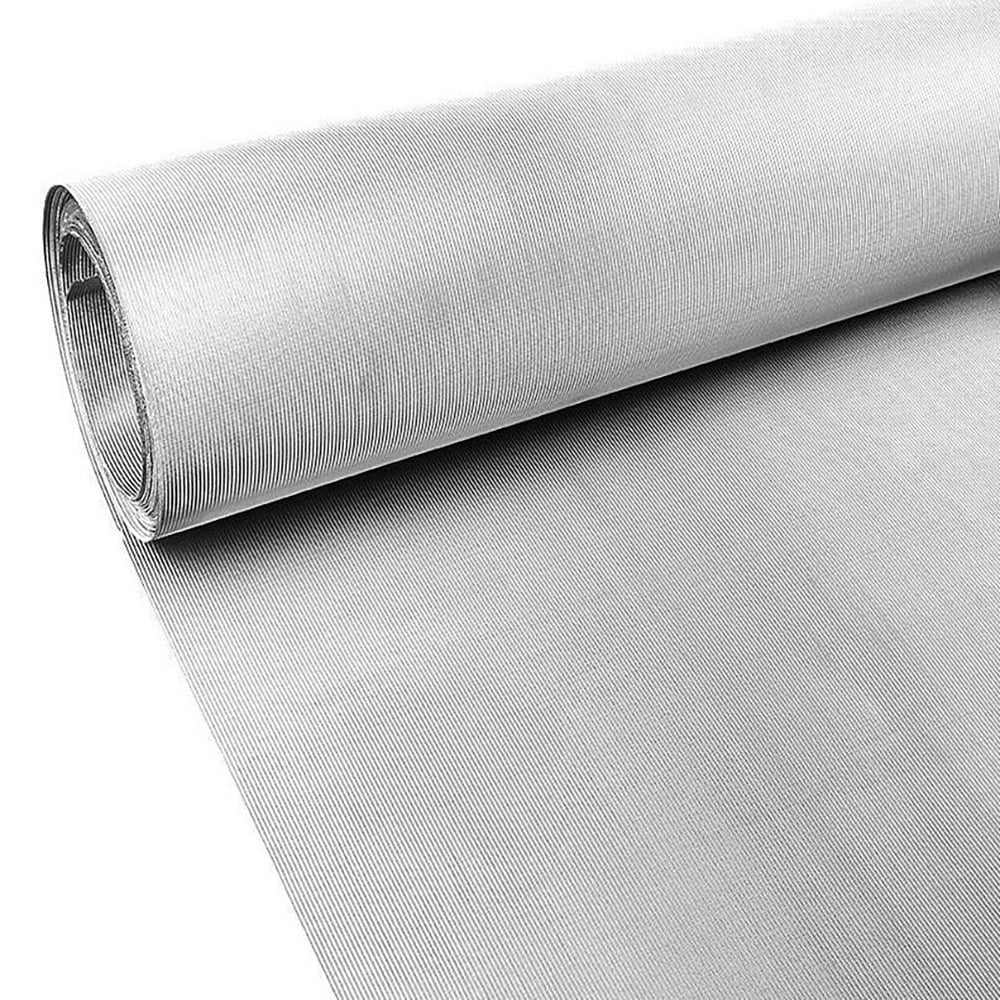
Fine woven stainless steel screening mesh roll
Fine woven mesh prepared for roll or converted-component enquiries.

Industrial Screening Applications

Powder classification

Dry screening where particle distribution, loading and blinding tendency must be described.

Granule sizing

Separation or protection duties requiring a defined pass/retain target.

Process-liquid straining

Wet screening where viscosity, temperature, chemistry and cleaning affect selection.

Equipment protection

Screens used upstream of nozzles, valves, pumps or process equipment to retain debris.

Application examples describe possible duties, not guaranteed performance. Screening efficiency and service life depend on the complete machine, feed, loading, installation and operating conditions.

How to Choose a Screening Mesh

1. Define the cut objective. State what must pass and what must be retained.

2. Select geometry. Compare aperture, wire diameter, open area and weave.

3. Review material. Match the alloy to process and cleaning chemistry; see 304 vs 316 stainless steel mesh.

4. Engineer the finished screen. Add dimensions, edges, supports, seams and tensioning.

5. Agree verification. Put the inspection and acceptance criteria on the RFQ.

Close view of woven stainless steel screening mesh openings
Woven wire intersections and clear openings shown at close range.

Real Maidong Screening Mesh Examples

Close view of woven stainless steel screening mesh openings
Woven wire intersections and clear openings shown at close range.

Opening detail

Stainless steel woven screening mesh roll
Real Maidong stainless steel woven mesh in roll form.

Woven mesh roll

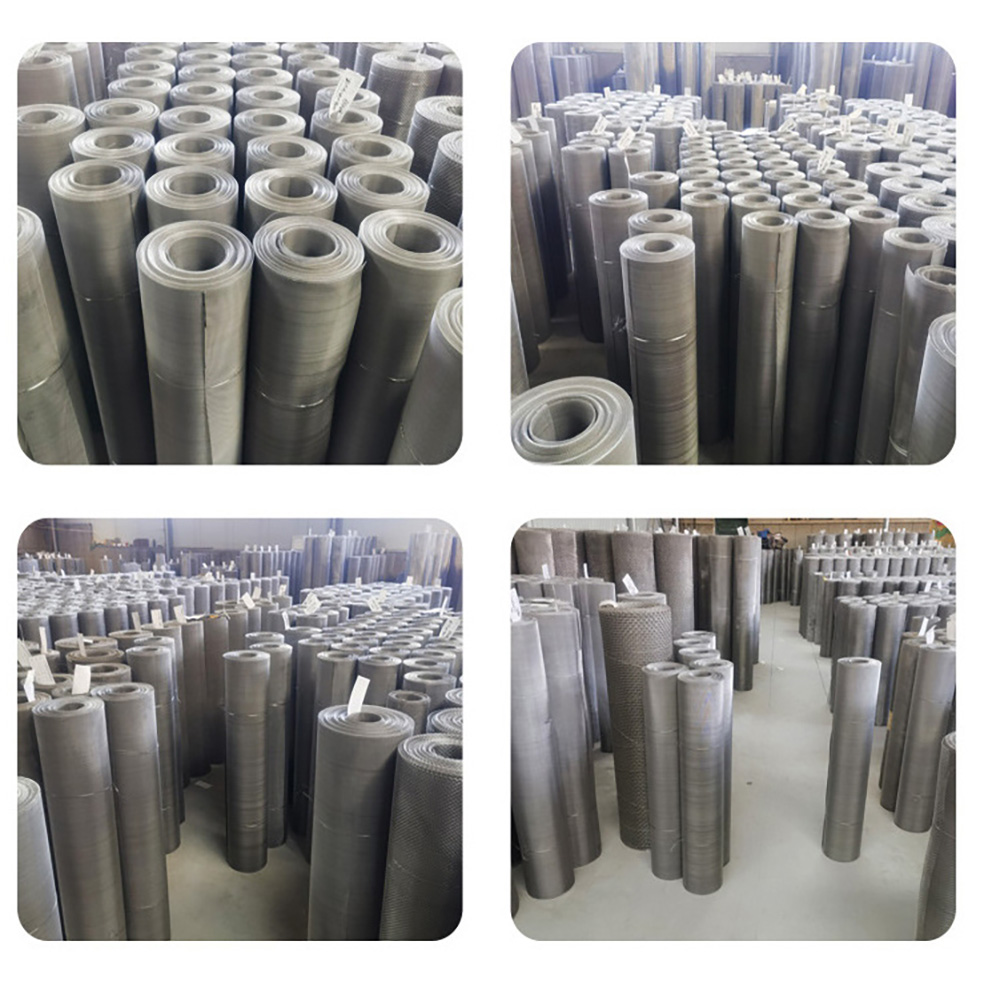
Industrial stainless steel screen mesh rolls
Stainless mesh rolls for specification-led industrial screening enquiries.

Industrial mesh rolls

These photos show real Maidong woven mesh materials and supply forms. Final aperture, wire, alloy, dimensions and inspection requirements must be confirmed for each order.

Prepare a Complete Screening Mesh RFQ

Particle data

Target size, distribution, shape, moisture and loading.

Mesh data

Aperture/rating basis, wire diameter, count, weave and alloy.

Finished screen

Roll/panel size, frame, hooks, edges, support, seams and tolerance.

Duty and inspection

Dry/wet duty, vibration, temperature, cleaning, standard and quantity.

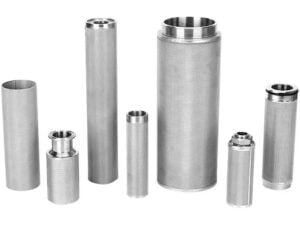
For base material options, review stainless steel wire mesh and stainless steel mesh rolls. For fabricated cylindrical forms, see wire mesh filter cylinders.

Precision Screening Mesh FAQ

It means the screen is specified and evaluated against defined opening, wire, weave, dimensional and inspection requirements. The word precision alone is not a measurable purchase specification.

No. Mesh count must be paired with wire diameter or clear aperture. Two meshes with the same count can have different openings and open areas.

For an ideal square mesh, aperture in millimetres is approximately 25.4 divided by mesh count minus wire diameter in millimetres. Actual supplied mesh should be confirmed by the agreed standard and inspection method.

Select the alloy from the process environment, temperature, cleaning chemistry and corrosion exposure. The grade name does not replace a compatibility review.

Opening distribution, wire diameter, weave, tension, flatness, edge condition, frame support, particle shape, loading, vibration and blinding can all affect screening behaviour.

Provide particle target, required aperture or rating basis, mesh and wire data, alloy, weave, roll or panel size, edge or hook details, tensioning method, operating conditions, inspection requirements and quantity.

Request a Screening Mesh Specification Review

Send particle data, aperture or mesh/wire requirements, alloy, finished dimensions, edge or frame details, operating conditions, inspection criteria and quantity.

Need help choosing the right mesh?

Related Articles