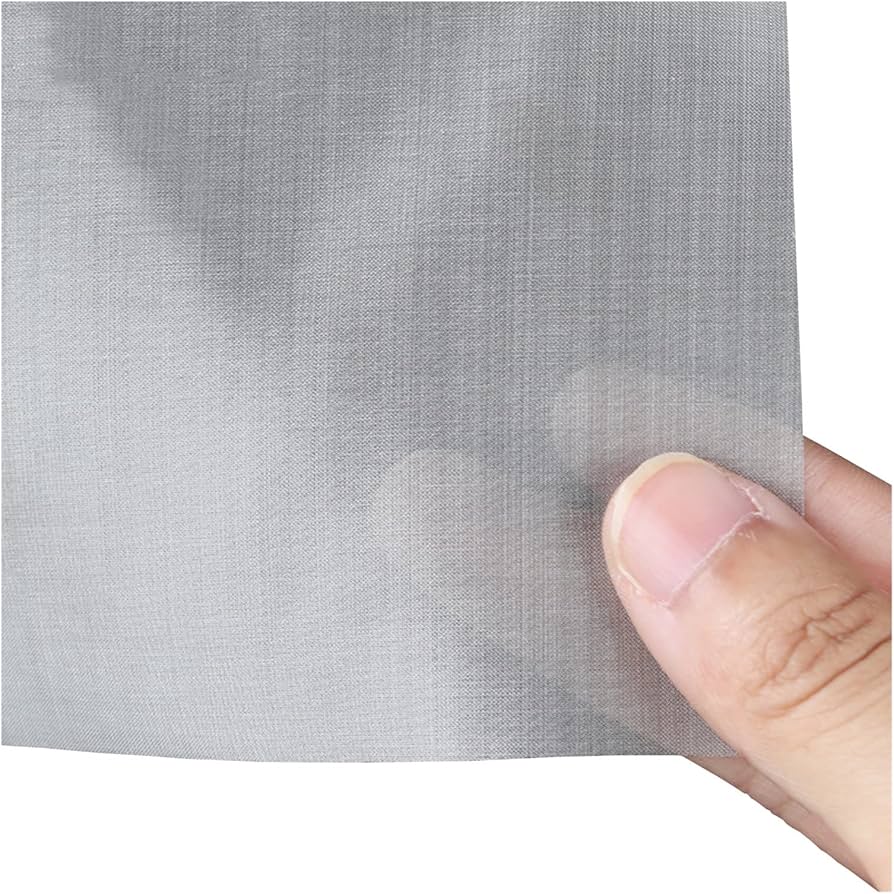
Stainless Steel Wire Mesh Rolls for Industrial Supply
Maidong reviews stainless steel wire mesh roll enquiries by complete mesh geometry and roll format. Specify the grade, weave, mesh count, wire diameter or aperture, roll width, length, edge condition, core, winding and tolerances required for your downstream process.
Roll dimensions, mesh construction and handling format should be confirmed in the purchase specification.
A Mesh Roll Is a Technical Supply Form
This page focuses on roll-format purchasing rather than the full stainless steel wire mesh supplier scope. A technically comparable roll quotation must identify both the woven media and how the material is wound, edged and dimensioned.
Mesh construction
Grade, weave, count, wire diameter, aperture and tolerance.
Roll dimensions
Width, length, width tolerance and any permitted joints.
Edge condition
Woven edge, trimmed edge or slit edge as applicable.
Handling format
Core, winding direction, roll protection and downstream unwinding.
Stainless Steel Mesh Roll Specification Checklist
Roll width and mesh count alone do not define an equivalent product. Use the full checklist when requesting or comparing quotations.
Mobile: swipe sideways to view every column.
Roll RFQ field
Information to provide
Purchasing reason
Material
304, 304L, 316, 316L or required designation
Controls compatibility and documentation basis
Weave and geometry
Weave, mesh count, wire diameter, aperture or Dutch construction
Defines opening, pore path and open area
Roll size
Width, length, units and dimensional tolerances
Controls downstream yield and fit
Edges
Woven, trimmed or slit; acceptable loose wires or distortion
Affects handling and processing
Winding
Core ID/material, winding direction and roll orientation
Supports equipment loading and unwinding
Process duty
End use, medium, temperature, forming and cleaning
Connects mesh and roll format to application
Acceptance
Quantity, inspection, drawing/specification and documents
Makes quotations and deliveries comparable
Square mesh requires mesh count and wire diameter or aperture to be stated together.
Square Woven Mesh Rolls
Plain and twill square mesh use direct openings. Specify mesh count and wire diameter together, or state the required aperture and tolerance. The mesh-to-micron calculator can check nominal square-opening geometry.
Woven width retained; define edge condition and width tolerance.
Slit roll
Narrower width with separate slitting, edge and rewind requirements.
Cut length
Specified sheet length from roll media, with flatness and edge expectations.
Further fabrication
Discs, cylinders and formed parts require a separate finished drawing.
Dutch Weave Filter Mesh Rolls
Dutch weave uses different warp and weft geometry to form an indirect filtration path. A valid roll specification includes weave subtype, warp × weft count, both wire diameters, material, roll dimensions, tolerance and the stated rating basis.
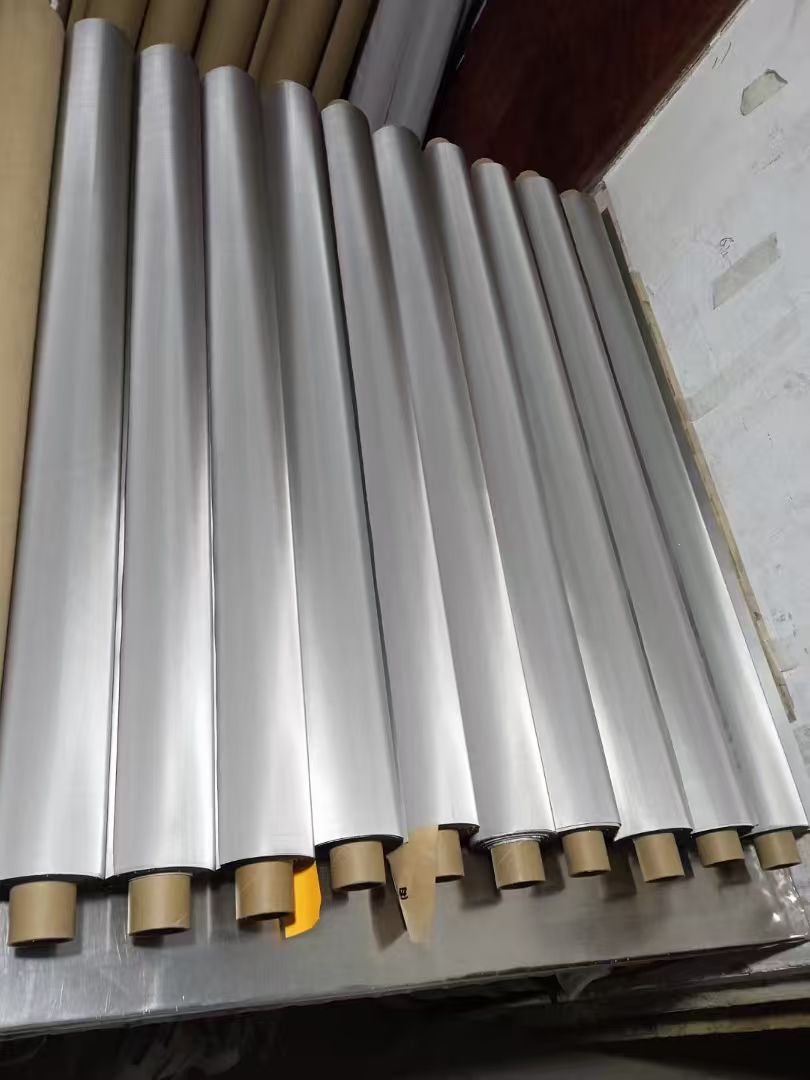
Core, winding direction and roll protection can be stated where handling is important.
Roll Core, Winding and Protection
Where downstream equipment or handling is sensitive, state the required core inside diameter and material, mesh-out or mesh-in orientation, winding direction, roll position, edge protection and allowable roll distortion. Do not leave these details to assumptions when they affect processing.
Process reference: woven cloth and a take-up roller. This 6-second silent clip illustrates handling in roll form; it does not establish material grade, roll length or inspection results. Factory ownership is not attributed.
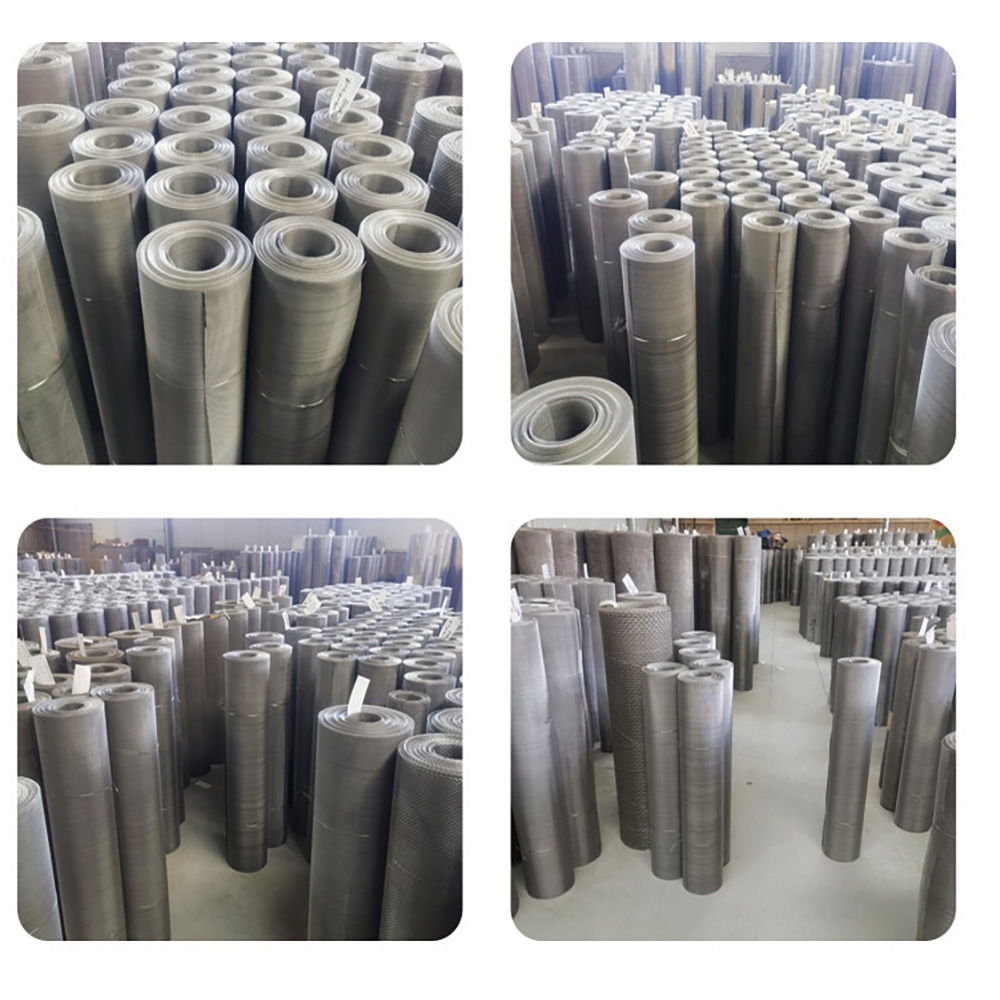
Real Stainless Steel Mesh Roll Examples
Roll dimensions, mesh construction and handling format should be confirmed in the purchase specification.
Multiple roll formats
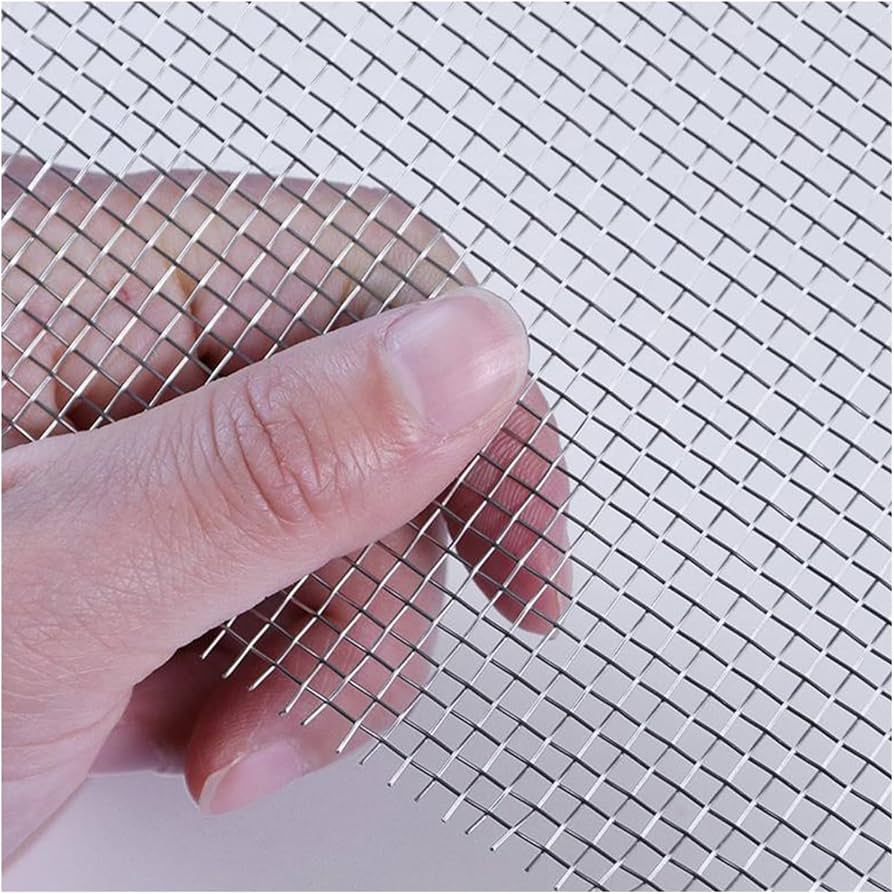
Fine mesh needs careful definition of wire geometry, width tolerance and edge condition.
Fine woven mesh
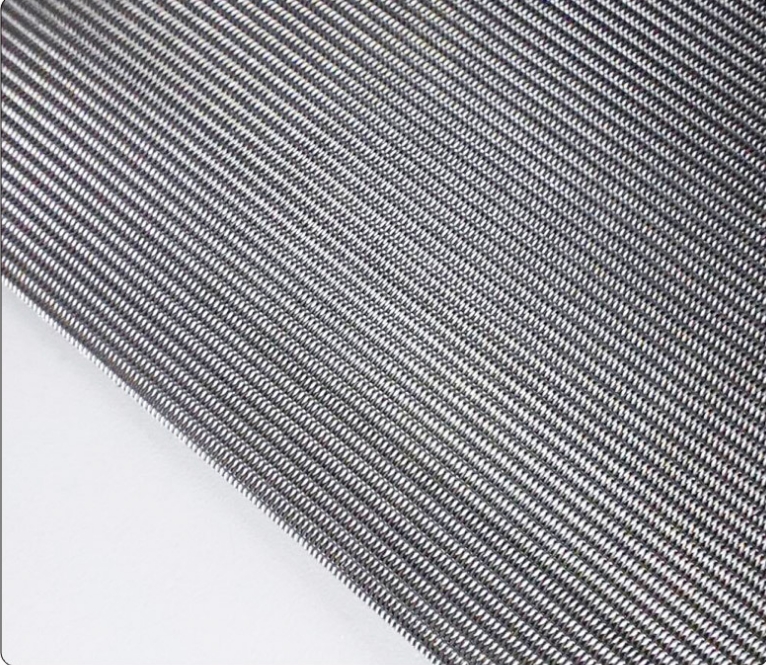
Dutch weave roll specifications require warp and weft counts, both wire diameters and rating basis.
Dense filter weave
These images demonstrate different roll and weave appearances. They are not a stock list or a substitute for the confirmed mesh and roll specification.
Typical Downstream Uses
Industrial filtration
Roll media converted into discs, tubes, cylinders or supported elements.
Screening and separation
Square openings selected for the required particle separation.
OEM conversion
Slitting, cutting or forming according to downstream drawings.
Equipment protection
Mesh screens prepared for guards, inlets or process passages.
Woven, trimmed or slit with acceptable edge quality.
4. Define handling
Core, winding, orientation and protection where required.
5. Define acceptance
Quantity, end use, inspection and required documentation.
Roll dimensions, mesh construction and handling format should be confirmed in the purchase specification.
Send a Complete Roll Specification
Provide the woven mesh specification, roll dimensions, edge, core, winding, tolerance, end use and quantity. If the roll will be converted into a finished part, attach the downstream drawing as well.
State the material grade, weave, mesh count and wire diameter or aperture, roll width and length, width tolerance, edge condition, winding direction, core requirement, quantity and operating purpose.
A full-width roll retains the supplied woven width, while a slit roll is cut to a narrower width. Slitting introduces separate width, edge quality, winding and handling requirements that should be stated in the RFQ.
No. For square mesh, wire diameter changes aperture and open area at the same mesh count. Add weave, wire diameter or aperture, material, roll dimensions, tolerance and edge requirements.
304, 304L, 316 and 316L are common industrial enquiries. Grade selection depends on process chemistry, temperature, cleaning, fabrication and the governing material requirement.
Dutch weave roll requirements can be reviewed, but the specification should include weave subtype, warp and weft counts, both wire diameters, material, width, length, rating basis and tolerances.
Where relevant, state core inside diameter, winding direction, maximum acceptable telescoping or edge distortion, roll protection and how the material will be unwound or processed.
Request a Stainless Steel Mesh Roll Quotation
Send the mesh, roll-format and acceptance details for an industrial supply review.