
Custom Stainless Steel Coffee Filter Mesh Components

stainless steel wire mesh filter for beverage filtration
OEM REUSABLE BREWING FILTER COMPONENTS

Coffee Filter Mesh Built to the Brewing Geometry

Stainless steel coffee filter mesh can be fabricated into reusable cones, flat discs, cylindrical baskets and appliance-specific screens. A useful OEM specification combines mesh opening and wire data with the finished shape, edge, seam, support and equipment interface.

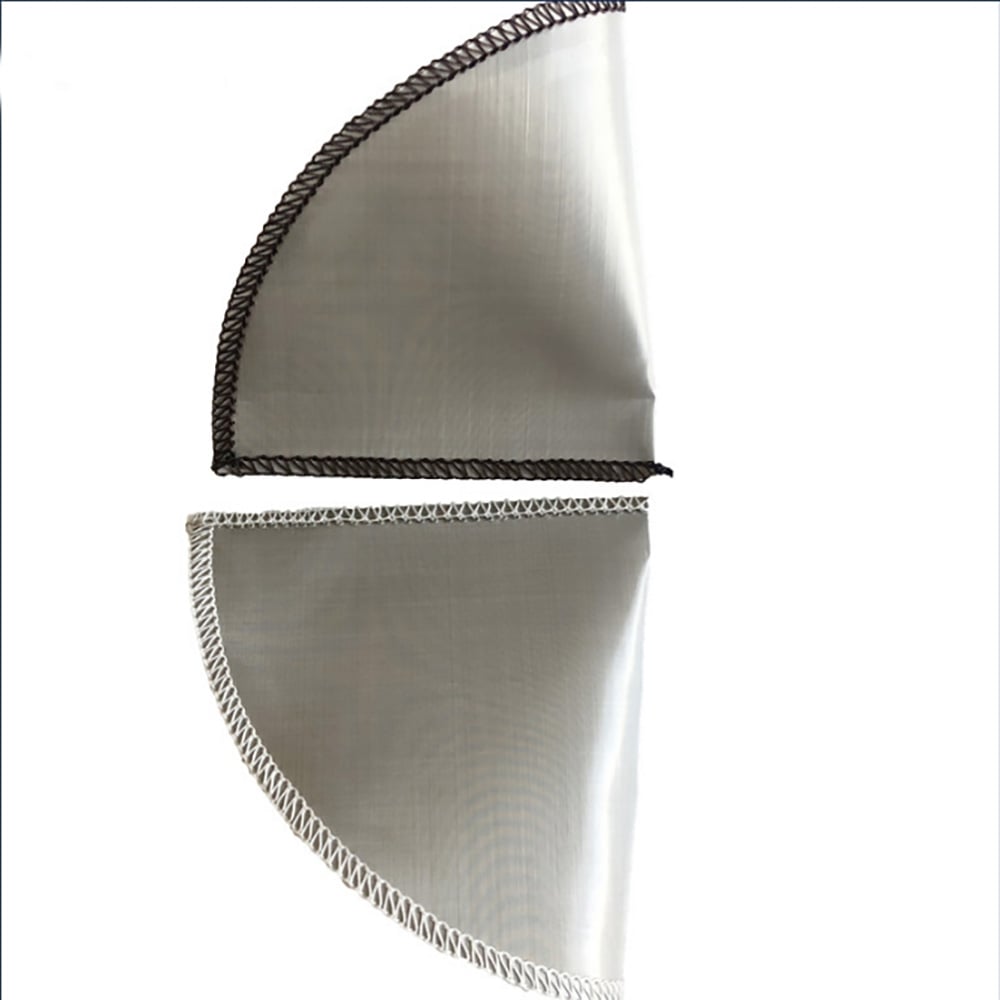
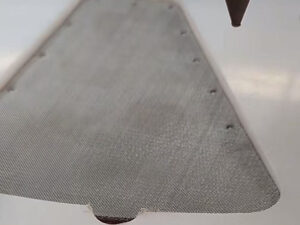
Stainless steel coffee filter mesh cone panels with finished stitched edges
Conical mesh panels require defined angle, seam, edge and finished dimensions.

Coffee Filter Mesh Is a Medium and a Finished Component

Filtration medium

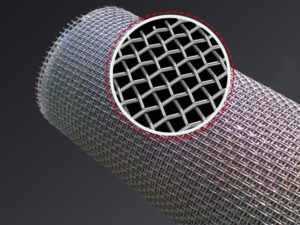
Mesh count, wire diameter, aperture, weave and open area.

Brewing geometry

Cone angle, disc diameter, basket depth and effective area.

Edge and seam

Rim, stitched/welded seam, fold or frame defined by drawing.

Equipment interface

Support ring, flange, handle, seat and installed clearance.

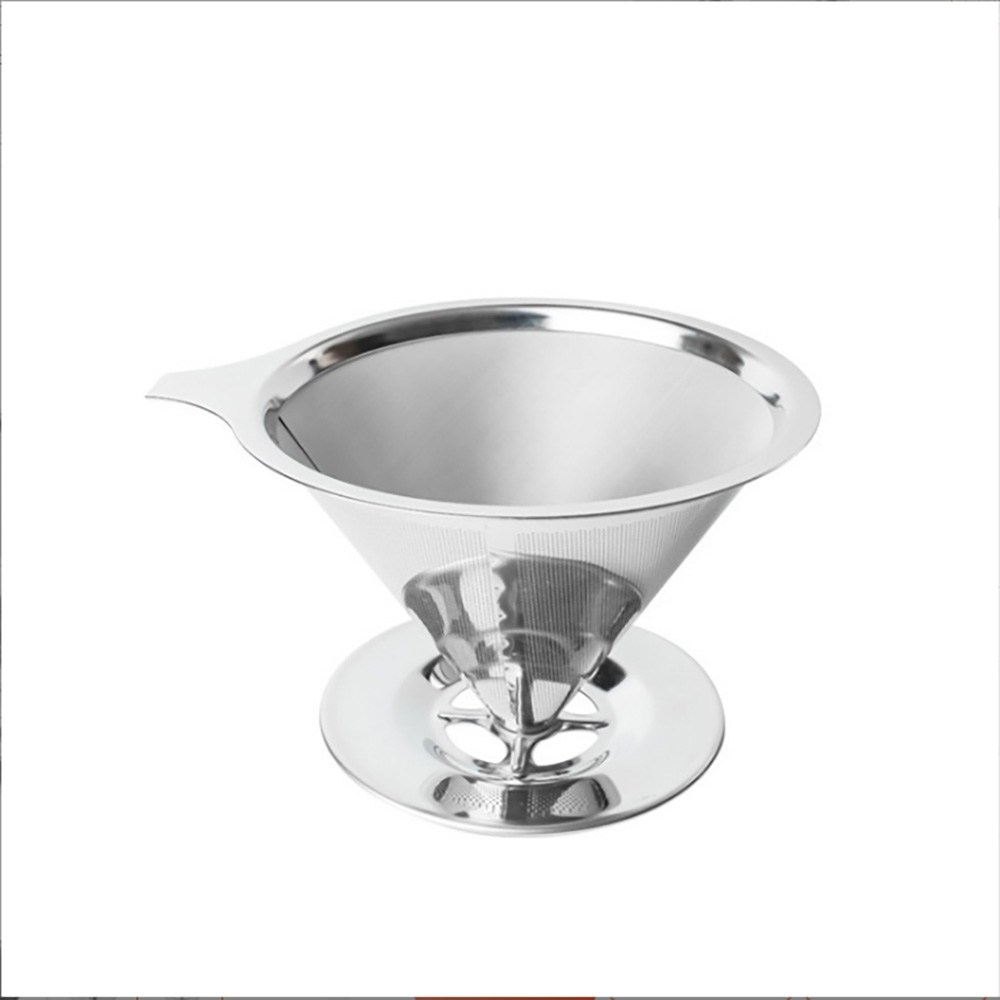
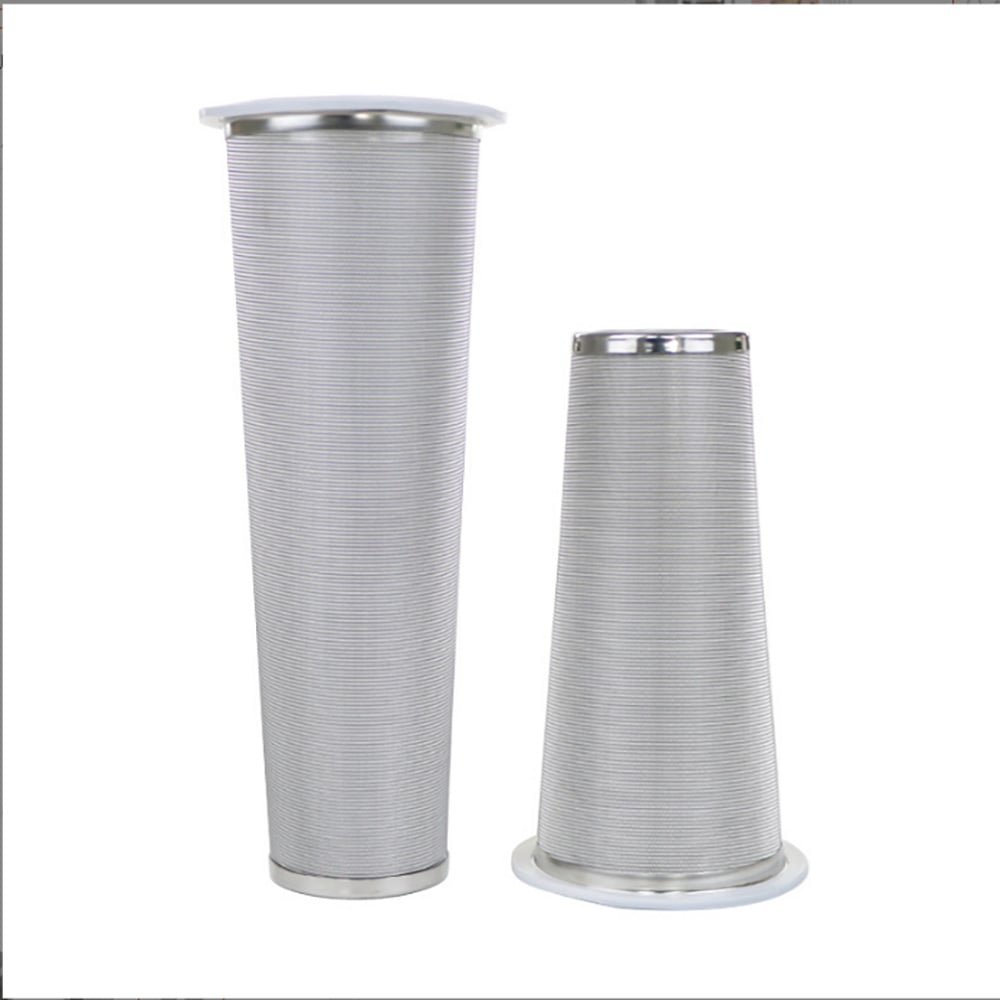
Reusable stainless steel pour over coffee filter with cone geometry
A reusable cone combines fine mesh, a formed body and a brewer-specific support interface.

Cone and Pour-Over Filter Structures

A cone converts flat mesh into a three-dimensional flow surface. Specify top diameter, cone angle, height, bottom geometry, overlap or seam, rim and support interface. The mesh choice affects particle passage and resistance, while cone area and coffee bed conditions also affect flow.

For other drawing-defined conical screens, review custom conical wire mesh filters.

Stainless Steel Coffee Filter Specification Table

Specification fieldWhat to defineWhy it matters
Mesh constructionMesh count + wire diameter or clear aperture and weaveDefines the physical opening structure
Material requirementRequired grade/standard and buyer-required documentationSupports material and market-compliance review
Finished geometryCone, disc, cylinder or drawing-defined profileControls area, fit and brewing interface
Edge and seamRim, fold, overlap, joining and permissible projectionsAffects handling, cleaning and bypass paths
Critical dimensionsDiameter, height, angle, thickness, flatness and tolerancesDetermines repeatable equipment fit
Use and cleaningBrewing process, cleaning method and expected handlingGuides media support and edge review

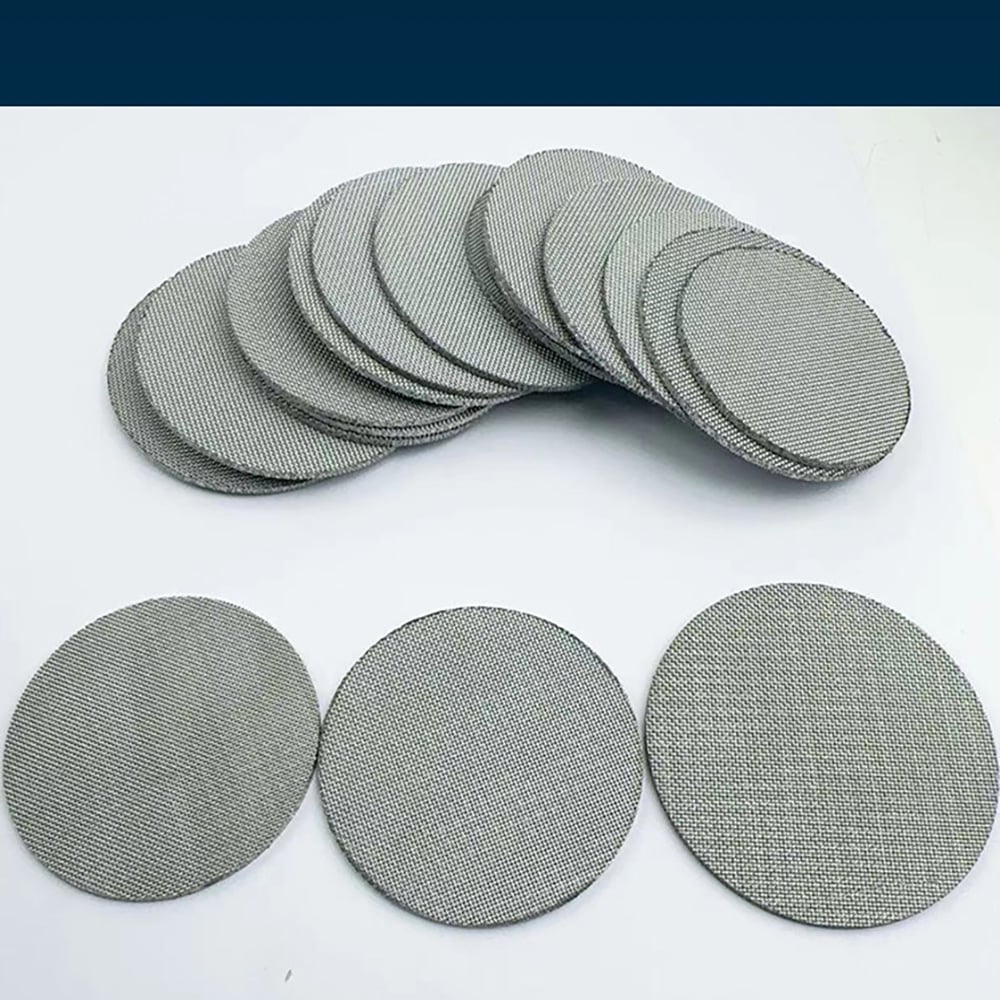
Flat Coffee Filter Discs

Flat discs can be used as removable screens or as media inside a supported assembly. Define outside and inside diameter, mesh orientation, plain or finished edge, support layers, flatness and the active filtration area after the rim.

Compare the broader custom stainless steel filter disc product scope and the filter disc selection guide.

Round stainless steel mesh coffee filter discs in several diameters
Flat filter discs can be cut to drawing-defined diameter and media construction.
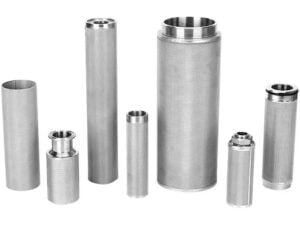
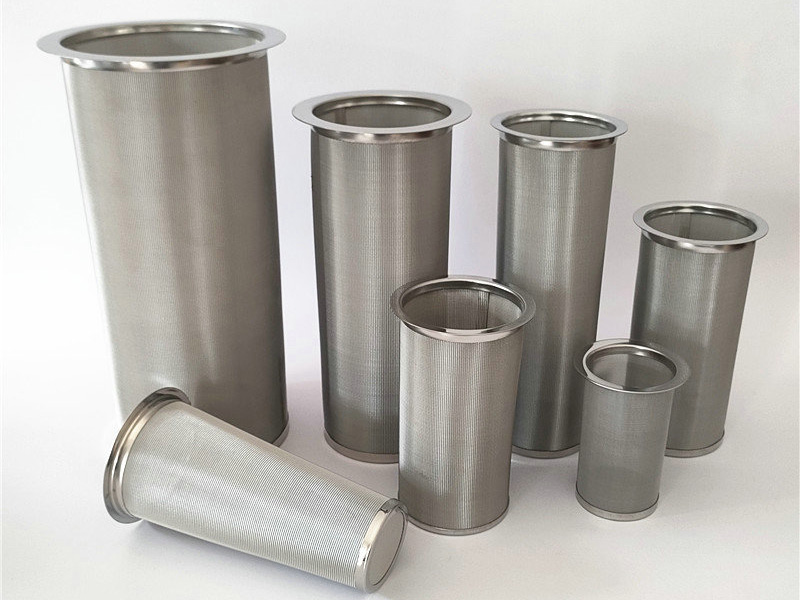
Cylindrical and conical stainless steel coffee filter basket components
OEM basket geometry can be cylindrical or tapered with drawing-specific rims and supports.

Cylindrical and Basket-Style Screens

Cylindrical or tapered baskets provide a larger three-dimensional filtration surface and may include a rim, base or supporting frame. A buyer drawing should identify installed direction, top and bottom interfaces, seam, overall dimensions and cleaning access.

Use the custom wire mesh filter cap page when a small formed cap—not a brewing basket—is the required structure.

How Mesh Opening Influences Brewing Flow

Opening and wire

Together they define the physical passage and open-area geometry.

Effective area

Cone or basket area influences available flow surface.

Coffee particle distribution

Grind fines can change resistance during brewing.

Cleaning condition

Retained oils and particles can change flow between uses.

Do not select using mesh count alone. For square woven mesh geometry, use the mesh-to-micron calculator with the actual wire diameter; it does not predict beverage taste or complete filter performance.

Material and Buyer Compliance Requirements

The purchasing specification should state the required stainless steel grade or standard and any food-contact, market or documentation requirements that apply to the finished product. These requirements vary by destination and intended use and must not be inferred from the phrase “stainless steel.”

Use the 304 vs 316 stainless steel mesh guide for a technical comparison, then apply the buyer’s actual regulatory and cleaning requirements.

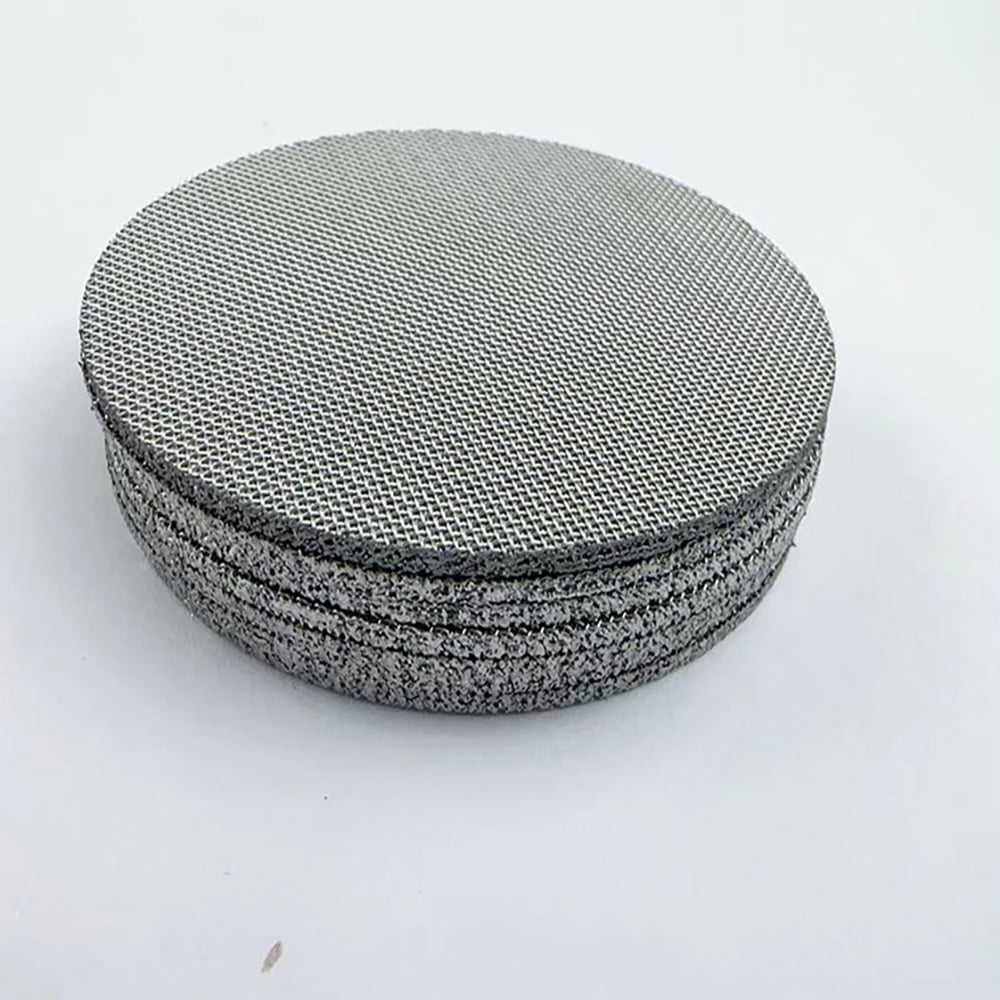
Stack of round stainless steel coffee filter mesh discs
Disc diameter, edge condition, flatness and mesh specification should be controlled together.

Real Maidong Coffee Filter Component Examples

These images show real mesh cones, discs and basket-style components from the Maidong material library. They illustrate possible forms only; final dimensions, material, mesh and manufacturability are confirmed from the RFQ.

Reusable stainless steel pour over coffee filter with cone geometry
A reusable cone combines fine mesh, a formed body and a brewer-specific support interface.

Reusable cone

Round stainless steel mesh coffee filter discs in several diameters
Flat filter discs can be cut to drawing-defined diameter and media construction.

Round mesh discs

Cylindrical and conical stainless steel coffee filter basket components
OEM basket geometry can be cylindrical or tapered with drawing-specific rims and supports.

Basket structures

Five-Step OEM Coffee Filter Selection

1. Define the brewing system

Show the holder, appliance or installed interface.

2. Specify the mesh

Provide opening/mesh, wire, weave and required material.

3. Complete the geometry

Add cone angle, diameter, height, base and effective area.

4. Define edge and seam

State rim, joining, support and permitted projections.

5. Send acceptance data

Include tolerances, cleaning, documents, quantity and drawing.

Stainless Steel Coffee Filter Mesh FAQ

It is woven stainless steel screen fabricated into a cone, disc, basket or appliance-specific component for reusable brewing filtration. The finished part includes both the mesh medium and its supporting geometry or edge.

There is no universal mesh size. Selection depends on grind distribution, desired flow, effective area, support, cleaning and the brewing system. Specify mesh count with wire diameter or clear aperture for square woven mesh.

No. A micron value should be linked to the actual mesh construction and opening basis. The finished filter also depends on open area, cone or basket geometry, seam, edge and installed support.

Maidong can review drawing-defined cone, disc and basket enquiries using the available mesh and fabrication structure. Final manufacturability is confirmed from dimensions, tolerances, edge, seam, quantity and sample or drawing.

The buyer should state the required grade, applicable food-contact or market requirements and documentation. Material selection depends on the application, cleaning chemistry, temperature and purchasing specification.

Provide the mesh or aperture, wire diameter, required material standard, finished geometry, dimensions, edge and seam, support parts, tolerances, cleaning conditions, quantity and drawing or sample reference.

Send Your Coffee Filter Drawing or Sample Requirements

Provide the mesh, wire, material requirements, finished geometry, edge, seam, support, tolerances, cleaning conditions, quantity and drawing revision.

Need help choosing the right mesh?

Related Articles