Dutch weave stainless steel mesh is used as metal filter media in polymer and plastic processing where particle retention, melt flow, pressure resistance and screen format must be balanced. Select it from the complete weave, rating basis and operating duty—not from a standalone micron value.
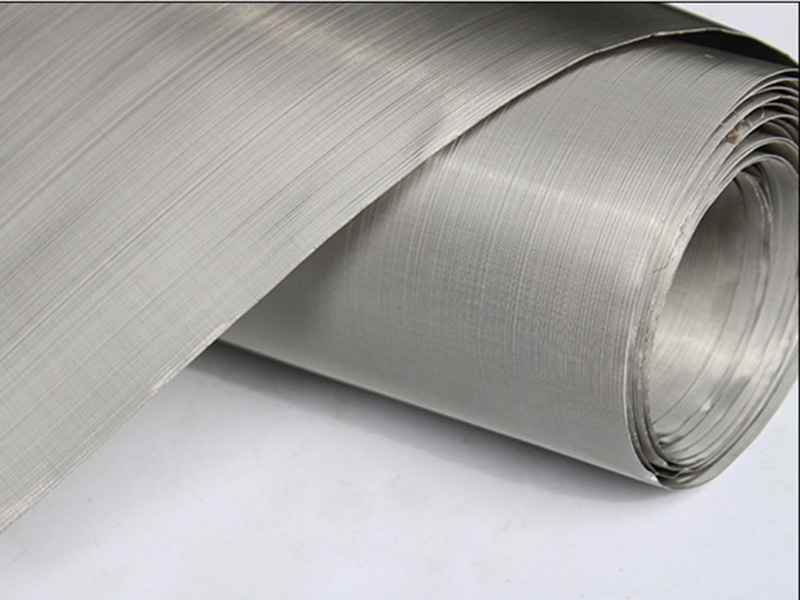
Dense Dutch weave mesh supplied in roll form for process-specific filtration.
Why Dutch Weave Mesh Is Considered for Polymer Filtration
Dense warp and weft wires create a tortuous pore path while retaining a woven metallic structure. This can support fine contaminant removal in polymer melt duties, but the final choice depends on resin, melt temperature, viscosity, differential pressure, throughput, screen changer and acceptable change-out interval.
Polymer processing conditions determine media, support and change-out requirements.
Five Inputs That Control Media Selection
Contaminant target
State particle type, size range and the required retention definition.
Melt conditions
Provide polymer, temperature and viscosity or process description.
Pressure duty
Include normal and maximum differential pressure and flow direction.
Screen format
Define roll, disc, pack, layer order, edge and support.
Change-out method
Describe cleaning, replacement frequency and handling constraints.
Polymer Filtration Mesh RFQ Checklist
Use a complete media-and-process specification when comparing constructions or requesting a quotation.
Specification field
What to provide
Purchasing reason
Weave construction
Plain/twill/reverse Dutch, warp × weft count and both wire diameters
Defines the actual media geometry
Filtration basis
Target plus nominal/absolute/pore/test definition
Avoids unsupported micron equivalence
Process duty
Polymer, temperature, viscosity, flow and differential pressure
Connects media choice to the melt process
Screen construction
Diameter/shape, layers, support, flow direction and edge
Defines fit and mechanical support
Acceptance
Dimensions, tolerances, inspection and quantity
Creates a verifiable RFQ and order
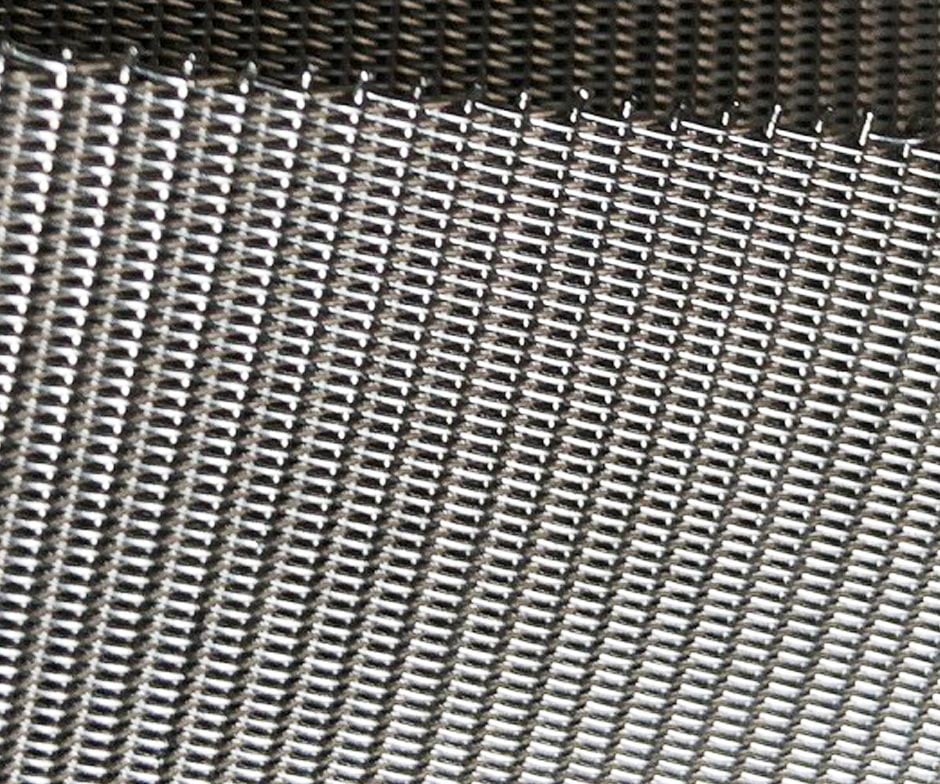
Dense warp and weft geometry creates an indirect filtration path.
Plain, Twill or Reverse Dutch Weave?
Plain Dutch uses a plain interlacing sequence. Twill Dutch allows denser paired interlacing. Reverse Dutch reverses the usual count relationship and serves a different mechanical and filtration intent.
A construction-specific estimate or measurement of pore geometry.
Particle retention
A result tied to a defined challenge material and test procedure.
Nominal vs absolute
Terms that require a stated efficiency or acceptance definition.
Dutch weave has no directly measurable square opening. Review the Dutch weave micron-rating guide; do not apply the square-mesh conversion formula to this media.
Materials, Layers and Support
304, 316 and 316L stainless steel are common enquiry materials, subject to compatibility with the polymer, additives, temperature, cleaning and fabrication. See the 304 vs 316 selection guide.
A screen may use a fine filtration layer with one or more coarser support layers. State layer order, flow direction, support geometry, edge construction and whether layers are loose, bonded or otherwise joined in the drawing.
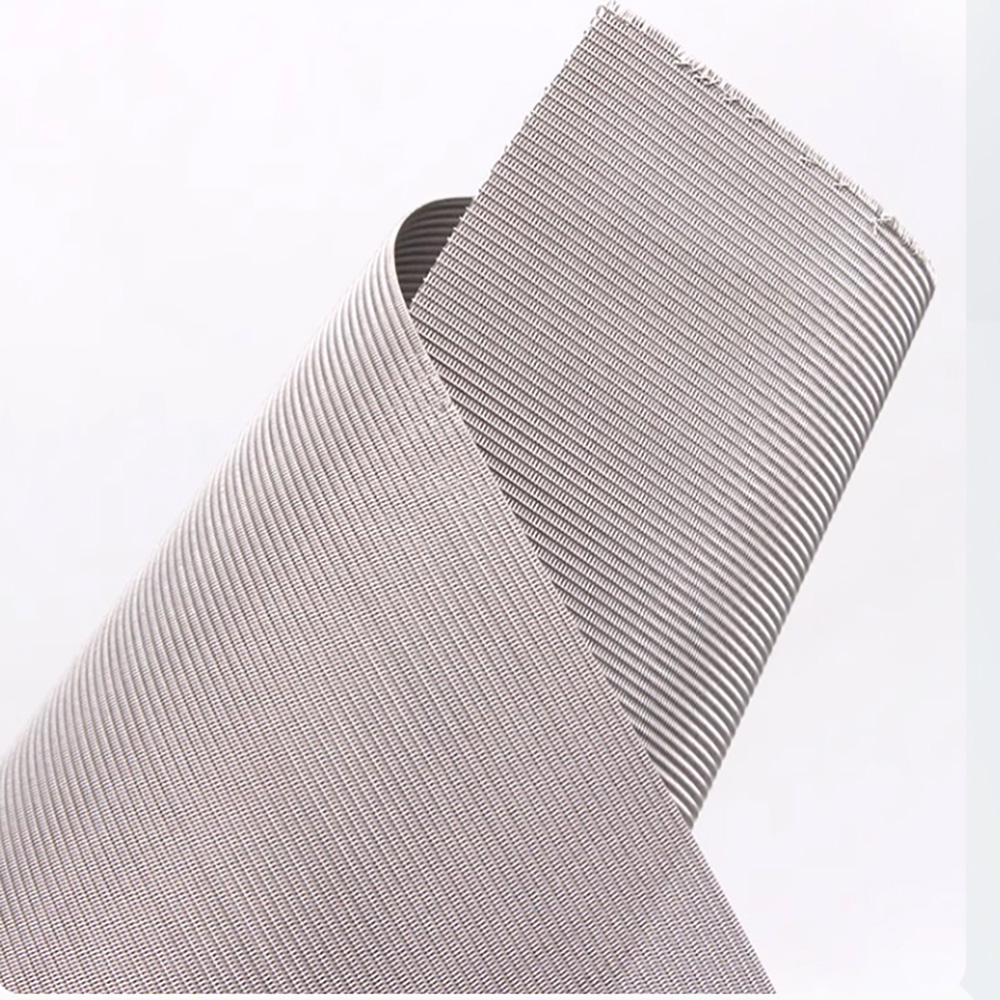
Dutch weave material can be supplied in rolls or reviewed for cut formats.
Available Screen Formats
Roll mesh
Define construction, width, length, edge and handling requirements.
Cut discs
Provide diameter or outline, tolerances and quantity.
Multilayer screen packs
State every layer, sequence, support and edge construction.
Drawing-based parts
Include dimensions, joining, support and operating direction.
Maidong Product Examples
Dense Dutch weave mesh supplied in roll form for process-specific filtration.
Dense roll filter media
Dense warp and weft geometry creates an indirect filtration path.
Woven structure detail
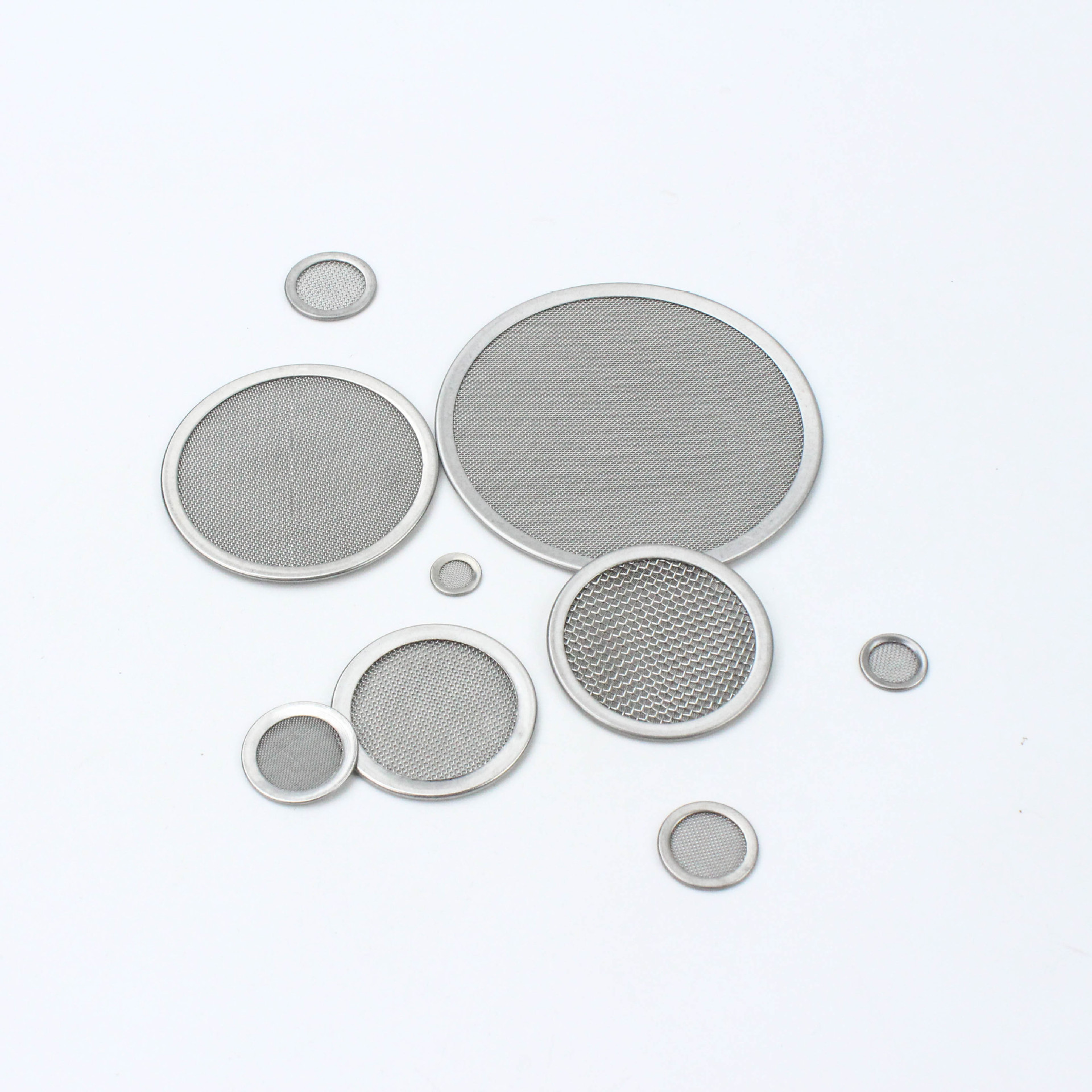
Real Maidong mesh-disc examples; final polymer screen construction follows the drawing.
Custom mesh filter discs
These are real Maidong mesh and fabricated-disc images. For a polymer screen enquiry, specify whether the requirement is loose media, a single stainless steel filter disc, an edged disc or a multilayer screen pack. The final construction follows the drawing and process data.
Choose the Finished Polymer Filtration Format
Dutch weave roll mesh is the filter medium. The finished purchasing route depends on how that medium is installed in the polymer process. Use the links below to move from media selection to the correct drawing-based product format.
Extruder screen packs
Use for flat single- or multilayer screens installed in an extruder or screen changer. Define diameter or outline, every layer, layer order, support and edge construction.
Use when the required component is a bonded multilayer structure rather than loose woven media. Define layer construction, finished geometry, pressure direction, sealing and cleaning duty.
Its densely packed unequal wires create an indirect pore path and a stable metallic filter medium. Suitability still depends on contaminant retention, melt viscosity, pressure, temperature, support and the screen-change system.
Plain Dutch, twill Dutch and reverse Dutch have different wire arrangements and mechanical behaviour. Compare the complete construction, filtration basis, flow direction, pressure duty and required finished form rather than choosing from the weave name alone.
No. State how the rating was determined, then include warp/weft count, both wire diameters, weave, alloy and tolerances. Different rating methods should not be treated as interchangeable.
A drawing can be reviewed for cut discs, edged discs and multilayer screen packs. Include diameter, shape, layers, layer order, support mesh, edge construction and quantity.
Provide polymer or resin type, melt temperature, viscosity if known, normal and maximum differential pressure, target contaminant size, flow direction, cleaning or change-out method and equipment dimensions.
304, 316 and 316L may be considered, but the choice must match process chemistry, temperature, cleaning and fabrication requirements. Do not select only from a generic corrosion-resistance statement.
Send Your Polymer Filtration Specification
Send the weave, rating basis, alloy, polymer conditions, pressure duty, layer sequence, finished dimensions and quantity for a drawing-based review.