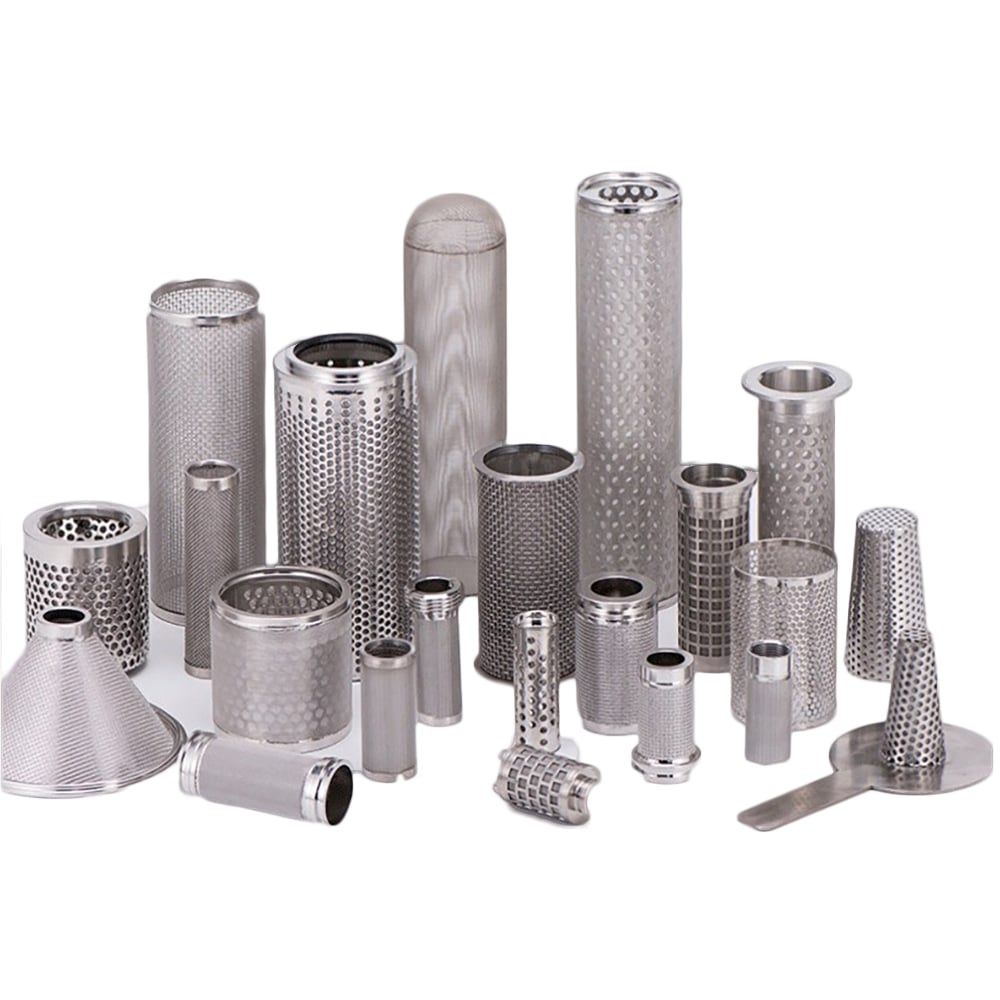
Stainless Steel Wire Mesh for Industrial Gas Filtration
Stainless steel wire mesh can provide mechanical particle retention, support or reusable element structure in industrial gas systems. Select it from gas composition, particle or droplet target, flow, pressure, temperature, rating basis, pressure-drop limit, support direction, element geometry and inspection requirements.
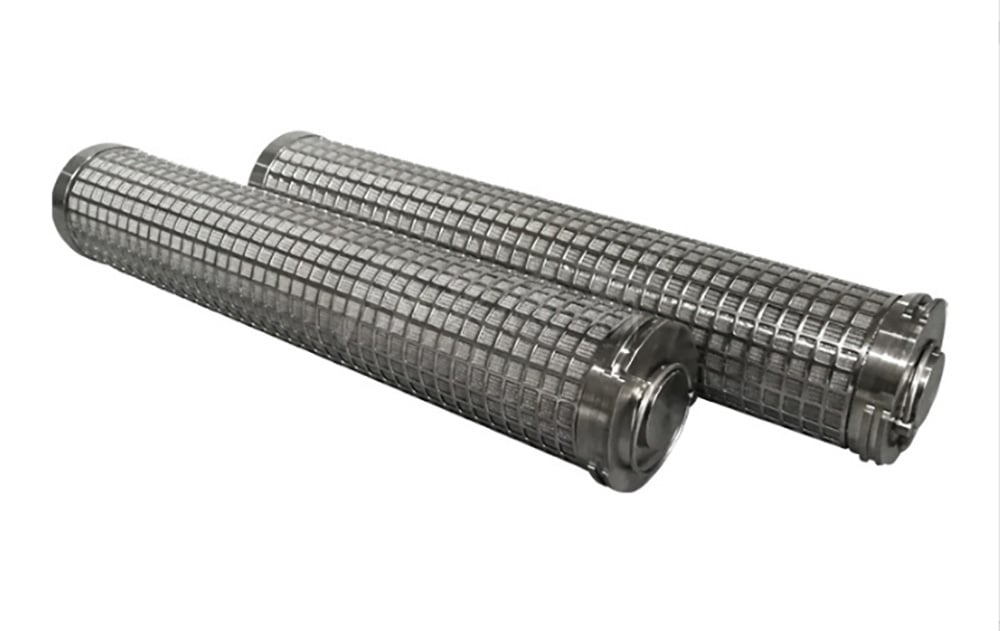
Fine cylindrical media with external support structures for drawing-based gas filter elements.
What Metal Mesh Can—and Cannot—Do in a Gas Stream
Retain solid particles
Mechanically intercept particles according to the effective opening or pore path.
Support fine media
Provide drainage, protection or structural backing for a designated retention layer.
Form reusable elements
Allow cleaning only when media, joints, seals and reverse loading are designed for it.
Not molecular separation
Wire mesh alone does not remove dissolved gases, odours, vapours or molecular contaminants.
Industrial Gas Filter Mesh Specification Matrix
The words air or gas are not a complete service description. Gas composition, contamination, operating state and the equipment interface should be specified together.
RFQ field
What to provide
Why it changes selection
Gas and contaminant
Composition, safety classification, solids or droplets, size, shape and loading
Guides media, alloy, joining and safety review
Operating state
Flow, pressure, temperature, humidity or condensation
Affects volumetric flow, pressure loss and material conditions
Retention basis
Clear aperture, mesh/wire data or agreed rating and test method
Defines what the filtration statement means
Pressure limits
Allowable clean/dirty pressure drop and maximum differential pressure
Controls area, support and change or cleaning trigger
Element interface
Disc, tube or cartridge; dimensions, ends and seals
Controls fit and potential bypass paths
Acceptance
Material, dimensions, joint, opening/rating and integrity records
Turns the enquiry into a verifiable purchase specification
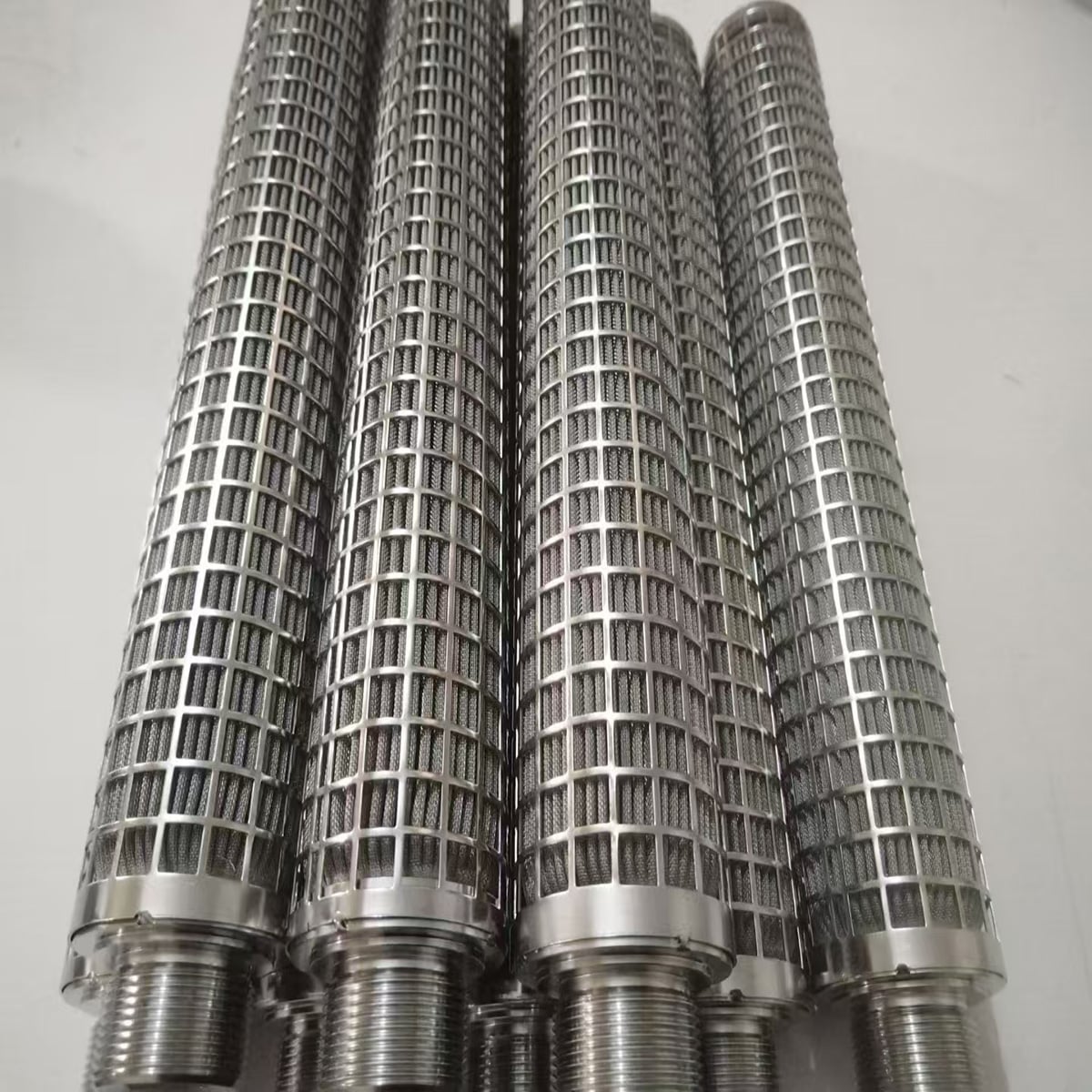
Threaded cylindrical elements illustrating equipment-specific end connections and supported media.
Choose the Media Structure
Square woven mesh provides measurable openings for coarser particles. Dutch weave creates a denser indirect pore path. Sintered multilayer mesh adds bonded rigidity. Pleated media increases installed area where the housing permits it.
Intercept process particles before valves, nozzles, instruments or downstream equipment.
Process-gas solids control
Retain defined particulate contamination within an engineered filtration stage.
Vent or inlet screening
Provide coarse mechanical protection where the complete duty and safety conditions are known.
Droplet-support structures
Serve as part of a designed separation element; performance depends on the complete system, not mesh alone.
These are possible engineering functions, not claims of emissions compliance, sterile filtration, explosive-service approval or a specified separation efficiency.
Select the Finished Element Geometry
Discs fit flat seats and compact line components. Cylinders provide area around a central path. Pleated cartridges add media area. Supported composite tubes combine a fine layer with perforated, expanded or coarse-mesh support.
These real Maidong product images illustrate possible component forms and interfaces. They are not claims that every pictured item has operated in a particular gas process.
Fine cylindrical media with external support structures for drawing-based gas filter elements.
Supported mesh tubes
Threaded cylindrical elements illustrating equipment-specific end connections and supported media.
Threaded elements
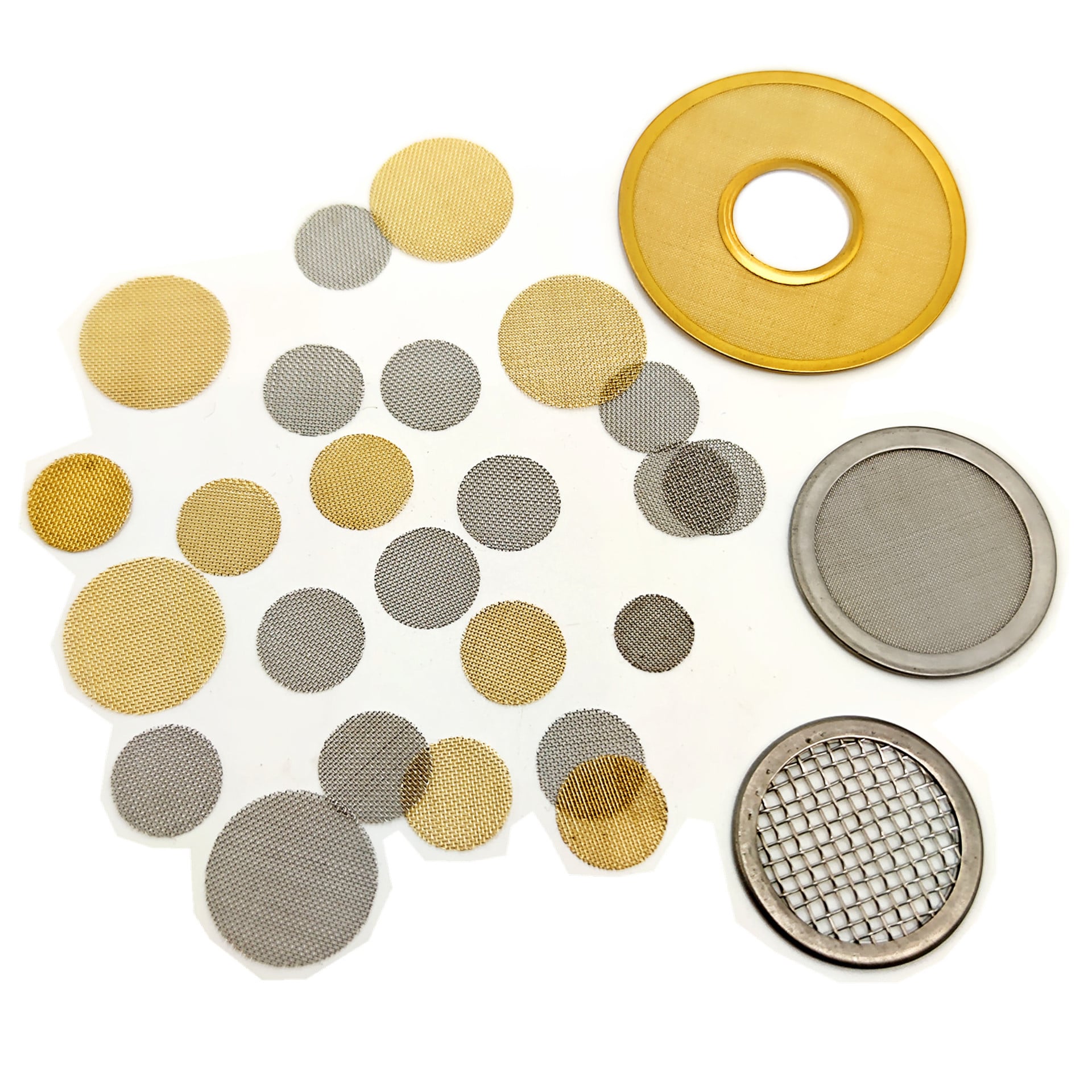
Flat and framed mesh discs for drawing-defined seats and compact filtration interfaces.
Mesh filter discs
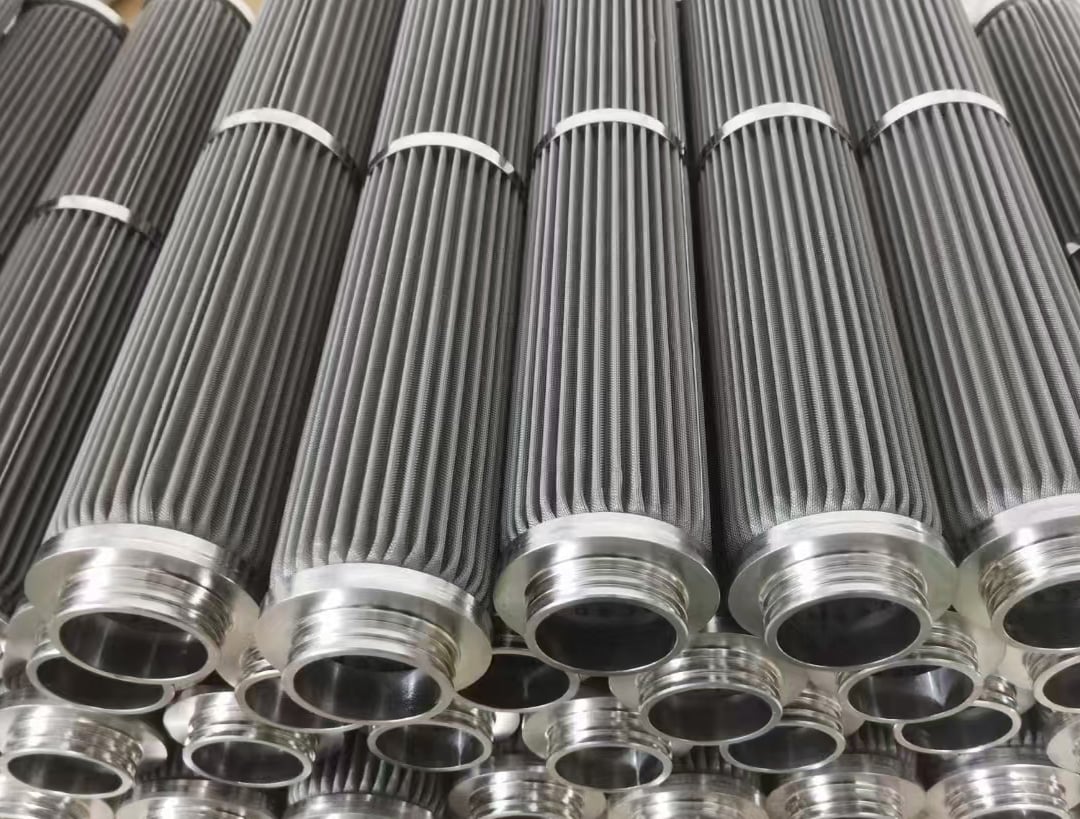
Custom cylindrical formats showing different ends, support bodies and filtration structures.
Custom element ends
Industrial Gas Filtration RFQ Checklist
1. Describe the gas
Composition, safety class, pressure, temperature and condensation.
2. Define contamination
Solid or liquid, size, shape, loading and target downstream condition.
3. Define filtration
Aperture or rating basis, flow and allowable clean/dirty pressure drop.
4. Send the drawing
Media, support, dimensions, ends, seals, joints and tolerances.
5. State acceptance
Inspection, integrity records, cleaning, quantity and packing.
It can mechanically retain solid particles or, in a suitably designed separator, help capture liquid droplets according to the complete media and system design. It does not by itself remove dissolved gases, molecular contaminants or vapours.
Square woven mesh should include mesh count and wire diameter or clear aperture. Dutch weave, sintered or pleated media require the complete construction and an agreed nominal, absolute or test-based rating definition.
Gas density, viscosity, temperature, flow, contaminant loading, media area and pore structure all influence pressure loss. Provide operating data and an allowable clean and dirty differential pressure rather than relying on mesh count alone.
Support may be needed when fine wire, element diameter, pressure differential, pulsation, reverse flow or handling could deform the retention layer. Place support according to the actual loading direction.
No. Alloy selection depends on the gas composition, entrained liquids, chlorides or corrosive species, temperature, condensation, cleaning chemistry, joints and required documentation.
Provide gas composition and safety classification, particle or droplet target, flow, pressure, temperature, rating basis, media, support, element dimensions, ends, seals, cleaning, inspection and quantity.
Request an Industrial Gas Filter Element Review
Send the gas and contaminant data, flow, pressure, temperature, filtration basis, media and support structure, dimensions, end connections, seals, inspection scope and quantity.