Cylindrical Filter Media Guide

Wire Mesh vs Perforated Metal Filter Tube: How to Choose

Choose wire mesh when the woven opening is the filtration medium. Choose perforated metal when a punched-sheet opening provides coarse screening, structural support or protection. Combine them when fine retention and mechanical support are both required.

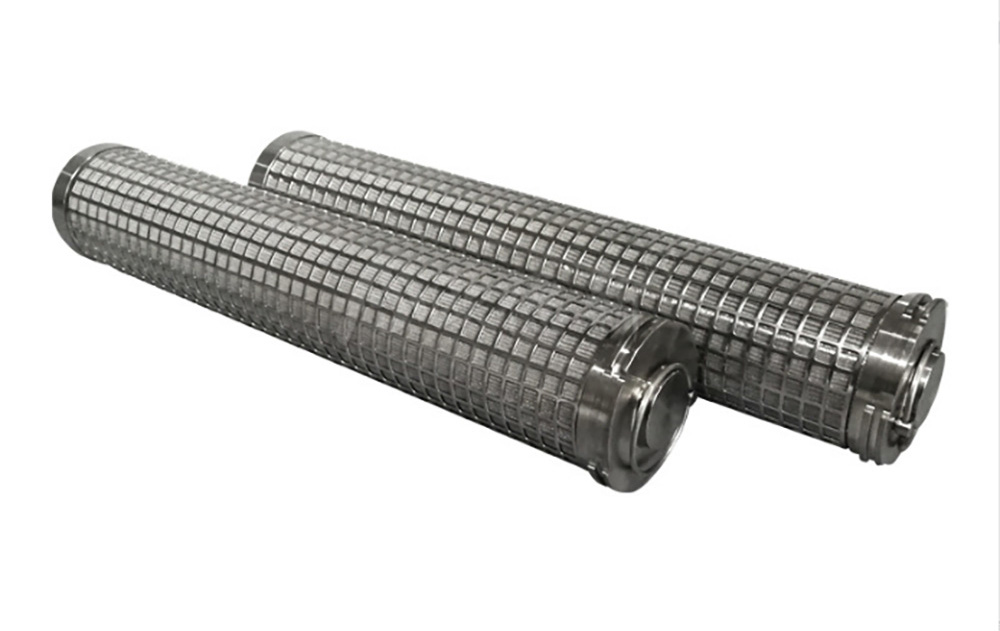
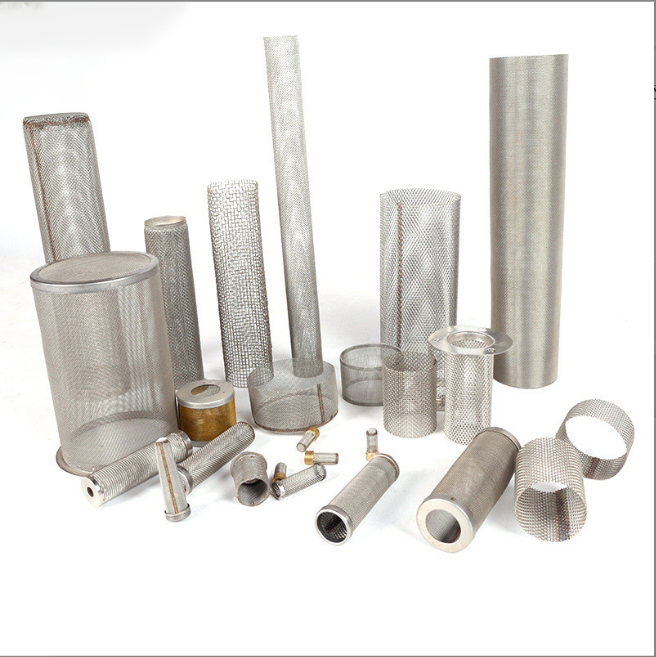
Assortment of cylindrical woven wire mesh filter tubes in different diameters and lengths
Wire mesh tubes showing different openings, diameters, seams and end configurations.
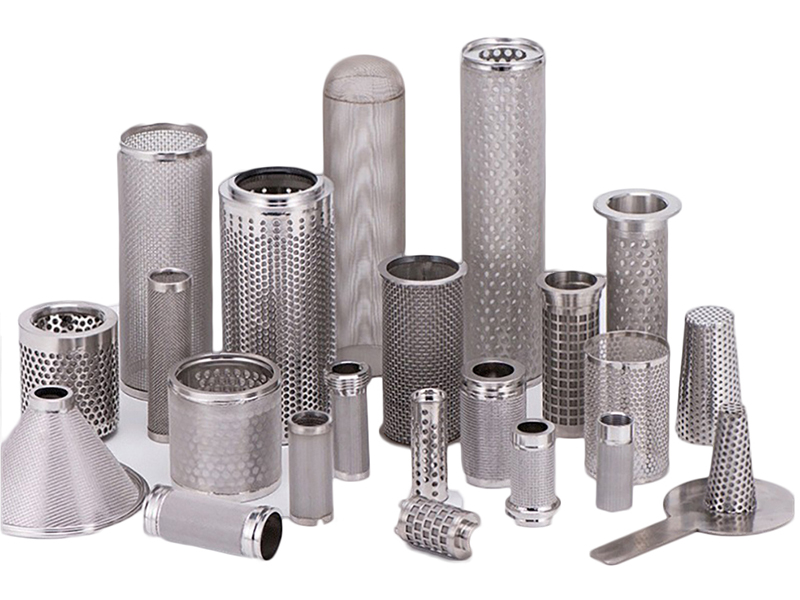
Assortment of perforated metal filter tubes and cylindrical mesh filter elements
Perforated and mesh cylindrical components with drawing-specific shapes and ends.

Direct Answer: Filtration Layer vs Structural Body

Wire mesh tube

Woven opening can act as the primary retention layer.

Perforated tube

Punched sheet commonly acts as coarse screen or support body.

Composite tube

Fine mesh plus perforated or expanded support combines both roles.

Finished assembly

Seam, ends, seals and flow direction remain part of the specification.

Wire Mesh vs Perforated Filter Tube Comparison

The table separates the filtration role from the support role. A product can contain both structures, so list each layer rather than describing the assembly with one material name.

Comparison pointWire mesh filter tubePerforated metal filter tubeBuyer action
Opening definitionWeave, mesh count, wire diameter and apertureHole shape, size, pitch, pattern and thicknessSpecify the complete geometry
Typical roleFine or controlled filtration layerCoarse screen, core or protective shellState which layer retains particles
Open areaCalculated from aperture and wire diameterCalculated from hole and pitch patternAccount for seam, margins and supports
Mechanical behaviorDepends on weave, wire, diameter, seam and supportDepends on sheet, ligament, diameter and seamAdd differential pressure and flow direction
Finished interfacesCaps, frames, fittings or support cageOpen/closed ends, caps, collars and flangesProvide drawing and critical tolerances
Stainless steel filter tubes combining woven mesh and perforated support
Fine mesh retained by a square support cage in a finished tubular element.

Wire Mesh Tube: Define Weave and Aperture

Square woven mesh requires mesh count together with wire diameter or clear aperture. Dutch weave has an indirect pore path and needs construction-specific rating data. See the wire mesh filter tube page for product configurations.

Use stainless steel mesh for filtration to compare woven media before the tube seam, ends and support are finalized.

Perforated Tube: Define Hole, Pitch and Sheet

Specify hole shape, clear size, pitch, pattern, orientation, sheet thickness and unperforated margins. The formed diameter, longitudinal seam and end margins can reduce effective open area.

Use the custom perforated filter tube page for support-core components and round-hole perforated metal for hole-pattern terminology.

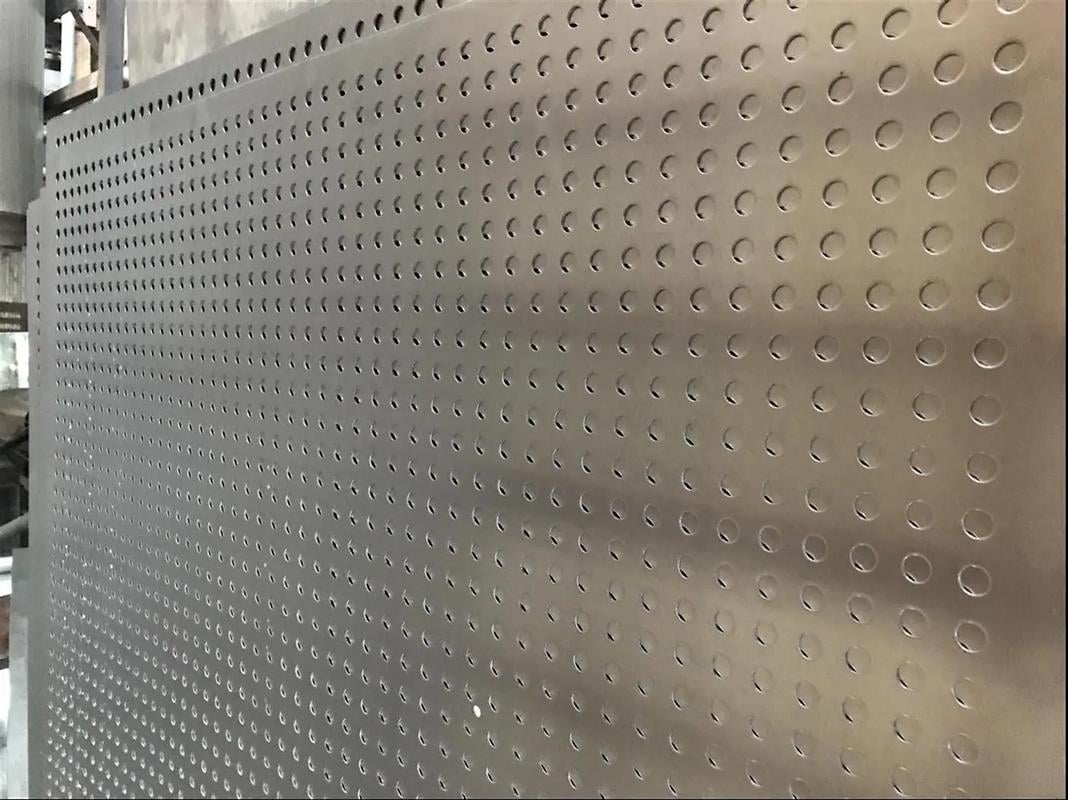
Stainless steel perforated metal sheet before forming into a filter tube
Perforated sheet geometry is defined before rolling and longitudinal joining.

Composite Tube: Put Every Layer in Order

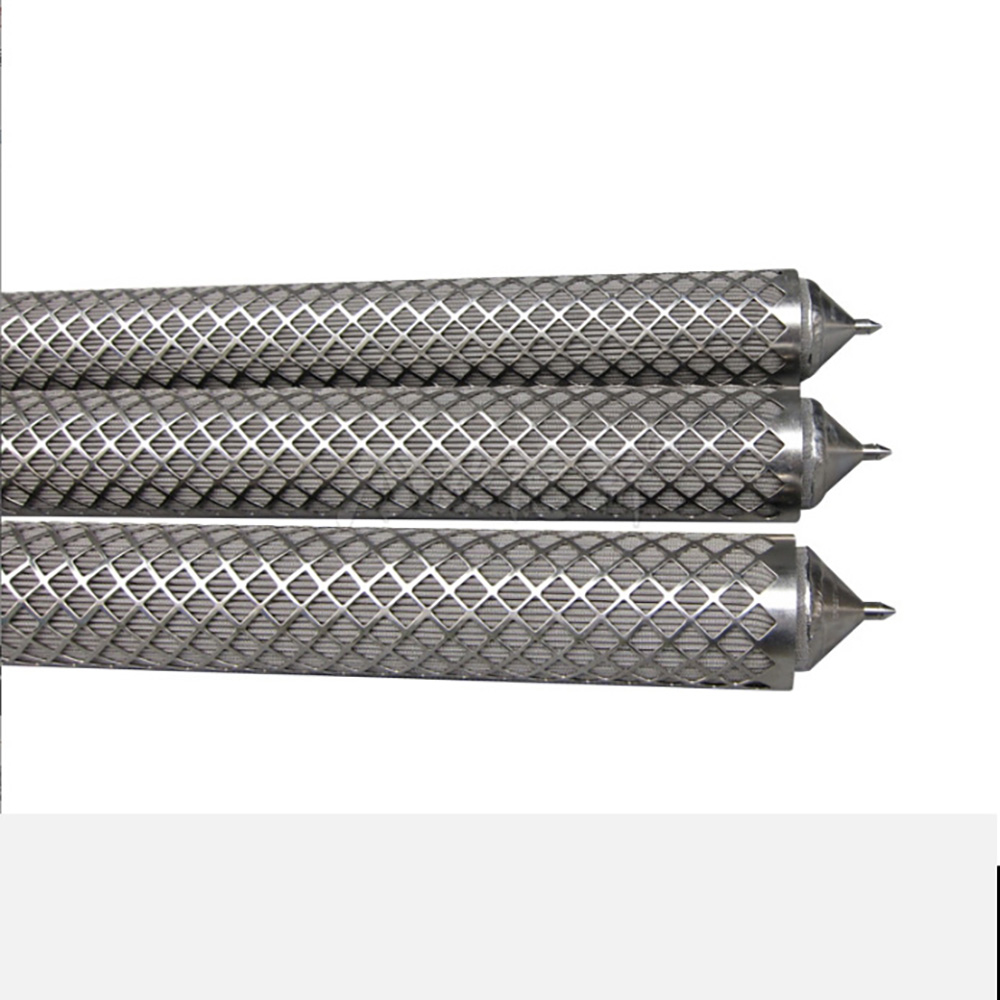
Cylindrical filter elements with fine inner media and expanded metal outer support
Composite tube structure with fine media and an expanded-metal support layer.

Fine media plus rigid support

A composite tube may use fine woven mesh inside or outside a perforated or expanded support. State the exact layer order, attachment method and flow direction. The support belongs on the side that resists the stated differential-pressure load.

Do not use the perforated support-hole diameter as the filtration rating when a finer woven layer performs retention.

Opening and Effective Open Area

Woven mesh

Aperture and wire diameter determine geometric open area.

Perforated sheet

Hole size, pitch and pattern determine theoretical sheet open area.

Finished tube

Seams, caps, frames, margins and supports reduce usable flow area.

Pressure drop cannot be predicted from open-area percentage alone. Media thickness, pore path, fluid properties, flow and loading condition also matter.

Real Mesh, Perforated and Composite Tube Examples

These Maidong product images show why tube selection should be based on structure and function rather than terminology alone.

Assortment of cylindrical woven wire mesh filter tubes in different diameters and lengths
Wire mesh tubes showing different openings, diameters, seams and end configurations.

Woven mesh tube forms

Assortment of perforated metal filter tubes and cylindrical mesh filter elements
Perforated and mesh cylindrical components with drawing-specific shapes and ends.

Perforated tube forms

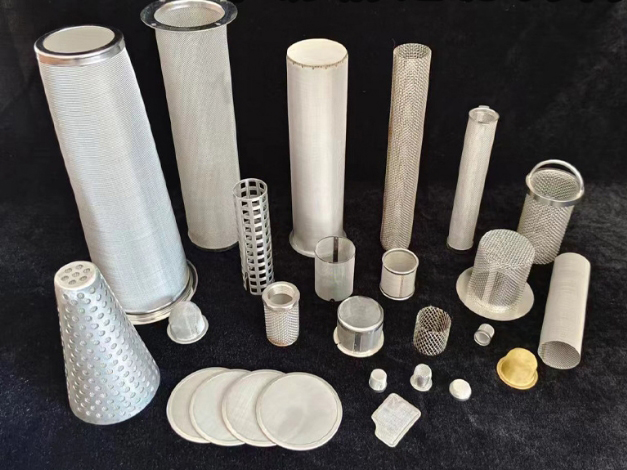
Mixed group of wire mesh, perforated and composite cylindrical filter elements
Wire mesh, perforated support and composite structures shown in one product group.

Mixed cylindrical structures

Common Selection Mistakes

Mesh count only

Wire diameter or aperture remains undefined.

Hole diameter only

Pitch, pattern, thickness and margins are missing.

Support equals rating

Coarse support does not define fine retention.

No flow direction

Support location and mechanical load remain ambiguous.

Filter Tube Selection Workflow

1. Define retention

Particle target and geometric or tested rating basis.

2. Choose the media role

Fine woven layer, coarse perforated screen or composite.

3. Add hydraulic duty

Medium, flow, temperature and differential pressure.

4. Define the tube

OD/ID, length, seam, supports, ends and tolerances.

5. Complete the RFQ

Attach drawing, cleaning method, quantity and acceptance.

For complete cylindrical assemblies covering multiple media types, also review custom stainless steel filter tubes.

Wire Mesh vs Perforated Filter Tube FAQ

Wire mesh uses woven openings defined by weave, mesh count, wire diameter and aperture. Perforated tube uses punched sheet openings defined by hole shape, size, pitch, pattern and sheet thickness. Mesh commonly provides finer filtration; perforated metal commonly provides coarse screening or structural support.

A perforated hole can be stated in micrometres, but common punched-sheet openings are usually used for coarser retention or support. Fine filtration often requires woven mesh or another porous layer added to the perforated body.

Not as a universal rule. Mechanical behavior depends on alloy, wire and weave, sheet thickness, diameter, length, seam, supports, flow direction and differential pressure. Compare the complete tube construction.

The result depends on the actual wire geometry or hole pattern. Calculate woven-mesh open area from aperture and wire diameter, and perforated-sheet open area from hole size, pitch and pattern. Finished seams, margins and supports reduce effective open area.

A composite tube is useful when fine retention needs a rigid load-bearing core or protective shell. State the layer order, flow direction, support side and attachment method.

Provide filtration target and rating basis, media construction, material, opening geometry, tube OD or ID, length, seam, supports, ends, flow direction, process conditions, differential pressure, cleaning method, quantity and acceptance requirements.
Need Help Choosing the Tube Structure?

Send the filtration target, media, flow direction, pressure duty, tube dimensions, supports, ends and drawing for review.