Fine Stainless Steel Wire Mesh for Precision Filtration
Fine stainless steel wire mesh is specified by the relationship between mesh count, wire diameter, nominal aperture and open area. Maidong reviews roll mesh and drawing-based requirements for precision screening, filtration and fabricated filter components.
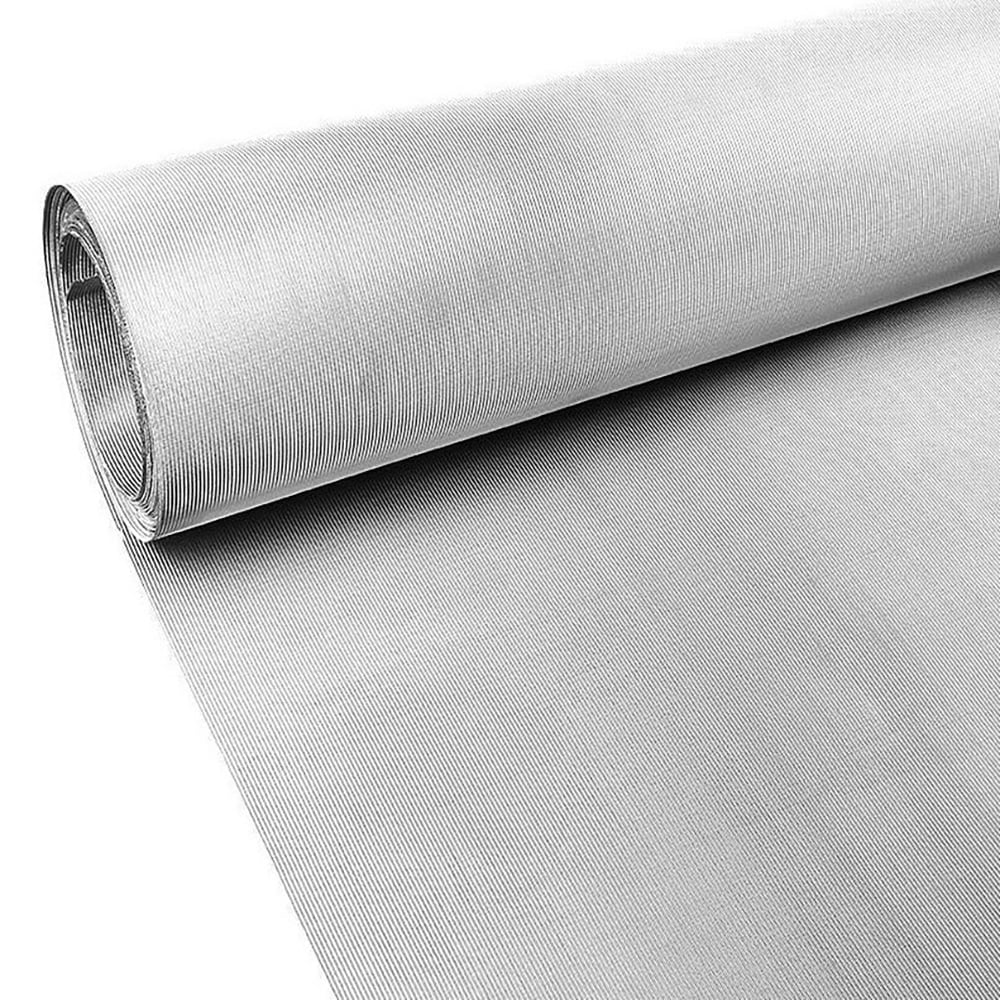
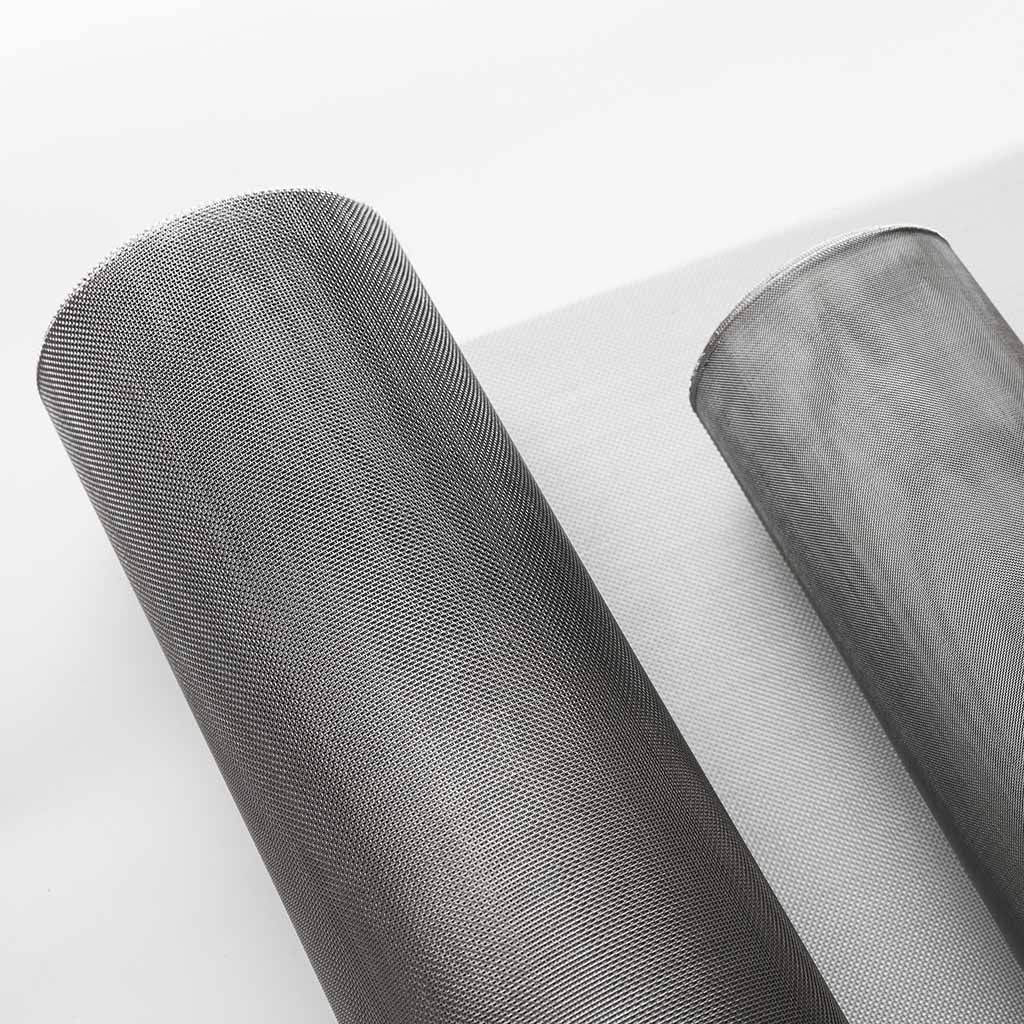
Fine stainless steel wire mesh supplied as roll material for precision screening and filtration.
Fine Mesh Means Geometry, Not Mesh Count Alone
“Fine mesh” is not a complete purchasing specification. For square woven wire mesh, the opening is created between adjacent wires. Increasing mesh count usually reduces the pitch, but the final aperture and open area still depend on wire diameter. State both values whenever possible, then add weave, grade, roll dimensions and tolerances. For the broader material category, see stainless steel wire mesh.
Mesh count
Number of openings per linear inch for the stated square mesh convention.
Wire diameter
Wire thickness used in warp and weft directions; it directly changes aperture.
Nominal aperture
Calculated or measured clear opening between adjacent wires.
Open area
Percentage of open surface, relevant to flow and screening behaviour.
Fine Stainless Steel Wire Mesh Specification Checklist
Use this checklist when comparing quotations. Do not approve a mesh only from a product name or a single micron claim.
Specification field
What to state
Why it matters
Mesh geometry
Mesh count plus wire diameter, or required aperture
Defines the nominal square opening and influences open area
Weave
Plain or twill square weave; identify Dutch weave separately
Changes wire path, stability and how pore structure is described
Material
304, 316, 316L or drawing-specified grade
Must suit the medium, temperature, cleaning and fabrication
Supply format
Roll width/length, slit coil, cut sheet or finished drawing dimensions
Controls handling, nesting, edge condition and fabrication route
Tolerances
Aperture/wire inspection, dimensions, edge and flatness requirements
Prevents a nominal description from replacing the required acceptance criteria
Operating data
Medium, temperature, pressure differential and cleaning method
Supports material and construction review for the actual service
Square woven mesh geometry is defined by mesh count and wire diameter together.
Example: the equation only works when mesh count and wire diameter use consistent definitions and units. It is a geometry reference, not a substitute for an agreed filtration-rating method or dimensional tolerance.
Plain, Twill and Dutch Weave: Keep the Intent Clear
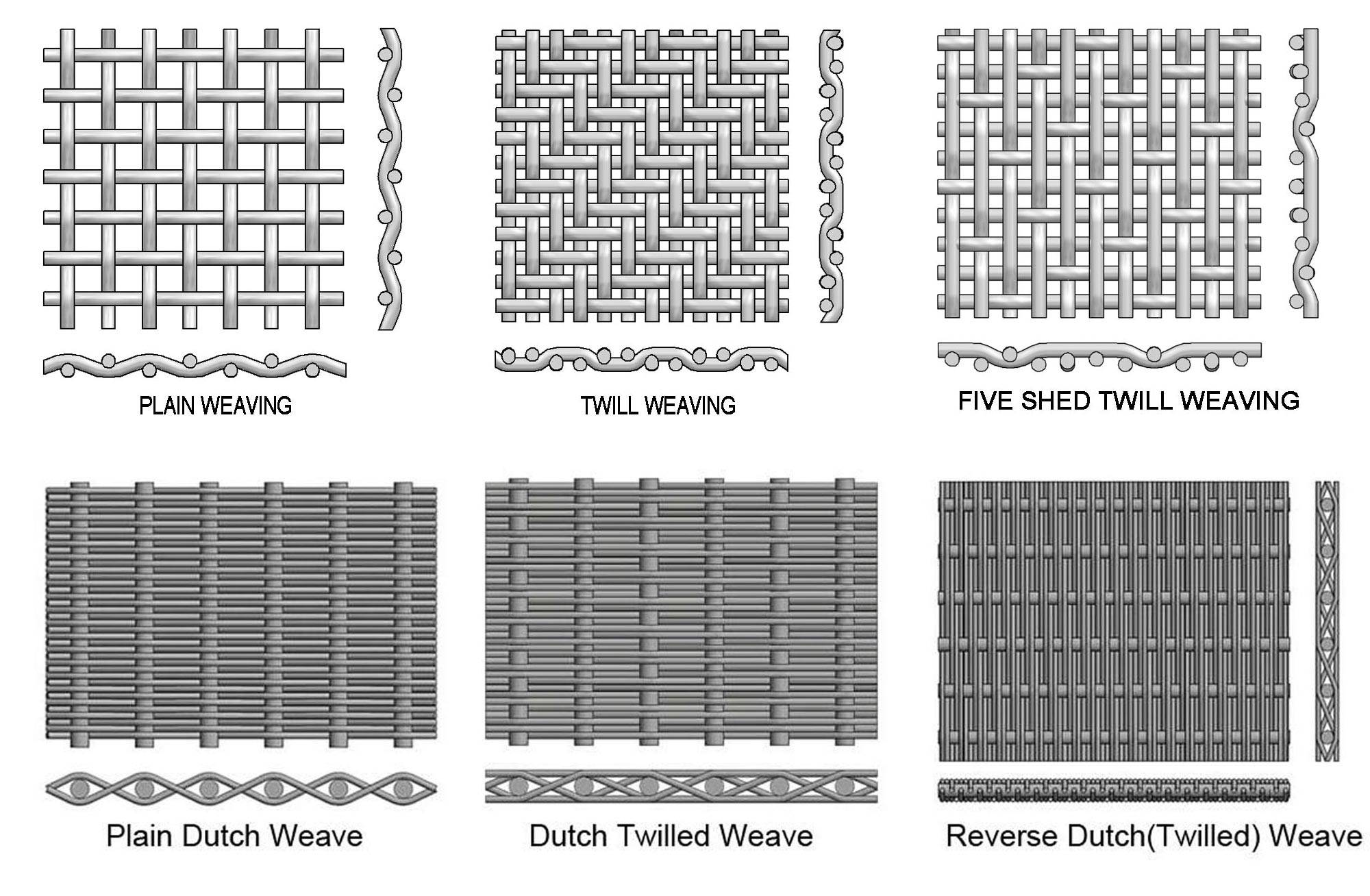
Plain square weave
Alternating over-one, under-one construction with directly measurable square openings.
Twill square weave
Over-two, under-two construction that can support selected fine-wire and high-count combinations.
Dutch weave
Different warp and weft wires create an indirect pore path; specify it as a separate filtration construction.
Weave-pattern reference: square weaves and Dutch weaves have different pore structures.
Choose by pore structure
Use square woven mesh when a defined geometric opening and open area are central to the requirement. Consider Dutch weave wire mesh when the filtration design calls for a denser, indirect pore path. Do not convert a Dutch weave designation with the square-mesh aperture formula.
Stainless Steel Grades
304 stainless steel is a common starting point for general industrial screening and filtration when its corrosion resistance is suitable. 316 and 316L are often considered where the process chemistry, chlorides or fabrication method require additional review.
Material selection must be based on the actual medium, concentration, temperature, cleaning chemicals and service conditions. See the 304 vs 316 wire mesh comparison for a structured selection discussion.
A clear product view for reviewing surface uniformity and roll form.
Supply Forms and Fabrication Options
Roll mesh
Specify width, length, weave, edge condition and any packaging or handling constraints.
Cut pieces
Provide finished outline, dimensions, tolerances and quantity for sheets, strips or blanks.
Formed screens
Send a drawing for cylinders, cones or other formed mesh parts, including seam details.
Supported media
State layer sequence, support direction and joining requirements for assemblies.
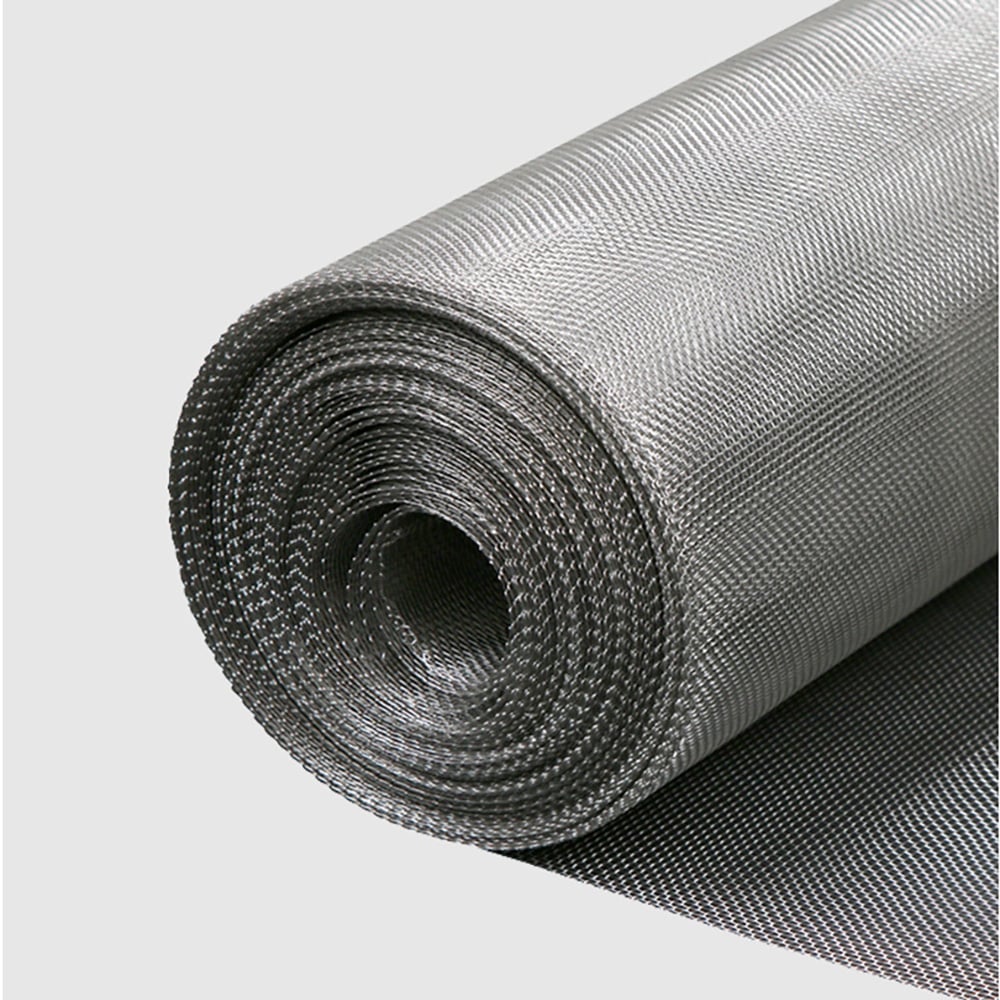
Fine mesh can be supplied as roll material or reviewed for fabricated filter components.
From woven media to a filter component
Fine mesh is often the filtration layer inside a fabricated component. The mesh specification should be confirmed before cutting, forming or joining. For finished geometries, compare the stainless steel filter disc and stainless steel filter tube options.
Typical Uses for Fine Square Woven Mesh
Precision screening
Separation or classification where a defined square opening is required.
Liquid and gas filtration
Fine filtration media used alone or with a supporting structure in an assembly.
Protective screens
Mesh layers placed before sensitive passages or components to intercept debris.
Fabricated filter parts
Media formed or cut into discs, tubes and drawing-specific mesh components.
How to Select Fine Stainless Steel Mesh
1. Define the separation task
State the particles, process medium and the required opening or retention basis.
2. Fix the mesh geometry
Provide mesh count and wire diameter together, or a measured aperture requirement.
3. Select weave and grade
Choose square weave or another pore structure, then review material compatibility.
4. Define supply format
State roll dimensions, cut size, edge, tolerances and any fabrication details.
5. Confirm inspection
Identify the dimensional or filtration acceptance method before ordering.
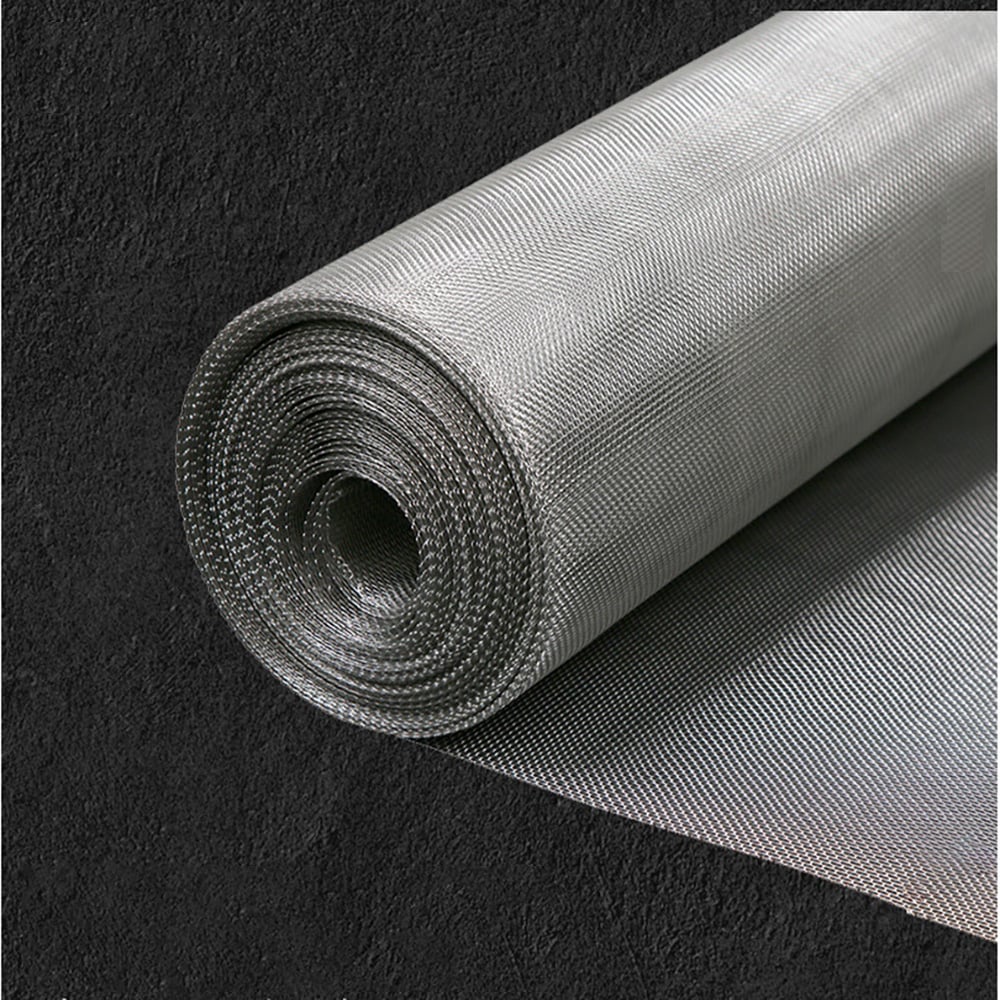
Fine stainless steel wire mesh supplied as roll material for precision screening and filtration.
RFQ Information to Send
Mesh count and wire diameter, or required aperture
Plain/twill square weave or other construction
Stainless steel grade
Roll width and length, cut size or drawing
Edge and dimensional tolerance requirements
Operating medium, temperature and pressure conditions
Quantity and inspection requirement
If a value is unknown, describe the filtration function and service conditions rather than guessing.
Fine stainless steel wire mesh generally means woven mesh made with relatively small openings and fine wire. A useful specification must state mesh count and wire diameter, or the measured aperture, rather than relying on the word fine alone.
No. For square woven mesh, aperture depends on both mesh count and wire diameter. Two meshes with the same count can have different openings and open areas when different wire diameters are used.
For dimensions in millimetres, nominal aperture equals 25.4 divided by mesh count, minus wire diameter. This is a geometric reference; actual tolerances and measurement requirements should be stated in the purchase specification.
Plain weave alternates every warp and weft wire and is the simplest square-opening structure. Twill weave passes wires over and under in pairs, which can accommodate certain combinations of finer wire and higher mesh count. Final suitability depends on the requested geometry and service conditions.
No. Fine square mesh has measurable square openings. Dutch weave uses different warp and weft wire arrangements to create an indirect pore path, so mesh count cannot be treated as a direct square aperture.
Send the mesh count, wire diameter or aperture, weave, stainless steel grade, roll width and length or cut dimensions, quantity, edge requirements, operating medium and any inspection or tolerance requirement.
Send Your Fine Mesh Requirement
Send the mesh geometry, weave, grade, dimensions, operating conditions and quantity. Maidong can review the requirement for roll mesh or a drawing-based filter component enquiry.