When to Clean or Replace a Sintered Filter Cartridge
A sintered metal filter cartridge should not be returned to service only because it looks clean. Compare post-cleaning flow or pressure drop with a documented baseline, then check residual blockage, geometry, joints, end interfaces, seals and any required integrity evidence. Replace or escalate the element when acceptance cannot be demonstrated.
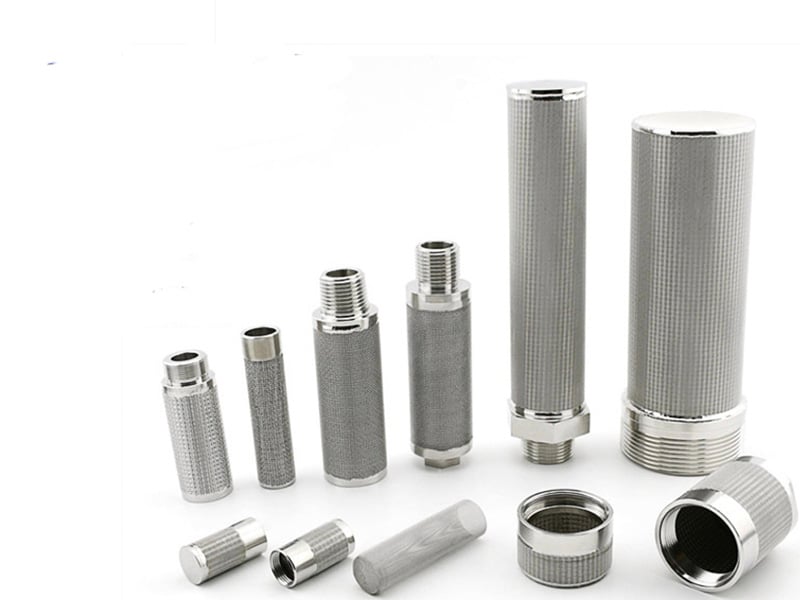
Real sintered wire mesh cartridge formats showing that media and interface condition must be assessed together.
The Short Answer
Continue cleaning
Only while the approved method remains compatible and useful recovery is still achievable.
Inspect after cleaning
Check performance evidence, porous media, dimensions, joints, ends and seals.
Return to service
Only when the element meets the application’s documented acceptance criteria.
Replace or review
Stop when damage, unrecovered blockage or uncertain integrity prevents acceptance.
There is no universal number of cleaning cycles. The decision belongs to the complete process, element construction, cleaning method and acceptance plan.
Clean vs Replace Decision Matrix
Set numerical limits from the equipment and process specification. The table shows the evidence categories, not universal acceptance values.
Evidence
Cleaning may continue when
Replace or engineering-review when
Flow / pressure drop
Recovery meets the approved baseline and test condition
Residual restriction remains outside the acceptance limit
Porous media
No visible damage and required integrity evidence is acceptable
Crack, delamination, local damage or uncertain rating/integrity
Geometry
Roundness, length and interfaces remain within controlled limits
Permanent deformation, collapse, swelling or dimensional change
Joints and ends
Seams, end joints, adapters and seats remain continuous and sound
Cracked, loose, corroded or distorted joint or interface
Compatibility
Service and cleaning exposures remain within the approved material plan
Unknown or incompatible chemical/thermal exposure occurred
History
Identity, cycles, method, results and release decision are traceable
Element history or critical cleaning parameters are missing
Inspect the interface as well as the medium. A threaded neck and its locating surfaces remain part of the return-to-service review. Record the element identity, check the agreed interface condition and compare performance under the specified assessment conditions. A cleaner-looking exterior does not replace the inspection or integrity evidence required by the application.
First Identify the Sintered Media
Sintered wire mesh is made from woven layers bonded into a porous laminate. Sintered metal powder is formed from bonded particles. Pore path, surface loading, contaminant release and damage modes can differ, so cleaning and inspection must follow the actual construction.
Five Reasons Cleaning May Stop Restoring Performance
Embedded contaminant
Particles remain inside the pore network instead of releasing from the accessible surface.
Chemically bonded deposit
Scale, resin or reaction product cannot be removed by the approved method.
Compacted loading
Pressure or repeated cycles drive contaminant into a dense, persistent layer.
Changed process conditions
Different viscosity, temperature, flow or contamination makes the old baseline invalid.
Media or joint damage
Cracks, delamination, deformation or joint failure can change both flow and retention.
Compare Under Equivalent Test Conditions
Pressure drop is meaningful only when flow, fluid properties, temperature and measurement locations are comparable. Record the new-element or verified-clean baseline, the dirty condition, the cleaning method and the post-cleaning result.
Keep each maintenance history identifiable. Assign a record to each element or agreed maintenance batch. Keep cleaning history, observed damage and post-cleaning results connected to that identity. Use the approved procedure and assembly-specific acceptance criteria; compare baseline and post-cleaning observations under equivalent conditions before deciding on reuse.
Post-Cleaning Inspection Points
Media surface
Check discoloration, deposits, abrasion, dents, cracks or local pore damage.
Dimensions
Measure controlled OD, length, roundness, flange/shoulder and insertion dimensions.
Joints and interfaces
Inspect end joints, seams, adapters, threads, flanges and seating faces.
Seals and accessories
Replace or inspect gaskets/O-rings according to the equipment procedure and compatibility plan.
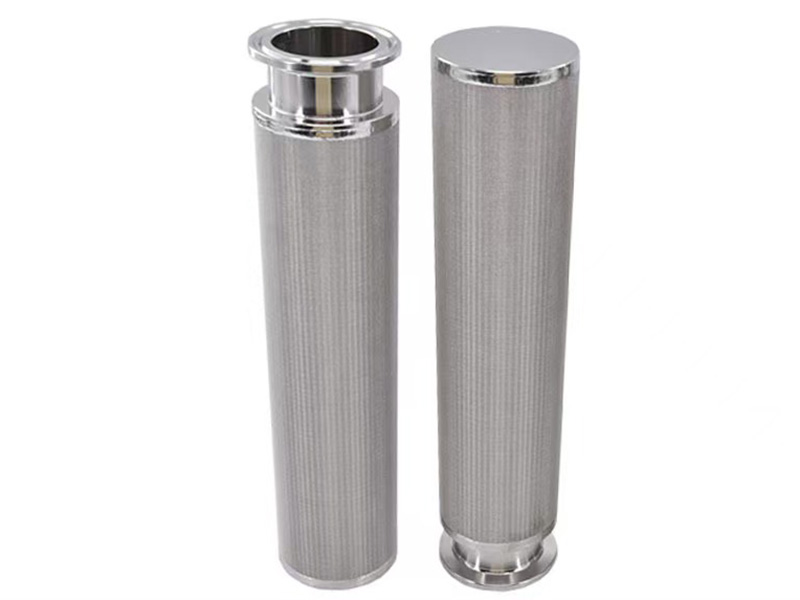
Long cartridge formats illustrating different end interfaces and media surface areas.
Damage That Requires More Than Another Cleaning Cycle
Cracks, layer separation, permanent collapse, ovality, damaged ends, loose adapters, incomplete joints and uncertain filtration integrity require replacement or a documented engineering disposition. Do not use a more aggressive cleaning method simply to recover pressure drop if it may damage the media or joint.
Where repair is considered, the repaired element needs an agreed inspection and acceptance plan before return to service.
Maintenance Records That Improve the Next RFQ
Element identity
Part number, drawing revision, media type, rating basis, material and connection.
Service history
Operating hours/cycles, fluid, contaminant, flow, temperature and pressure history.
Cleaning record
Method, chemistry, time, temperature, direction, equipment and operator record.
Acceptance result
Pre/post data, dimensions, visual findings, integrity result and release decision.
Real Sintered Mesh Cartridge Formats
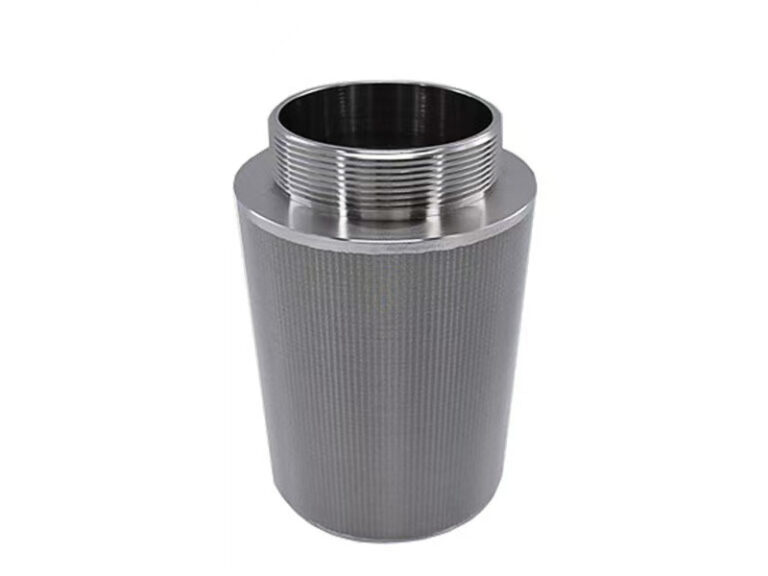
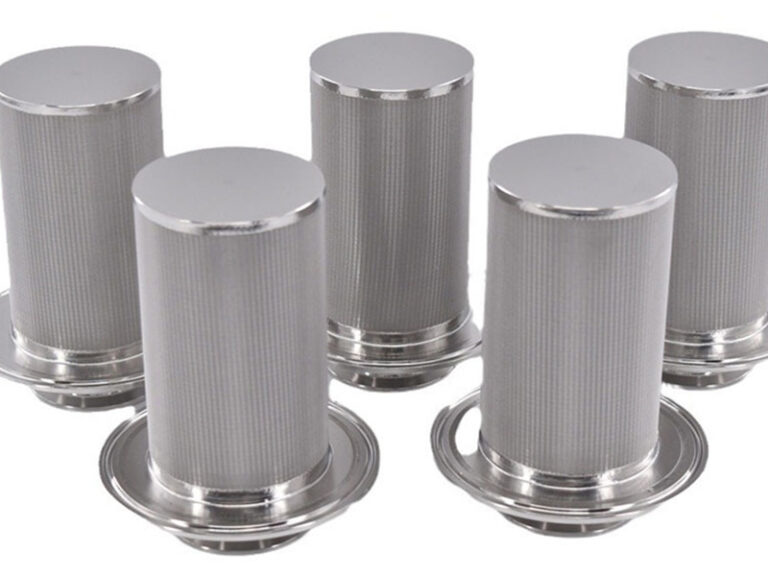
These genuine Maidong images show different sintered wire mesh cartridge geometries and end interfaces. They do not depict failed elements or establish a fixed cleaning interval.
Real sintered wire mesh cartridge formats showing that media and interface condition must be assessed together.
Multiple cartridge formats
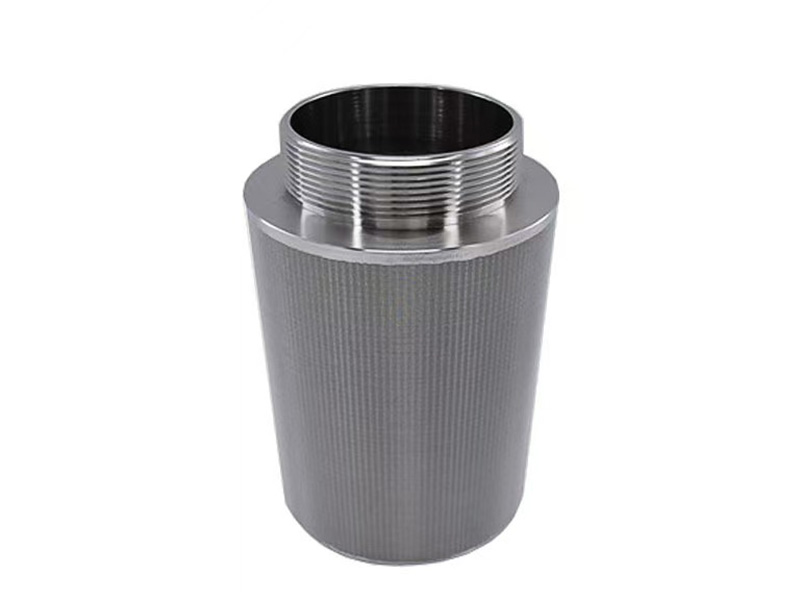
A threaded sintered mesh element illustrating media, adapter and joint inspection areas.
Threaded interface
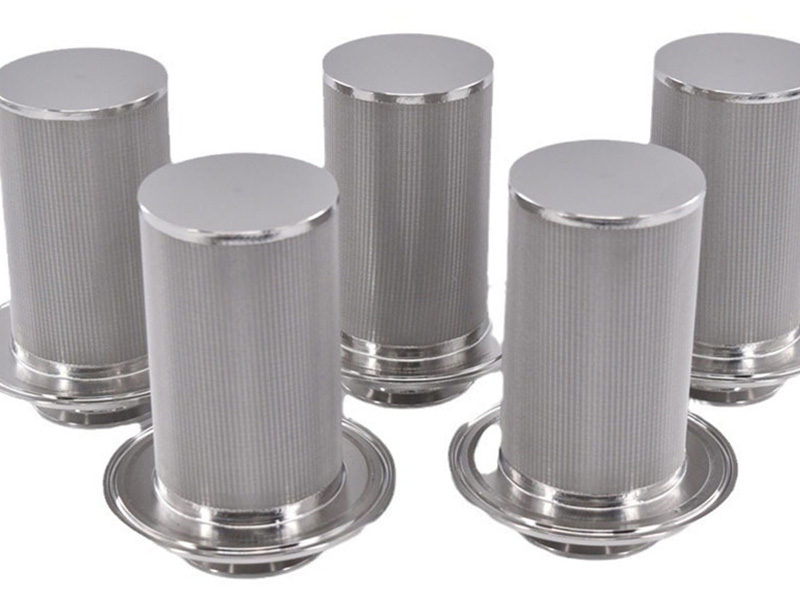
Flanged and closed-end elements where seating surfaces, end joints and media all require inspection.
Flanged closed ends
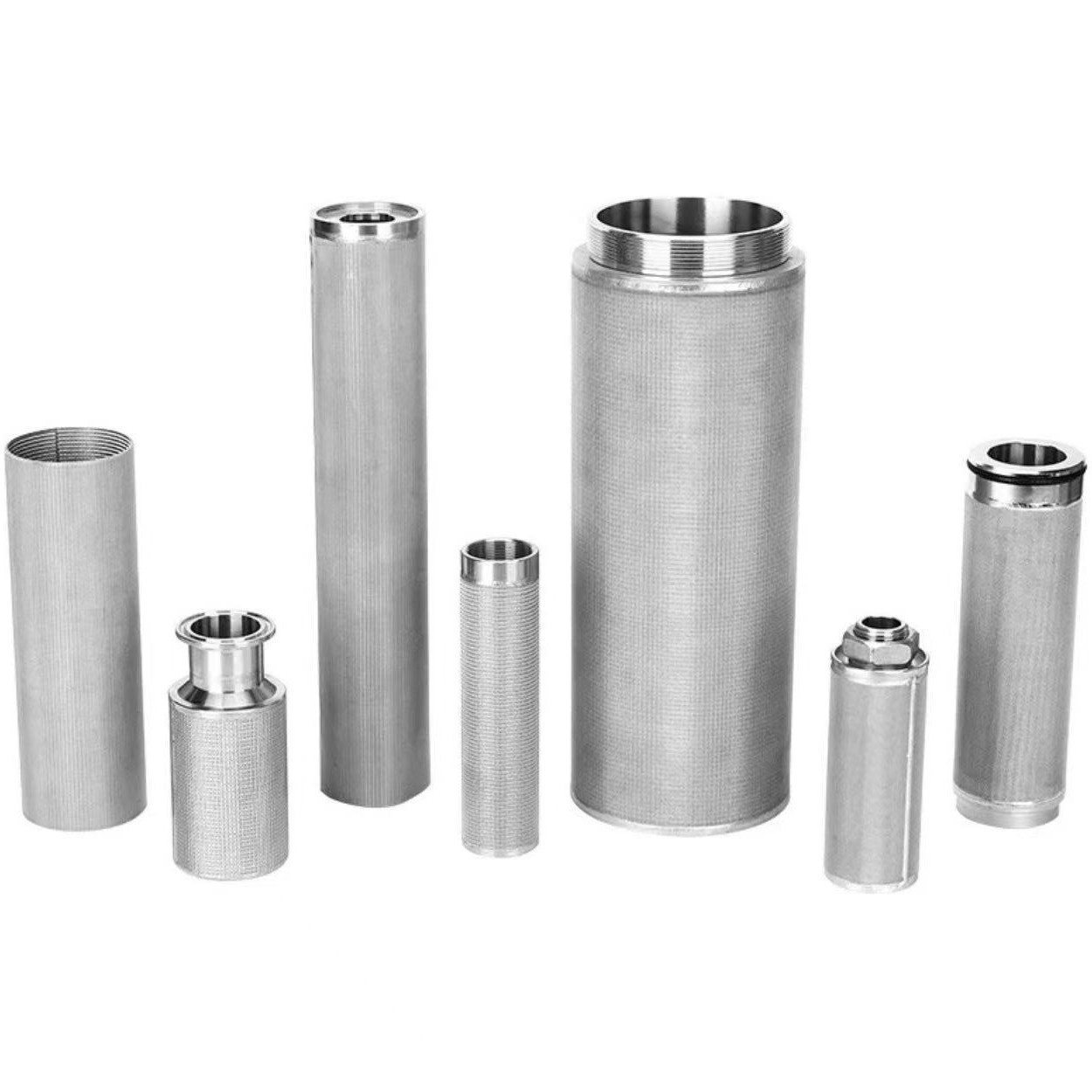
Different cartridge geometries require their own clean-pressure baseline and acceptance criteria.
Custom diameters and ends
Sintered Cartridge Maintenance Decision Checklist
1. Stabilize conditions
Follow the equipment owner’s isolation, depressurization and handling procedure.
2. Record baseline
Use equivalent flow, fluid, temperature and measurement locations.
3. Clean by plan
Use only a validated method compatible with media, joints, seals and contaminant.
4. Inspect and test
Check performance, dimensions, media, joints, ends and required integrity evidence.
5. Release or replace
Document acceptance, engineering disposition or replacement decision.
Compare post-cleaning pressure drop or flow with a documented clean baseline under equivalent conditions, then inspect media, dimensions, joints, ends and seals using the agreed acceptance criteria. Recovery alone is not enough if structural integrity is uncertain.
Not automatically. High pressure drop may result from loading, flow, viscosity, temperature or an unsuitable cleaning result. Stop operation according to the equipment procedure, identify the cause and inspect the element before deciding.
Escalate for replacement or engineering review when there are cracks, delamination, permanent deformation, damaged joints or interfaces, unrecoverable pressure loss, incompatible chemical exposure, or failure of a required integrity or acceptance check.
Do not assume so. Their pore structures, surface behavior, strength, joints and contaminant release can differ. Identify the media construction and follow a validated method compatible with the element and process.
Visual inspection is useful for obvious damage but may not reveal internal blockage, fine cracks, delamination or rating changes. Use the inspection and integrity requirements defined for the application.
Record element identity, service time or cycles, operating and pressure history, contaminant, cleaning method and parameters, pre/post-cleaning flow or pressure data, inspection results, repairs and the release decision.
Need a Replacement Cartridge Review?
Send the element drawing, media type, process and contaminant, clean and dirty performance data, cleaning history, inspection evidence, acceptance requirements and quantity. See the custom sintered metal filter cartridge page for commercial specifications.
Send the current drawing or complete specification, quantity, application and delivery destination through our contact page. Identify any required inspection or material records before quotation; availability and acceptance requirements are confirmed for the actual order.