Micron Stainless Steel Mesh for Industrial Filtration
Maidong reviews micron stainless steel mesh requirements as a complete industrial specification. State whether the micron value means a geometric opening or a tested retention rating, then add weave, wire geometry, alloy, dimensions, operating duty and finished form.
Fine woven stainless steel mesh should be ordered by its complete geometry or rating basis.
First Define What the Micron Number Means
Geometric aperture
A measured or calculated clear opening in square woven mesh.
Nominal rating
A stated retention efficiency under defined test conditions.
Absolute rating
A stricter retention threshold that still needs a method and efficiency definition.
Pore or test value
A construction-specific result used for Dutch weave, sintered or multilayer media.
This product page focuses on selecting and purchasing micron mesh within the broader stainless steel wire mesh range. Use the mesh-to-micron calculator for square-mesh geometry. Nominal and absolute values must be tied to their own definitions and test basis.
Micron Stainless Steel Mesh Specification Table
A micron value alone cannot define the product. Use the complete RFQ structure below when comparing quotations.
RFQ field
What to specify
Why it matters
Micron basis
Aperture, nominal/absolute rating, pore value or named method
Prevents unlike values being treated as equivalent
Mesh construction
Plain/twill square or Dutch weave; full count designation
Identifies the pore path
Wire geometry
Mesh count and wire diameter, or warp/weft details
Defines opening, strength and open area
Material
304, 304L, 316, 316L or drawing-specified alloy
Must suit process and cleaning chemistry
Supply form
Roll, slit width, cut piece, disc, cylinder or drawing
Defines dimensions, edges and fabrication
Process duty
Medium, viscosity, temperature, flow, pressure and cleaning
Connects the mesh to real operation
Acceptance
Tolerances, inspection basis, quantity and required documents
Creates a comparable purchase requirement
Square-mesh aperture depends on mesh pitch and wire diameter together.
Square Woven Mesh: Calculate Aperture From Two Inputs
For square woven mesh, nominal aperture equals mesh pitch minus wire diameter. Two products with the same mesh count can therefore have different openings and open areas.
Use fine stainless steel wire mesh when the purchasing requirement is specifically a fine square opening. The mesh count, wire diameter and aperture tolerance should be stated together.
Choose the Pore Structure, Not Just a Micron Label
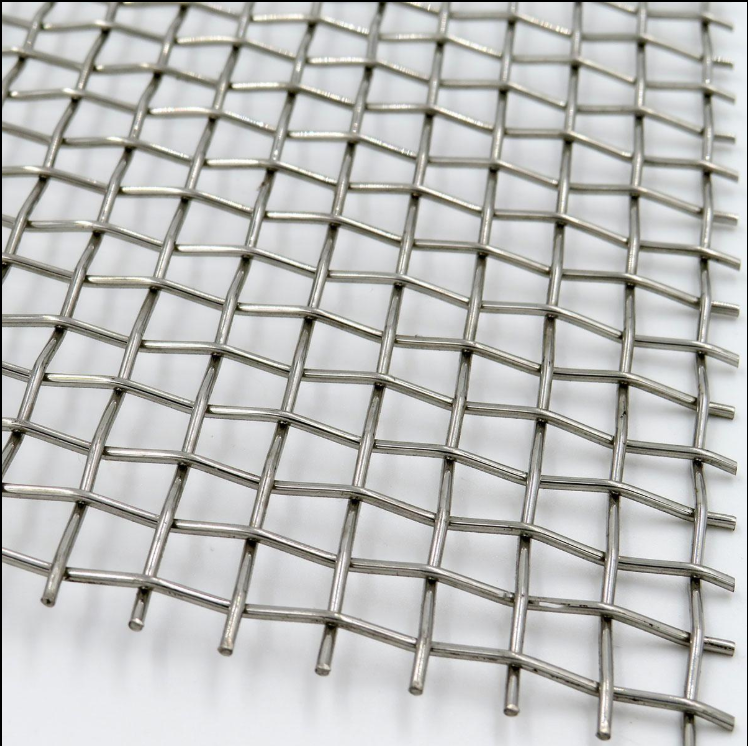
Plain square weave
Direct square openings with straightforward geometric aperture.
Twill square weave
A different wire path used for selected fine-wire combinations.
Dutch weave
Dense warp/weft construction with an indirect filtration path.
Supported media
Fine layer combined with coarse mesh or perforated support where required.
For Dutch constructions, do not apply the square-opening conversion formula. Use the Dutch weave mesh micron-rating guide and request the full construction plus rating method.
Material Selection: 304, 304L, 316 or 316L
The material grade does not set the micron value. Select alloy from the process medium, concentration, temperature, cleaning chemistry, fabrication and governing specification.
Fine woven stainless steel mesh should be ordered by its complete geometry or rating basis.
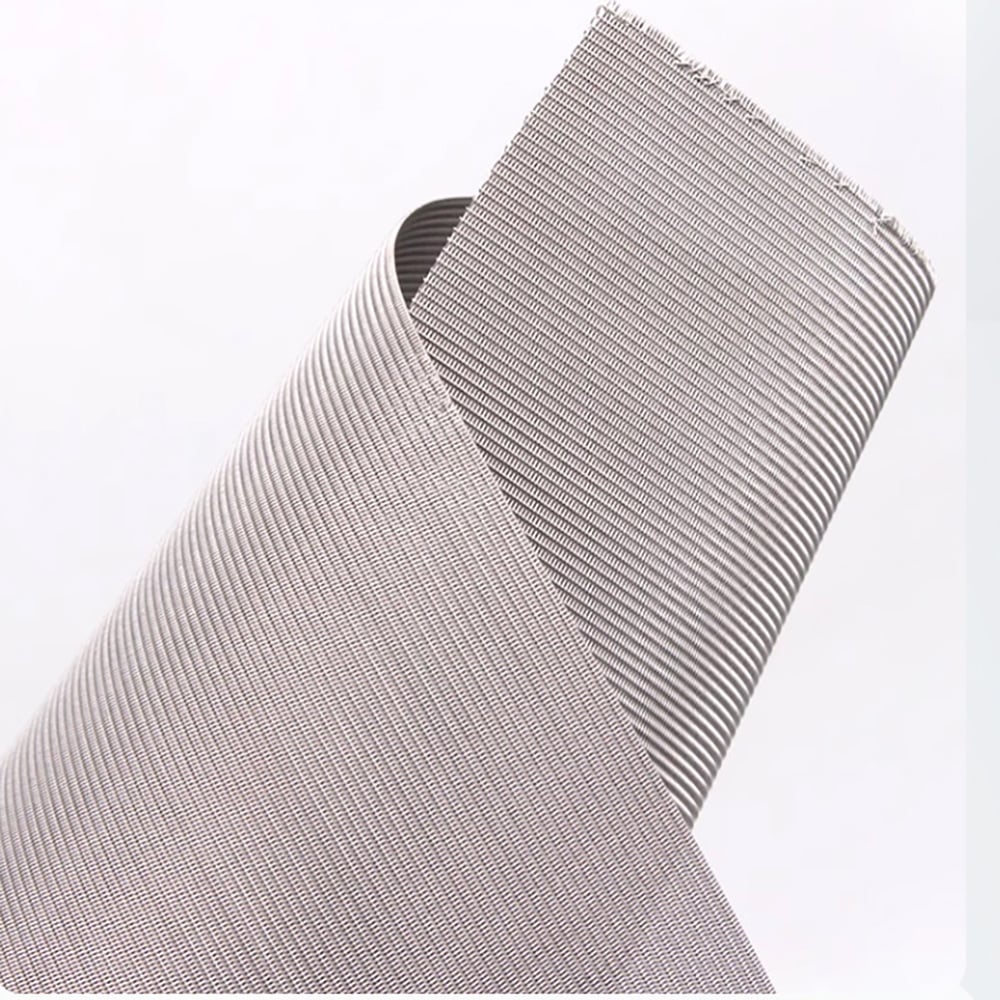
Dense woven media
Different opening structures illustrate why a micron request needs a weave and geometry definition.
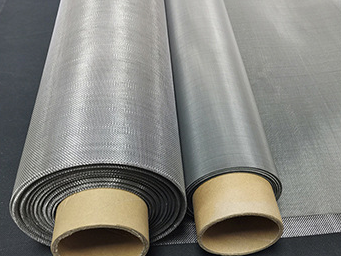
Opening and weave range
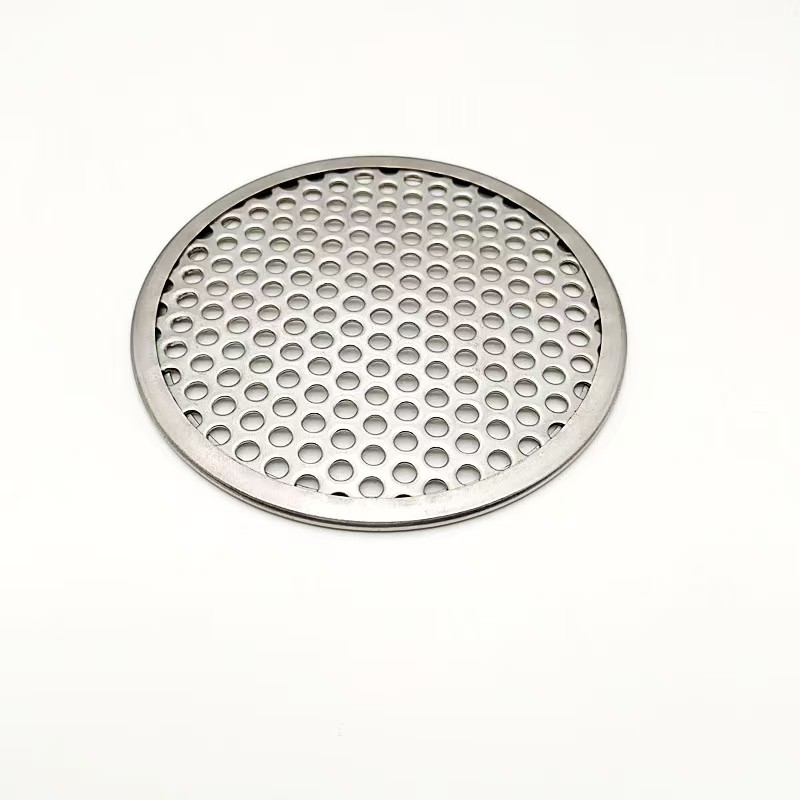
A perforated support can add rigidity but does not define the filtration rating of the fine media.
Perforated support
These product examples illustrate media and support choices, not guaranteed micron ratings or stock availability. Final supply follows the agreed construction, drawing and acceptance basis.
Typical Industrial Selection Contexts
Liquid filtration
Specify fluid, viscosity, particle target and pressure conditions.
Oil and hydraulic duty
Add cleanliness objective, flow, temperature and pressure drop.
Gas and air screening
Define particles, flow, temperature and support requirements.
OEM filter elements
Connect the media specification to the complete component drawing.
How to Prepare a Micron Mesh RFQ
1. Define the target
State the particle size or separation objective.
2. Define micron basis
Aperture, nominal, absolute, pore value or named test.
3. Select construction
Choose weave, wire geometry, material and support.
4. Define finished form
Give roll, cut piece or component drawing details.
5. Set acceptance
Add tolerances, inspection, quantity and process data.
Different opening structures illustrate why a micron request needs a weave and geometry definition.
Request a Specification Review
Send the micron value and definition, weave, wire geometry, grade, dimensions, finished form, process duty and quantity. If the rating method is unknown, describe the filtration objective instead of assuming an equivalence.
It usually means stainless steel mesh selected for a target opening or filtration value stated in micrometres. The value must be identified as geometric aperture, nominal rating, absolute rating or another named test basis.
For square woven mesh, nominal aperture can be calculated only when both mesh count and wire diameter are known. Mesh count alone is insufficient, and the square-mesh formula does not apply to Dutch weave.
Not automatically. A 50 μm geometric opening describes pore geometry, while a 50 μm filtration rating describes retention under a definition or test. Ask which value is being quoted.
304, 304L, 316 and 316L are common industrial enquiries. The correct grade depends on process chemistry, temperature, cleaning, fabrication and the governing material requirement.
Requirements can be reviewed for rolls, slit widths, cut pieces, discs, cylinders and supported assemblies. Finished parts need drawings, tolerances, layer sequence, seams, edges and flow direction.
Provide the micron value and its basis, weave, mesh count and wire diameter where applicable, grade, dimensions, tolerances, supply form, medium, temperature, pressure differential, cleaning method and quantity.
Request a Micron Stainless Mesh Quotation
Send the complete micron basis, mesh construction, dimensions, operating conditions and quantity for review.