316 Stainless Steel Wire Mesh for Industrial Filtration
316 and 316L stainless steel wire mesh are selected for industrial filtration and separation when material compatibility, weave geometry and fabrication requirements must be reviewed together. Specify the alloy, mesh construction, dimensions and operating environment—not the grade name alone.
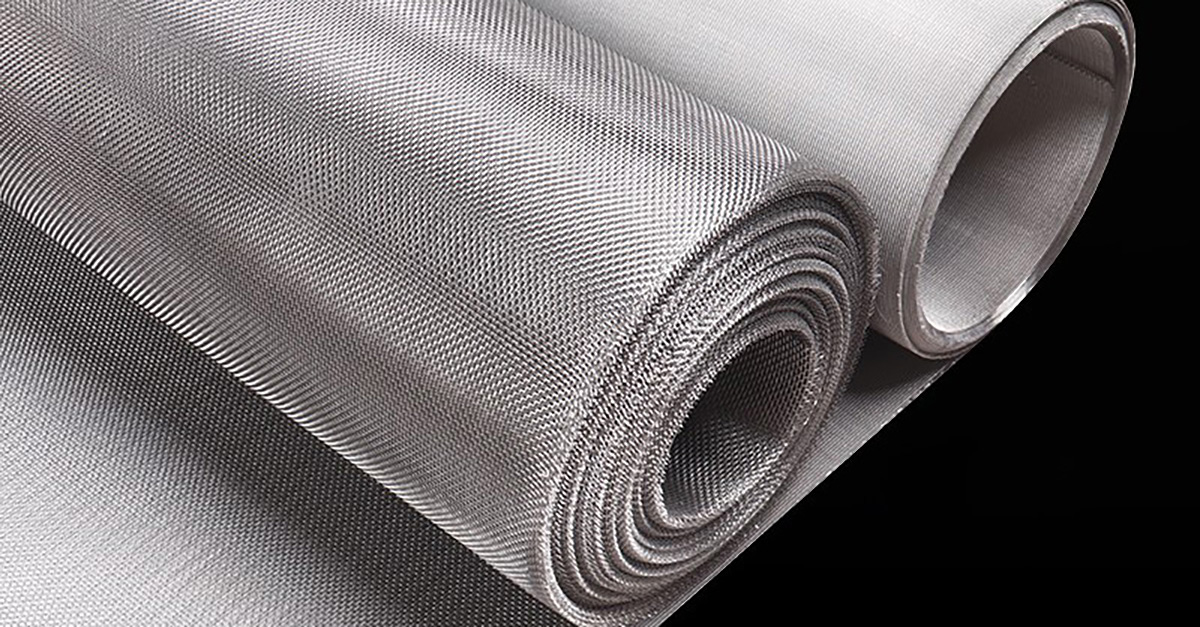
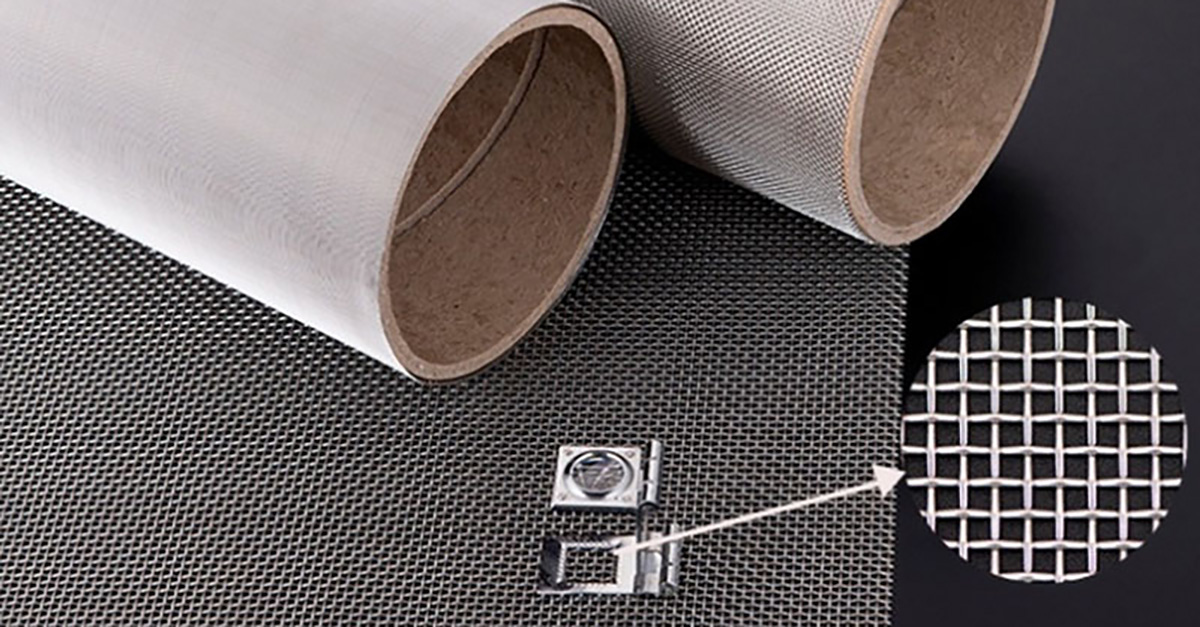
Woven stainless steel mesh roll options for specification review.
When 316 Stainless Steel Mesh Is the Right Starting Point
316 stainless steel includes molybdenum in its alloy system and is often considered when the process environment requires additional corrosion-resistance review. That does not make it automatically suitable for every chemical or chloride service. Selection must account for concentration, temperature, exposure, crevices, cleaning and the finished component design. For the broader product range, see stainless steel wire mesh; for a direct grade comparison, use the 304 vs 316 stainless steel wire mesh guide.
Process chemistry
Identify liquids, gases, solids, concentration and possible contaminants.
Temperature
State normal and upset temperatures because corrosion behaviour can change with heat.
Fabrication
Welding, forming, edges and multilayer construction can affect grade selection.
Cleaning method
Include chemicals, backwashing, ultrasonic cleaning or other maintenance conditions.
316 Wire Mesh Purchasing Specification
Use a complete mesh specification when comparing suppliers. Avoid approving material from a title, mesh count or micron value alone.
RFQ field
What to specify
Why it matters
Material
316, 316L or governing material designation
Prevents an informal grade name from replacing the required specification
Mesh geometry
Mesh count and wire diameter, or aperture requirement
Defines square-opening geometry and influences open area
Weave
Plain, twill, Dutch or drawing-specific construction
Determines pore structure, wire path and specification method
Dimensions
Roll width/length, cut size or finished-part drawing
Controls fit, edge condition and fabrication planning
Tolerances
Wire, opening, dimensions, flatness and edge requirements
Defines what will be inspected and accepted
Service data
Medium, temperature, pressure differential and cleaning
Supports material and structure review for real operation
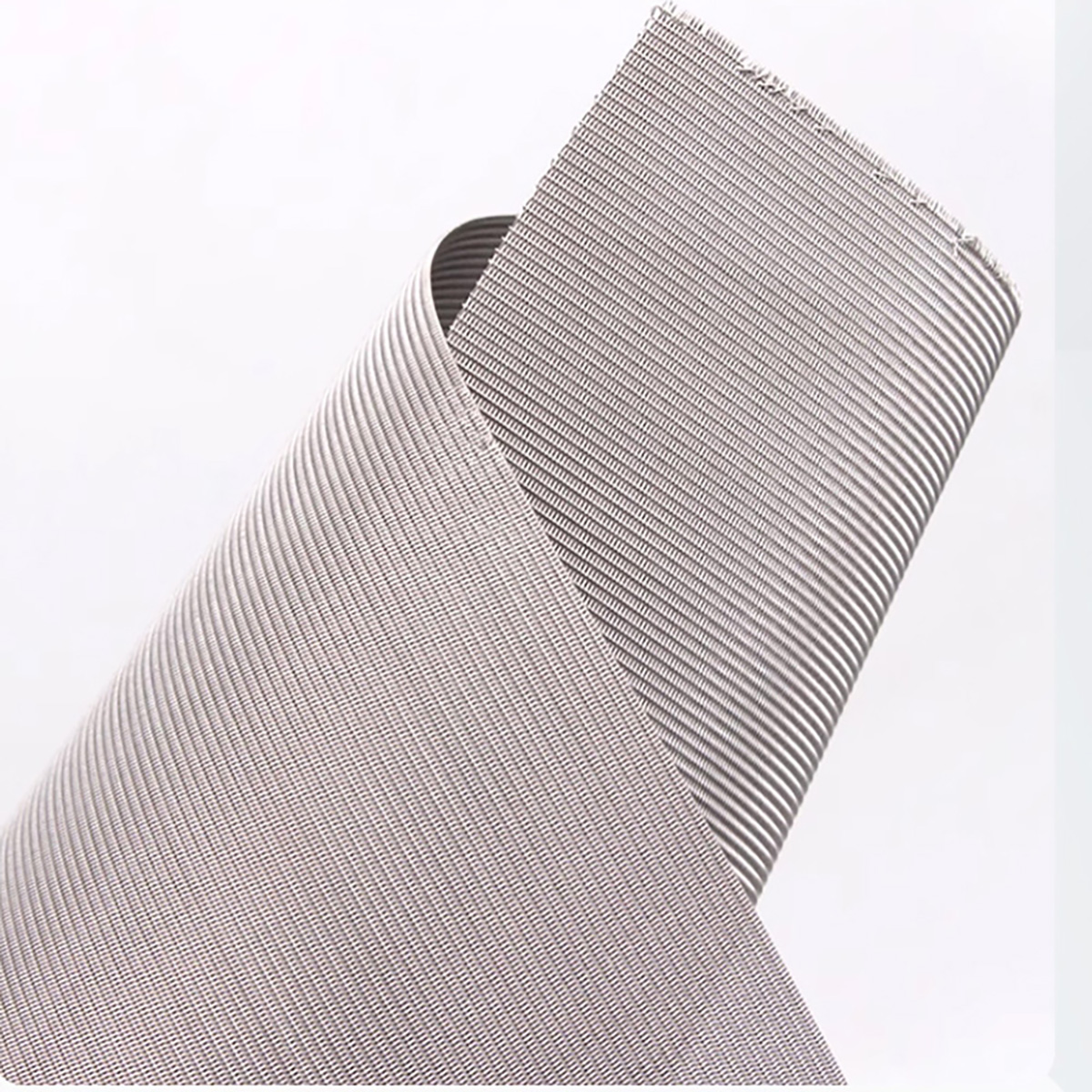
Fine woven mesh detail for filtration media selection.
316 vs 316L: A Practical Purchasing Distinction
Both belong to the same alloy family, while 316L has a lower carbon limit. The L grade is commonly considered for welded or fabricated mesh components where the applicable design and corrosion review make the lower-carbon composition relevant.
State the exact grade required on the RFQ and drawing. If material documentation is required, identify the document and acceptance standard before quotation.
Direct square openings defined by mesh count and wire diameter.
Twill square weave
A paired over-under wire path used for selected fine-wire combinations.
Dutch weave
Different warp and weft geometry creates an indirect pore path for filtration.
Fabricated media
Mesh can be reviewed with support layers, edges or drawing-based shapes.
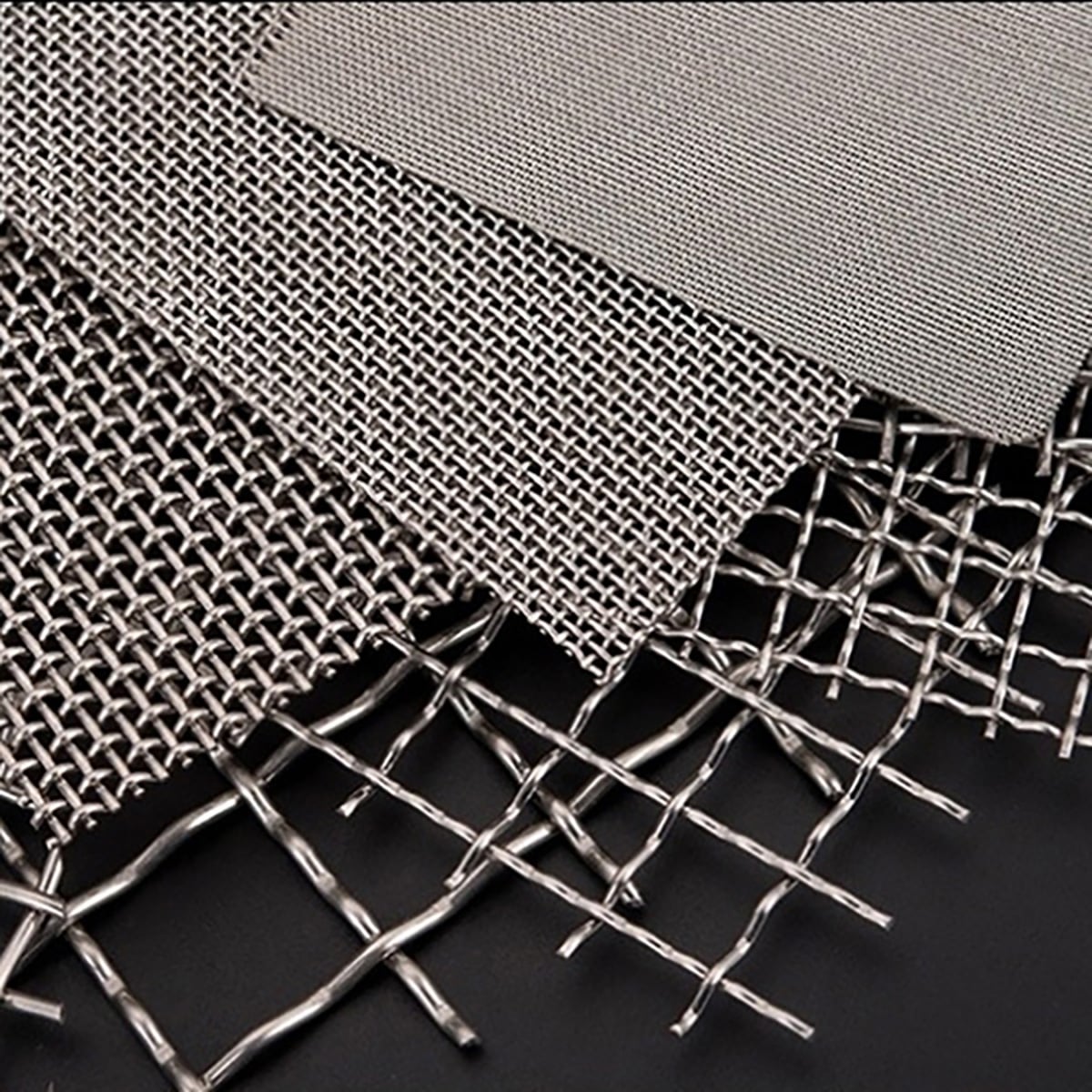
Different woven structures for screening, filtration and fabricated components.
Separate material grade from pore structure
“316” identifies the requested material family; it does not define filtration performance. For square mesh, calculate the nominal opening from mesh count and wire diameter with the mesh-to-micron calculator. For a denser pore path, review Dutch weave wire mesh as a separate construction.
Mesh Count, Aperture and Open Area
For square woven mesh, nominal aperture depends on both mesh count and wire diameter. Open area also changes when the wire diameter changes, even at the same mesh count. State the complete geometry and do not use a mesh number as a universal micron rating.
Square-opening mesh should be defined by mesh count and wire diameter together.
Supply Forms and Custom Processing
Rolls and slit widths
Define width, length, weave, edge condition and handling requirements.
Cut mesh pieces
Provide finished dimensions, outline, tolerances and quantity.
Filter discs
Specify diameter, layers, support and edge or rim construction.
Tubes and formed parts
Send a drawing with seam, end and support details for review.
Mesh geometry and finished dimensions should be included in the purchase specification.
Dimension and inspection planning
Finished parts require more than a mesh specification. Add the drawing dimensions, tolerances, flow direction, layer sequence and joining details. Compare stainless steel filter discs and stainless steel filter tubes when the mesh will be fabricated into a component.
Typical Industrial Uses
Chemical processing
Screening and filtration where process chemistry requires grade review.
Marine exposure
Mesh components evaluated for salt-containing or humid environments.
Liquid and gas filtration
Woven filtration media used alone or with a support structure.
Equipment protection
Debris screens and fabricated parts installed before sensitive passages.
These are application categories, not universal suitability claims. Confirm the alloy and mesh construction against the actual operating environment.
How to Select and Quote 316 Wire Mesh
1. Define the environment
List the process medium, concentration, contaminants and temperature.
2. Confirm the grade
State 316 or 316L and the governing material requirement.
3. Define the mesh
Provide weave, mesh count, wire diameter, aperture or filtration basis.
4. Add dimensions
Specify roll, cut piece or finished drawing geometry and tolerances.
5. Set acceptance criteria
Identify required dimensional inspection or material documentation.
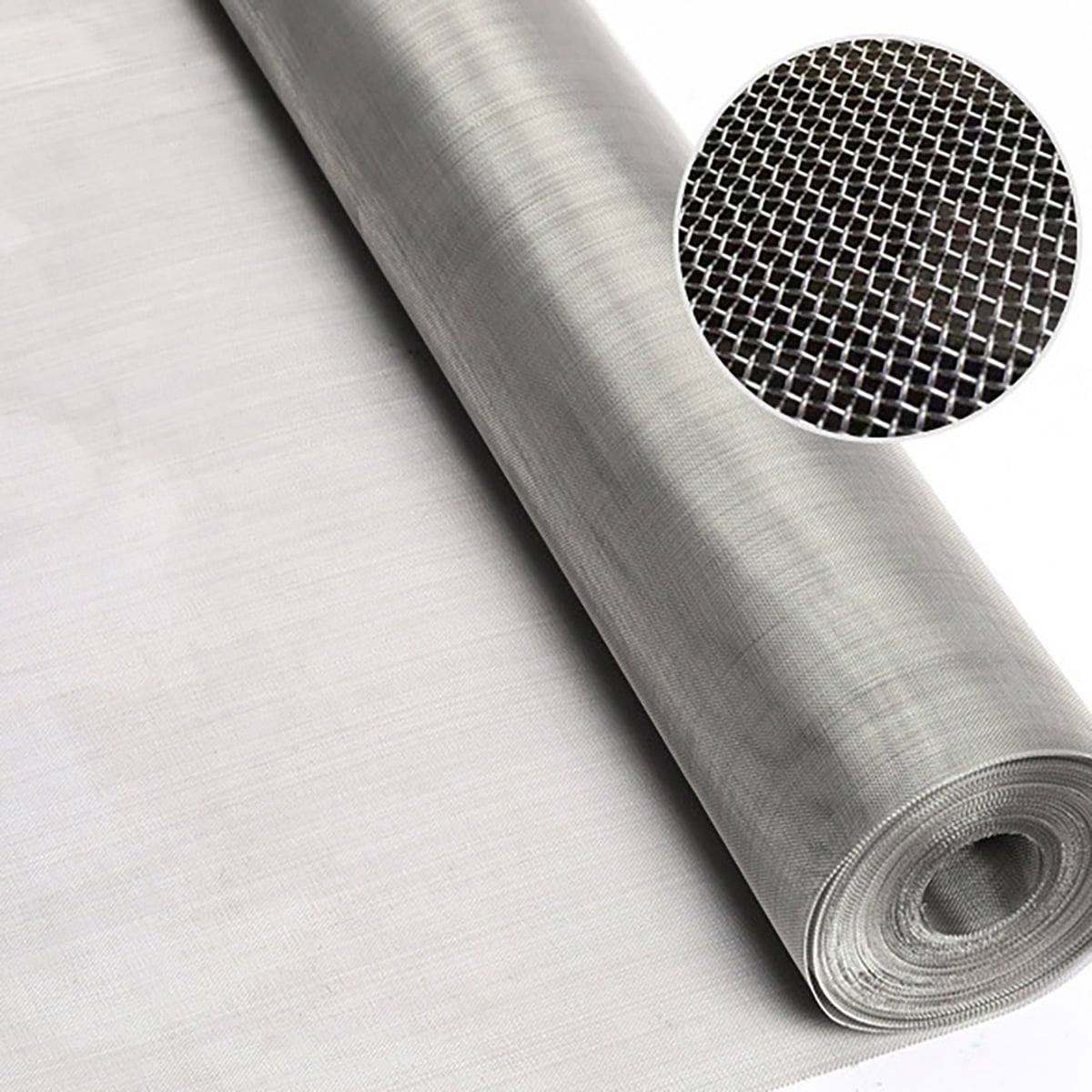
Woven stainless steel mesh roll options for specification review.
What to Send With Your RFQ
316 or 316L material requirement
Weave, mesh count and wire diameter or aperture
Roll dimensions, cut size or finished drawing
Edge, layer, support and joining requirements
Process medium, temperature and pressure differential
Quantity, tolerance and inspection requirements
Where a technical value is unknown, describe the function and operating conditions rather than guessing.
316 stainless steel wire mesh is woven from wire specified to the 316 alloy family. It is selected when the process chemistry and corrosion conditions require a material review beyond general-purpose mesh. Mesh performance still depends on weave, wire diameter, aperture and fabrication.
316L has a lower carbon limit than standard 316 and is commonly considered where welding or fabrication makes sensitization resistance relevant. The correct grade should be confirmed from the governing material specification and the actual service conditions.
No stainless steel grade is universally suitable. Chloride concentration, temperature, oxygen level, crevices, cleaning chemistry and exposure time can change corrosion risk. The purchaser should review material compatibility for the real process.
State mesh count and wire diameter together, or give the required aperture, then add weave, roll or cut dimensions, edge condition, dimensional tolerances and inspection requirements.
A drawing can be reviewed for cut discs, formed tubes, baskets, cones or supported mesh assemblies. Include dimensions, layer sequence, joining details and operating conditions.
Provide the requested grade, weave, mesh geometry, dimensions, quantity, edge or fabrication details, process medium, temperature, differential pressure and any material or dimensional documentation requirement.
Request a 316 Mesh Specification Review
Send the grade, mesh geometry, dimensions, operating conditions and quantity. Maidong can review the requirement for woven mesh or a drawing-based filter component enquiry.