
Maidong reviews custom mesh screens and assembled screen packs for the melt-filtration stage of plastic pelletizing lines. Specify the component around your resin, filtration requirement and screen changer.
Send the current pack drawing, layer schedule or measured sample details. Single screens, multi-layer sets, spot-welded packs and rimmed constructions are quoted against confirmed requirements.
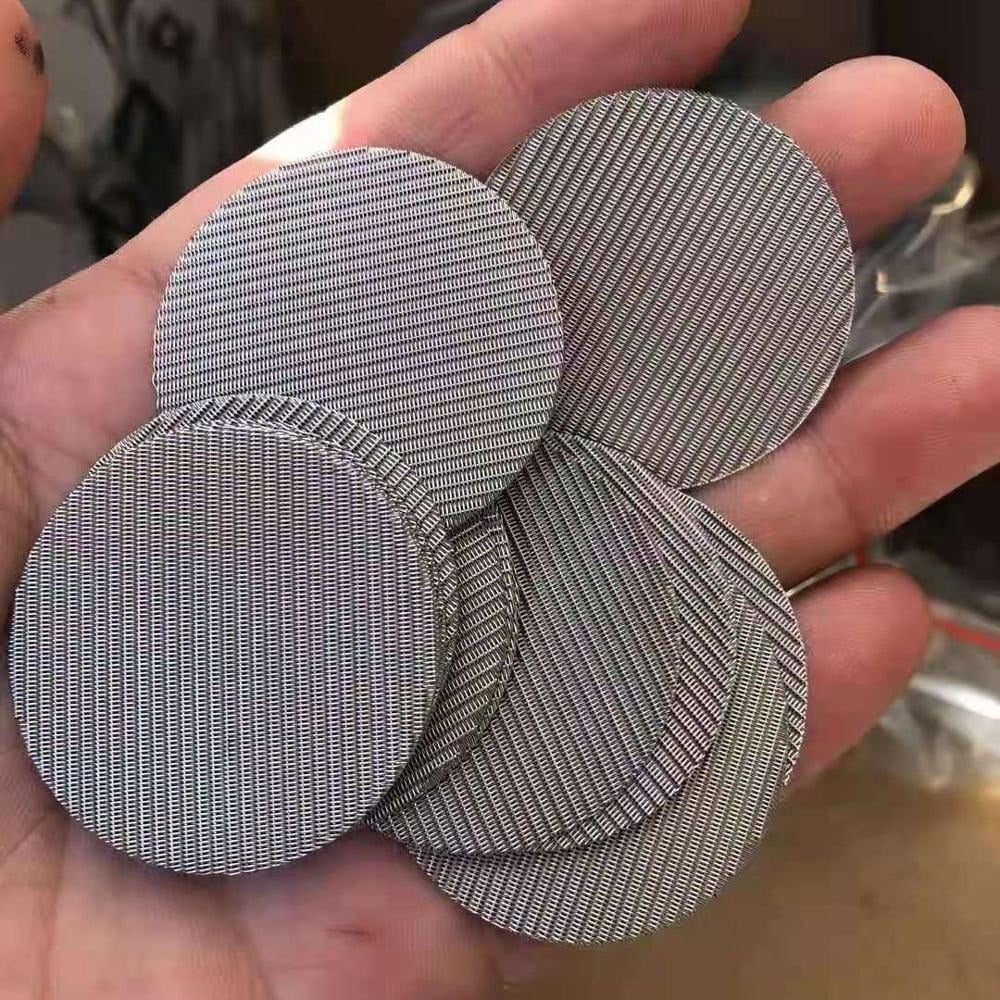
A plastic pelletizing extruder screen retains suitable solid contamination from molten polymer before pellet formation. It is a melt-filtration component, rather than a sieve that sorts finished pellets by size.
Conceptual sequence: polymer melting / compounding → equipment-defined melt filtration → die and pellet-forming stages. The position of pumps, valves and filters follows the actual line design; this is not an equipment assembly drawing.
This page covers replacement mesh components for compatible equipment. For the complete shape and construction range, view our extruder screens and screen packs.
Identify the filtration component upstream of strand formation. Provide the screen changer and current pack specification, rather than the cutting-rotor details alone.
Locate the melt filter on the process drawing before the die/cutting stage. Distinguish it from downstream process-water filters and pellet-dryer screens.
State the pellet-forming method and exact component position. The pelletizer name does not determine the required screen profile or mesh.
Include the formulation and additives. Identify unwanted particles while defining the fillers or ingredients intended to remain in the compound.
These are enquiry contexts, not claims that one flat screen pack fits every pelletizing system. Some filtration equipment uses belts, drums, candles or other elements and requires a different component format.
Individual screens for an approved customer-assembled sequence. Specify quantities and full mesh details for each layer.
Layers secured at defined positions for handling. Confirm weld locations, layer order and any areas that must remain clear.
Mesh edges retained by a formed rim. Confirm rim alloy, width and maximum finished thickness separately from the mesh.
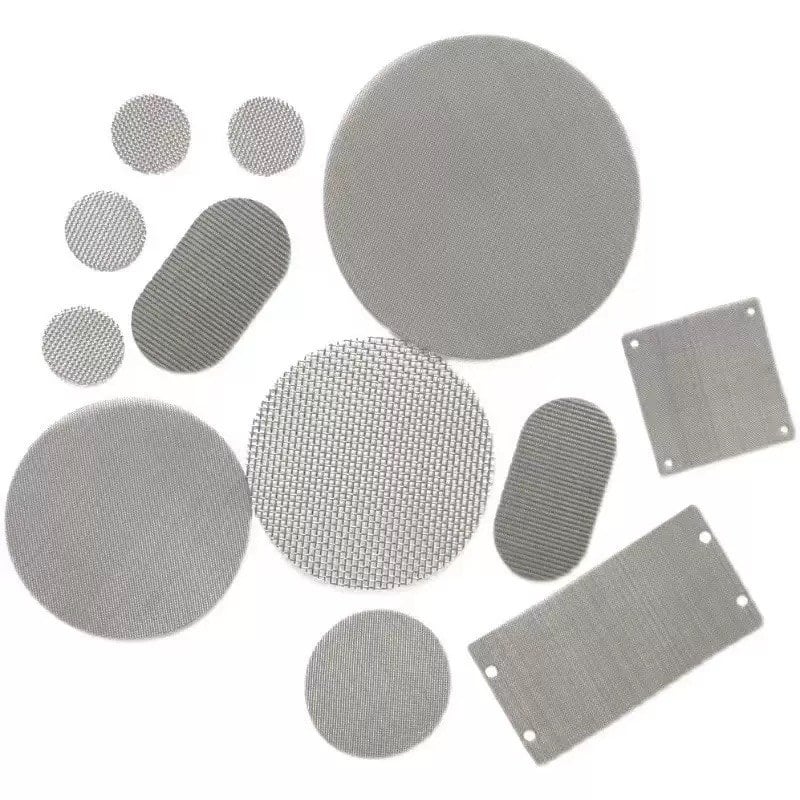
Round, oval and rectangular mesh examples. Exact material, mesh and layer count require a specification.
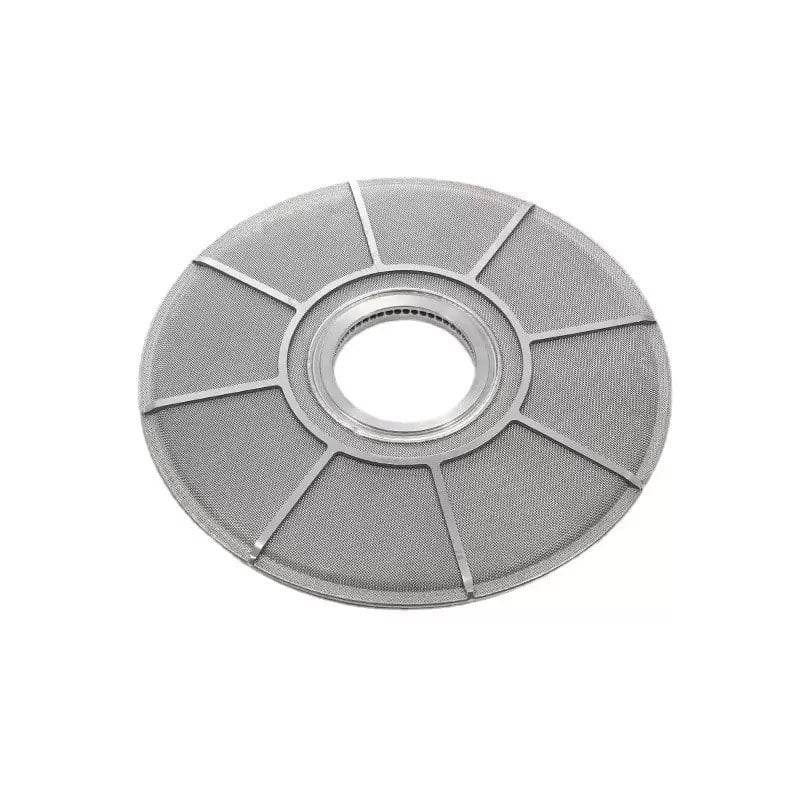
Annular mesh construction with visible supports. This is a geometry example, not a universal pelletizer replacement.
For PE, PP and other polymer enquiries, provide the actual resin or blend rather than selecting a mesh solely from the polymer name. Include additives, intended fillers and the required pellet or downstream-product condition.
Reference / custom available: SS304, SS316 and SS316L mesh can be reviewed against the operating requirements. Other materials and rim alloys require confirmation. No general temperature, pressure or certification claim follows from the material name.
Reference mesh counts include 20, 40, 60, 80, 100, 120, 150 and 200; these are enquiry options, not standard recommendations for pelletizing or a stock guarantee. Square woven mesh requires wire diameter as well as mesh count. Dutch and twilled Dutch constructions require the full warp/weft specification and relevant filtration data.
| RFQ parameter | Information to provide | Review purpose |
|---|---|---|
| Installation position | Line drawing or identified melt-filter location | Separates melt filtration from cutting, water filtration and pellet screening |
| Component geometry | OD, ID where applicable, profile, thickness and tolerances | Defines fit and active opening |
| Each layer | Material, mesh count, wire diameter and weave | Defines the full cloth specification |
| Layer schedule | Every layer in a stated direction, including supports | Removes inlet/outlet ambiguity |
| Edge construction | Loose, spot-welded or rimmed; weld and rim dimensions | Controls assembly, thickness and contact area |
| Resin / compound | Polymer, additives, filler and virgin/recycled feed | Explains intended ingredients and contamination |
| Filtration objective | Opening/rating definition and acceptance requirement | Avoids equating mesh count with guaranteed retention |
| Operating context | Throughput, melt temperature and pressure information if available | Supports construction review under the actual conditions |
| Change / cleaning method | Manual, continuous or backflush; equipment instructions | Checks whether the proposed pack suits the duty |
| Supply | Quantity per configuration, packing, documentation and destination | Supports an accurate quotation |
Use the screen pack combinations and layer-order guide to prepare a complete schedule. Reference combinations are not automatic installation instructions.
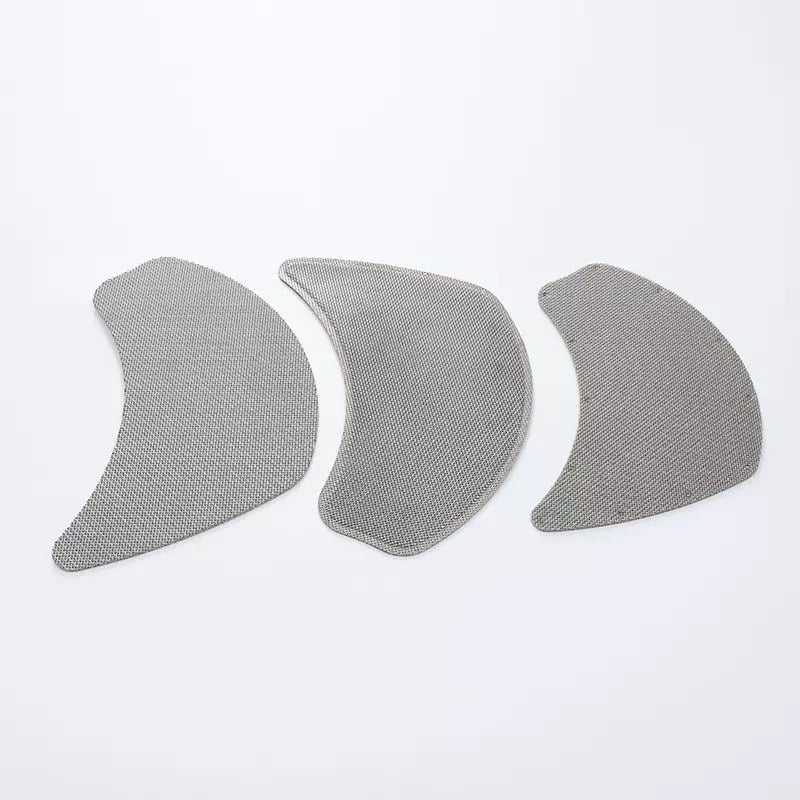
A part number or machine model helps identify the enquiry but does not replace the component drawing. Confirm the cavity profile, recess depth, rim contact area and support arrangement.
Frame material or spot welding alone does not guarantee a seal, mechanical suitability or compatibility with a particular screen changer.
Located in the molten-polymer flow before pellet formation. Specify mesh construction, layer order and changer fit. This is the component covered here.
A screen used when cutting or reducing solid plastic. The term “granulator screen” may refer to this different machine part; identify the position before requesting a quote.
A separate screening step for formed pellets. Pellet size separation is not defined by the mesh pack used earlier in the melt.
A downstream drying/dewatering component. See pellet dryer replacement screens for that procurement scope.
If your enquiry centers on contamination in recycled feed, also see plastic recycling extruder screen packs.
For repeat supply, use one approved drawing revision and identify each pack configuration separately. Compare wire diameter, weave, material and edge details as well as the mesh counts.
For a new configuration, define acceptance around the required product condition, pressure trend, output and screen condition. Compare under similar operating conditions and follow the equipment limits. Finer mesh or additional layers should not be treated as an automatic improvement.
When changing colors or formulations, state any cleanliness and packing requirements. Required inspection documents should be agreed before ordering; do not assume a particular certificate is included.
Start with the component drawing or dimensions, layer specification, quantity and delivery country.
Drawing number/revision; screen changer; dimensions; each layer; material; weld/rim details; quantity per pack type.
Process position; resin and additives; filtration objective; operating context; support arrangement; replacement or backflush method.
If information is missing, mark it “to confirm” and send measured photos. Appearance can explain shape and visible construction, but cannot verify the exact alloy or hidden mesh layers.
Use our screen pack drawing and RFQ checklist to prepare dimensions, the complete layer schedule and order quantities.
They are replacement mesh screens or screen packs used in the polymer melt-filtration stage before pellet formation. The exact construction and location follow the screen changer and production-line design.
Not necessarily. Granulator screen often means the perforated screen in a plastic size-reduction machine. For melt filtration, specify pelletizing extruder screen pack and show the installation position or component drawing.
The pelletizing method alone does not establish interchangeability. Compare the screen-changer cavity, mesh construction, dimensions, edge and support arrangement. A matching process name is not a matching part specification.
Start with the approved working specification or provide a filtration objective. Include the resin or blend, additives, contamination, throughput and equipment details. No universal PE or PP mesh count is specified.
Submit the compound and filtration requirements for review. Identify additives and fillers that must remain in the product as well as unwanted contamination. Selecting finer mesh without reviewing the formulation may be inappropriate.
The melt screen is specified for filtration. Pellet size is associated with the die and cutting process rather than being set by the mesh number. Finished-pellet classification is a separate screening step.
Do not assume so. Reverse-flow loading, layer attachment and equipment support need review. Provide the changer drawing and operating requirements before substituting a loose, welded or rimmed pack.
Follow equipment limits and monitor pressure trend, output and product condition. Resin, contamination, filtration area and operating conditions affect the interval; no fixed number of hours or universal pressure threshold is promised.
Send the drawing or measured dimensions, layer sequence, wire diameter, mesh count, weave, material, edge construction and quantity. Add the resin, filtration requirement, screen changer and delivery country.
Send your screen pack drawing and pelletizing process requirements to Maidong Metal Wire Mesh Products Co., Ltd. We will review the construction and prepare a quotation around the confirmed specification.