Metal Filter Element Seam and Joining Guide
A metal filter joint can control geometry, retain fine media, transfer pressure load or prevent bypass. Specify every seam by its location, function, geometry, continuity, finished profile and acceptance requirement—not by writing only “welded.”
Direct Answer: Define the Joint Function Before the Joining Process
Shape control
Forms flat mesh or sheet into a tube, cone, basket or framed component.
Media retention
Keeps the filtration layer in position without creating an unintended bypass path.
Load transfer
Connects media, support, rings, caps or fittings under stated pressure and handling loads.
Sealing boundary
Closes a path that must not allow fluid to pass around the filtration medium.
Metal Filter Seam and Joint Control Matrix
Use the function of each joint to decide what must be controlled. Not every attachment needs the same continuity, sealing or inspection requirement.
| Joint location | Drawing controls | Main RFQ question |
|---|---|---|
| Longitudinal body seam | Butt/overlap geometry, position, width/profile, continuity and finished OD/ID | Does it control fit, load, bypass or all three? |
| Media-to-support joint | Layer order, attachment zones, masked area and support direction | Can the fine medium shift or lift under pressure? |
| End-cap or flange joint | Joint location, penetration/attachment requirement, seal boundary and end dimensions | Is this joint part of the bypass boundary? |
| Support ring or frame | Spacing, contact, attachment pattern and finished geometry | What load or shape function does the support perform? |
| Layered disc edge | Layer sequence, edge treatment, frame/rim and filtration-area boundary | Can layers separate or fluid bypass the media? |
| Acceptance | Visual, dimensional, continuity, integrity or named test requirement | How will buyer and supplier judge the finished joint? |
Longitudinal Seams: Butt, Overlap and Finished Profile
A butt arrangement minimizes overlap thickness but requires edge alignment and a suitable joining route. An overlap arrangement can simplify edge retention but creates a local double-thickness area that may affect fit, open area and flow.
For the finished product context, review the custom welded filter tube. This guide owns the cross-product seam and RFQ intent.
Joining Process Families: Specify Requirements, Not Assumptions
Welded joint
Review material, thickness, heat input, distortion, active-area position and required continuity.
Brazed joint
Review filler compatibility, process cleanliness, joint clearance and service conditions.
Mechanical joint
Folded, crimped or locked forms require geometry, retention and bypass review.
Bonded multilayer media
Sintered laminates are selected as a complete porous construction, not a loose seam substitute.
These are selection categories, not a claim that every method is available for every part. The final manufacturing route and inspection scope require feasibility confirmation from the actual drawing.
Mesh Cylinder Seam Process Reference
Process reference: a cylindrical mesh workpiece moving beneath a wheel-shaped tool along its longitudinal seam. This silent excerpt illustrates a joining operation; it does not establish the material grade, process settings, seam integrity or acceptance results. Source: user-supplied video collection; factory ownership is unverified. It is not presented as Maidong factory footage.
Joining Fine Media to Structural Support
Fine woven mesh provides the retention function; perforated sheet, expanded metal or coarse mesh usually provides support. Define the layer order, high-pressure side, attachment region and maximum area that may be masked by the joint.
Use the flow-direction and support guide and metal filter differential-pressure guide when those pages are available to the reviewer.
End Caps, Flanges, Threads and Bypass Boundaries
End cap
Define attachment zone, closed/open function, pressure side and finished length.
Flange or collar
Control seating face, position, flatness, bolt pattern and filter-body attachment.
Threaded fitting
State thread, reference face, seal location, concentricity and joint to the filter body.
Media termination
Show how fine media ends and how fluid is prevented from passing around it.
Use the end connections and sealing guide for interface details.
Control Finished Dimensions After Joining
Forming and joining can change roundness, straightness, flatness, end-face position and seam profile. Put equipment-fitting dimensions and tolerances on the finished element drawing.
The filter element drawing and tolerance checklist helps separate critical dimensions from reference values.
Real Maidong Filter Joint Examples
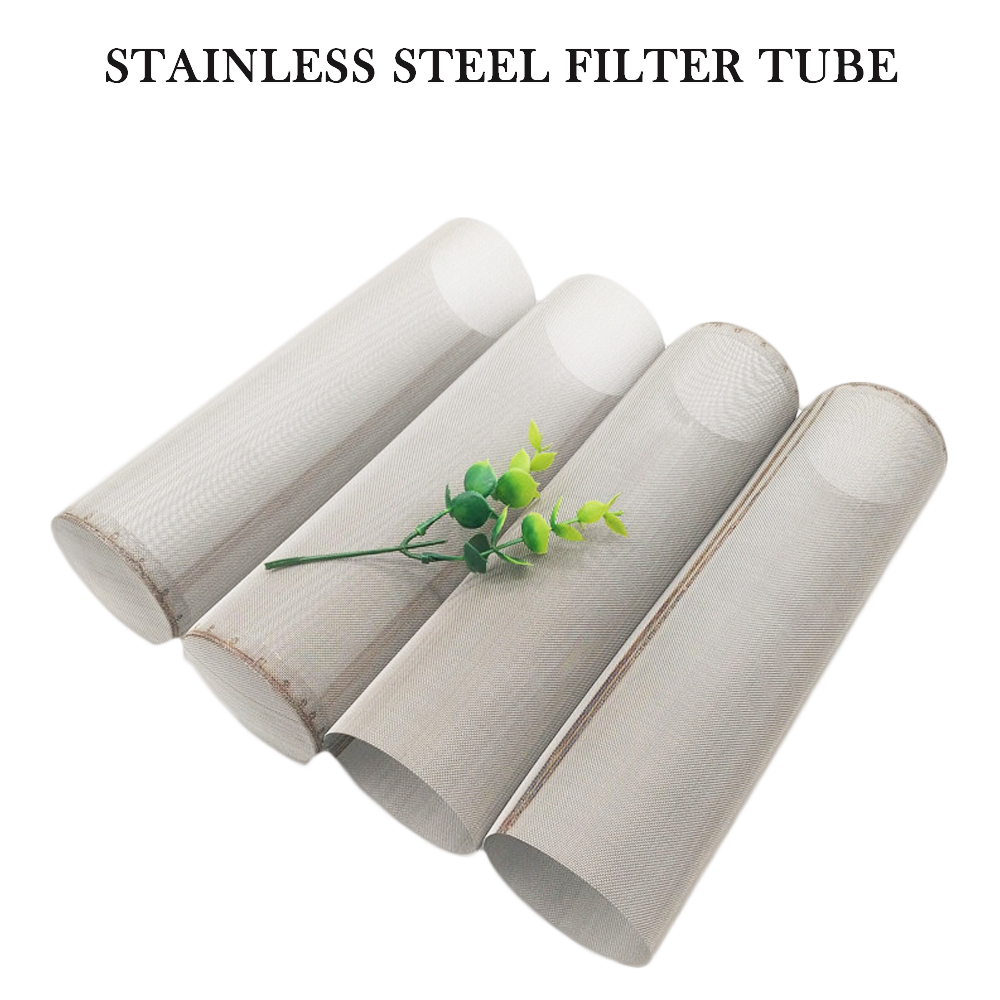
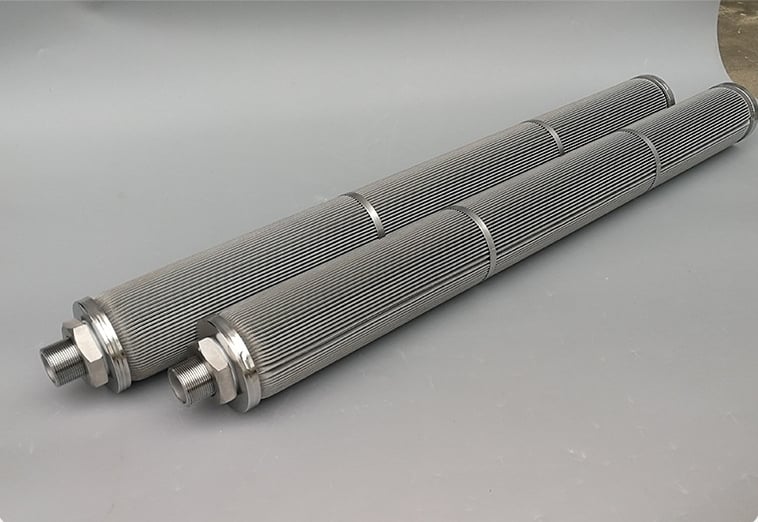
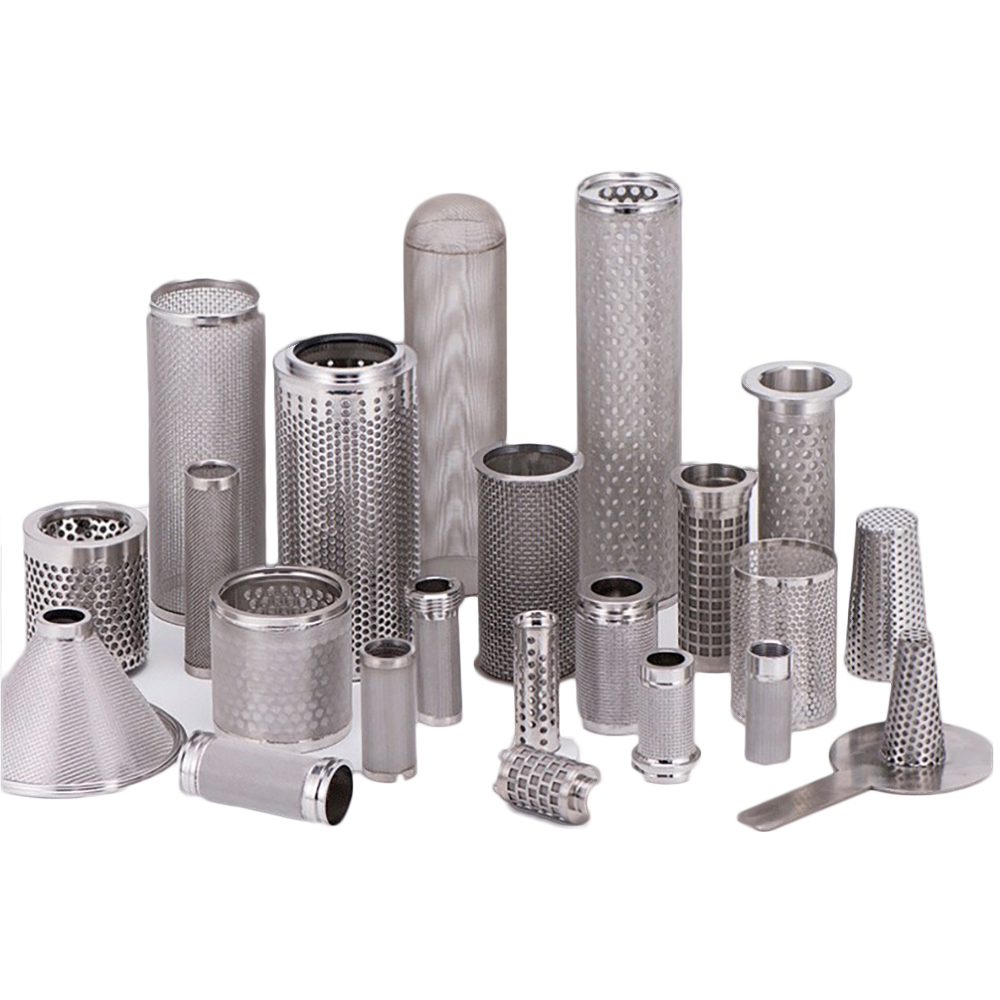
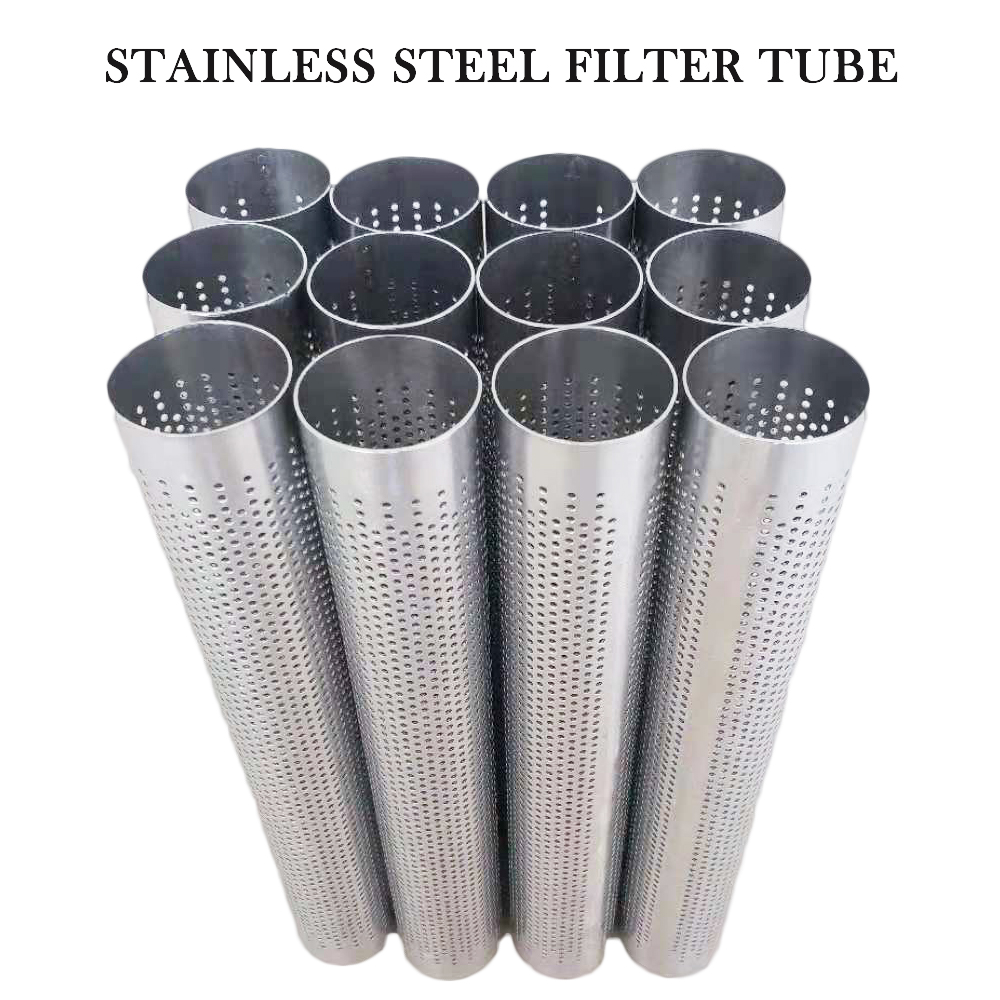
These real products show body seams, support rings, end fittings and varied joined structures. They demonstrate where joints occur, not universal processes, strength values or acceptance standards.
Longitudinal sheet seams
Formed mesh cylinders
Rings and threaded ends
Custom joined geometries
Joint Acceptance: Match the Check to the Function
Visual condition
Profile, surface condition, incomplete attachment or damage where relevant.
Dimensional inspection
Finished OD/ID, length, flatness, roundness, seam height and interface position.
Continuity or integrity
Use only an agreed method and acceptance criterion tied to the joint function.
Media verification
Confirm opening/rating and ensure joining has not created an unintended bypass path.
Metal Filter Seam and Joining RFQ Checklist
1. Mark every joint
Show body seam, media/support, rings, edges, caps and fittings.
2. State each function
Shape, locate, carry load, retain media or prevent bypass.
3. Define geometry
Butt/overlap, profile, width, position and continuity.
4. Add service data
Media, flow, differential pressure, temperature and cleaning.
5. Define acceptance
Finished dimensions, inspection method, quantity and revision.
Metal Filter Seam and Joining FAQ
Identify seam location, joint function, butt or overlap geometry where relevant, width or profile, continuity, relationship to the active filtration area, permitted distortion and required inspection or acceptance condition.
No. Continuity depends on whether the joint must prevent bypass, retain media, carry load, locate layers or only hold parts during assembly. State the functional requirement instead of assuming every joint needs the same treatment.
A butt seam joins adjacent edges with little or no overlap, while an overlap seam places one edge over another. The choice affects local thickness, profile, effective opening, fit and joining access.
Define layer order, support side, attachment zones, allowed masked area, flow direction and differential-pressure loading. The fine medium should not be described only by the support-body specification.
Forming and joining can change roundness, straightness, flatness, end-face position or seam profile. Apply critical dimensions and tolerances to the finished component, not only the flat blank.
The process depends on materials, thickness, pore structure, joint function, contamination limits, thermal effects, geometry and inspection needs. Welding, brazing, mechanical locking or other methods require project-specific feasibility confirmation.
Request a Filter Joint Drawing Review
Send the media, support, joint locations and functions, finished dimensions, operating duty, acceptance requirements and quantity.