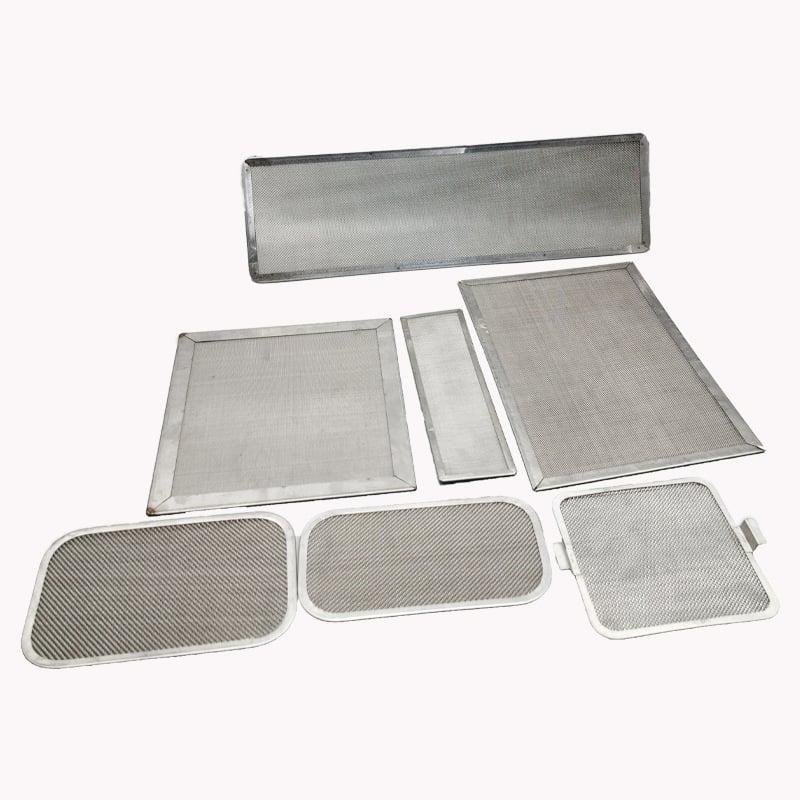
Custom rectangular wire mesh filter screens combine a selected filtration medium with a controlled frame and equipment interface. Specify the mesh, support, finished outline, corner geometry, frame section, sealing perimeter and mounting details together.
A rectangular frame is defined by more than its outside size. Show frame width, profile, total thickness, inside opening, corner form and joint location. Square, rounded or clipped corners change both active area and equipment fit.
Use the wire mesh filter edge guide to compare plain, folded, welded, rimmed and gasket-captured perimeter concepts.
Available Screen Constructions
Single-layer framed screen
One selected mesh contained by a drawing-defined perimeter frame.
Multilayer supported screen
Fine media combined with drainage or support layers in a fixed order.
Mesh plus perforated support
Fine woven layer paired with a rigid perforated plate when the duty requires it.
Plain rectangular insert
Cut mesh captured completely by the customer housing.
Gasket-contact screen
Frame or border forms part of a defined sealing stack.
Screen with tabs or holes
Mounting and orientation features located from drawing datums.
Finished screen shape, mesh grade and support arrangement are separate drawing decisions.
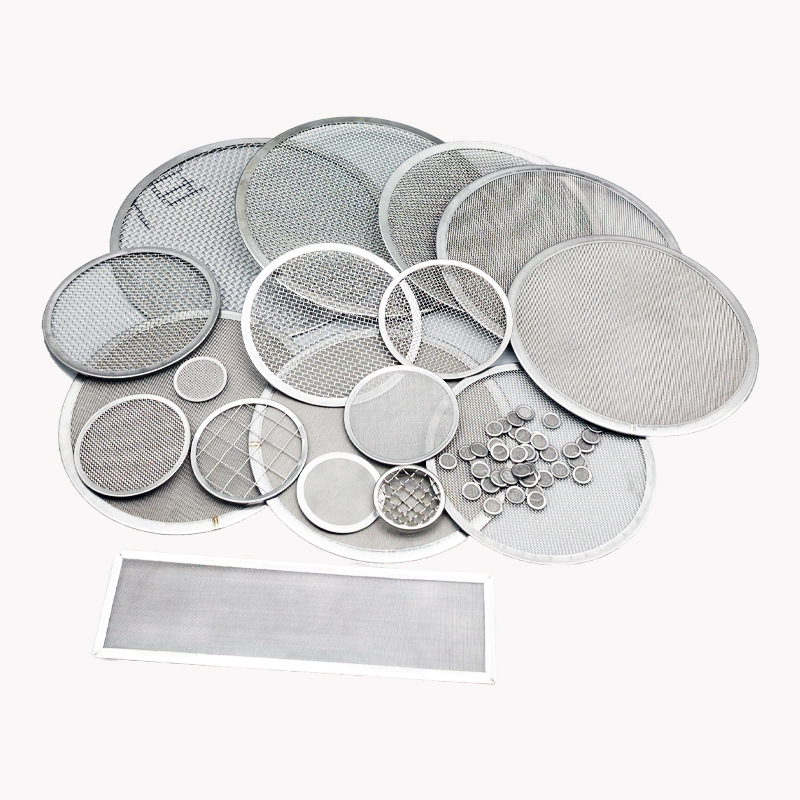
Profile-shaped screens can be supplied with drawing-defined perimeter construction.
Mesh Selection and Active Area
Select the medium from the particle target, aperture or rating basis, flow, differential pressure, cleaning and material compatibility. Then calculate the usable filtration region inside the frame, supports, joints and mounting features.
Finished screen shape, mesh grade and support arrangement are separate drawing decisions.
Sealing Perimeter and Bypass Control
Mesh-to-frame path
State how the media terminates and joins around the complete perimeter.
Frame-to-gasket path
Define the contact face, gasket position and required width.
Gasket-to-housing path
Show groove, clamp, compression direction and locating datum.
Corner continuity
Define corner joints, radii and permitted gaps where sealing matters.
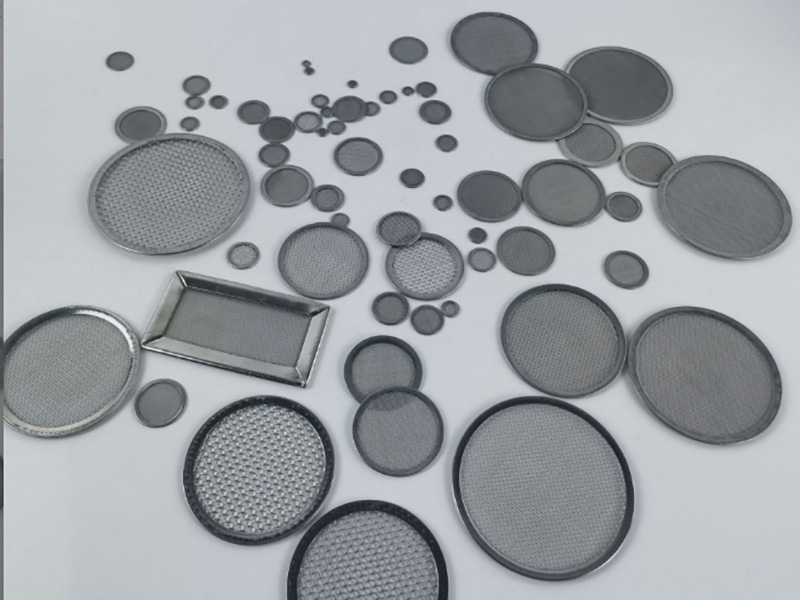
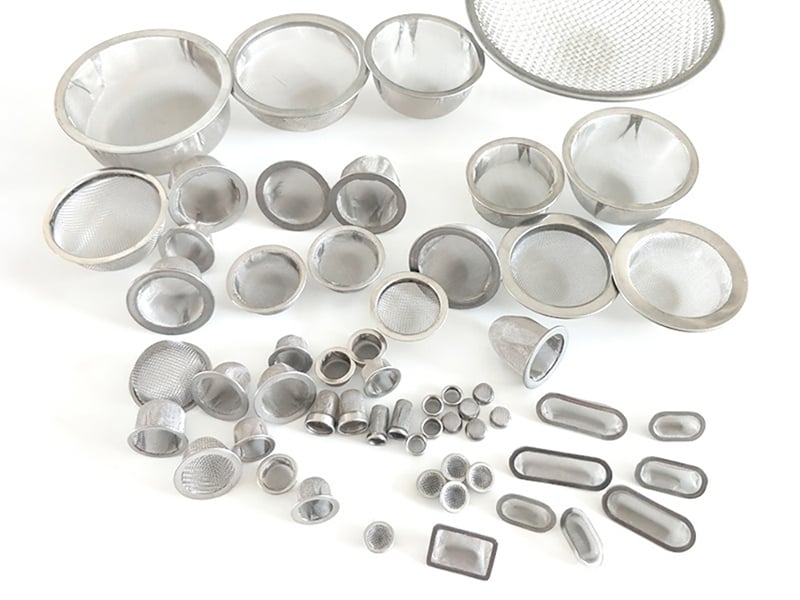
Small profile-shaped inserts show how outline and edge details vary by equipment interface.
Tabs, Holes and Equipment-Specific Features
Mounting tabs, holes, slots and handles can change the installed envelope and load path. Locate each feature from common datums and identify whether it mounts, locates, orients or assists removal.
Real Rectangular and Profile-Shaped Screen Examples
These Maidong material-library images show rectangular framed filters and mixed profile-shaped screen components. Final mesh, dimensions, frame, sealing and mounting details are controlled by the approved drawing.
Provide finished length, width, total thickness, corner radii, squareness, flatness, frame width and cross-section, mesh active area, tolerances, mounting features and quantity.
State material, weave, mesh count with wire diameter or clear aperture. For Dutch weave or another rated medium, provide the complete construction and rating basis instead of using a square-mesh conversion.
Yes. Fine filtration mesh may be paired with coarse woven mesh, perforated metal or another drawing-defined support. List every layer, its order, orientation, joining and flow direction.
Show square, rounded, clipped or drawing-specific corners, the frame joint location, inside and outside radii, permitted gaps and the datum used for length and width.
Define the complete sealing path from mesh to frame, then from frame to gasket or housing. State sealing-contact width, gasket position, compression or clamping interface and critical tolerances.
Drawing-defined tabs, holes, slots or orientation features can be reviewed. Locate them from common datums and state whether they are mounting, locating, handling or anti-rotation features.
Send the Rectangular Screen and Housing Drawing
Include the medium, layers, finished outline, frame section, corners, sealing perimeter, mounting features, tolerances, operating duty, quantity and revision.