Filter basket sizing should distinguish gross active surface, media theoretical open area, masked zones and the reference pipe or inlet area. The resulting ratio is a geometric comparison—not a universal sizing rule or pressure-drop guarantee.
Effective filtration area excludes solid rims, handles, seams, supports and other masked zones.
Direct Answer: Calculate Effective Open Area, Not Basket Surface Alone
Gross active area
The basket surfaces intended and exposed for flow before applying media open area.
Media open area
The theoretical percentage of openings in perforated sheet or woven mesh.
Masked zones
Solid rims, seams, overlaps, supports, blank margins and blocked surfaces.
Reference area
The clearly identified internal area of a pipe, nozzle or equipment inlet.
Filter Basket Area and Ratio Formulas
Use one consistent unit system. The formulas below describe simple geometric estimates; complex shapes should be measured from the controlled drawing or CAD model.
Calculation
Formula
Important boundary
Cylindrical side area
π × diameter × active length
Use active dimensions, not overall flange-to-end dimensions
Active bottom area
π × active diameter² ÷ 4
Include only if the bottom is open to flow in the installed condition
Usable media area
Gross active area × (1 − masked fraction)
Estimate masks from the finished drawing
Effective open area
Usable media area × media open-area fraction
For multilayers, do not multiply percentages blindly; use the actual aligned pore path or validated data
Reference flow area
π × actual reference ID² ÷ 4
Name the pipe, nozzle or inlet used as the reference
Open-area ratio
Effective open area ÷ reference flow area
Ratio alone does not predict clean or loaded pressure drop
Filter Basket Effective Open Area Calculator
Enter gross active basket surface, media theoretical open-area percentage, estimated masking and the actual reference inlet diameter. The calculator returns a geometric estimate only.
Enter drawing-based values. Results are geometric estimates, not flow or pressure-drop guarantees.
Flanges, support grids and joining zones can reduce usable flow area compared with gross basket area.
What Counts as Masked or Inactive Area?
Exclude solid flanges and rims, blank margins, seam overlaps, weld bands, reinforcing rings, handles, support grids that block media, solid end plates and any surface against a housing wall with no usable flow clearance.
Gross Basket Geometry: Side, Bottom and Tapered Surfaces
A cylindrical basket may include lateral side area and an active bottom. A conical or tapered basket needs the actual slant geometry. Rectangular baskets should sum only exposed active panels.
Do not include a perforated-looking surface if installed clearance blocks flow through it. Confirm active areas on the equipment drawing.
Basket diameter, active length and active bottom determine the gross geometric filtration area.
Why Area Ratio Does Not Equal Flow Performance
Aperture or pore path
Smaller openings and dense weaves add resistance even at the same area ratio.
Fluid properties
Viscosity, density and temperature affect hydraulic behaviour.
Face velocity
Flow distribution may be uneven across the basket and housing.
Solids loading
Deposits reduce effective area and change pressure drop during service.
Theoretical media open area is calculated from the repeating hole or wire geometry before forming losses.
Worked Geometry Example Without a Universal Target
Suppose a drawing provides 2,000 cm² gross active surface, 40% theoretical media open area and 10% masking. Usable media area is 1,800 cm² and estimated effective open area is 720 cm². If the named reference flow area is 100 cm², the geometric ratio is 7.2:1.
This example demonstrates the method only. It does not prove acceptable flow, pressure drop, dirt capacity or service interval.
Real Maidong Basket Structures and Area-Loss Details
These real Maidong components show active panels, perforation, mesh liners, rims, seams and supports. They are visual examples, not universal open-area or flow ratings.
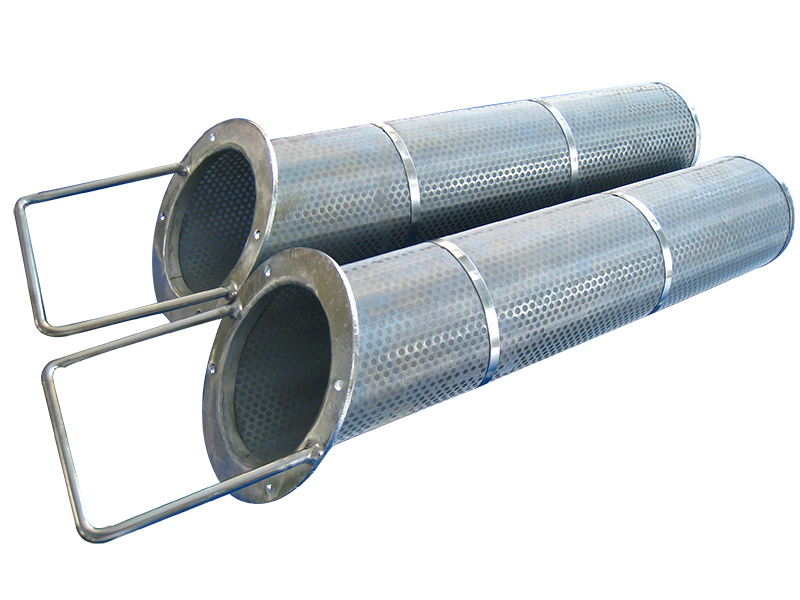
Effective filtration area excludes solid rims, handles, seams, supports and other masked zones.
Mesh-lined baskets
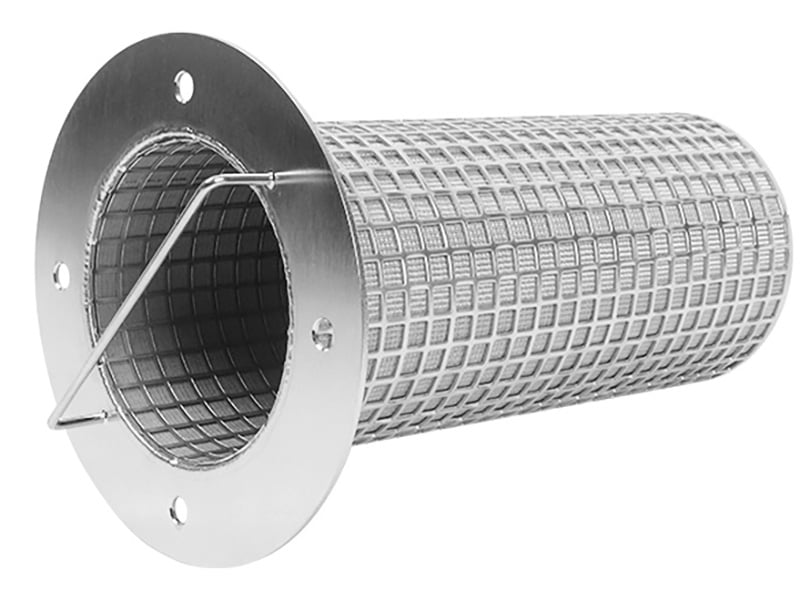
Flanges, support grids and joining zones can reduce usable flow area compared with gross basket area.
Flange and support masks
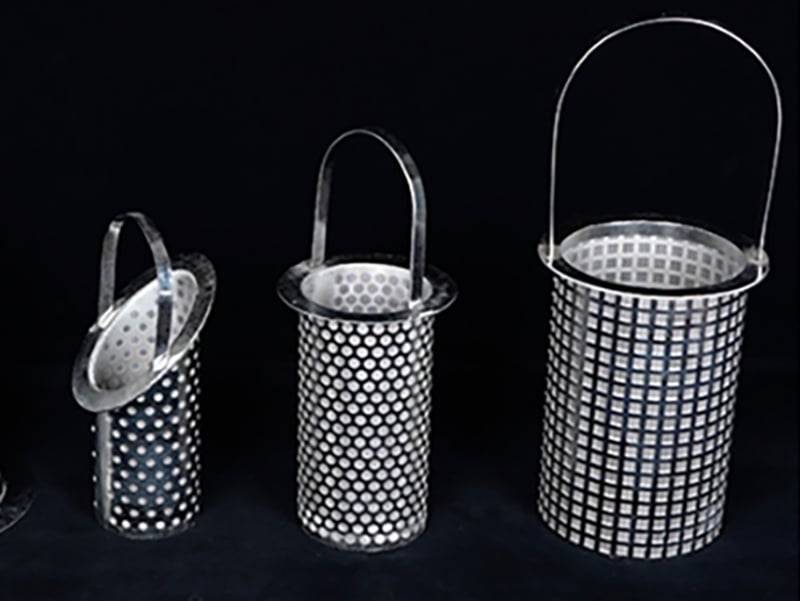
Theoretical media open area is calculated from the repeating hole or wire geometry before forming losses.
Perforated open-area pattern
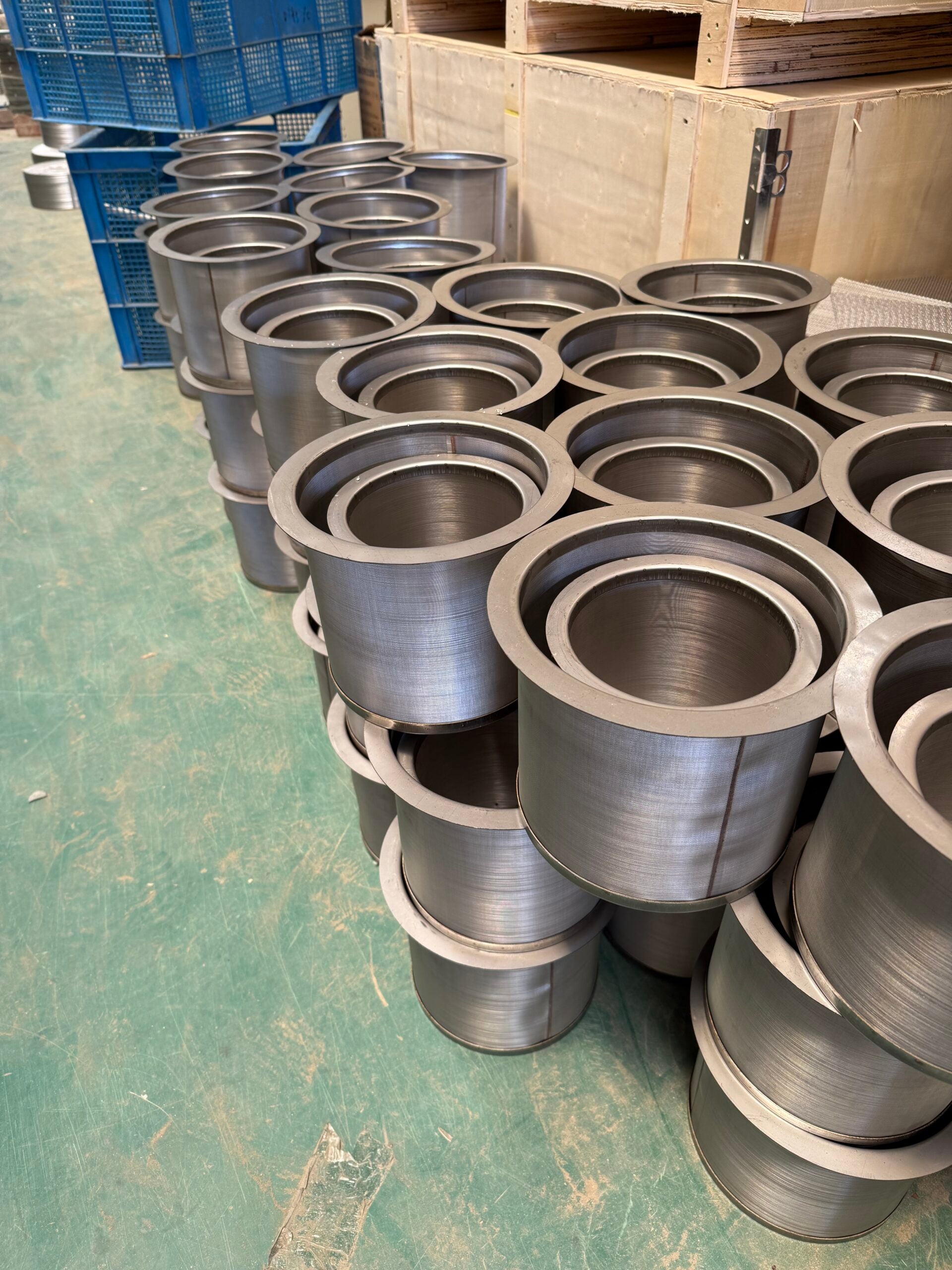
Finished basket geometry, rims and seams must be reflected in the effective-area calculation.
Finished basket rims and seams
Five-Step Basket Sizing Checklist
1. Name the reference
Identify actual pipe, nozzle or inlet ID.
2. Calculate gross active area
Sum only basket surfaces exposed and intended for flow.
3. Apply media open area
Use the correct perforation or mesh construction data.
4. Subtract masked zones
Account for rims, seams, supports, blanks and blocked surfaces.
5. Validate the duty
Add fluid, flow, pressure drop, loading, cleaning and acceptance criteria.
It is the basket’s estimated effective open flow area divided by a stated reference flow area, commonly the actual internal area of a pipe or equipment inlet. The reference diameter and calculation method must be identified.
No. Media open area is the theoretical percentage of holes or mesh openings in the repeating pattern. Effective basket open area also accounts for gross active geometry and areas masked by rims, seams, supports, blank margins and other solid features.
Only if fluid is intended and able to pass through that bottom under installed conditions. A solid bottom, blocked clearance or deposit collection zone should not be counted as active flow area.
There is no universal ratio. Required area depends on fluid, viscosity, flow, acceptable clean pressure drop, solids loading, service interval, media, support and the system designer’s criteria.
No. Pressure drop also depends on aperture or pore path, thickness, layers, velocity, viscosity, turbulence, contamination and the complete housing. Area ratio is a screening input, not a performance guarantee.
Provide the reference pipe or inlet ID, flow, fluid and viscosity or temperature, basket active geometry, media construction and open area, masked zones, solids loading, allowable pressure drop, differential-pressure limit, cleaning and drawing.
Need a Drawing-Based Basket Area Review?
Send the equipment interface, reference ID, basket geometry, media construction, masked areas, fluid, flow, pressure limits, solids loading and quantity.