A multi-layer wire mesh filter disc combines a designated fine filtration cloth with coarser support, drainage or protective screens. The complete layer sequence, flow direction, joining method, disc geometry and edge must be specified together for an OEM quotation.
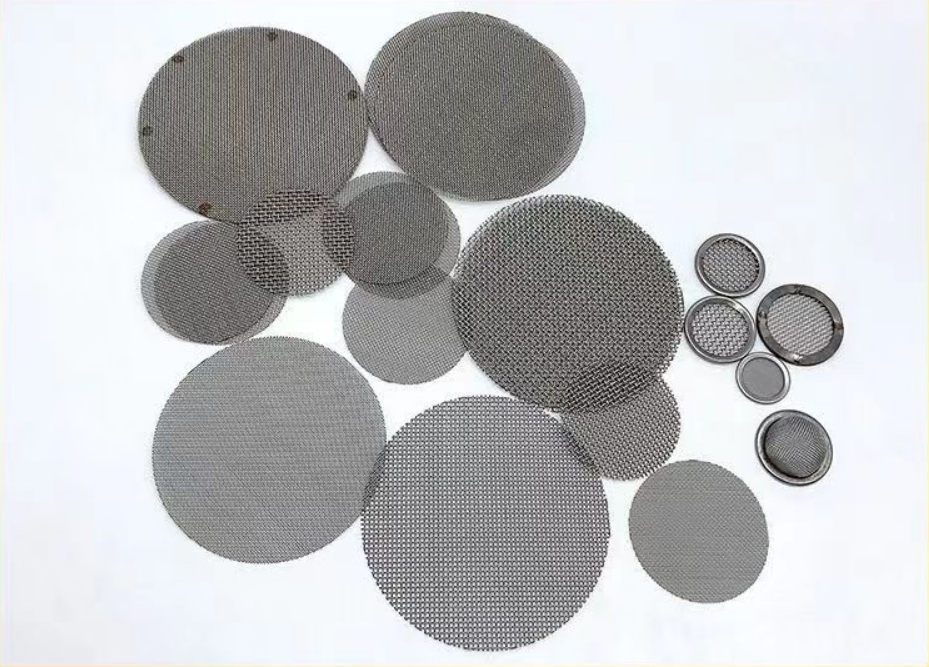
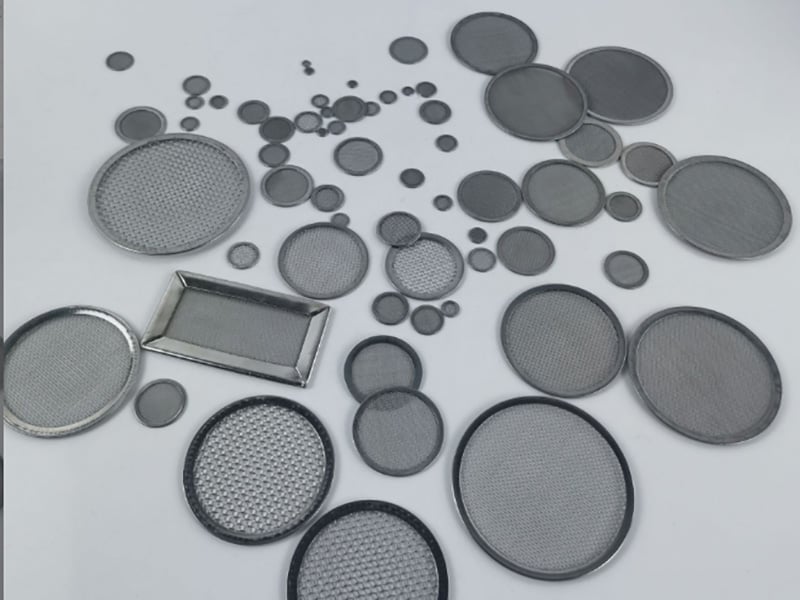
Real Maidong filter discs showing different diameters, media and support configurations.
Why Use More Than One Mesh Layer?
Filtration control
A designated fine layer provides the required retention basis.
Mechanical support
A coarser screen can reduce deformation of fine cloth.
Flow distribution
An intermediate layer can separate media and distribute flow.
Surface protection
A protective screen can reduce handling or reverse-flow damage.
Not every disc needs every function. Layer count and sequence should follow the operating duty instead of a generic “three-layer” or “five-layer” label.
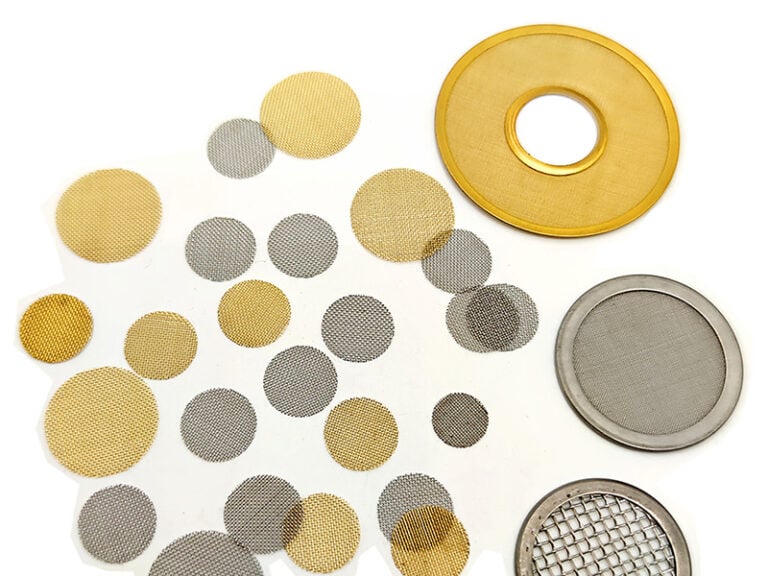
Describe the required disc outline. A multilayer order starts with the finished outline: full disc, annular disc or another drawing-defined shape. Give outer and inner dimensions separately and specify which areas remain exposed after installation. The visible colour or surface pattern is a useful reference for discussion, while the material grade and media schedule belong in the written specification.
Typical Layer Arrangement
A drawing should identify the normal flow direction and list each layer from upstream to downstream. One possible functional arrangement is protective mesh → filtration cloth → drainage/support mesh. This is an example, not a universal construction.
Fine layer: weave, mesh/aperture or validated rating basis.
Support layer: opening, wire and position relative to pressure.
Joining: stacked, edge-fixed, spot-joined or another agreed method.
Multi-Layer Filter Disc Specification Table
Specification field
What to provide
Procurement risk if omitted
Filtration layer
Weave, mesh/aperture or rating and test basis
Retention target remains unclear
Support layers
Mesh/opening, wire, quantity and position
Stiffness and flow path may differ
Layer sequence
Upstream-to-downstream order and flow arrow
Support may be placed on the wrong side
Joining method
Edge compression, frame, spot joining or specified assembly
Layers may shift or the disc may not fit
Geometry
OD, ID, shape, holes, thickness and tolerances
Seal and equipment interface may fail
Material and duty
Alloy, medium, temperature, pressure and cleaning
Compatibility cannot be reviewed
Support Mesh and Pressure Direction
Fine woven cloth can be vulnerable to deformation when differential pressure acts toward an unsupported side. State normal flow, reverse-flow or backwash conditions so the support position can be reviewed. Pressure capability cannot be inferred from mesh count alone.
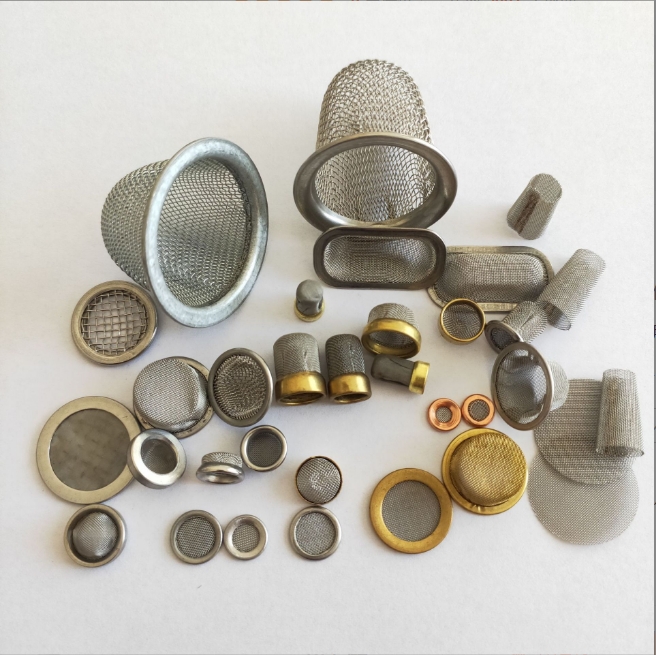
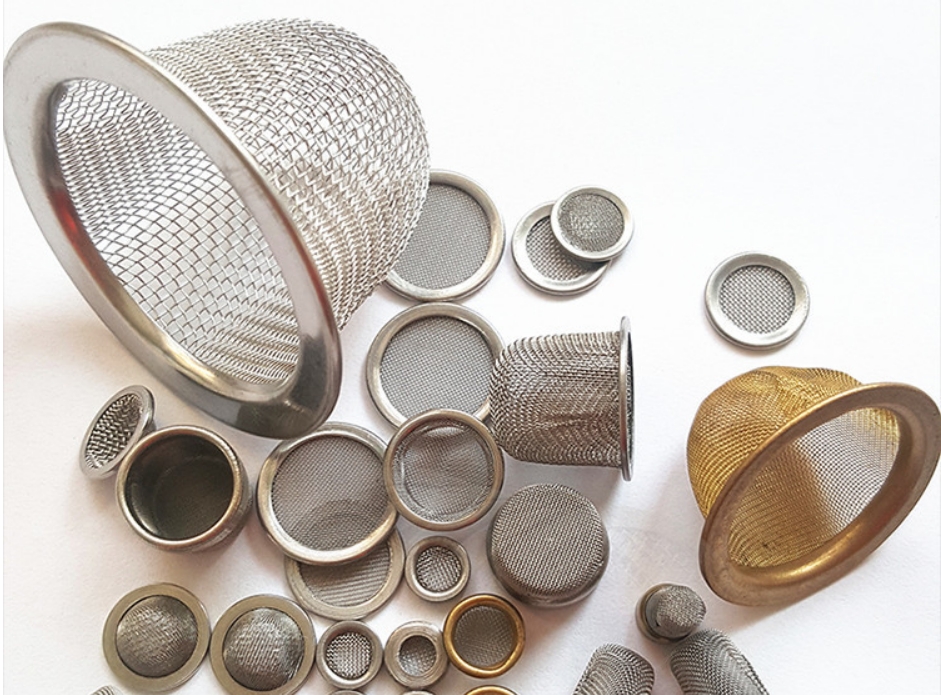
Fine media may be combined with coarse support and a formed or edged interface.
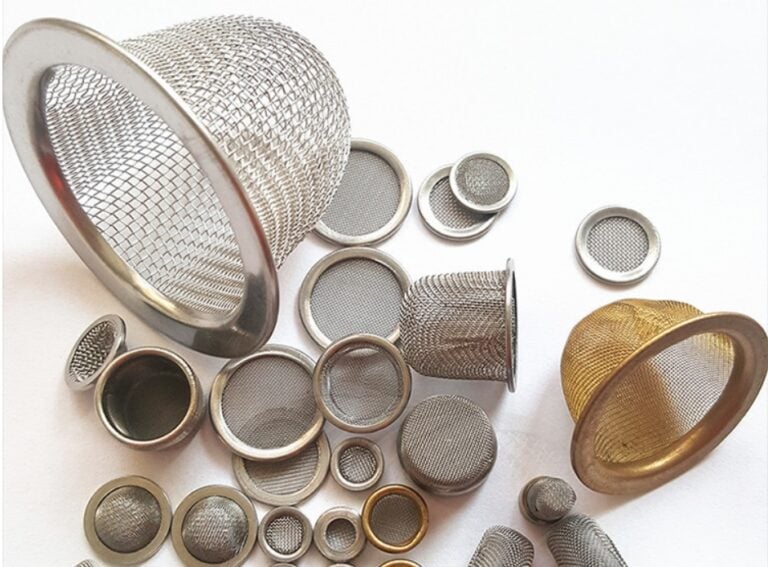
Keep formed components distinct from flat stacks. These formed screens show related fabricated geometries. A flat layered disc and a formed cup need different dimensional references. When the requirement includes a drawn profile, state the depth, rim and supported region on the drawing. Identify whether layers are loose, edge-retained or bonded; an outer rim alone does not define the joining throughout the media.
Edge, Seal and Joining Options
The edge can be left as a cut multilayer stack or retained by a metal rim, frame or another drawing-defined interface. Specify the sealing land, permissible projection, total thickness and any local joining requirement. An edge is not merely cosmetic—it can affect bypass control and fit.
Compare dedicated edged filter discs when a finished rim is the primary purchasing requirement.
Multi-Layer Disc vs Sintered Disc and Screen Pack
Disc construction
Layer relationship
Best used when
Single-layer mesh disc
One woven screen
The cloth can meet filtration and handling requirements alone
Multi-layer mesh disc
Separate fine and support screens assembled together
Different layers need distinct filtration and support functions
Sintered mesh disc
Mesh layers bonded throughout the porous structure
A rigid bonded laminate is required
Extruder screen pack
Multiple screens arranged for polymer processing
The application is an extrusion screen changer or pack
Real Maidong filter components can be produced in round, annular, rectangular or drawing-defined forms. The images illustrate possible geometry and layer/support concepts; they do not establish a universal rating or size range.
Real Maidong filter discs showing different diameters, media and support configurations.
Flat mesh discs
Disc geometry can be round, annular, rectangular or drawing-defined.
Custom shapes
Edge geometry and finished form should follow the equipment drawing.
Edged and formed parts
Applications and Selection Conditions
Liquid process filtration
Define contaminant, retention basis, viscosity, pressure and cleaning.
Gas and equipment protection
Review flow direction, support, sealing and permitted pressure drop.
OEM screen assemblies
Provide the housing interface, drawing revision and assembly method.
Application names alone do not prove suitability. Material compatibility and filtration performance must be confirmed from the actual process information.
RFQ Checklist for a Multi-Layer Mesh Disc
1. Filtration target
State particle retention and rating/test basis.
2. Each mesh layer
List weave, opening/mesh, wire and material.
3. Flow and pressure
Show normal/reverse direction and differential pressure.
4. Finished geometry
Add OD/ID, shape, thickness, edge and tolerances.
5. Commercial data
Provide quantity, drawing revision and inspection needs.
It is a flat screen assembled from two or more wire mesh layers. One layer can control filtration while coarser layers provide support, drainage or protection.
Not necessarily. A multi-layer disc may use stacked or locally joined screens, while sintered mesh uses layers bonded throughout the porous structure. State the required joining method on the drawing.
The designated filtration layer normally controls retention, but the rating must be tied to its weave, wire data and test basis. A support layer should not be treated as the fine filtration rating.
Yes. A drawing may define a compressed rim, metal edge, frame, spot joining or another interface. Edge design affects sealing, bypass control and installation.
A multi-layer wire mesh filter disc is purchased as a defined arrangement of media and support layers. State what each layer does, its order in the flow path and how the layers are retained. A layer count alone does not define the filtration requirement or the installed disc interface.
Use a layer schedule rather than a layer count
Name media and support separately
For each layer, give material, weave and the relevant mesh count with wire diameter or agreed medium designation. Identify the fine separation layer, any coarse backing and the required sequence. If the stack is intentionally asymmetric, mark the inlet and outlet faces on the drawing and packing reference.
Bonding and edge retention are different choices
Specify loose stacking, local joining, rim retention or a genuinely sintered construction only when that is the ordered scope. Layers held together at selected points should not be described as a diffusion-bonded laminate. The chosen construction must also fit the housing and handling method.
Review the installed filtration area
Control the rim and clamping region
State finished outside diameter, any centre opening, total stack thickness and the dimensions of a retained perimeter. Identify the area blocked by a rim, gasket or seat. The active media area and the outside disc area are not necessarily the same.
Agree the acceptance questions
Dimensional checks establish fit; a material record addresses alloy evidence; a retention or integrity test addresses its defined performance question. If a functional test is required, specify its method, conditions and criterion. Adding layers does not by itself guarantee greater retention, longer service life or acceptable pressure drop.
Send the current drawing or complete specification, quantity, application and delivery destination through our contact page. Identify any required inspection or material records before quotation; availability and acceptance requirements are confirmed for the actual order.