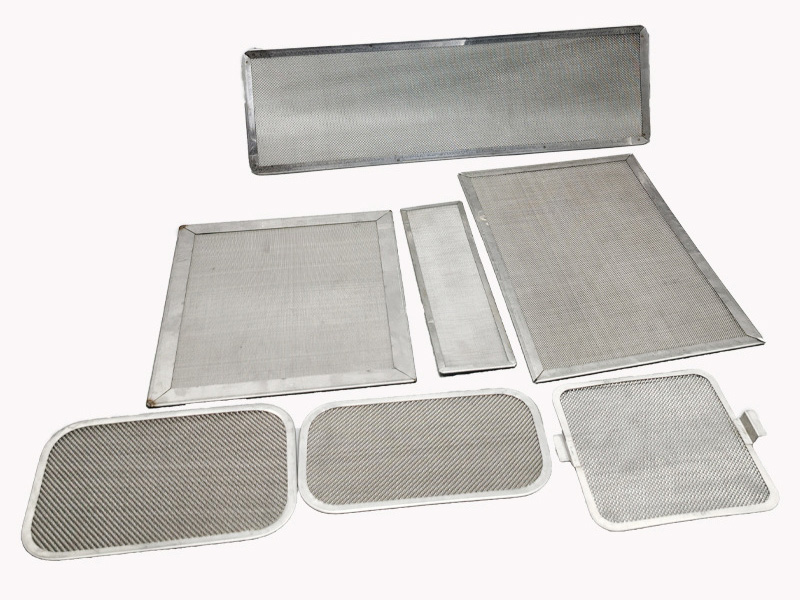
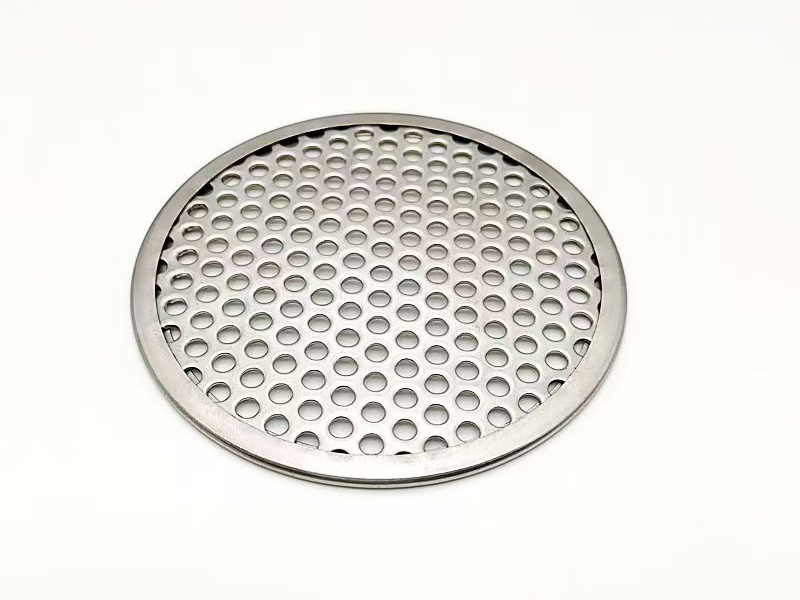
Selecting a wire mesh filter disc requires more than choosing a diameter and mesh count. Start with the retention requirement and process conditions, then define the mesh geometry, material, layers, support, edge and equipment-fitting dimensions.
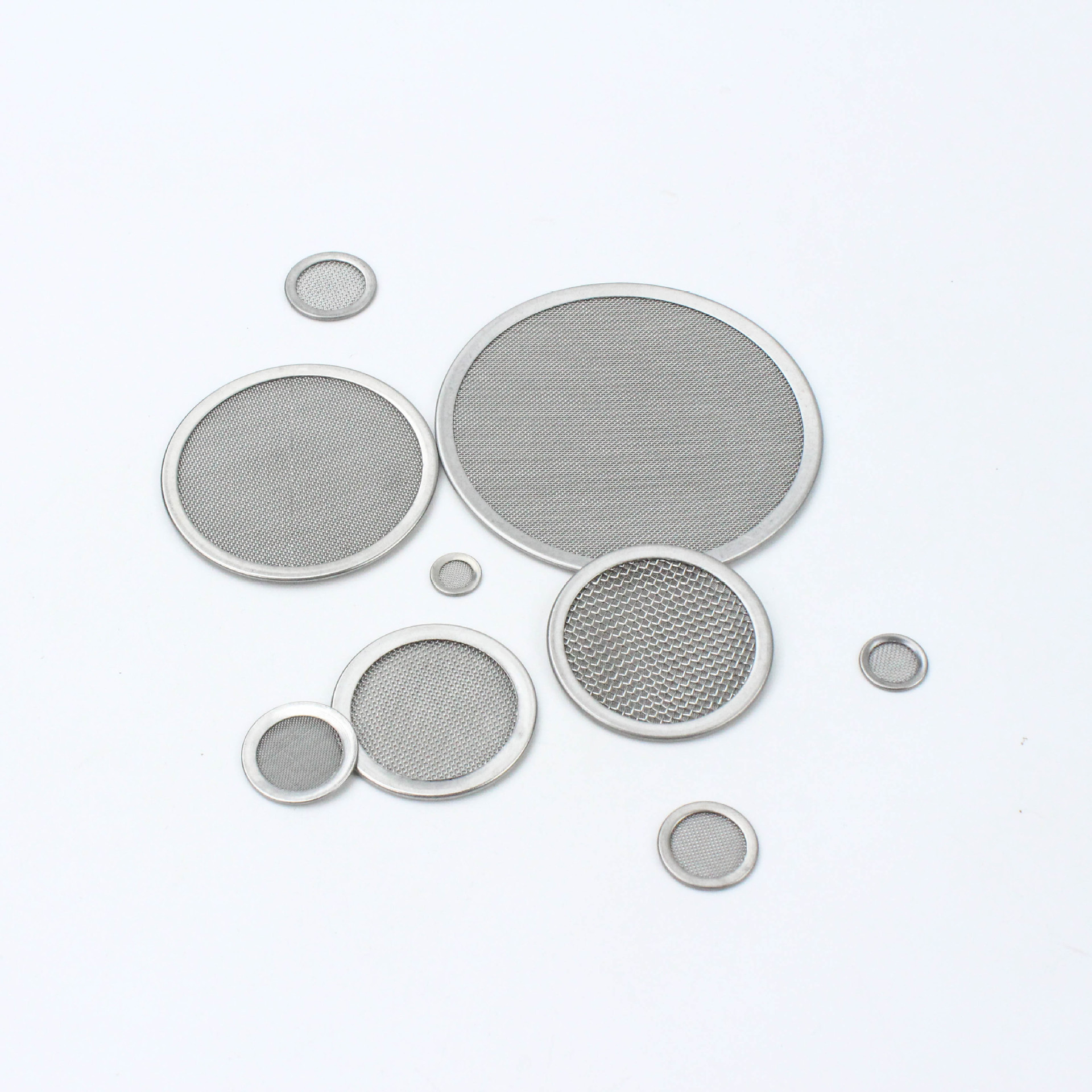
Rimmed filter discs showing different diameters and mesh constructions.
The Seven Selection Decisions
1. Retention basis
Geometric aperture, nominal rating, absolute rating or a named test method.
2. Process conditions
Medium, viscosity, temperature, differential pressure and cleaning method.
3. Mesh construction
Weave, mesh count, wire diameter, aperture and open area.
4. Finished structure
Layers, support, edge, dimensions, tolerance and flow direction.
Filter Disc Selection Table
Use this table before requesting a quotation. A complete specification reduces the risk of receiving discs that share a name but differ in opening, support or fitting dimensions.
Decision field
Minimum information
Common risk if omitted
Filtration target
Particle range and rating definition
Different products compared under the same micron label
Mesh geometry
Mesh count plus wire diameter or clear aperture and weave
Opening and open area remain undefined
Disc construction
Layer sequence, support, joining and flow direction
Assembly order and mechanical behavior are ambiguous
Fit and edge
OD/ID, shape, tolerances, plain cut or rimmed edge
Poor fit or reduced active area
Operating context
Medium, temperature, pressure, cleaning and quantity
Material and support choices lack context
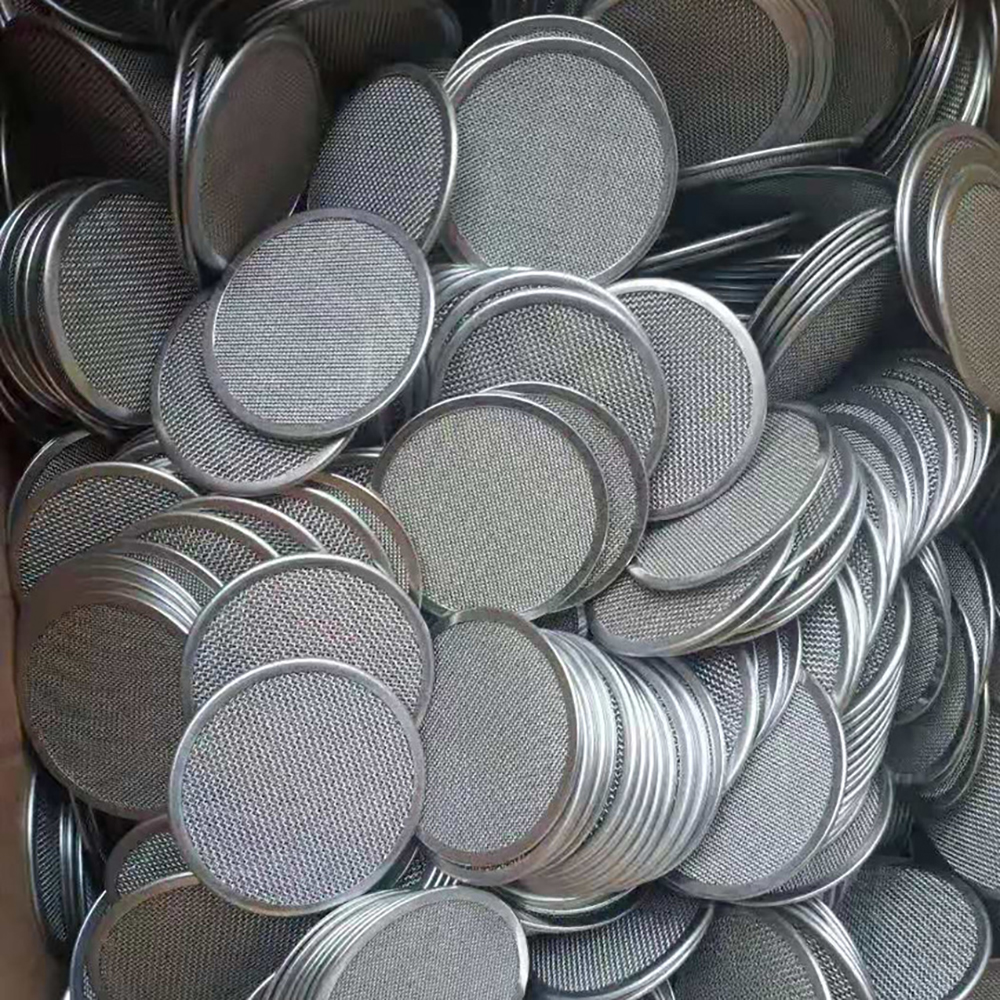
Round rimmed filter discs with different fine and support mesh combinations.
Step 1: Define Filtration Media
For square woven mesh, specify mesh count together with wire diameter or clear aperture. The mesh-to-micron calculator can check aperture geometry when those values are known.
Stainless steel wire mesh covers common square-opening constructions. Dutch weave mesh has a dense, indirect pore path and should not be selected using a simple square-mesh conversion.
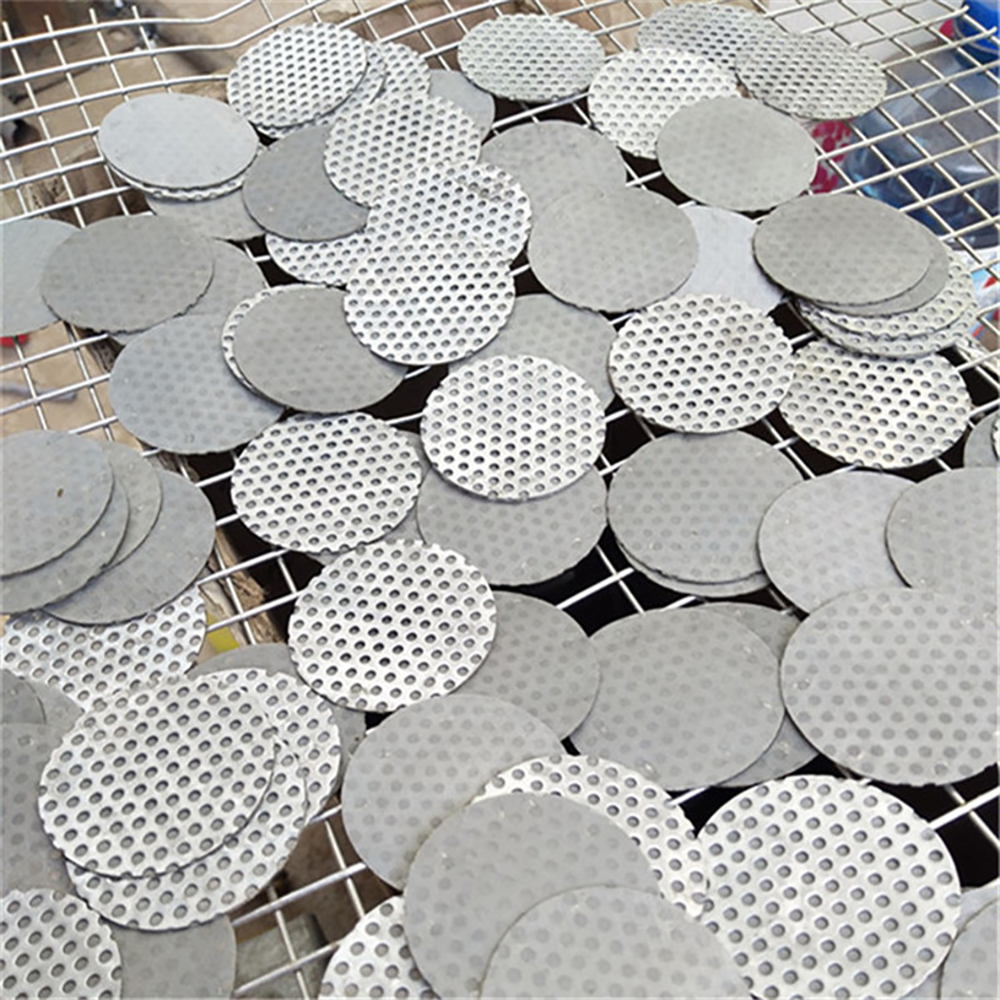
Perforated support discs can add rigidity but are not equivalent to fine woven filtration media.
Fine layer, support layer and backing
A single mesh layer may be sufficient for light-duty screening. Fine mesh can be paired with coarser woven support or perforated backing when the assembly needs greater handling stability.
List every layer in order and identify flow direction. A perforated disc supports the filter medium but does not automatically provide the same retention as the fine woven layer.
Simple cut mesh with exposed edges; useful where the housing captures the perimeter.
Rimmed multilayer disc
Edge frame improves handling and keeps layers aligned but reduces active area.
Sintered mesh disc
Diffusion-bonded laminate provides an integrated rigid porous structure for suitable duties.
See the commercial stainless steel filter disc page for available finished forms. This guide supports the selection process and does not replace a drawing review.
Filter Disc Gasket, Seating and Compression Path
A correct mesh opening cannot prevent fluid from travelling around the disc. Trace one continuous sealing path from the active media to the edge or rim, gasket, housing seat and clamping feature. The equipment drawing—not the disc diameter alone—must control this interface.
Sealing face
Mark the exact annular face, recess or shoulder that blocks flow around the disc.
Gasket definition
State gasket material, section, dimensions and service conditions; do not assume a generic gasket.
Compression control
Define compressed stack height, clamp travel, stop, torque basis or other equipment-controlled limit.
Bypass inspection
Check witness marks, flatness, trapped debris, rim continuity and the media-to-edge joint.
Define the process medium, target retention, material, weave, mesh count with wire diameter or aperture, disc dimensions, layers, support, edge construction, flow direction and operating conditions.
No. For square woven mesh, aperture depends on mesh count and wire diameter. Dutch weave and multilayer discs have different pore structures and require construction-specific rating information.
A support layer may be considered when fine mesh needs help resisting handling or differential-pressure loads. Support type, position and flow direction should be defined rather than assumed.
A plain-cut disc has exposed cut wire edges. A rimmed or framed disc controls the perimeter for handling and installation, but the rim also reduces the active filtration area.
State which definition and test method applies. Nominal, absolute and geometric aperture values are not interchangeable, so a micron number without its basis can create quotation risk.
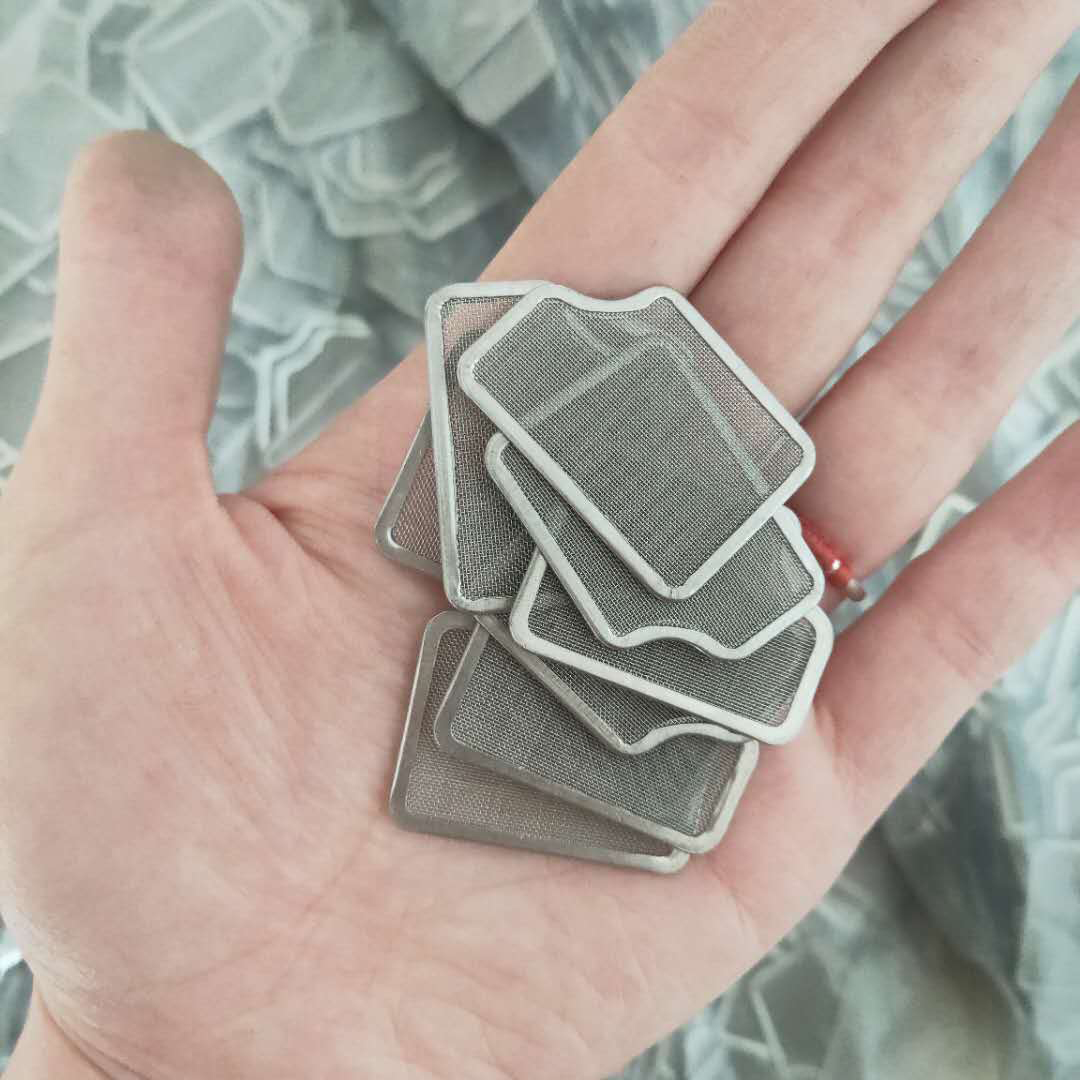
Yes. Round, annular, oval, rectangular and profile-cut shapes can be reviewed. Provide a drawing with tolerances, orientation and critical fit dimensions.
The housing drawing should define the sealing face, gasket material and section, compressed stack height, stop or clamp travel, flatness and allowable bypass path. Do not apply an assumed universal compression percentage; follow the gasket supplier and equipment design requirements.
Need a Drawing-Based Filter Disc Review?
Send the process conditions, retention basis, mesh construction, dimensions, layers, support, edge, tolerances, flow direction and quantity for review.