A wire mesh filter cylinder is a formed cylindrical screen whose primary filtration layer is woven wire cloth. Specify the weave, mesh count and wire diameter or aperture, alloy, OD/ID, length, seam, edges, support and flow direction as one complete component.
This page is for cylindrical screens in which woven mesh provides the retention opening. It includes unsupported mesh sleeves and woven mesh backed by a structural layer. Browse the mesh cylinder product family for the navigation overview. For a broader complete OEM assembly, see the custom mesh filter cylinder page. If perforated sheet is the primary body, use the perforated filter cylinder specification instead.
Square woven mesh
Defined by mesh count plus wire diameter, or by a required clear aperture.
Dutch weave media
Specified by exact warp × weft construction and construction-specific rating data.
Unsupported sleeve
Used only where the selected wire geometry and operating load are suitable.
Supported cylinder
Fine woven media backed by coarse mesh or perforated metal where required.
Wire Mesh Filter Cylinder Specification Table
A quotation-ready RFQ connects the filtration opening to the finished cylinder geometry and service conditions.
Specification field
What to state
Procurement check
Mesh medium
Weave, mesh count + wire diameter or aperture
Do not purchase from mesh count alone
Material
Alloy/grade required by the process
Confirm chemical and temperature compatibility
Cylinder size
OD or ID basis, length, tolerances, roundness
Define the mating and inspection dimensions
Longitudinal seam
Overlap, butt, folded or drawing-defined joint
Review strength and bypass risk
Edges / ends
Raw, folded, ringed, capped, flanged or open
Match installation and sealing interface
Service duty
Flow direction, differential pressure, medium and cleaning
Determines whether support is needed
A formed cylindrical wire cloth component with drawing-defined dimensions.
Mesh Count, Wire Diameter and Aperture
For square weave, the nominal aperture is determined by both mesh count and wire diameter. Two meshes with the same count can have different openings and open area. Use the mesh-to-micron calculator as a reference, then confirm the actual wire diameter and tolerance.
For filtration media selection, review stainless steel mesh for filtration. Dutch weave data should not be replaced by a square-opening conversion.
Seam, Edge and End Configurations
Longitudinal seam
Define overlap, butt, folded or welded construction and the permitted seam profile.
Open edges
State whether cut edges are acceptable or require folding, binding or a ring.
Closed or capped end
Show cap geometry, joining area and inspection dimensions on the drawing.
Flange or collar
Provide the mating face, hole pattern, sealing surface and tolerances.
Mesh surface, seam and edge details must be specified together.
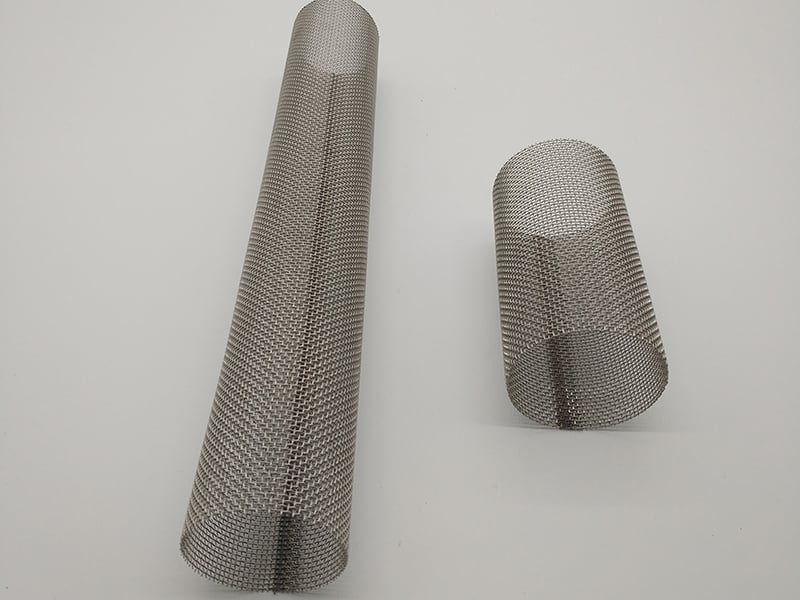
A real cylindrical screen configuration for reference.
Support and Flow Direction
Fine wire cloth can require support when exposed to differential pressure, reverse flow, cleaning or handling. The support must be placed on the correct side of the filtration layer. Include flow direction and the higher-pressure side in the drawing.
Support layers and end interfaces are selected from the operating duty.
Real Product Configuration Examples
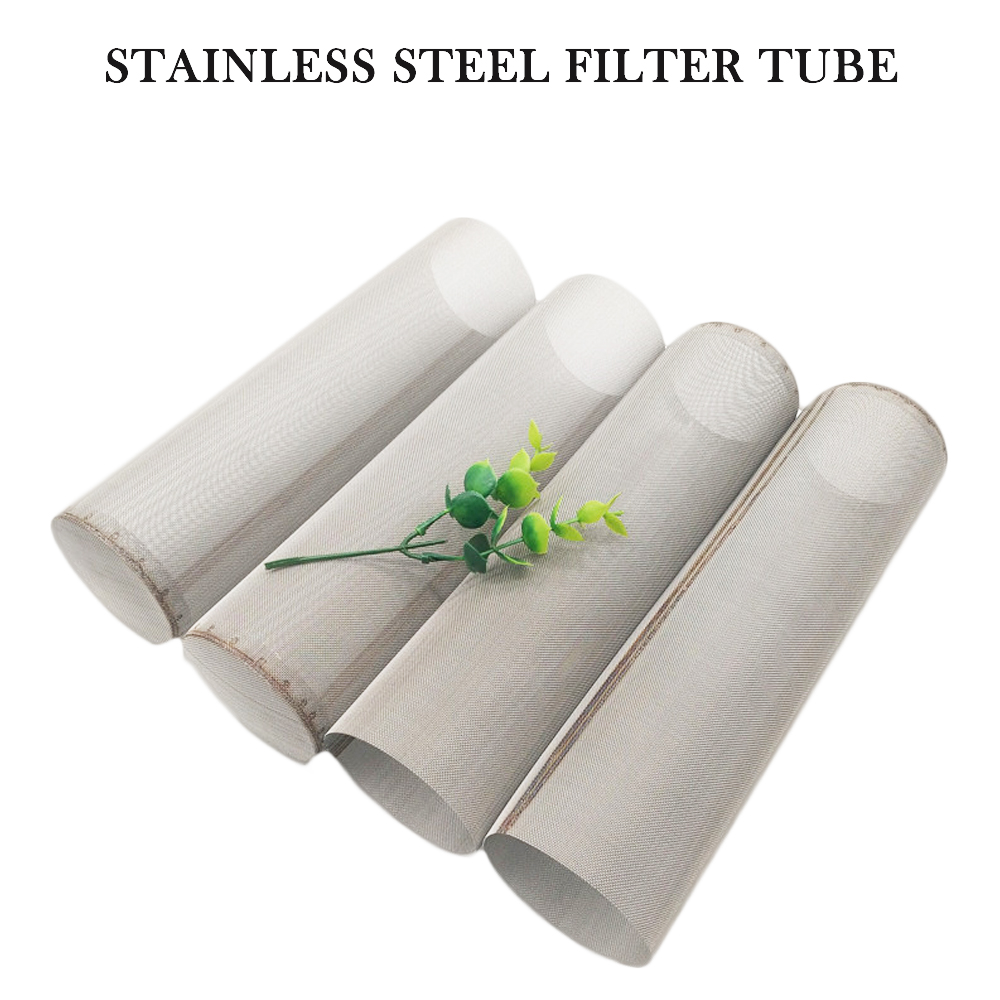
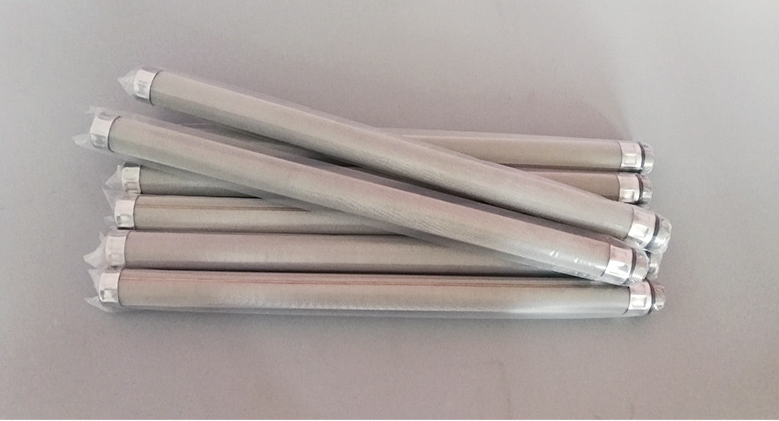
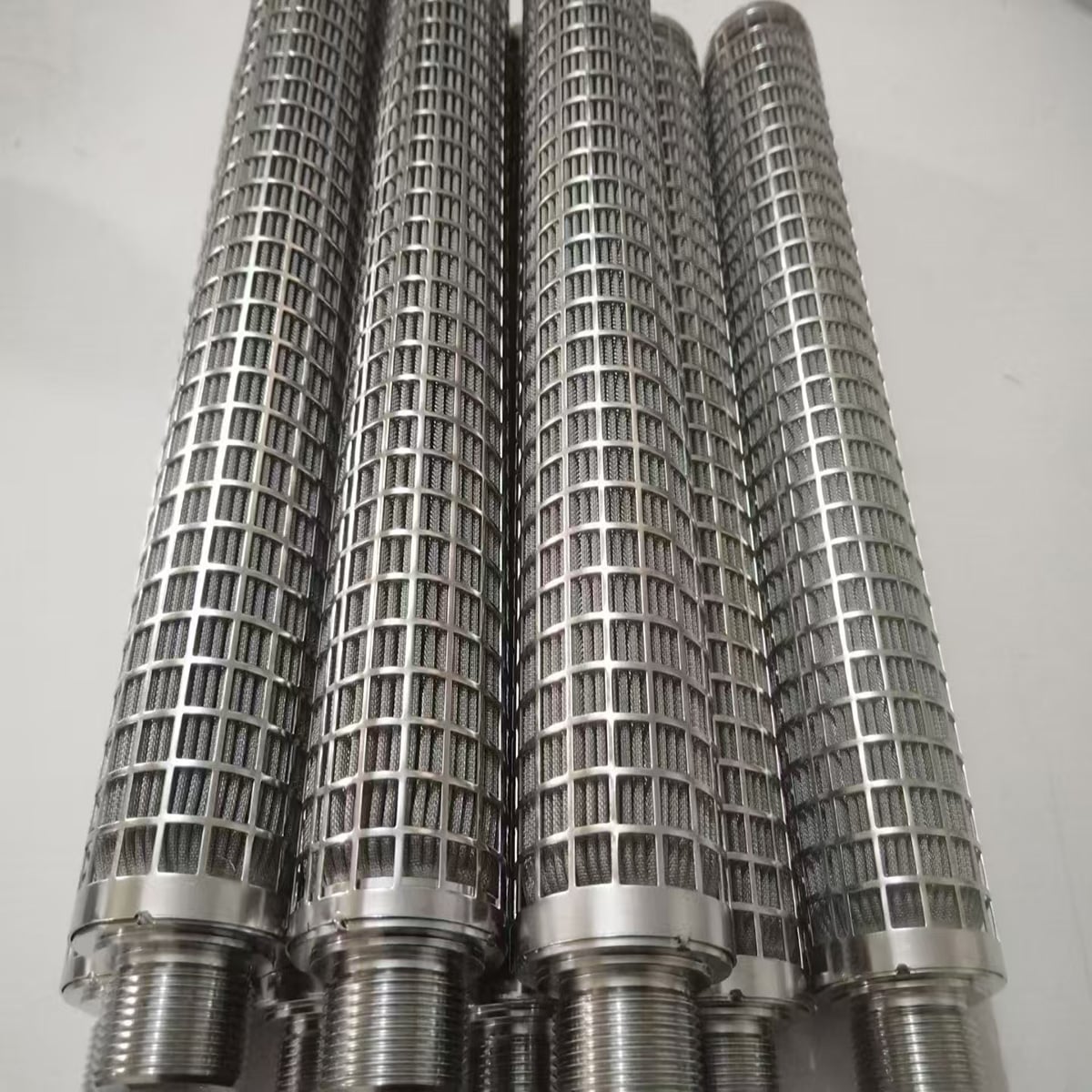
Real Maidong woven wire mesh cylinder examples.
Woven mesh cylinders
A real cylindrical screen configuration for reference.
Cylindrical screen form
Support layers and end interfaces are selected from the operating duty.
Supported assembly
These are real Maidong product images showing different cylindrical mesh constructions. They are configuration references; each order must follow the approved drawing and agreed specification.
Typical Procurement Uses
Cylindrical screen sleeve
A formed screen installed over or inside a compatible support or housing.
Process straining element
A removable cylindrical medium selected for the stated liquid or gas duty.
Equipment protection screen
A mesh barrier used where geometry, aperture and flow conditions are suitable.
OEM filtration component
A drawing-based wire cloth cylinder integrated into another filter assembly.
How to Specify a Custom Woven Mesh Cylinder
1. Define retention
State aperture or the complete weave construction.
2. Select material
Match alloy to the process medium and temperature.
3. Dimension the cylinder
Give OD/ID basis, length, tolerance and roundness.
4. Detail construction
Show seam, edges, ends, support and layer order.
5. Add operating data
Include flow direction, pressure duty, cleaning and quantity.
It is a cylindrical screen whose filtration layer is woven wire cloth. It may be self-supporting or backed by coarse mesh or perforated metal, but the mesh specification remains the primary retention medium.
For square weave, state mesh count and wire diameter or the required aperture. Also provide alloy, weave, cylinder OD or ID, length, seam, edge condition, flow direction and quantity.
No. Mesh count is the number of openings per linear inch; aperture also depends on wire diameter. A nominal aperture is not automatically an absolute filtration rating.
Support should be reviewed when fine mesh may deform during pressure differential, reverse flow, cleaning, installation or handling. State the high-pressure side and the allowable support construction.
Yes, subject to the selected weave and forming requirements. Dutch weave should be specified by its exact construction and supplier rating data rather than by a square-mesh conversion.
Provide OD or ID, length, tolerances, mesh construction, alloy, seam, edge or end treatment, support, flow direction, operating conditions and order quantity.
Request a Woven Wire Mesh Cylinder Quote
Send the mesh construction, alloy, OD/ID, length, seam, edges, support, flow direction, operating conditions, drawing and quantity.