Woven Mesh Filter Panels with Perforated Backing
Send Maidong your woven mesh and perforated backing panel drawing for quotation review. Define the filtering cloth, support plate and retention arrangement together with the mounting interface.
A useful enquiry shows what each layer must do and which components must be supplied as an assembly.
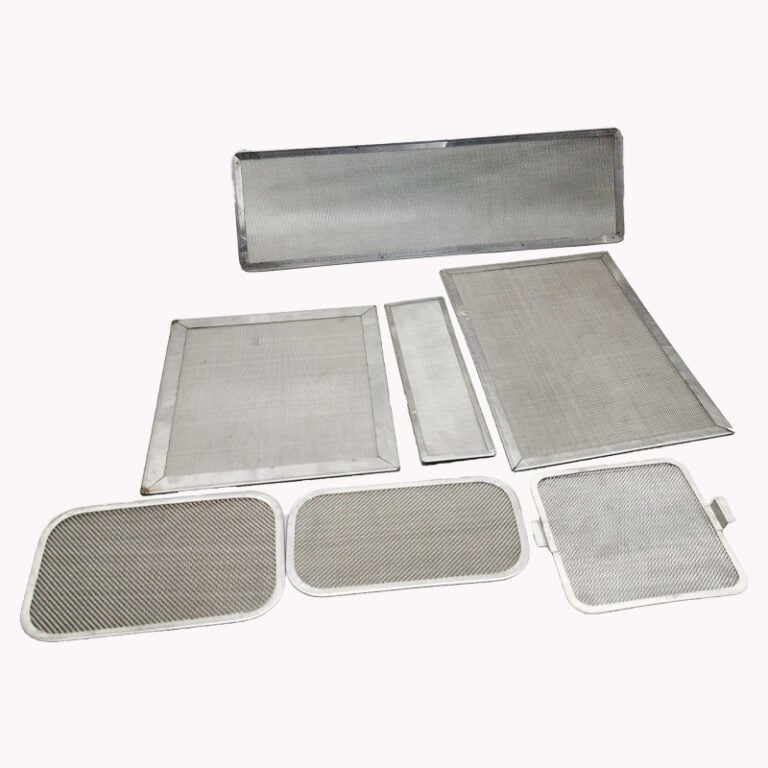
Specify Three Parts of the Panel
Filtering mesh
Material, weave, wire construction, opening or defined retention requirement.
Perforated backing
Plate material, thickness, hole shape and dimensions, pitch and unperforated margins.
Attachment and mounting
How the layers are retained and how the finished panel fits the equipment.
For a framed mesh screen without a specified backing plate, see custom rectangular mesh screens. This enquiry adds a defined plate and layer interface.
Choose the Support Pattern with the Mesh
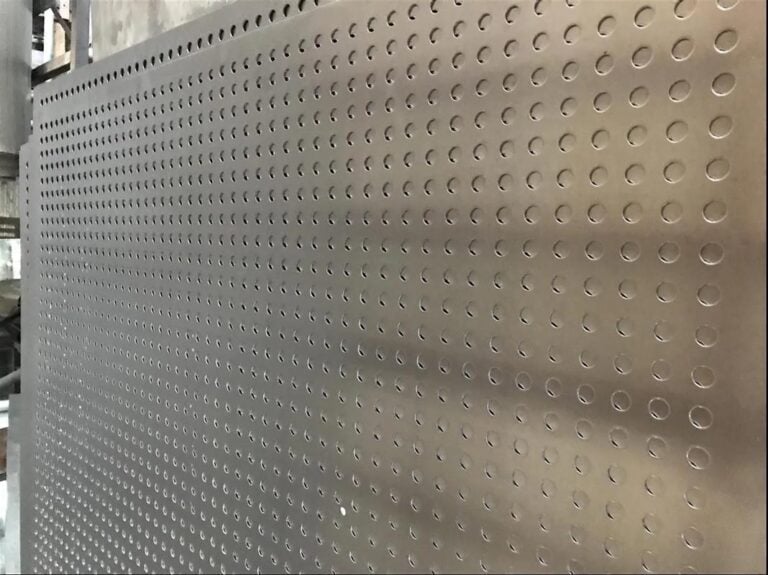
Give the hole dimensions, pitch, layout and solid border areas. Identify the surface that contacts the mesh and any edge or burr requirements at that interface. A generic perforated-sheet description does not define the required support.
State the normal flow direction and any reverse-flow or cleaning load. Show the mesh and backing in the intended order on the assembly drawing. The backing location and unsupported spans need review against the operating conditions.
Use hole size, pitch and ligament guidance to prepare the plate specification. No pressure rating is inferred from the presence of a backing sheet.
Panel Drawing and Quotation Checklist
| Filtering cloth | Grade, weave, directional counts, wire diameters and opening/rating requirements. |
|---|---|
| Backing plate | Material, thickness, hole pattern, pitch and non-perforated zones. |
| Panel envelope | Length, width, corners, thickness envelope and tolerances. |
| Clear area | Exposed filter area, borders, mounting zones and any masked regions. |
| Layer retention | Removable or permanent arrangement, attachment positions and requested process. |
| Equipment interface | Mounting holes, locating features, clamp areas and support span. |
| Service | Medium, temperature, flow direction, loads and cleaning conditions. |
| Acceptance and delivery | Drawing revision, quantity, inspection, documentation and protection for transport. |
Keep cloth dimensions, backing dimensions and the complete assembly envelope separate where they differ. Identify the drawing revision and label each component so the quotation does not silently omit a layer or retainer.
Define Layer Attachment and Replacement Access
State whether the mesh must be removable, mechanically retained or permanently attached. Show attachment zones and restrictions on the active filtering surface. Confirm the proposed process against the actual materials and cloth construction.
If replacement of the cloth is intended, show the removal path and any reusable retainers. Do not assume that an attached layer can be replaced independently without affecting the plate or frame.
For a bonded laminate requirement, identify that construction explicitly. A panel consisting of mesh against a plate should not be described as sintered without confirmation.
Review the Available Flow Area
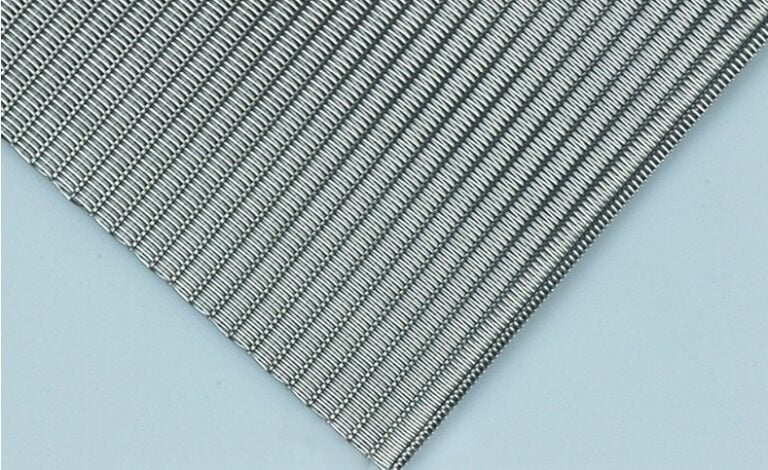
The clear panel opening differs from the complete outside dimensions. Borders, clamps, attachments and support material can mask parts of the mesh. Mark these areas on the drawing and identify how the assembly will be evaluated.
Do not treat the mesh open area and the backing open area as independent guarantees of assembly flow. Pressure loss and retention require consideration of the actual layers, alignment, medium and operating conditions. Specify the required evaluation rather than promising a result from a photograph.
Agree the flatness measurement condition and the installation support arrangement where these affect fit. Protect exposed cloth and panel edges during handling; define packing and identification for multiple panel sizes.
English Enquiry Template
Please review woven mesh filter panels with perforated backing to drawing [number/revision].
Mesh construction and filtration requirement: [details]. Backing material, thickness, hole dimensions and pitch: [details].
Panel dimensions, clear area and mounting: [drawing]. Layer order, attachment and replacement requirements: [details].
Operating conditions, quantities, inspection and packing: [requirements]. Please confirm the included components and identify any proposed exceptions.
Supported Mesh Panel FAQ
It combines a separately specified woven filtering layer with a perforated support plate in a panel arrangement. The mesh, plate and attachment requirements must each be defined.
No. A supported assembly is not necessarily sintered. Specify the layer attachment or bonding requirement and confirm the proposed construction.
Specify the woven layer and its rating or opening separately from the support perforations. The complete assembly still requires review for the intended filtration and flow conditions.
Only if the design provides for it. A removable mesh layer and a permanently attached layer have different retention and access requirements.
No rating is implied. Provide loading, flow direction, support span and installation details for engineering review and any agreed evaluation.
Provide the mesh construction, plate material and hole pattern, panel dimensions, layer attachment, mounting details, quantities and operating conditions.
Request a Supported Panel Quotation
Send the layer specifications, assembly drawing and quantity. Material availability, processing scope, price and delivery are confirmed after review.