Specify replacement screens and screen packs for the melt-filtration stage of your blown film line. Maidong reviews the mesh construction, profile, layer order and edge details around your equipment and film requirements.
For LDPE, LLDPE, HDPE and blend enquiries, start with the actual formulation and your current working screen specification. Final supply is confirmed against the quotation and approved dimensions.
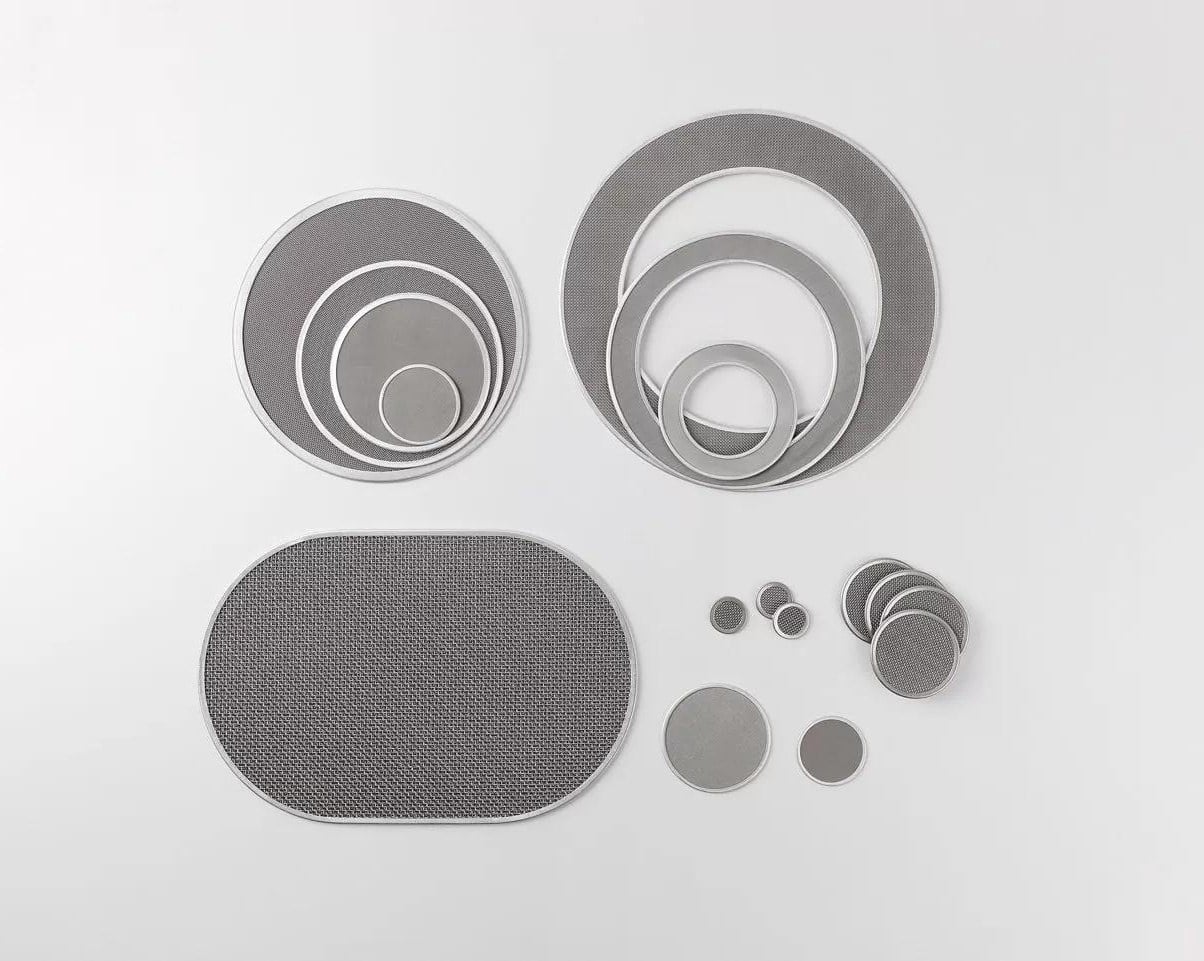
A blown film extruder screen pack is a replaceable mesh assembly in the polymer melt path before the film-forming die, in the position defined by the equipment. It retains suitable contamination while the melt passes through the filtering area.
The buyer needs more than a mesh number: the fine layer, support, available screen area and cavity fit must work together. This page covers mesh consumables for compatible film-extrusion equipment. See the complete extruder screen product range for other shapes and applications.
Include the actual resin blend, additives and required film appearance. A resin family does not establish the final filtration opening.
Provide the current screen drawing and operating context. Do not transfer a mesh choice from a different resin solely because the diameter matches.
State the recycled feed source, blend proportion where known, and contamination concerns. Review whether filtration matches the intended film requirements.
Identify each extruder and melt stream. Different resins, outputs and changer cavities may call for separate screen specifications.
Film layers are not screen layers. A three-layer film line does not automatically use three-layer screen packs. Number film streams and mesh layers separately in your enquiry.
Individual mesh screens or a defined loose set for customer assembly. Identify the required number of pieces at each mesh specification.
Mesh layers secured at agreed weld positions to aid handling. Define the layer schedule and which areas must remain free of welds.
Layers retained in a metal rim. Specify the rim material, width and total thickness separately from the mesh.
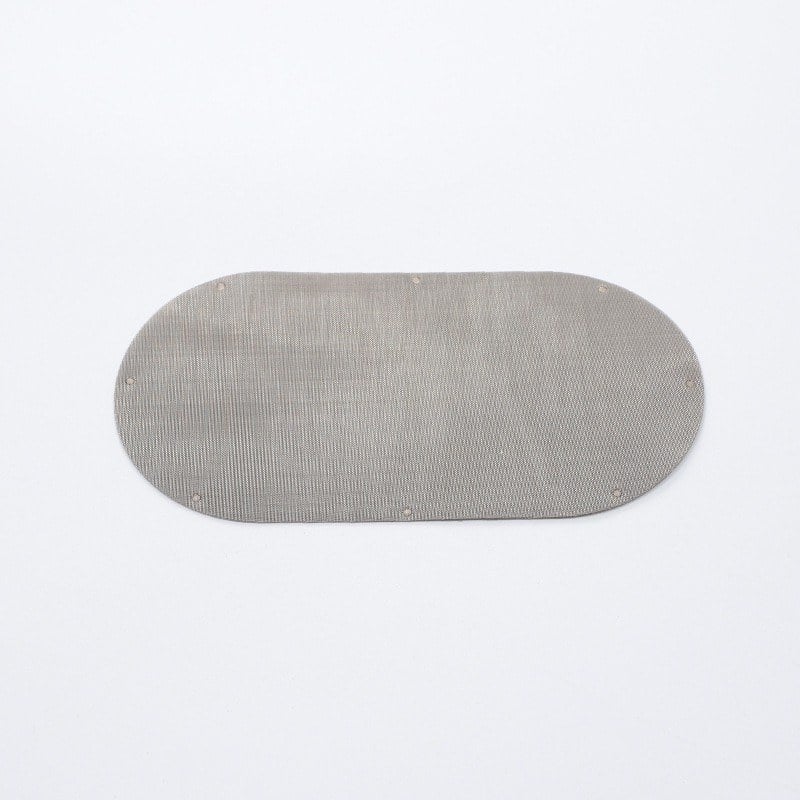
Oval mesh screen with visible weld points. The image is a construction example, not a verified pack for a named film machine.
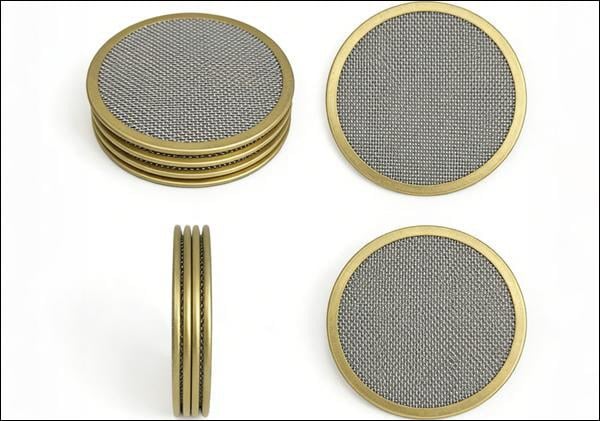
Rimmed circular screen examples. Confirm alloy, layers and dimensions in the order specification.
Reference / custom available: SS304, SS316 and SS316L mesh options can be reviewed with the process and customer specification. Frame material must be stated separately. Material grade alone does not establish pressure, temperature or regulatory suitability.
Mesh counts such as 40, 60, 80, 100, 120, 150 and 200 can be used as enquiry references, but they are not film-grade recommendations or a stock guarantee. For square weave, pair each count with wire diameter. For Dutch or twilled Dutch weave, supply the complete warp/weft construction and required filtration data.
| Specification | Information to send | Why it matters for the enquiry |
|---|---|---|
| Filter mesh | Mesh, wire diameter, weave and required opening/rating | Avoids treating mesh count as a fixed micron value |
| Layer order | Every layer, repeated layers and stated flow direction | Defines the complete assembly and support |
| Geometry | OD/ID or shaped drawing, thickness and tolerance | Allows review of screen-changer fit |
| Edge | Plain cut, spot welds or rim; rim and weld details | Controls handling, thickness and active opening |
| Melt stream | Resin/blend, additives, recycled content, extruder identifier | Keeps different film streams and formulations separate |
| Film requirements | Film type and gauge, appearance or contamination criteria | Explains the process objective without guessing the mesh |
| Operating context | Throughput, melt temperature, pressure trend and limits if known | Supports review of filtration versus flow resistance |
| Supply | Quantity per configuration, packing and delivery country | Supports a complete commercial quote |
For example sequences and how to describe them, read the screen pack mesh combinations and layer order guide. Reference combinations require process and equipment confirmation; they are not universal installation recipes.
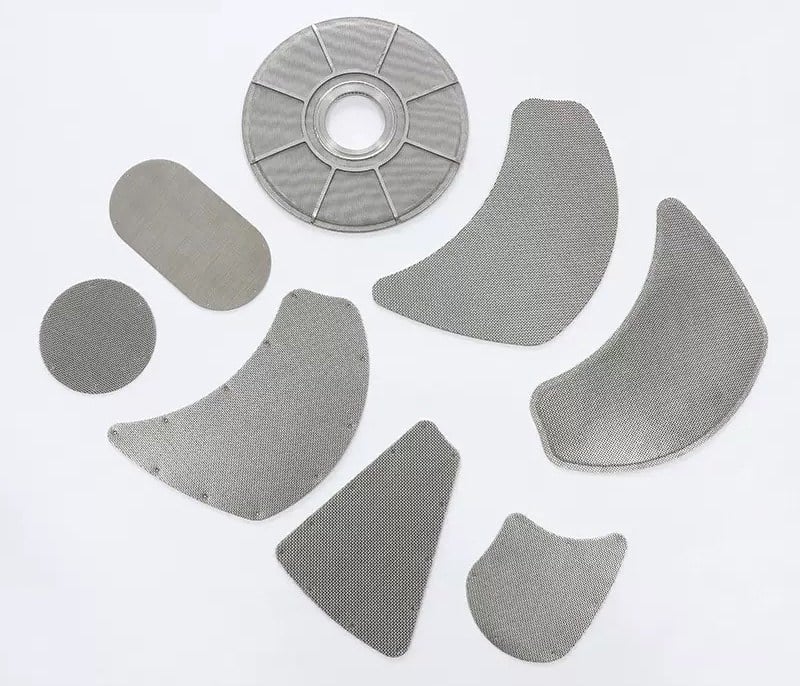
Use the screen-changer drawing or measured current component to define the screen. Round, oval, kidney, annular and other profiles can be submitted for review, but no shape is assumed to fit every blown film machine.
Some equipment uses cylinders, continuous belts or other formats. A flat mesh disc pack is not interchangeable with those components merely because the mesh count matches.
Describe black specks, visible particles or gels and when they appear. Screens do not guarantee removal of every deformable contaminant, and defects may have causes elsewhere in the line.
Record the pressure trend and throughput with the current pack. If comparing alternatives, keep the resin and operating conditions comparable and follow the equipment limits.
A finer screen can change flow resistance as well as retention. Do not select a pack solely to chase a higher mesh count or an advertised change interval. Agree the product acceptance criteria and any trial review with your process team.
For enquiries centered on contaminated recycled melt, see plastic recycling screen packs.
Start with a drawing or current screen specification, quantity and delivery country. If the line has several extruders, list each stream separately so the screen specification is matched to the correct position.
Extruder/stream ID; changer model and cavity drawing; profile and dimensions; layer count; mesh, wire and weave; material; rim and weld requirements.
Resin or blend; additives; recycled content; film requirements; operating data if known; quantity per specification; packing and delivery destination.
If exact mesh or material information is missing, say “to confirm.” Send measured photos to explain the shape and request a specification review rather than inferring hidden layers from appearance.
Use our screen pack drawing and RFQ checklist to prepare dimensions, the complete layer schedule and order quantities.
It is a specified set of mesh layers installed in the melt-filtration position of a blown film extrusion line. The fine mesh retains suitable contamination while the support and equipment arrangement carry the screen. Construction depends on the machine and process.
Yes. Send the actual resin or blend, additives, recycled content, film requirements and existing screen specification. A polymer name alone is not enough to determine the mesh, support or material grade.
Use the current approved specification as the starting point, or provide the required filtration objective for review. Wire diameter, weave, screen area and operating conditions matter alongside mesh count. There is no one mesh suitable for every film grade.
No universal result is promised. Retention depends on the contamination and screen construction; deformable gels may behave differently from rigid particles. Film defects can also arise elsewhere in the line, so filtration should be assessed within the wider process.
Not necessarily. Identify each extruder or melt stream separately and provide its resin, throughput, filtration requirement and screen-changer dimensions. A multilayer film description does not define the number of mesh layers.
Yes, profiles can be reviewed from a dimensioned drawing or current screen details. Confirm cavity dimensions, thickness, orientation and edge construction. Photos help show geometry but cannot verify exact alloy or mesh specifications.
Follow the machine limits and monitor pressure trend, output and product condition. No fixed pressure threshold or change interval applies to every blown film line. Include your operating data if an existing pack loads too quickly.
This page covers replacement mesh screens and packs. Equipment compatibility is confirmed against the customer drawing; it does not imply supply of a complete screen changer or a universal OEM replacement.
Send the pack drawing or dimensions, mesh and wire details for each layer, material, layer order, edge construction and quantity. Add the film process, resin, screen-changer information and delivery destination.
Send Maidong Metal Wire Mesh Products Co., Ltd. the screen drawing, layer details and film process requirements. We will review the requested construction and quote the confirmed supply specification.