Dutch Weave Mesh Strips Cut to Width
Request Dutch weave filter mesh as defined-width strips, cut lengths or wound material. Send the complete mesh construction together with the strip schedule, edge requirements and delivery format.
Maidong reviews the requested material and cutting scope against your drawing and intended use.
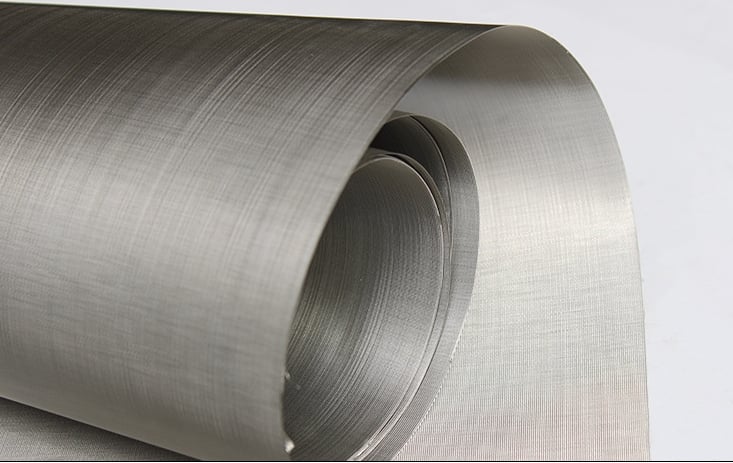
Define the Format You Need
Individual lengths
List finished width, cut length and quantity for each size. Include end squareness or profile details where needed.
Wound strip material
State width, continuous length per roll, core requirements and winding orientation.
Equipment-specific strip
Provide the receiving slot, guides, required orientation and permitted joints. A machine model alone does not define the part.
A narrow strip is a supply format, not a weave type. Select the medium first, then define how it is cut and delivered. The Dutch weave specification guide explains the underlying construction notation.
Keep the Wire Directions Traceable
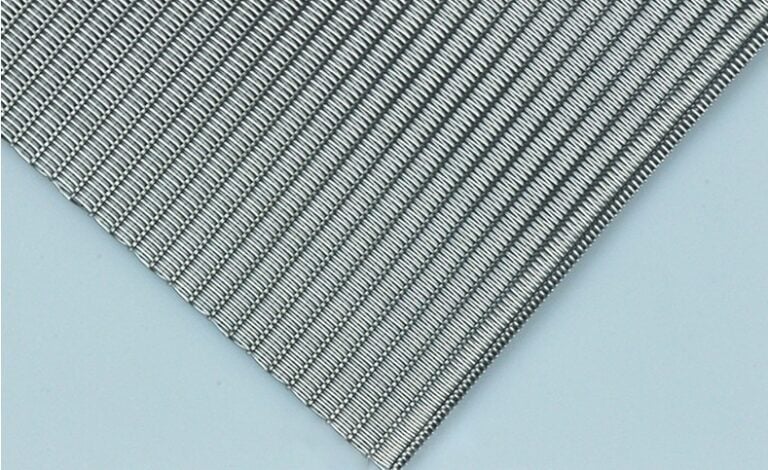
Specify warp and weft counts with units and both wire diameters in the same directional order. Mark which direction must follow the strip length. Preserve that identification through cutting and winding when orientation is controlled.
Plain, twill and reverse Dutch weaves should not be substituted simply because a width or two-number designation looks similar. Review reverse Dutch weave when that construction is specified; strip format alone does not require it.
If a strip is intended for a moving filter system, supply the equipment-approved construction and operating requirements. Do not infer tracking, tensile capacity or filtration performance from appearance.
Cut-to-Width Procurement Checklist
| Weave and alloy | Full weave name, stainless grade and any required material documents. |
|---|---|
| Directional construction | Warp × weft counts, both wire diameters and count units. |
| Filtration requirement | Rating definition and test basis, or the approved media reference. |
| Strip dimensions | Finished width and tolerance; cut length or continuous roll length; quantity per size. |
| Orientation | Warp/weft relationship to the strip length, any controlled face and winding direction. |
| Edges | Permitted projections, loose-wire condition, any edge treatment and inspection method. |
| Roll and joint details | Core size, maximum outside diameter or handling limit; permitted or prohibited splices. |
| Operating and supply scope | Stationary or moving use, medium, temperature, equipment interface and delivery condition. |
A quotation should identify what is included: mesh, cutting, winding and agreed checks. Edge finishing, joining or assembly should be listed separately when requested. No minimum width, tolerance or roll length is promised without review.
Specify the Edge That Enters the Equipment
A strip edge can affect handling and clearance at guides or retaining parts. Identify the critical edge zones and the permitted condition on the drawing. If an edge is to be bound or otherwise treated, specify the resulting width and thickness as well as the treatment.
Distinguish the nominal strip width from the active filtering width after retained margins. Avoid an undefined “burr-free” requirement; describe the feature, method and acceptance condition. The cut-edge inspection guide provides a record format.
Use Dutch weave micron-rating guidance for filtration terminology. Strip dimensions and edge quality do not by themselves verify retention.
Confirm Winding, Identification and Packing
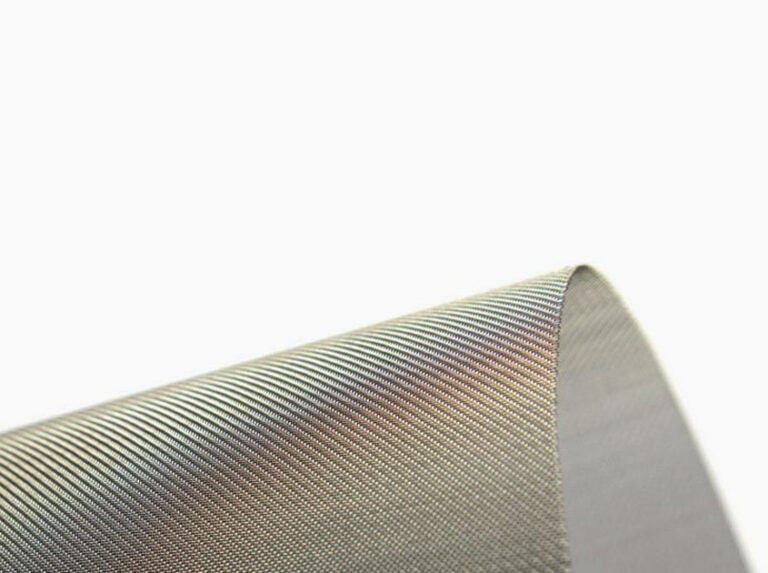
Specify whether material is delivered as separate flat lengths or wound on a core. For rolls, agree winding direction, protection of the ends, identification of material and size, and any restriction on joints. Required continuous length should be explicit; do not equate total order length with one unbroken roll.
Inspection and delivery terms are agreed against the order. If a trial length is needed for guide clearance or handling, identify what the trial is intended to verify. A fit trial is not a substitute for filtration or durability testing.
English Strip Enquiry Template
Please quote Dutch weave mesh strips to the attached schedule.
Weave/material: [specification]. Warp × weft count: [values and unit]. Wire diameters: [values]. Rating and test basis: [requirement].
Width/tolerance: [details]. Cut length or continuous length per roll: [details]. Quantity: [schedule]. Required wire orientation, edge condition, core and winding: [details]. Joints: [not permitted / subject to approval].
Please confirm feasibility, included inspection and packing, and identify any exceptions before order confirmation.
Dutch Weave Mesh Strip FAQ
They are narrow pieces or lengths of dense woven filter cloth supplied to a defined width. Specify whether you need individual cut lengths or material wound on a core.
No. A wound length is not automatically an endless joined belt or a complete machine-compatible screen. Any joint, drive interface and equipment requirement must be separately specified.
No. Provide weave type, directional counts, both wire diameters and alloy. Width feasibility and edge requirements need review against the actual construction.
State the required relationship between the strip length and the identified warp/weft directions. Do not assume every application requires the same orientation.
Not by itself. Dutch weave uses a complex pore path. Specify the rating definition and test basis instead of applying a square-opening conversion to the two mesh counts.
State the required continuous length and whether joints are prohibited or require approval. Available length and winding arrangements are confirmed with the quotation.
Request Your Strip Quotation
Send the complete wire-cloth specification, strip sizes, quantity and winding requirements for review.