Custom Filter Element Sample Approval Guide
Approve a custom filter sample by linking each requirement to evidence and a clear decision. Keep drawing conformity, installation fit and functional performance as separate review items.
This is a practical purchasing framework for wire mesh discs, cylinders and fabricated filter components. The required tests, sample quantity and approval authority must be agreed for the order.
Decide What the Sample Is Intended to Prove
Drawing conformity
Verify the specified material, media construction, dimensions, edges and joints using the agreed records and methods.
Assembly fit
Check the actual mating interfaces, orientation, seating and clearance within the defined equipment or fixture.
Functional requirements
Review only the flow, retention, integrity or other performance results that were actually tested under recorded conditions.
For example, a filter cylinder may fit its housing while its filtration rating remains unverified. Record “fit accepted; performance review pending” rather than a blanket “sample approved”.
Freeze the Review Basis Before Making the Sample
Identify the part number, drawing revision, mesh specification, quantity and purpose of the sample. List the acceptance requirements and supporting documents before production begins.
Mark any prototype process that differs from the intended production route. A sample made with a different joining or cutting method may require further review before the production process is released.
Use the filter element drawing and tolerance checklist to define controlled characteristics. Record missing requirements as open items rather than replacing them with assumed tolerances.
Build an Evidence Record, Not Just a Pass Stamp
| Record field | What to include |
|---|---|
| Identification | Sample ID, part number, revision, date, quantity and relevant lot or material reference. |
| Requirement | Drawing characteristic or specification clause, including its limit or acceptance description. |
| Evidence | Actual measurement or record reference, method, equipment and test conditions where relevant. |
| Result | Pass, fail, not tested or pending; keep missing evidence visible. |
| Deviation | Exact difference, impact review, agreed disposition and the scope of any concession. |
| Decision | Approver, date, authorized next step and unresolved conditions. |
Keep the measured value where measurement is required. If a requirement was not checked, say so explicitly. A photograph should identify the sample and feature, and include scale when it is used to document a dimensional concern.
Review the Filter-Specific Details
- Media: verify the agreed weave or bonded construction, directional wire data and layer order where applicable.
- Interfaces: check the controlled outer and inner dimensions, length, sealing seats, flanges or threads relevant to the part.
- Edges and joints: assess the specified cut condition, retained margins, seam geometry and attachment details.
- Records: match required material and inspection documents to the supplied sample.
- Function: assess results against the agreed test method and conditions, with untested requirements left open.
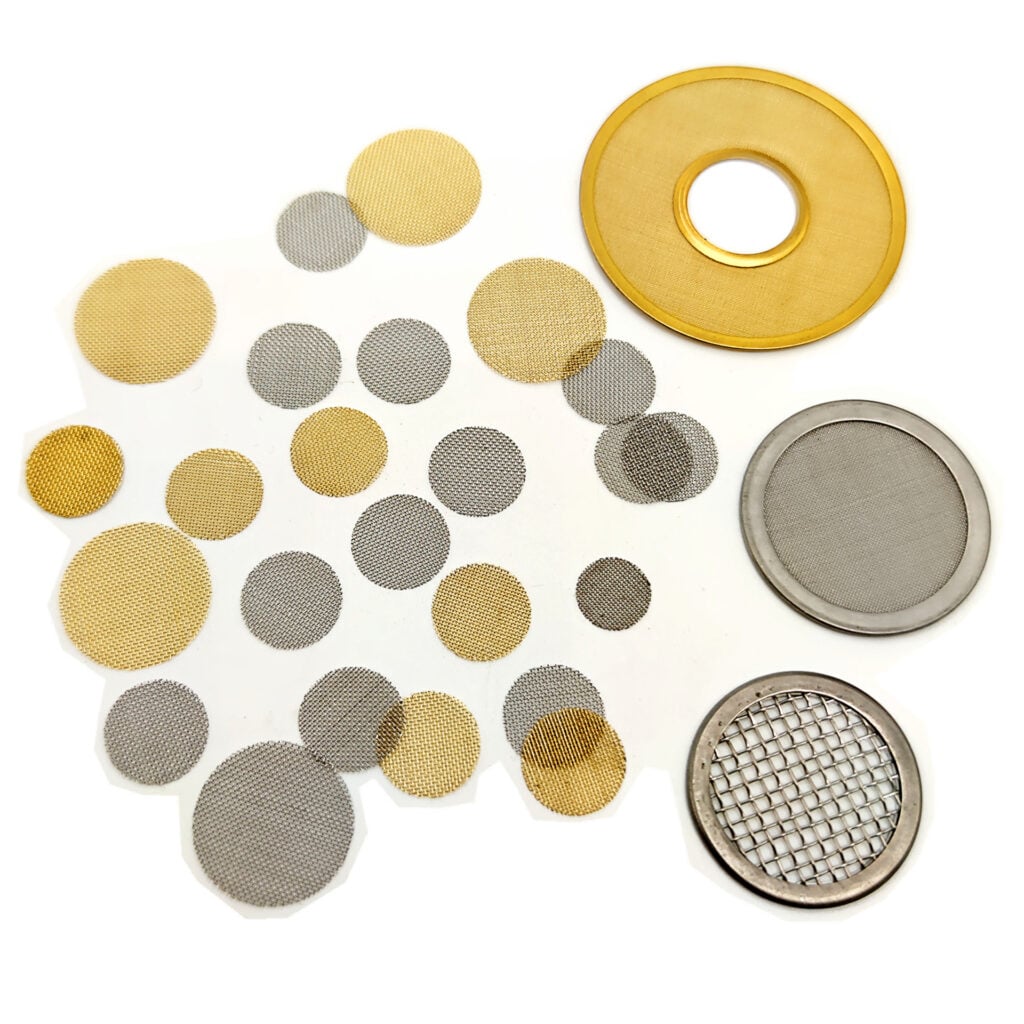
The filter edge types guide and integrity testing guide address specific evidence questions. An integrity result and a particle-retention rating are not interchangeable approval items.
Use Clear Approval Outcomes
Accepted for stated scope
Identify exactly what passed and the next step authorized, such as an assembly trial or a defined production order.
Conditional acceptance
List the condition, responsible person and closure requirement. State whether further work may proceed before closure.
Rejected or incomplete
Record the failed or missing requirement, requested correction and the evidence needed for another review.
Distinguish a temporary concession from a revised product specification. If the design is changed, issue the controlled revision and confirm which sample and production order it governs. Retain a reference sample only with identification and suitable storage so its condition remains interpretable.
English Sample Approval Reply Template
We reviewed sample [ID] against drawing [number/revision] and specification [reference].
Accepted items: [dimensions, fit or other verified requirements].
Open items/deviations: [details and required evidence].Approval scope: [trial only / specified production order and quantity]. Please confirm that the agreed material, media construction and manufacturing route will be used, and advise us of any proposed changes affecting the approved requirements before proceeding.
Please return the updated inspection record and confirm closure of [items] by [agreed date].
Complete the brackets and remove options that do not apply. If performance testing is pending, state that directly rather than implying that dimensional acceptance also confirms filtration performance.
Agree the Handover to Production
Define the routine inspection plan, identification, packaging and change-notification requirements separately from the sample decision. A successful prototype is evidence about that sample under its test conditions; it does not establish production capability or a universal service life.
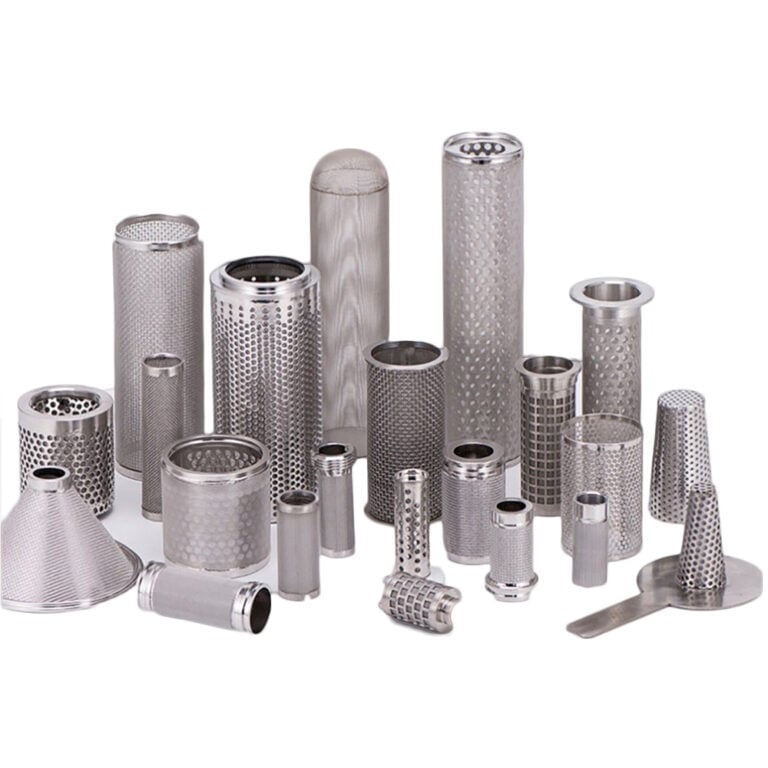
For product enquiries, see custom filter discs or wire mesh filter cylinders. Send the relevant sample requirements with the drawing so the quotation can identify included inspections and any exceptions.
Sample Approval FAQ
No. A fit check establishes only the interfaces assessed under the recorded conditions. Filtration, flow, integrity and service-life requirements need their own agreed evidence.
A photograph can document appearance or a marked feature. It does not replace measured dimensions, identified test conditions or a clear acceptance decision.
No. Match each requirement to the appropriate evidence, such as a material record, dimensional measurement, assembly check or agreed functional test. Define the method before testing.
Record the exact deviation, affected sample or quantity, approving person and whether it applies only to the sample or also to a specified production order. Do not treat an informal acceptance as a permanent drawing change.
No. Record what the approval authorizes, then agree routine production and incoming inspection requirements separately. One sample result does not demonstrate every future batch.
Agree change-review triggers, including changes to the drawing, media, layer sequence, joining, tooling or other features that can affect the approved requirements. Determine the necessary revalidation from the impact of the change.
Prepare the Sample Review Before Ordering
Send Maidong your drawing revision, media specification, required sample quantity and review checklist. Identify which inspections and records are required for quotation review.
Assembly Handoff and Enquiry Example
| Quotation review | Information to provide |
|---|---|
| Identity | Sample ID, drawing revision and supplied assembly scope |
| Evidence | Feature, method, result, acceptance basis and exceptions |
| Release | Approved scope, unresolved items and production handover |
Example RFQ Line to Complete
Replace the bracketed fields with your order requirements:
Sample approval record; sample [ID]; drawing [revision]; reviewed features [list]; fit evidence [record]; functional evidence [record]; deviations [details]; outcome/scope [decision]; production release [reference].
Related selection resources: Custom Wire Mesh Fabrication Supplier for Drawing-Based Parts; Disc Filter Elements; Mesh Cylinders.
Send the current drawing or complete specification, quantity, application and delivery destination through our contact page. Identify any required inspection or material records before quotation; availability and acceptance requirements are confirmed for the actual order.