Maidong reviews replacement extruder screens and screen packs for compatible wire and cable melt-filtration equipment. Send your existing component drawing, layer schedule and compound requirements for a quotation.
Specify single woven screens, loose multi-layer sets, spot-welded packs or rimmed assemblies around the confirmed filter interface. Separate the requirements for each insulation or jacket material stream.
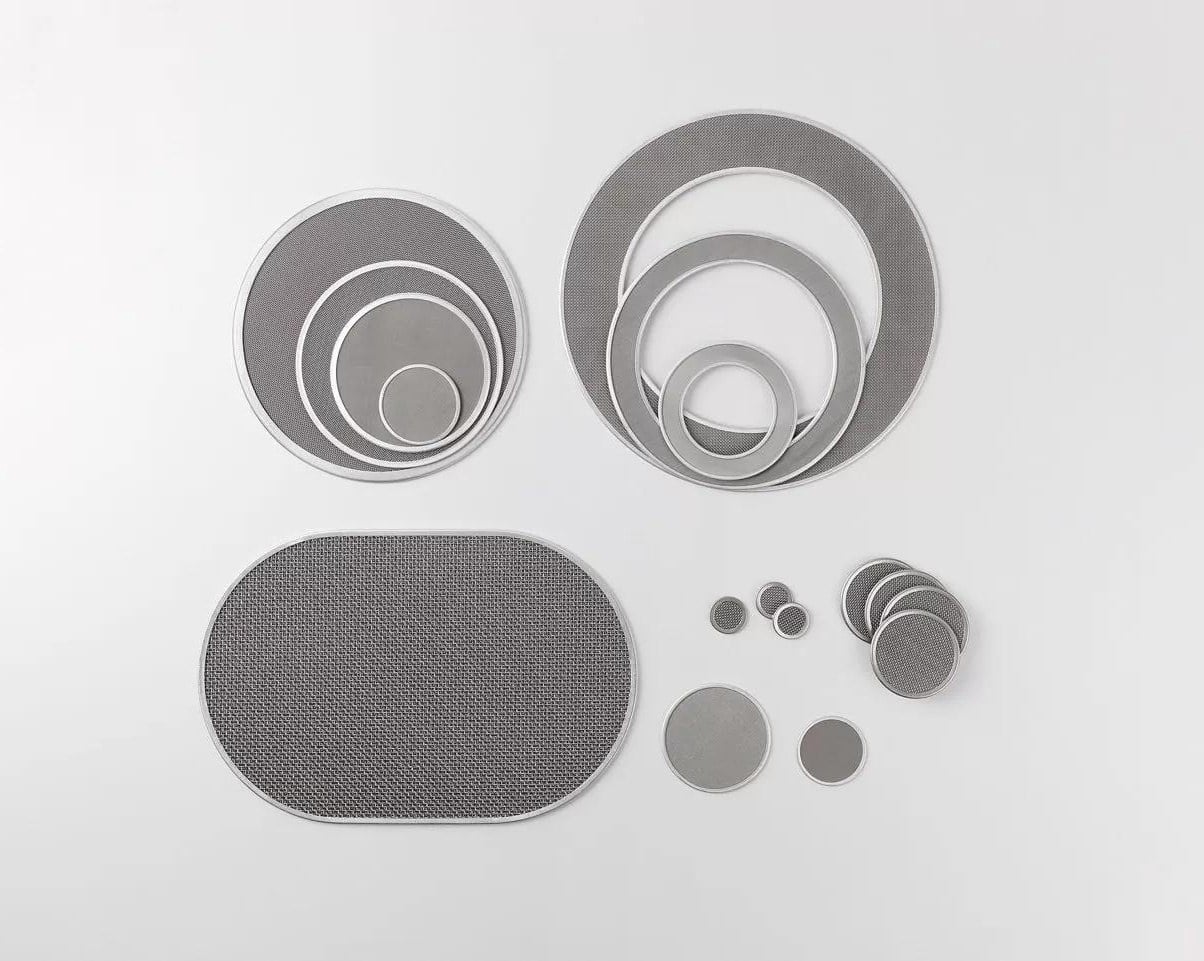
In a compatible extrusion arrangement, the mesh assembly retains suitable solid contamination from the polymer melt before the coating die. The location and support of the filter follow the actual equipment design.
This is a replacement melt-filter component. It is not the conductive shielding or braid in the finished cable, and it does not define the conductor size or coating thickness.
Explore our extruder screen and screen pack range for general construction options.
State the compound and approved filtration specification. Define the contamination requirement separately from the final cable acceptance tests.
Include the actual jacket formulation, color and relevant fillers or additives. Specify ingredients intended to remain in the material.
Assign a part identifier to each filter and material stream. Do not use finished cable layer count as the mesh-layer schedule.
For curing-sensitive, filled or other special formulations, submit the equipment-approved arrangement and material constraints. Generic resin names are insufficient.
Specify each cloth layer and an unambiguous assembly direction.
Define weld positions, layer attachment and maximum finished thickness.
Specify rim alloy, width and profile separately from the mesh material.
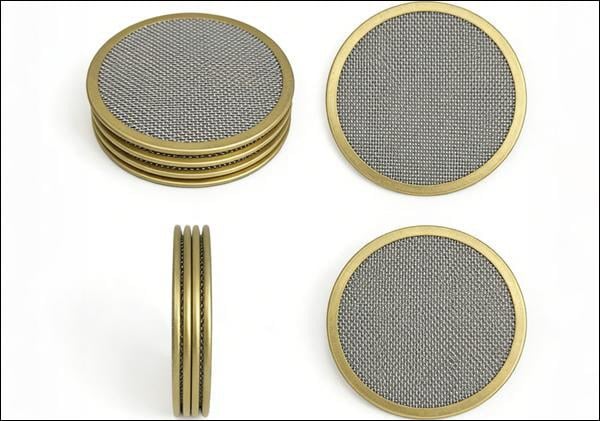
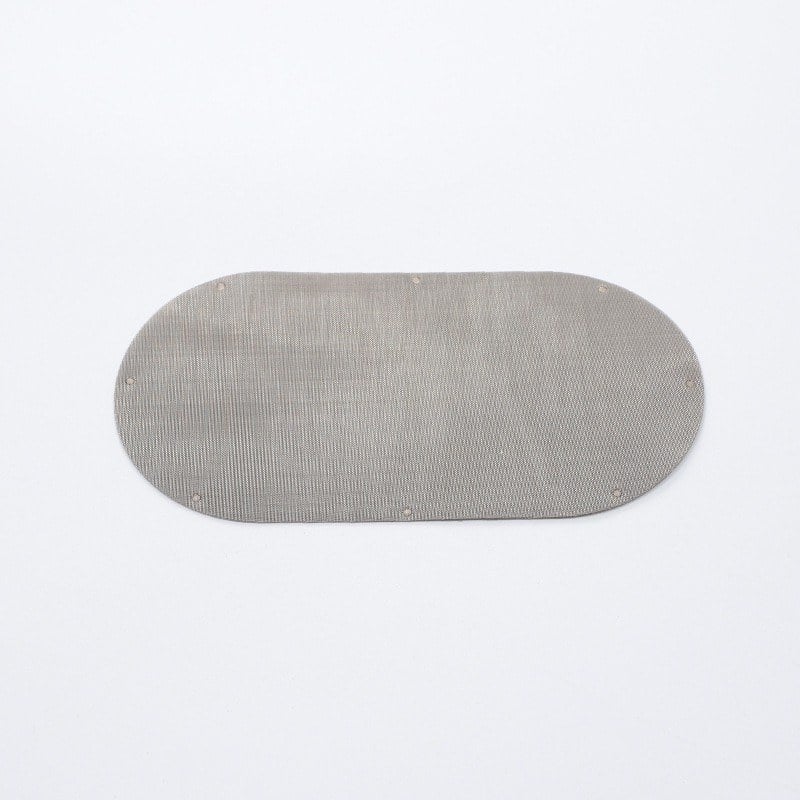
Existing product photos illustrate visible construction, not an installation on a particular cable line. Exact alloy and hidden mesh layers require a confirmed specification.
Reference / custom available: SS304, SS316 and SS316L woven mesh can be reviewed against the complete requirements. Confirm material, weave and availability before ordering; no universal operating rating follows from the alloy name.
| Parameter | Information to provide | Review purpose |
|---|---|---|
| Application stream | Insulation, jacket or other identified stream | Separates different compounds and filter duties |
| Compound | Resin and relevant additives or fillers | Defines intended ingredients and material constraints |
| Geometry | Profile, OD, ID if relevant, units and tolerances | Fits the filter cavity rather than cable diameter |
| Every layer | Alloy, mesh count, wire diameter and weave | Defines the complete cloth specification |
| Layer direction | Inlet face, sequence and support layers | Removes assembly ambiguity |
| Pack assembly | Total thickness, weld locations or rim drawing | Confirms retention and recess requirements |
| Equipment | Changer drawing, support and any reverse-flow duty | Checks the actual replacement format |
| Filtration objective | Observed contamination and acceptance requirement | Avoids undefined performance expectations |
| Operating context | Known melt conditions and throughput | Supports review against equipment requirements |
| Supply | Quantity per configuration, packing, documents and destination | Defines the quotation scope |
Mesh count alone does not define cloth opening or a guaranteed retention rating. For Dutch weave, provide the full warp/weft construction and relevant filtration data.
Reference / custom available only: 20/40/80/40/20 mesh, 20/60/100 mesh and 40/80/200/80/40 mesh illustrate layer descriptions. These are not fixed settings for insulation or cable jacketing.
Final construction follows the extrusion process, compound, filtration requirement and support arrangement. Confirm each layer using the screen pack mesh combinations and layer-order guide.
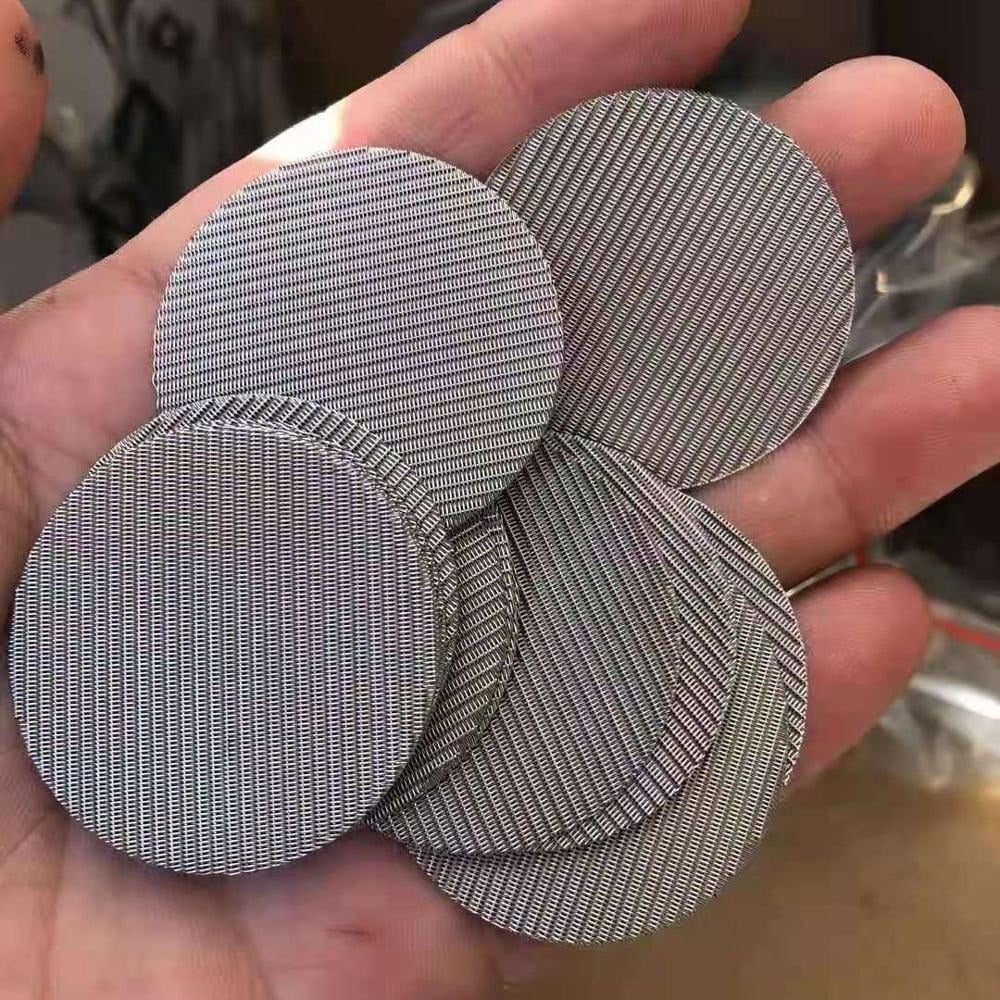
Confirm screen profile, cavity dimensions, active opening, recess depth and edge contact. Provide the drawing for the complete assembly rather than only the extruder model.
Continuous, manual and backflush systems can require different filter formats. Flat mesh packs cannot be assumed to replace belt or other specialized elements.
Round, annular, oval and custom profiles are drawing-based enquiries. A conductor running through a coating die does not imply that the upstream filter must have a central hole.
Describe the observed particles or product condition and how acceptance will be assessed. A finer screen cannot be promised to correct coating eccentricity, all surface defects or electrical test failures.
For a proposed specification change, compare product condition, pressure trend and output under comparable conditions, within equipment limits. No fixed replacement interval or universal pressure threshold is provided.
For repeat orders and color changes, use clear part identifiers and agree cleanliness, packing and documentation requirements. Follow the line procedure for changeover; screen replacement is only one part of that process.
Start with the drawing, full layer schedule, quantity and delivery country. Add the relevant material stream, compound, screen changer and filtration requirement.
Mark unknown details “to confirm.” Send the information and measured photos through the contact page; photos clarify visible construction but cannot verify alloy or hidden layers.
Use our screen pack drawing and RFQ checklist to prepare dimensions, the complete layer schedule and order quantities.
It is a mesh assembly used in compatible polymer melt-filtration equipment for a cable extrusion process. It is separate from the metallic shielding, braid or screen incorporated into a finished cable.
Yes. Identify the actual compound, melt stream and filtration equipment for each enquiry. Insulation and outer-jacket applications should not be assumed to use an identical specification.
Supply the approved working schedule or a defined filtration objective. Include the compound, intended additives, equipment and operating context. No universal cable extrusion mesh count is specified.
No. Screen dimensions follow the filter cavity, support and retention arrangement. Conductor diameter and finished cable dimensions do not define the replacement mesh profile.
Submit the approved filtration arrangement and complete material requirements for review. A polymer name alone does not establish suitability, especially where a formulation or curing process imposes additional requirements.
No. A screen is one process component. Finished cable performance must be evaluated using the applicable customer specifications and tests; it cannot be guaranteed by mesh count or screen replacement alone.
Label each pack by its extruder or melt stream and attach the corresponding specification. The number of product layers is different from the number of mesh layers within a pack.
Identify the pack configuration, cleanliness and packing requirements, and follow the equipment changeover procedure. A new screen alone does not guarantee removal of previous material throughout the line.
Send dimensions and tolerances, every mesh layer including alloy, wire diameter and weave, flow direction, finished thickness, edge details, quantity and destination. Add the compound and actual screen changer requirements.
Send your component drawing and cable extrusion requirements to Maidong Metal Wire Mesh Products Co., Ltd. We will review the construction and prepare a quotation against the confirmed specification.