
Vibratory Sieve Replacement Wire Mesh
Prepare a replacement mesh RFQ for a vibratory sieve with the approved aperture, wire diameter and frame interface. Maidong can review stainless steel woven mesh materials and drawing-defined cut blanks for your screen assembly.
Identify who will tension and attach the mesh, and whether additional fabrication is included in the request.
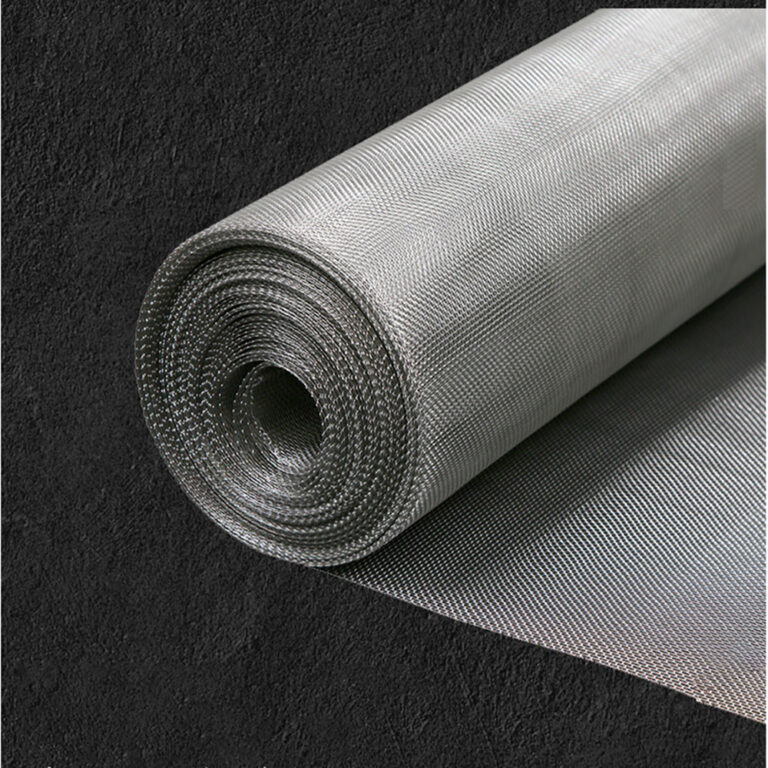
Separate Mesh Size from Screen Assembly Size
Media construction
Specify the alloy, weave, aperture and wire diameter. State the required inspection basis rather than relying on an informal mesh name.
Cut blank
Define the flat outline and allowance needed for the approved tensioning and attachment process.
Frame interface
Show the screening window, retained edges, support features and any equipment-specific attachments.
A replacement blank and a complete tensioned screen are different supply scopes. Confirm that quotations cover the same item before comparing prices.
Replacement Sieve Mesh Specification Checklist
| Specify | Information to provide |
|---|---|
| Mesh specification | Alloy, weave, opening and wire diameter or complete directional wire data. |
| Blank dimensions | Diameter or length/width, profile, cutouts, orientation and assembly allowance. |
| Frame drawing | Active window, retained edge, bonding or joining surface, support bars and mounting details. |
| Assembly requirements | Specified tension and measurement method, attachment process and the party responsible for assembly. |
| Process duty | Material being screened, wet or dry service, temperature, cleaning exposure and equipment conditions. |
| Special interfaces | Ultrasonic, deblinding or other attachments requiring separate compatibility review. |
| Acceptance | Mesh and dimensional criteria, edge condition, material records, quantity and packaging. |
Use the drawing and tolerance checklist to identify which dimensions refer to material before assembly and which refer to the installed screen.
Match Aperture and Wire Diameter Together
For square woven mesh, the opening depends on both count and wire diameter. Matching the count alone can produce a different opening and available open area. Specify the weave and wire data from the approved media record.
The mesh-to-micron guide explains this distinction. A calculated opening is not a substitute for the agreed inspection result or a guarantee of screening performance in your process.
If the existing specification is incomplete, identify the unknown fields before confirming an equivalent. A used screen can help identify construction, but wear or deformation may affect measurements.
Define Tensioning and Attachment Responsibilities
Industrial sieve assemblies use different attachment arrangements. Record the method required for the frame and the approved tension criteria where applicable. Do not transfer a tension value from a different mesh, frame or process without review.
Where a bonding material or joining process is specified, include the relevant service exposure and product-contact documentation requirements. No adhesive approval or joining capability is implied by a mesh material quotation.
For ultrasonic or other assisted screens, provide the complete assembly requirements. A matching diameter or mesh opening alone does not verify compatibility with the attached system.
Keep Screening Area and Assembly Allowance Distinct
Show the area exposed to the process separately from the material retained at the edge. Include supports, interrupted areas and any cutouts. The cut blank must follow the intended assembly method rather than being assumed equal to the nominal machine size.
Confirm packaging that protects the specified cut edges and avoids unintended folds. State whether the material will be supplied flat or rolled, where this matters to your assembly workflow.
For general fabricated flat components, see rectangular wire mesh screens and custom filter discs. These form-based pages do not replace the tension and frame details needed for a sieve assembly.
Request Material or Cut Blanks with a Clear Scope
Send the existing media specification, blank drawing, frame interface and required quantity. Identify whether your workshop will complete tensioning and installation. If additional fabrication is needed, list it for separate feasibility review.
Remeshing used frames, providing complete sieve machines, and guaranteeing throughput or service life are outside a mesh-only offer. Agree the required sample and acceptance evidence for any proposed substitution before a production order.
Replacement Sieve Mesh FAQ
It should identify whether you need roll material, a cut mesh blank or an assembled screen requiring separate review. A mesh-only quotation does not automatically include the frame or tensioning service.
No. Provide the mesh opening, wire data, cut-blank dimensions and the frame interface. The nominal machine diameter may differ from both the active screening area and the required blank.
Include wire diameter and weave as well as mesh count. For square weave, wire diameter affects the opening, so count alone does not fully define the screen.
Use the equipment-approved requirement and measurement method for the mesh and frame. This page does not prescribe a universal tension value.
No automatic compatibility claim is made. If your screen uses an ultrasonic system, provide the complete interface and assembly requirements for review; mesh material alone does not establish system compatibility.
Provide the approved mesh specification, blank and frame drawings, attachment method, process conditions, quantity and acceptance requirements. Separate material supply from assembly or remeshing services.
Send Your Mesh and Frame Requirements
Send the aperture and wire specification, blank dimensions, assembly allowances, frame drawing, process conditions and quantity for review.