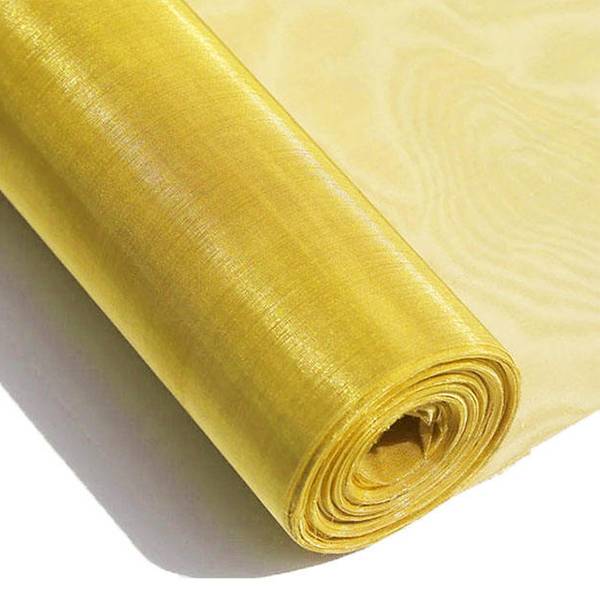
1. What Is Copper Wire Mesh?
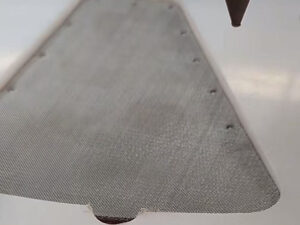
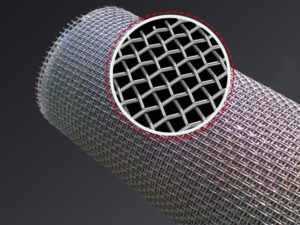
Copper wire mesh is a plain-woven metal fabric made using pure copper wire (C11000).
It combines:
High conductivity
Soft malleability
Corrosion resistance
Precise filtration strength
Excellent electromagnetic shielding
Copper mesh is offered from 8 mesh (coarse) up to 200 mesh (fine filtration).
2. Key Properties of Copper Wire Mesh
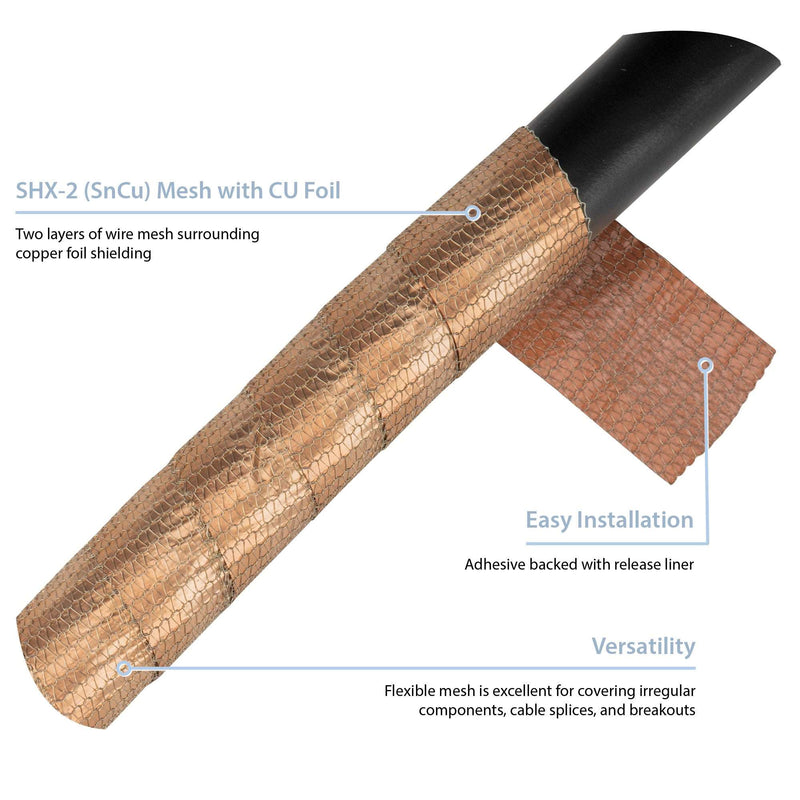


2.1 High Electrical Conductivity
Copper is among the most conductive engineering metals, making the mesh ideal for:
EMI/RFI shielding
Grounding
Faraday cages
Signal-blocking screens
Mesh structure ensures uniform contact points, improving conductivity vs. solid copper sheets.
2.2 Corrosion Resistance
Its natural oxide layer protects against:
Humidity
Atmospheric corrosion
Mild acids and alkalis
Suitable for both indoor and outdoor use.
2.3 Soft and Easy to Process
Copper mesh is much easier to form compared with stainless steel:
Easy cutting
Easy bending
Easy sealing
Works well for edging, welding, pleating
Ideal for custom-shaped filters and shielding parts
2.4 Wide Filtration Range
Available from coarse to ultra-fine mesh:
8–20 mesh → shielding & anti-rodent
40–80 mesh → industrial filtration
100–200 mesh → laboratory & gas-liquid separation
3. Common Applications of Copper Wire Mesh
3.1 EMI / RF Shielding
Faraday rooms
Electronic device protection
PCB grounding
High-frequency laboratories
Copper is preferred where signal stability is critical.
3.2 Industrial Filtration
Used in:
Chemical filtration
Catalyst filtration
Battery industry
Gas–liquid separation
Precision sieving
Copper’s softness allows custom filter shapes.
3.3 Architecture & Security
Anti-rodent protective mesh
Signal-blocking windows
Ventilation screens
Insect prevention with conductivity
3.4 Laboratory Research
Vacuum chamber filters
Gas separation setups
Scientific experimental equipment
4. Specifications of Copper Wire Mesh
4.1 Standard Technical Parameters
| Item | Specification |
|---|---|
| Material | Pure Copper C11000 |
| Wire Diameter | 0.05–0.3 mm |
| Mesh Count | 8–200 mesh |
| Width | 1 meter (customizable) |
| Length | 30 m/roll or cut-to-size |
| Weave Type | Plain weave |
| Processing | Slitting, cutting, welding, edging, pleating |
4.2 Mesh Count Selection Guide
Coarse (8–20 mesh)
Rodent control
Ventilation
Decorative use
Medium (30–80 mesh)
Chemical filtration
Liquid & gas screening
Battery industry
Fine (100–200+ mesh)
Precision filtration
Laboratory applications
EMI shielding rooms
5. How to Choose the Right Copper Mesh
Step 1 — Identify Application
Different industries require different mesh counts and wire diameters.
Step 2 — Confirm Filtration or Shielding Level
Higher mesh = finer filtration, better signal blocking.
Step 3 — Select Processing Method
Tell the supplier whether you need:
Rolls
Sheets
Discs
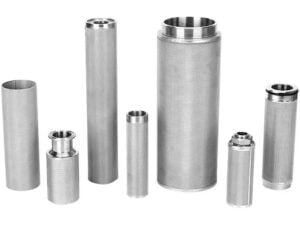
Mesh tubes
Pleated filters
Edged filters
Step 4 — Confirm Environmental Conditions
Copper is ideal for humid, non-acidic environments.
6. Custom Fabricated Copper Mesh Products
We can produce:
Copper filter discs
Edged mesh filters
Copper mesh tubes
Pleated filter cartridges
Rolls & sheets
Processing includes:
Spot welding
TIG welding
Ultrasonic cutting
Edging with aluminum/SS rings
Laser cutting
Precision forming
7. Why Choose Maidong Wire Mesh as Your Supplier?
Located in Anping — the world’s wire mesh center
Over 10+ years industrial mesh manufacturing
Full OEM/ODM capability
Strict QC for mesh uniformity & wire diameter
Fast global delivery
Support low MOQ + sample service
8. FAQ — Copper Wire Mesh (SEO Rich Snippet)
Q1: Is copper mesh suitable for outdoor use?
Yes. Copper naturally forms a protective oxide layer that resists atmospheric corrosion.
Q2: Can copper mesh block WiFi or signals?
Yes. Copper mesh is widely used for EMI / RFI shielding and can block many types of electromagnetic signals.
Q3: What mesh count should I choose?
8–20 mesh: shielding, rodent control
40–80 mesh: filtration
100–200 mesh: fine filtration, EMI rooms
Q4: Do you support custom processing?
Yes. We customize discs, tubes, edging, pleating, and precision shapes based on drawings.
9. Contact Us
For copper mesh rolls, sheets, or custom fabricated filtration parts:
📧 sales@md-wiremesh.com
📱 WhatsApp: +86-15132829996
🌐 www.mdwiremesh.com
🔗 linktr.ee/zcc5886
We provide OEM service, fast delivery, and full customization.