Copper Alloy Mesh Surface Appearance Acceptance Guide
Define copper, brass or phosphor bronze mesh appearance before quotation approval. A useful requirement identifies the reference, the observation conditions and the surfaces that matter in the finished application.
This guide provides a checklist for agreeing an inspection process. It does not prescribe a universal colour tolerance or certify a particular surface finish.
Separate Appearance from Material Identity
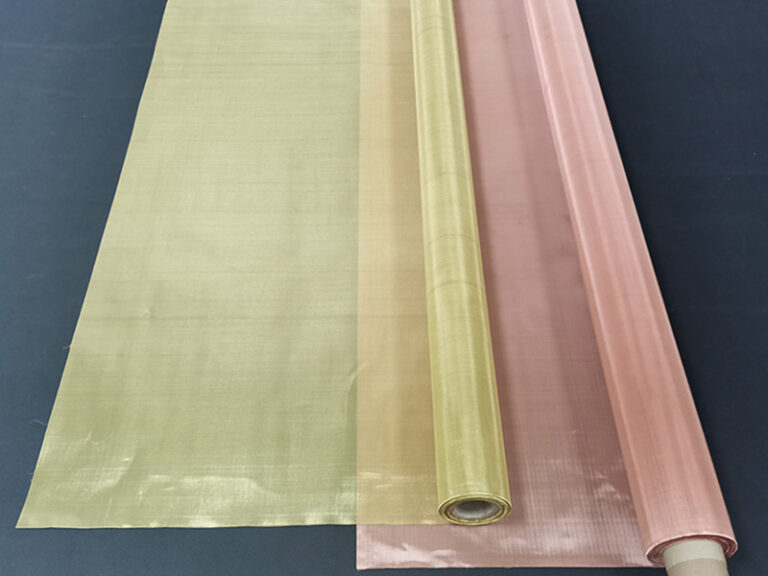
A colour description should not replace the required alloy designation. Keep the material specification and appearance requirement as separate order fields. A sample that looks similar is not automatically the correct grade.
For material records and substitutions, use copper mesh material documentation guidance. Here, the focus is the visible condition and the agreed way to assess it.
Establish a Reference Before Comparing Deliveries
Reference identity
Record a sample ID, date and the material/mesh specification it represents.
Observation conditions
Agree lighting, background, viewing distance and which face is assessed.
Acceptance scope
Identify the visible zones and the types or extent of differences that require review.
Where appearance is critical, agree a physical reference or an explicitly defined reference method. Photographs should show the same orientation and observation setup where possible, but should not silently replace the agreed reference.
Keep reference samples protected and identifiable. Record any change in their condition or replacement rather than assuming that an old exposed sample remains an unchanged standard.
Record the Inspection Conditions
| Product and face | Material designation, mesh specification and the face or zones being inspected. |
|---|---|
| Reference | Sample ID or agreed reference method, with date and revision. |
| Viewing setup | Lighting, background, distance, angle and any magnification used. |
| Observation | Describe visible colour variation, marks, residue, deformation or other agreed features without assuming their cause. |
| Location and extent | Identify the affected area, number of pieces and extent of the observation. |
| Decision basis | Applicable purchase requirement or agreed sample comparison. |
| Evidence | Photos with scale/context where useful, item identity and received-condition notes. |
| Handling and packing | Separation, contact surfaces, protective packing and any specified handling condition. |
Avoid an undefined instruction such as perfect surface. Describe the requirement in terms the buyer and supplier can apply consistently. Any numerical limits or inspection frequency should come from the agreed specification, not an assumed industry-wide value.
Describe Observations Without Guessing Their Cause
Record what is visible and where it occurs before deciding whether it is acceptable. Distinguish an appearance concern from a damaged wire, changed opening or other dimensional issue that needs separate assessment.
Do not infer alloy composition or a specific chemical mechanism from a photograph. If the cause affects acceptance, agree the appropriate investigation and preserve the received condition for review.
For mesh that will be covered by a frame, identify whether the covered margin and exposed face have different requirements. For a framed product enquiry, see framed copper mesh panels.
Agree Handling and Packing with the Appearance Requirement
Specify whether pieces should be separated and which faces need protection from contact during packing. Identify the delivery format and labelling required to connect the parts to their inspection records.
Do not assume a particular coating, cleaning treatment or protective finish is included. Request it explicitly where needed and confirm suitability and availability with the quotation. Avoid changing a disputed sample through cleaning or treatment before its condition is documented.
At receipt, record relevant packaging observations and the item identity. Compare the product under the agreed conditions and refer differences to the specified acceptance process rather than inventing a new limit after delivery.
English Appearance Requirement Template
Please review the following appearance requirements for copper-alloy woven mesh item [reference].
Material and mesh specification: [details]. Faces and visible zones: [drawing]. Reference sample or method: [ID/revision]. Observation conditions: [lighting, background, distance and angle].
Required surface condition and review limits: [agreed descriptions]. Packing, separation and handling: [requirements].
Please identify any exceptions before order confirmation. If a difference is observed, record the received condition and contact us before applying a treatment.
Surface Appearance FAQ
A photograph can provide context, but lighting, camera settings and the display can change its appearance. Agree a physical reference and observation conditions where colour is important.
No. Appearance acceptance and material identification are separate. Use the required material specification and agreed records to review alloy compliance.
The decision should follow the agreed requirement and intended use. Record the mark, location, extent and inspection conditions rather than applying an unstated universal rule.
State which faces and zones matter in the purchase requirement. Identify any visible face, contact area or covered margin that has different acceptance criteria.
Do not change the sample before recording its received condition and agreeing the next step. Any proposed cleaning or treatment should be reviewed for the material and application.
State the required separation, surface protection, identification and delivery condition, together with any handling requirements relevant to the accepted appearance.
Include Appearance Requirements in Your Enquiry
Send the mesh specification, intended use and reference details. Maidong can review the requested condition, documentation and packing scope.