
Metal Filter Element Packaging and Storage Guide
Define packaging around the vulnerable features of the filter: fine mesh, formed walls, sealing faces and identified layer sets. Include the protection and receiving requirements in the RFQ so the delivered component can be assessed against the same expectations.
This guide is a practical checklist. Confirm the final packaging arrangement and storage conditions for the actual component.
Protect the Features That Control Fit and Function
Mesh surface
Prevent unplanned folding, point loading and contact that can catch or distort fine wires.
Mating features
Identify seals, seats, threads and flange faces that need separation from adjacent parts or packing restraints.
Part identity
Keep visually similar grades, openings and revisions separated and traceable throughout unpacking.
Packaging requirements should reflect part geometry and the intended handling route. A strong outer carton alone does not define how the filter is supported inside it.
Choose Protection by Component Shape
| Component | Requirement to agree |
|---|---|
| Flat discs and blanks | Define flat support, separation and quantities per compartment; avoid loads concentrated on unsupported mesh. |
| Cylinders and cartridges | Identify support points and restraints; prevent uncontrolled rolling and contact with end interfaces. |
| Pleated components | Keep restraints and adjacent parts from pressing into pleats; agree where the component may be held. |
| Baskets and formed screens | Protect the rim and formed shape; specify whether nesting is permitted and how nested parts are separated. |
| Multilayer sets | Identify layer order, face direction and set quantity when loose components must remain associated. |
| Seals and accessories | List items separately and link them to the correct component; follow their own handling and storage requirements. |
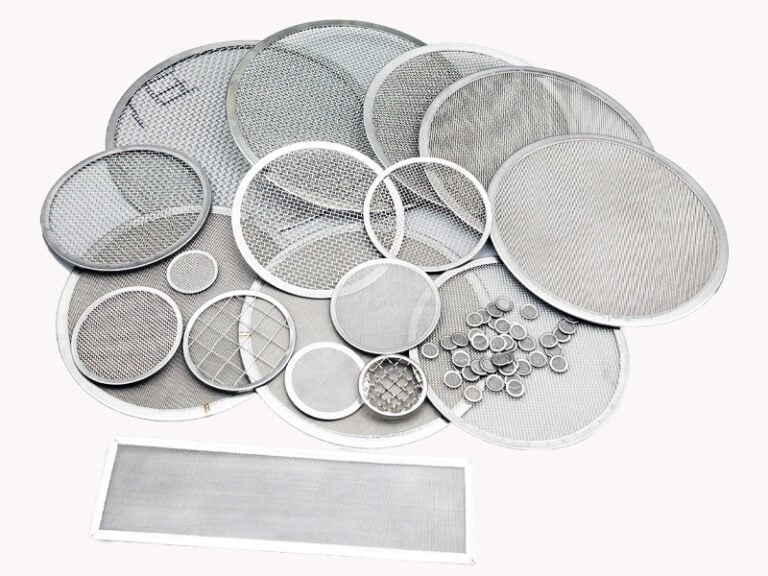
For part-specific enquiries, see filter discs and wire mesh filter cylinders. Show permitted support and contact locations on the drawing when they are critical.
State Contact-Material and Cleanliness Requirements
Specify any restrictions on packaging materials that contact the part. Agree whether residues, fibres or adhesive contact would interfere with the intended process. Do not apply tape directly to filtering or sealing surfaces unless the arrangement has been accepted.
Ordinary protective wrapping is not evidence of a controlled cleanliness level or sterile supply. If cleanliness is a purchase requirement, define the condition, inspection method and evidence before packing.
Confirm whether parts must be dry before packing and how moisture exposure is to be addressed. Special barriers, desiccants or preservation treatments should be agreed for the component and shipment rather than assumed to be included.
Use an Incoming Check That Preserves Evidence
- Record the outer package. Note visible crushing, punctures, moisture or disturbed restraints before unpacking.
- Match identity and quantity. Check the package label against the order, drawing revision and accompanying records.
- Inspect without changing the condition. Document bent mesh, dented rims, damaged threads or loose pieces with sample identification and location.
- Segregate concerns. Hold suspected damage for review before installation or rework.
- Repack accepted spares. Restore the agreed protection and identification after inspection.
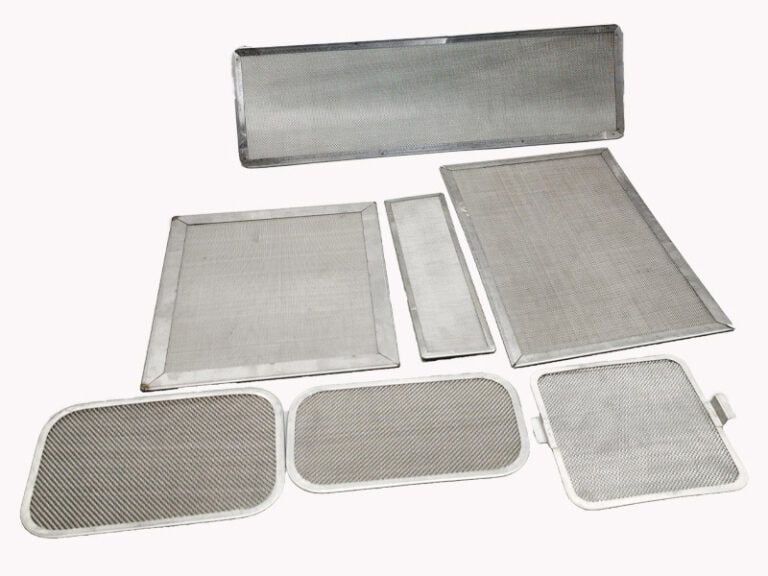
The drawing and tolerance checklist defines controlled features. If transport damage may have affected more than appearance, agree the necessary checks rather than treating a visual review as proof of functional integrity.
Keep Spare Parts Protected and Identifiable
Use the agreed clean, dry storage location and protect packages from crushing, unintended movement and contact with workshop debris or chemicals. Retain the package identification when moving a part between locations.
Do not mix used parts with unused spares. Record any cleaning or rework before returning a component to storage, and agree its release condition. Use the cleaning and reuse acceptance guide for that separate decision.
No universal shelf life is specified here. The complete assembly may include seals, coatings or other items with different requirements from the metal mesh. Check the recorded condition and applicable component instructions before installation.
English Packaging Note for Your RFQ
Pack part [number/revision] in quantities of [quantity] per identified package. Support at [locations] and protect [mesh surface / sealing faces / threads / rim]. Keep different grades, revisions and layer sets separated.
Contact-material and cleanliness requirements: [details]. Label each package with [required identifiers] and provide [records]. Storage and shipment conditions: [agreed conditions]. Please identify any exceptions and confirm the proposed internal packing arrangement before shipment.
Complete the brackets for the actual order. If transport testing or a special packaging qualification is required, specify the method and evidence separately; a generic statement such as “export packing” leaves important details undefined.
Packaging and Spare Storage FAQ
Specify an arrangement that prevents damaging contact, mixing and bending. The appropriate separators and quantity per compartment depend on the actual part and cleanliness requirements.
No. Ordinary protective packaging does not establish cleanliness, sterility or a validated barrier. State any special requirement and required evidence separately.
This guide gives no universal storage life. Agree the conditions and review requirements for the complete component, including seals, coatings or other non-metal parts where present.
Record package condition, part identification, quantity and visible damage. Inspect the component against agreed incoming criteria before installation, keeping suspected damage separate for review.
Record the as-received condition before changing the part. Obtain an agreed disposition and reinspection requirement before attempting rework.
Agree the part number, revision, quantity, lot or traceability reference and package identifier. Keep labels linked to the relevant records and place them where they do not obstruct functional surfaces.
Include Packaging with the Component RFQ
Send the component drawing, quantity, sensitive contact areas, required records and packaging constraints to Maidong for quotation review.
Assembly Handoff and Enquiry Example
| Quotation review | Information to provide |
|---|---|
| Protection scope | Mesh faces, edges, locating profiles and projecting features |
| Identification | Part/revision, quantity and package-to-item reference |
| Receiving | Condition checks, evidence retention and storage requirements |
Example RFQ Line to Complete
Replace the bracketed fields with your order requirements:
Packaging note; part [reference]; protected features [list]; separation/contact material [requirements]; cleanliness [basis]; labels [content]; incoming checks [features]; spare storage [agreed conditions].
Related selection resources: Disc Filter Elements; Mesh Cylinders; Wire Mesh Part Identification and Mixed-Order Packing Guide.
Send the current drawing or complete specification, quantity, application and delivery destination through our contact page. Identify any required inspection or material records before quotation; availability and acceptance requirements are confirmed for the actual order.