
Wire Mesh Part Identification and Mixed-Order Packing Guide
A mixed wire mesh order may include parts that look similar but differ in grade, opening, wire size or drawing revision. Agree an identification and packing plan before delivery so each item can be connected to the correct requirement.
This guide focuses on the item-to-package link. It does not prescribe a certified traceability system or a universal packing method.
Keep Three References Connected
Order item
The buyer’s item number and accepted specification or drawing revision.
Packing unit
The bag, bundle, tray or carton identifier used to locate that item.
Delivery record
The list that states which items and quantities are in each packing unit.
Use the same item references in the quotation, order and packing instructions. Where the supplier uses another code, request a clear mapping rather than relying on a shortened product name.
Do Not Identify Parts by Appearance Alone
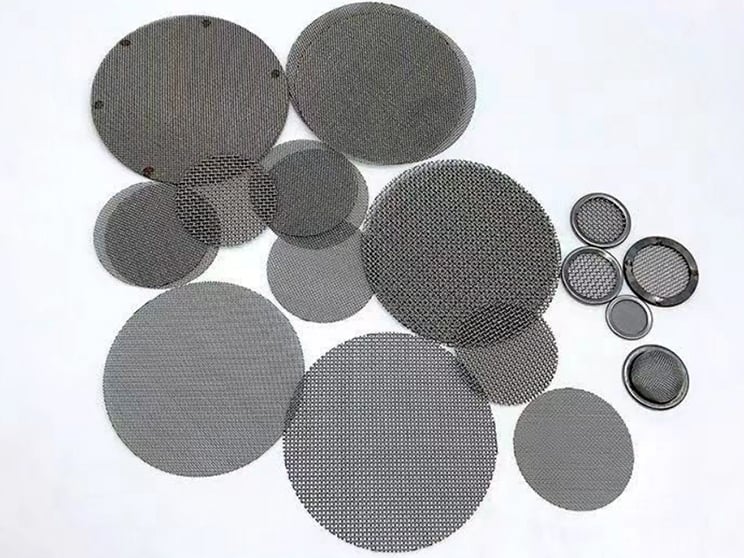
Similar disc diameters can contain different cloth constructions. A familiar-looking frame or rim also does not establish material, thickness or layer order. Keep specification differences visible in the item list.
Assign a distinct line whenever a change affects what must be delivered. Record the accepted drawing revision where applicable and identify any approved substitutions separately.
For evaluation sets, see numbered mesh test coupons. The same item-to-record principle should continue when moving to a production order.
Prepare an Item-to-Package List
| Buyer item number | Stable reference used on the order and receipt record. |
|---|---|
| Drawing / revision | Accepted drawing or specification version for this item. |
| Construction reference | Material, weave or layer specification sufficient to distinguish similar items. |
| Quantity | Pieces per inner pack and total quantity ordered. |
| Packing-unit ID | Bag, bundle or container identifier linked to the item. |
| Label location | Part, inner pack or outer pack; direct marking only if agreed. |
| Document link | Requested material or inspection record reference and agreed linkage. |
| Special handling | Separation, edge protection and any orientation or packing constraints. |
If one item is split across containers, list every location and its quantity. If a carton contains several items, keep the inner packing units identifiable rather than placing unlike parts loose together.
Choose Separation Around the Actual Parts
Define whether each piece, group or specification needs separate packing. Consider how the buyer will count, store and feed the parts into assembly. The required separation should follow the order and handling needs.
Do not assume labels can be applied directly to an active filtering surface. If direct part marking is requested, identify the permitted location and review the method for the material and application.
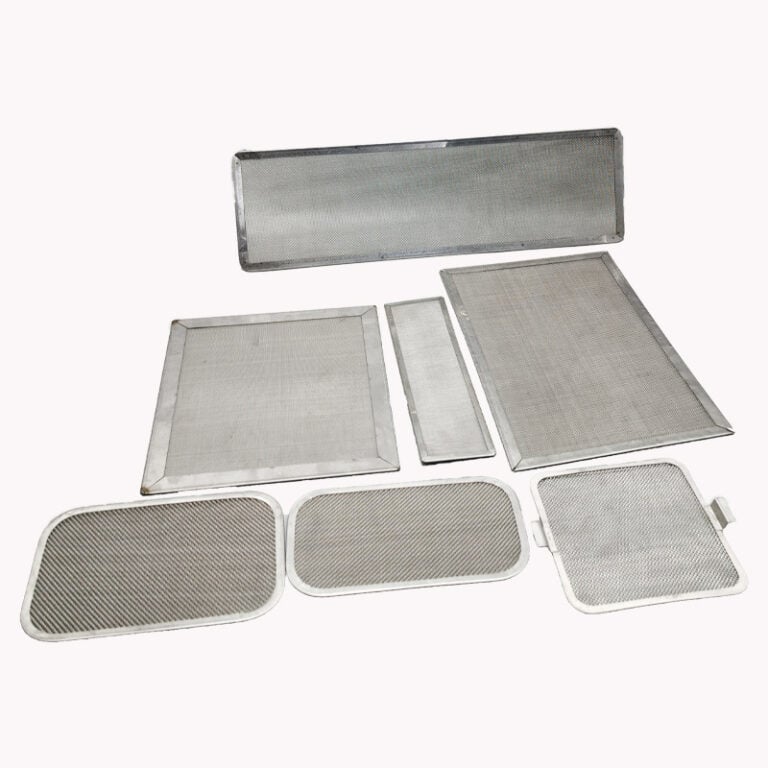
Protect projecting wires, rims and frame corners according to the part geometry. For general protection and storage considerations, see metal filter packaging and storage guidance. This page adds the mixed-item identification plan.
Keep Revisions and Partial Deliveries Clear
When a drawing changes, identify the affected order items and the accepted revision. Agree how any earlier-version material is distinguished. Do not silently reuse a description that hides which version is supplied.
For a partial shipment, record shipped quantity against the order line and identify any remaining balance separately. Do not treat the total order quantity as the quantity inside each package.
Labels provide a link to the agreed records; they are not a substitute for material verification or inspection. Request the document scope and linkage during quotation if they are required.
Use a Consistent Receipt Check
Compare the packing-unit identifiers and stated quantities with the delivery list and accepted order. Record missing labels, mixed items or discrepancies with the relevant package identity.
Keep affected items distinguishable while clarification is pending. Do not reconstruct a missing identity solely from colour or apparent mesh fineness. Request the supporting information needed to resolve the specific discrepancy.
English Packing Instruction Template
Please pack the mesh components by the attached item list.
Each inner packing unit should identify [buyer item number, drawing revision, quantity and agreed reference]. Different specifications should remain separately identifiable.
The packing list should map each inner unit to its outer container and state the quantity per item. For split shipments, identify the shipped quantity and remaining balance separately.
Direct part marking, protective separation and document linkage requirements: [details]. Please confirm the proposed packing arrangement and any exceptions before shipment.
Mixed-Order Identification FAQ
Appearance may not reveal different grades, wire sizes, layer arrangements or dimensions. A defined item number links the supplied part to the agreed specification.
Not necessarily. Specify whether identification belongs on the part, an individual bag, a bundle or its container. Direct marking and its suitability require agreement.
They can be requested in one shipment, but define the inner separation and package list so each item remains distinguishable. Confirm the proposed packing arrangement.
Where revisions control the part, include the accepted revision in the order and agreed identification records. Do not mix old and new requirements under an ambiguous description.
No. Labels link items to records; they do not replace required material evidence or inspection results.
Record the discrepancy and the package identity, keep the affected items distinguishable and request clarification before treating them as the required parts.
Include Identification in Your Enquiry
Send the item list, drawings and packing requirements. Maidong can review the requested identification and delivery scope with the quotation.