Welded Wire Mesh Size & Specification Guide

TECHNICAL SPECIFICATION GUIDE

Specify Welded Wire Mesh Without Ambiguity

A complete welded wire mesh specification identifies the opening basis, wire diameter, material, supplied form, edge condition and tolerances. The phrase “10 mm mesh” is incomplete until the buyer states whether 10 mm means clear opening or wire-centre spacing.

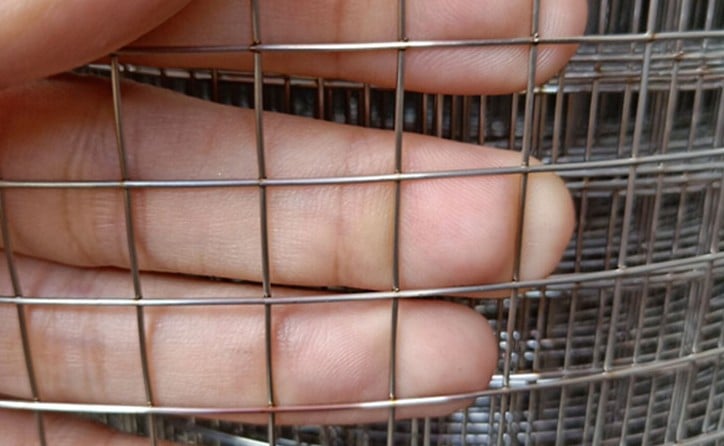
Close view of welded wire mesh opening and wire intersections
Opening, wire diameter and weld intersections must be specified separately.

The Six Fields That Define Welded Wire Mesh

Opening basis

Clear aperture or centre-to-centre spacing.

Wire diameter

Diameter for each wire direction if different.

Material

Alloy or material grade required by the service.

Supply form

Roll, panel, cut blank or fabricated component.

Edge condition

Trimmed, projecting, framed, folded or drawing-defined.

Tolerance and inspection

Critical dimensional tolerances and required checks.

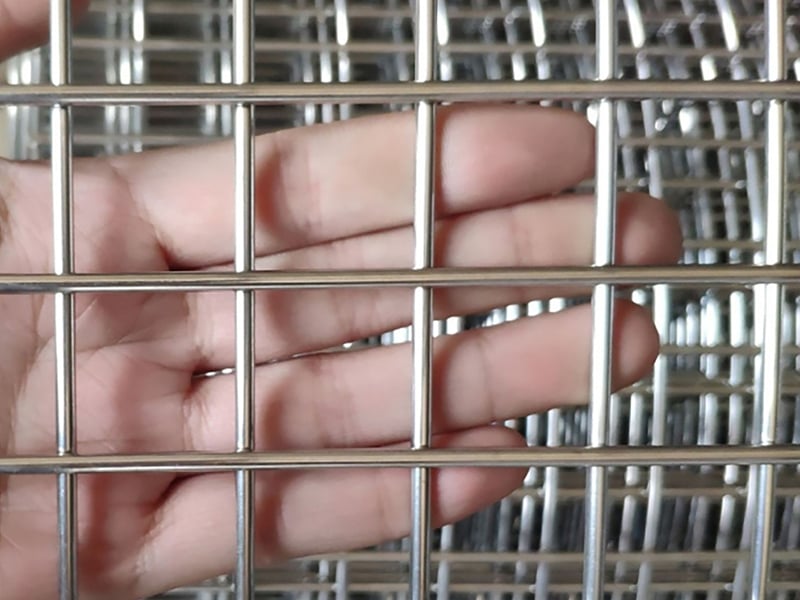
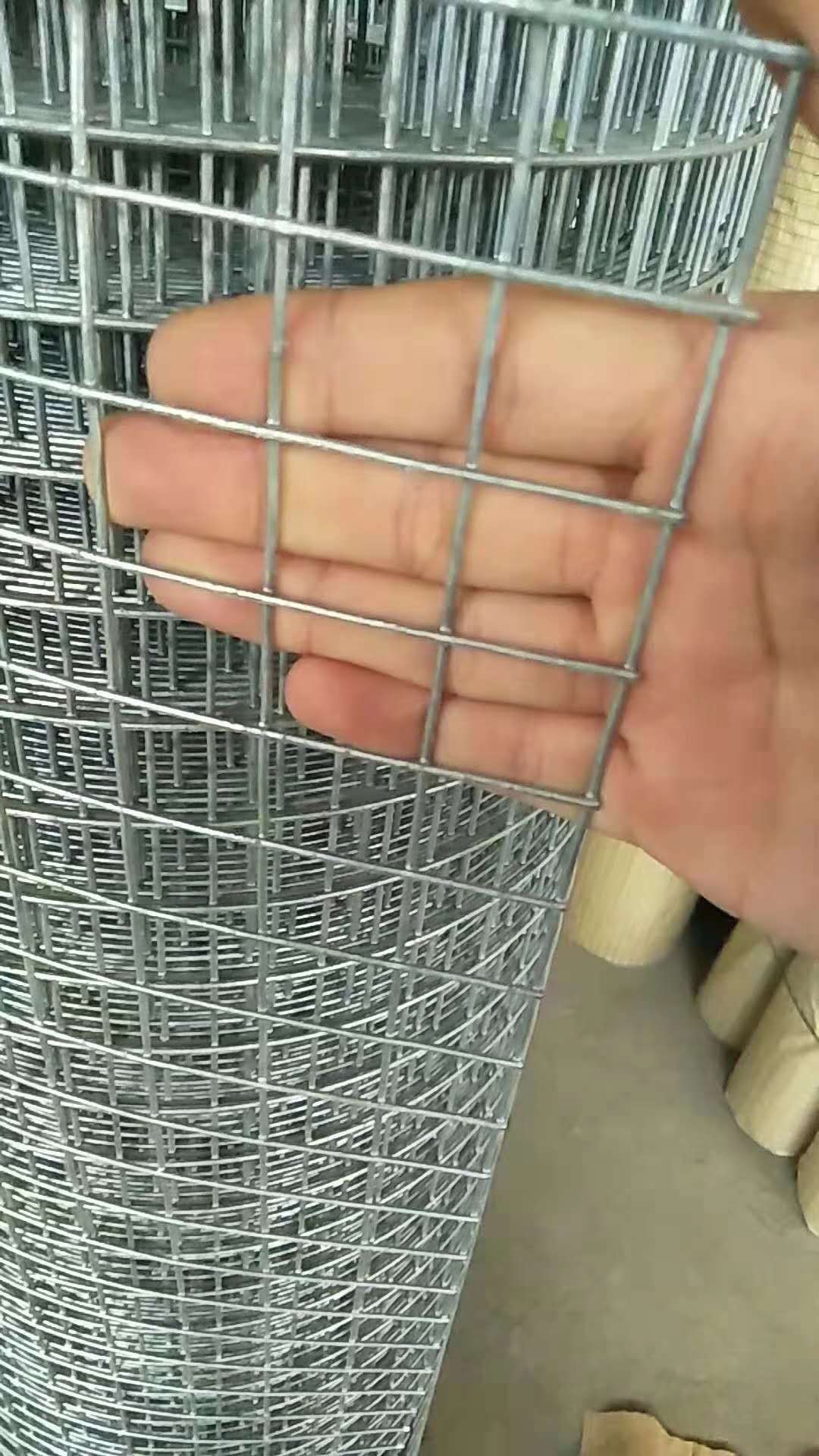
Square welded wire mesh held against a hand for scale
A visual scale is useful, but a quotation still needs numerical opening or center spacing and wire diameter.

Clear Opening vs Centre Spacing

These values are not interchangeable. If a drawing gives only one number, request clarification before quotation. For rectangular mesh, specify both directions—for example opening A × B and wire diameter d1 × d2.

TermMeaningRelationship for equal round wires
Clear opening (A)Free distance between adjacent wire surfacesA = P − d
Centre spacing (P)Distance between adjacent wire centre linesP = A + d
Wire diameter (d)Diameter of the welded wired = P − A

Welded Wire Mesh Specification Sheet

The numerical values below are notation examples only; they do not represent a universal standard size or guaranteed stock range.

RFQ fieldHow to write itWhy it matters
Opening / spacing10 mm clear opening, or 10 mm centre spacingPrevents aperture ambiguity
Wire1.0 mm diameter in both directionsControls opening, mass and stiffness
MaterialState the required gradeSupports compatibility and traceability review
Finished sizeWidth × length, panel, roll or cut-part drawingDefines usable geometry
EdgesFlush trimmed, projections, frame or formed edgeAffects handling and installation
TolerancesIdentify critical dimensions and inspection methodAligns quotation and acceptance

Wire Diameter Changes the Actual Opening

Two welded meshes with the same centre spacing can have different clear openings when the wire diameter changes. This affects passage size, open area and the behaviour of the finished screen. Specify both values instead of relying on a trade description.

For fine filtration openings, compare the construction with stainless steel woven wire mesh; welded mesh and woven mesh are not direct substitutes.

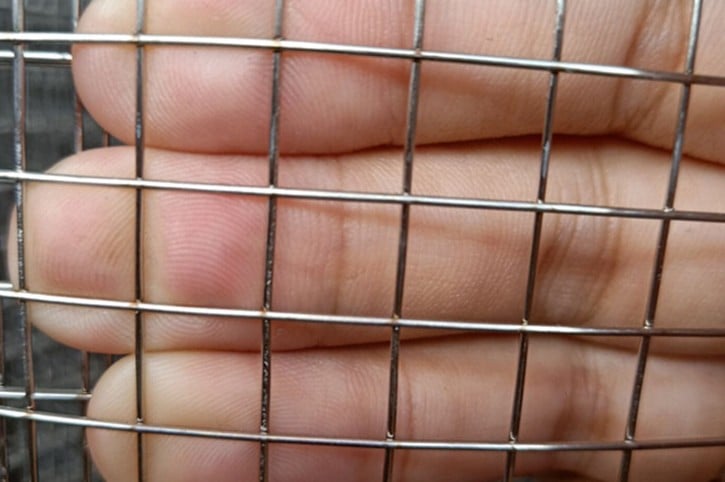
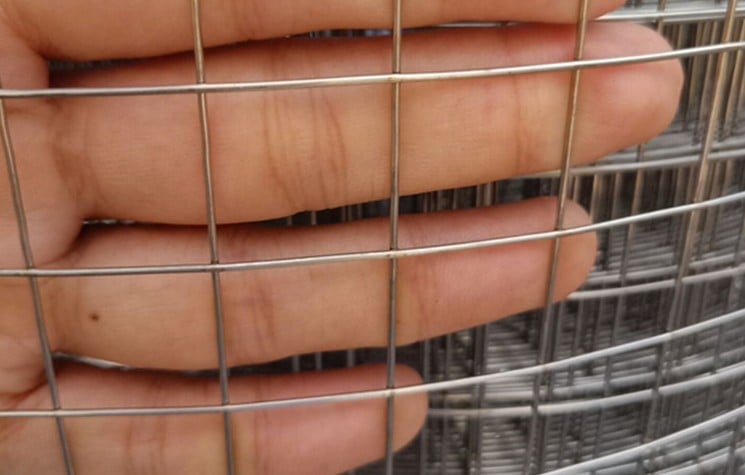
Welded mesh showing wire diameter and square aperture
The same nominal spacing can produce a different clear opening when wire diameter changes.

Square, Rectangular and Fabricated Configurations

Square opening

Equal spacing in both wire directions; still state wire diameter and basis.

Rectangular opening

Give both opening/spacing dimensions and both wire diameters.

Roll or panel

State finished width, length and permitted dimensional tolerance.

Fabricated part

Provide a drawing for bends, frames, cut-outs, seams and interfaces.

Coarse square welded wire mesh with visible weld intersections
Coarser welded mesh may be supplied as a screen, guard or structural support according to the drawing.
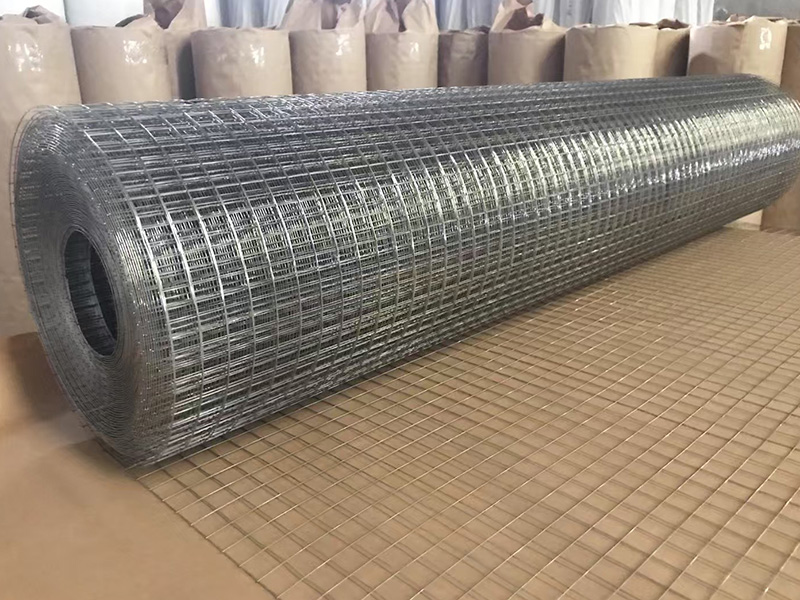
Welded wire mesh roll showing cut wire edges
Edge condition, cut-wire projection and finished width belong in the purchase specification.

Welded Mesh vs Woven, Expanded and Perforated Metal

StructureHow wires/openings are formedTypical specification focus
Welded wire meshCrossing wires joined at intersectionsOpening basis, wire, welds, edges and supplied form
Woven wire meshWires interlaced in a weave patternMesh count/aperture, wire, weave and roll details
Expanded metalSheet slit and expanded into diamond openingsSWD/LWD, strand, thickness, sheet and flattening
Perforated metalDefined holes punched or produced in sheetHole, pitch, pattern, thickness and margins

Use the expanded metal size guide or perforated metal open-area calculator when those structures match the application.

Welded Wire Mesh RFQ Checklist

1. Define the opening

State clear opening or centre spacing in both directions.

2. Add wire and grade

Specify wire diameter and required material.

3. Define supplied form

Roll, panel, cut shape or fabricated assembly.

4. Show edges and tolerances

Mark critical dimensions and inspection requirements.

5. Send quantity and drawing

Include revision, quantity and intended installation.

For product options, visit the welded wire mesh product page. For grade selection, compare 304 vs 316 stainless steel mesh.

Welded Wire Mesh Specification FAQ

State whether the dimension is clear opening or center-to-center spacing, then give wire diameter, material, panel or roll dimensions, edge condition and tolerances.

Clear opening is the free distance between adjacent wires. Center spacing is measured from one wire centerline to the next. For equal round wires, clear opening is approximately center spacing minus wire diameter.

Mesh count may appear in some markets, but millimetre or inch opening/spacing plus wire diameter is usually clearer for welded mesh procurement.

Yes. State whether the edge is trimmed flush, leaves projecting wires, is framed, folded or fabricated into another part, and identify critical edge tolerances.

No. Welded mesh wires are joined at intersections; woven mesh wires interlace. Their opening notation, flexibility, fabrication and filtration behaviour should not be assumed equivalent.

Provide opening or spacing basis, wire diameter, material, roll/panel/part dimensions, edge condition, tolerances, fabrication drawing, quantity and any inspection or documentation requirements.

Need a Drawing-Based Welded Mesh Review?

Send the opening basis, wire diameter, material, finished size, edge condition, tolerances, drawing and quantity for quotation review.

Need help choosing the right mesh?

Related Articles