Phosphor Bronze Woven Wire Mesh
Prepare a phosphor bronze wire mesh enquiry with a defined alloy, woven construction and supply format. Maidong can review roll-material and cut-piece requirements against your drawing, operating conditions and inspection needs.
Send the full specification rather than a material colour or mesh count alone. Identify any requirements that remain open for quotation review.
Specify Phosphor Bronze by Designation
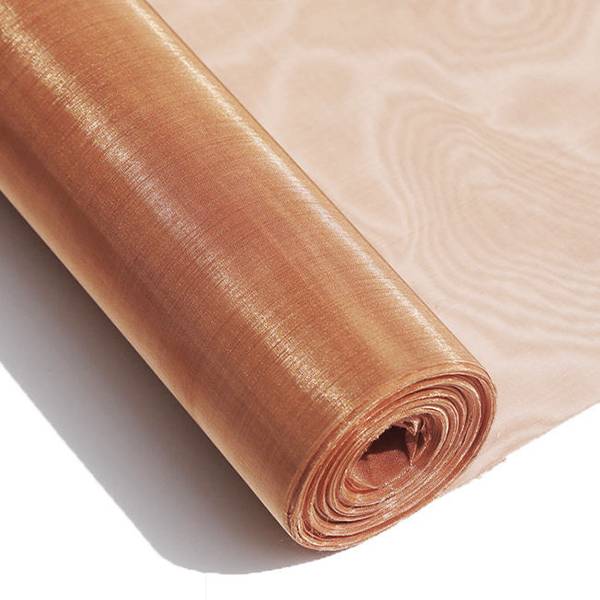
Phosphor bronze belongs to the copper-tin-phosphorus alloy family. The words bronze mesh alone can be ambiguous: commercial naming also includes other copper alloys. Put the required designation and specification reference on the purchase enquiry and drawing.
If your drawing specifies C51000, C52100 or another phosphor bronze designation, include that requirement in your enquiry. Confirm the proposed grade and material documentation before accepting a substitution. Availability is reviewed against the requested mesh construction.
Where wire temper, material records or a particular standard is required, state it explicitly. Confirm the proposed wire specification and the finished mesh acceptance requirements separately; wire material properties do not by themselves establish cloth performance.
Three Decisions Before Requesting a Price
1 · Confirm material
Alloy designation, specification reference, required condition and material documentation.
2 · Define the cloth
Weave, count units, wire diameter and aperture requirements in both directions where relevant.
3 · Define the delivery
Roll or cut piece, dimensions, quantities, edges, orientation and packing.
Keep these three decisions together on each RFQ line. A change in alloy, wire size or delivery format can change the quotation basis even when the nominal mesh count stays the same.
Opening, Wire Diameter and Retention Are Different Requirements
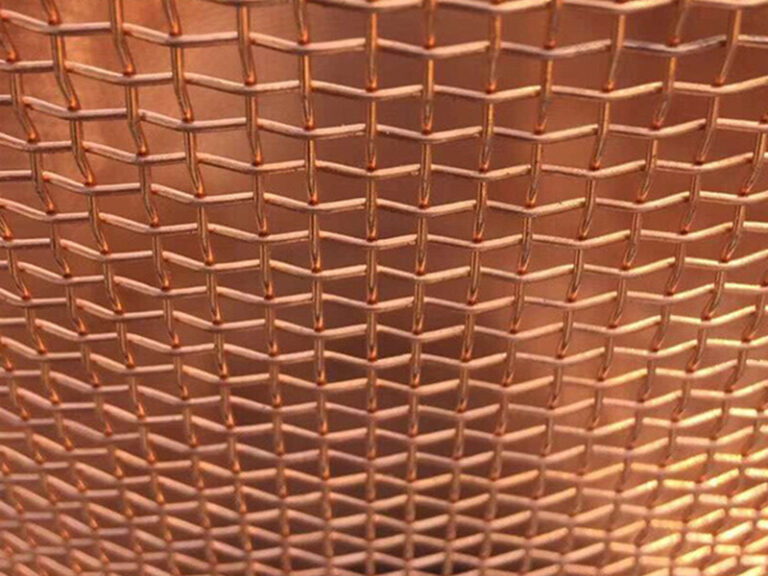
For square woven cloth, clear opening depends on both the mesh count and wire diameter. State the unit used for the count and identify the weave rather than treating a mesh number as a complete specification.
Use the mesh-to-micron calculator for square-weave geometry. If your requirement concerns particle retention, define the rating and test basis separately; a calculated aperture is not a tested filtration rating.
If an existing sample is your reference, provide drawings and available material records as well as photographs. Appearance alone cannot verify the alloy or precise opening.
Roll and Cut-Piece Ordering Checklist
| Material | Alloy designation, standard or drawing reference, condition and requested records. |
|---|---|
| Cloth construction | Weave, mesh count with unit, wire diameter and aperture requirements. |
| Roll supply | Usable width, length per roll, number of rolls and continuous-length or join requirements. |
| Cut pieces | Item number, length × width or profile drawing, quantity per size and dimensional tolerances. |
| Edges and direction | Measurement reference, allowed projections, edge treatment and warp/weft orientation if controlled. |
| Operating context | Medium, temperature, contact materials, cleaning exposure and intended function. |
| Inspection | Material identification, mesh geometry, dimensions and any agreed application evaluation. |
| Packing | Flat or rolled condition, separation, core preference, handling and labels as required. |
For rolls, distinguish usable width from an overall width that includes edge wires. For cut pieces, show whether projecting wires count in the finished envelope. State how dimensions will be measured and whether orientation matters for the next operation.
Match the Material to the Assembly
Describe the actual function: screening, a supported mesh insert, a conductive interface or another assembly. Include the conditions that affect material selection. Do not transfer a property from a general alloy datasheet into a guaranteed service life or finished-mesh performance.
If the cloth will be repeatedly flexed or formed, explain the motion or forming requirement and the acceptance basis. If electrical continuity or shielding matters, specify the contact arrangement and required evaluation for the assembly. These requirements need more than a material-family name.
For another copper-family option, see copper wire mesh. Any alternative must be reviewed against the duty and approved specification.
Handling and Packing
Specify whether cut pieces must be packed flat or may be rolled, how individual sizes should be separated and which surface or edge conditions are critical. Fine cloth may need support during handling; packing format alone is not a guarantee of rigidity or flatness. Confirm agreed inspection, identification and packing with the quotation.
Copy This Enquiry Format
Please review our phosphor bronze woven wire mesh requirement.
Alloy and specification reference: [details]. Required condition and documentation: [details]. Weave: [type]. Mesh count and unit: [value]. Wire diameter/aperture: [values and units].
Supply format: [rolls / cut pieces]. Dimensions and quantities: [list or drawing]. Continuous-length, edge and orientation requirements: [details].
Intended service and operating conditions: [details]. Inspection, packing and identification: [requirements]. Please identify the proposed material, any missing information and any exceptions in your quotation.
Availability, minimum order, processing scope, price and delivery time are confirmed after specification review. If you are working from a legacy description, attach the available records and identify which requirements can be revised.
Phosphor Bronze Mesh FAQ
It is interlaced wire cloth made from a specified phosphor bronze alloy, a copper-tin-phosphorus material family. Both the alloy and the woven construction must be identified in an enquiry.
No. Bronze mesh names can refer to different alloy families. Specify the material designation and applicable specification, and obtain approval before any substitution.
Mesh count alone does not define the opening or wire construction. Include count units, weave, wire diameter and the agreed aperture requirements. Supply directional information where the construction requires it.
This page makes no stock claim for either grade. If a drawing calls for a specific designation, include it in the enquiry; material availability and the proposed supply specification require confirmation.
No. The wire material requirement and the finished cloth inspection scope are separate. Specify mesh geometry, dimensions and any application test independently.
Yes. List each supply format separately with the complete mesh specification, dimensions and quantities. Include edge, orientation and packing requirements so feasibility and scope can be reviewed.
Request a Specification Review
Send your alloy requirement, mesh construction, roll dimensions or cut list, and quantities. Include a drawing for critical edges or assembly interfaces.